
Film
Noriko's Dinner Table
- Psychological horror
- Very dark
A sprawling, unsettling portrait of alienation and belonging in contemporary Japan. Noriko flees her provincial home for Tokyo, drawn into an online community that promises connection but delivers something far stranger. Director Kiyoshi Kurosawa explores how the desperate need to matter can lead us into the darkest places. Hypnotic and deeply uncomfortable.
If you liked this
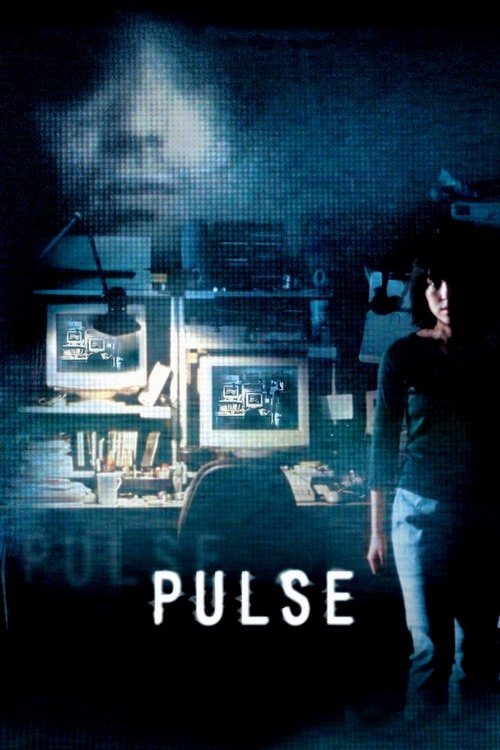
Pulse2001
Kurosawa's masterpiece about isolation in the digital age. A haunted-house film where the haunting is loneliness itself. The images will stay with you for years.
But Deliberately paced and often cryptic. If you need plot clarity and catharsis, this will frustrate you.
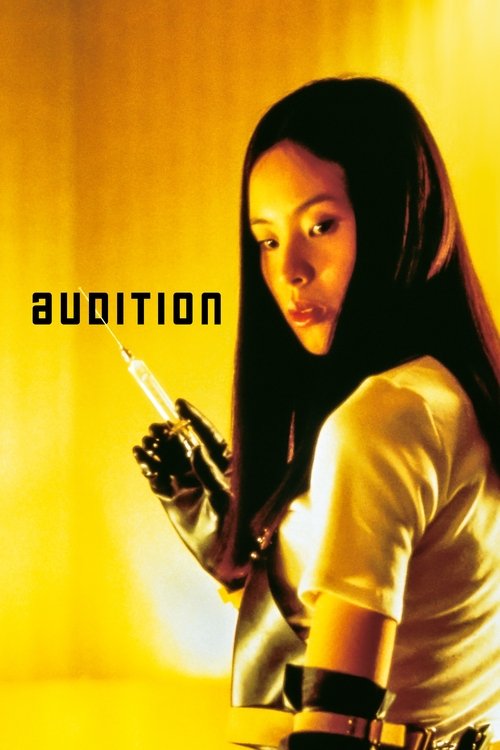
Audition2000
Takashi Miike's portrait of vulnerability and predation. A man searches for love and finds something that deconstructs that desire entirely. Shocking but purposeful.
But Contains graphic violence that serves the film's philosophy, not convention. Some will see it as exploitation rather than critique.
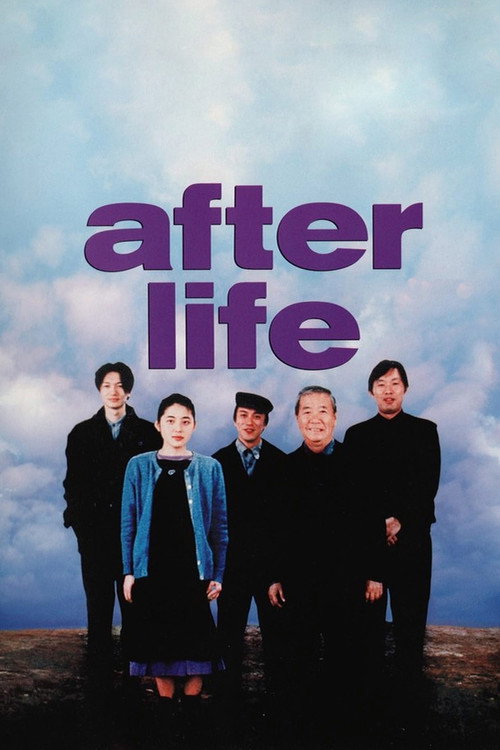
After Life1999
Hirokazu Koreeda's gentle investigation of memory and meaning. New arrivals in the afterlife must choose one memory to preserve forever. Tender and philosophically devastating.
But Moves quietly and asks everything of your attention. The payoff is emotional, not narrative—no slam-bang climax.
Not sure tonight? Get a pick in a minute, starting from Noriko's Dinner Table
The wildcard
Something you would not have found on your own.
Come and See1985
Both films use genre—horror, thriller—as a vehicle for examining how ordinary people become complicit in systems of death. The formal inventiveness serves unbearable content.
Elem Klimov's Soviet film about a boy conscripted into WWII. A descent into hell rendered with sensory totality. The most devastating war film ever made.
But Not watchable in the usual sense. Brutal, nauseating imagery in service of moral horror. It doesn't entertain; it testifies.

More like this (8)
Tokyo Story1953
Yasujirō Ozu's film about family dissolution and generational distance. An elderly couple visits Tokyo and discovers their children have become strangers. Perfect and heartbreaking.
But Shot in static long takes with minimal music. Demands patience. The drama is in the space between words, not the words themselves.

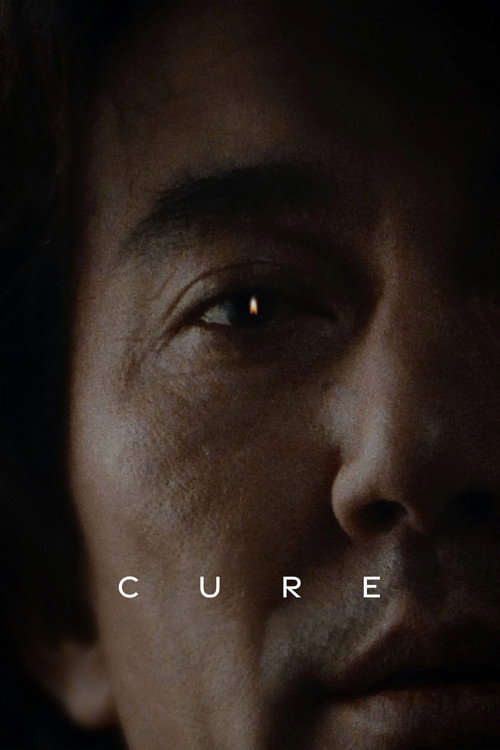
Cure1997
Another Kurosawa: a detective story that becomes a study of how violence propagates through suggestion and proximity. Intellectually merciless.
But Plot coherence isn't the point. If you're watching for 'what happens next,' you'll miss what it's actually about.
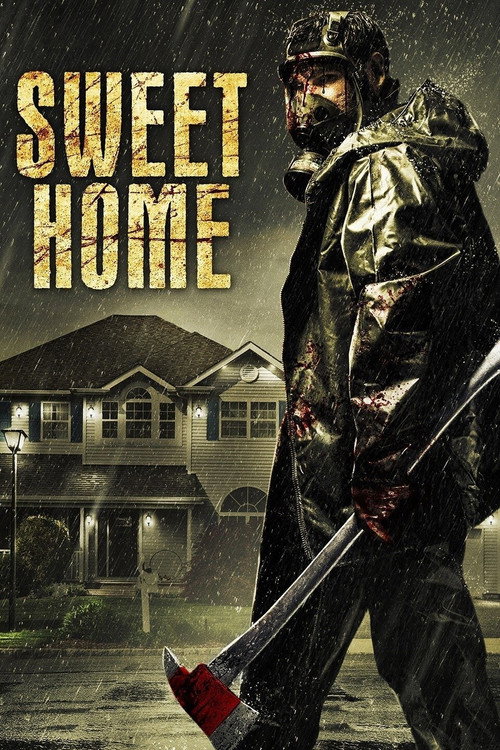
Sweet Home2015
A family's apartment becomes a labyrinth after a mysterious event. Structural and formal inventiveness applied to domestic horror. Quietly brilliant.
But Experimental narrative structure. You'll need to stay sharp and may want to watch again to fully piece it together.
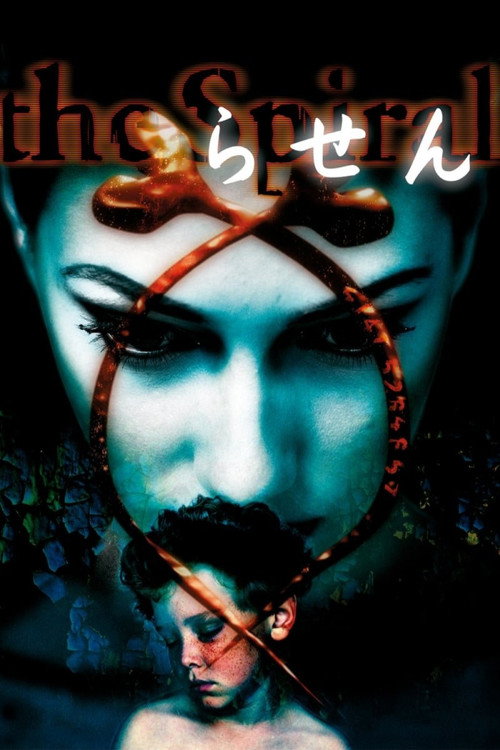
The Spiral1998
Koreeda's debut: a single mother and her daughter inhabit a house haunted by its previous inhabitants. Ghosts as loneliness made visible.
But Very slow. Relies on mood and implication rather than plot propulsion. Some will find it static.
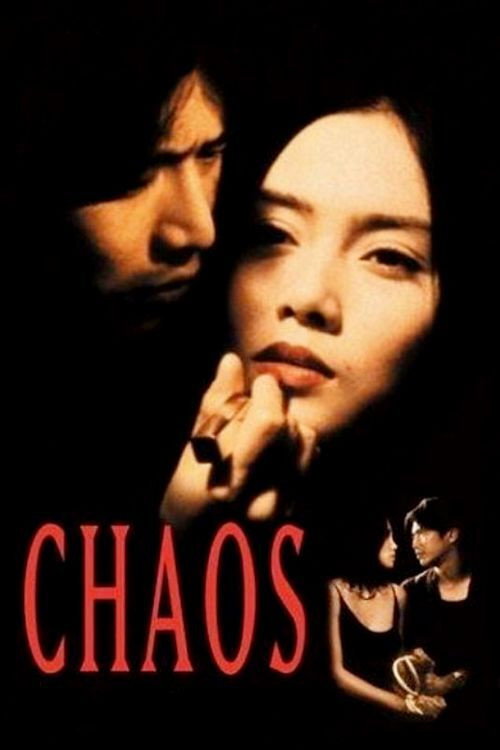
Chaos2000
Takashi Miike's examination of trauma and control. A couple's ordinary marriage fractures into nightmare. Formally inventive and genuinely distressing.
But Graphic sexual violence. Not a warning but a statement: this film will hurt you as part of its design.
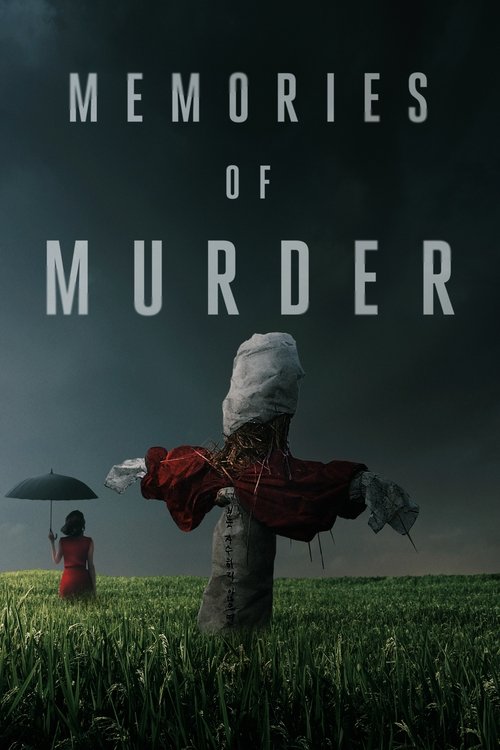
Memories of Murder2003
Bong Joon-ho's historical thriller about a serial killer hunt in 1980s South Korea. Masterful direction and a final image that reframes everything.
But Long and procedural. The narrative satisfaction is bleak rather than cathartic.
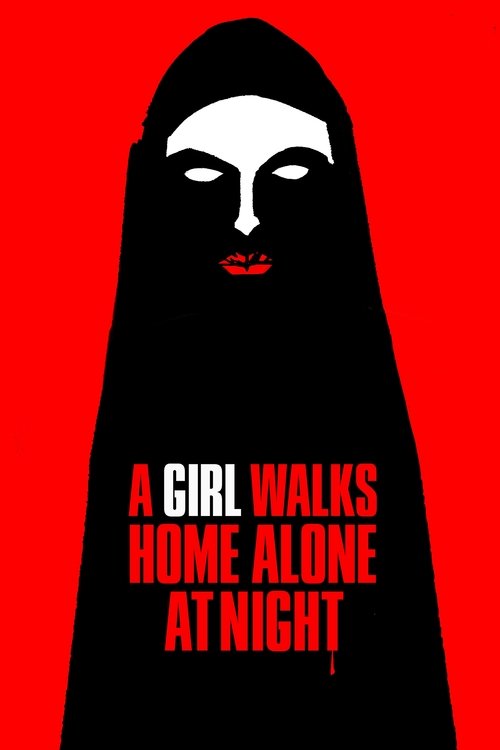
A Girl Walks Home Alone at Night2014
Both use internet/digital culture and alienation as starting points for something that becomes mythic and supernatural. Urban isolation rendered as a kind of haunting.
Ana Lily Amirpour's Iranian-American vampire film, shot in gorgeous black and white. A young woman becomes an avenging ghost in a dying industrial town. Formally stunning and deeply strange.
But Extremely slow. Long sequences of static beauty with minimal plot. The mood is everything; if that doesn't hook you, nothing will.
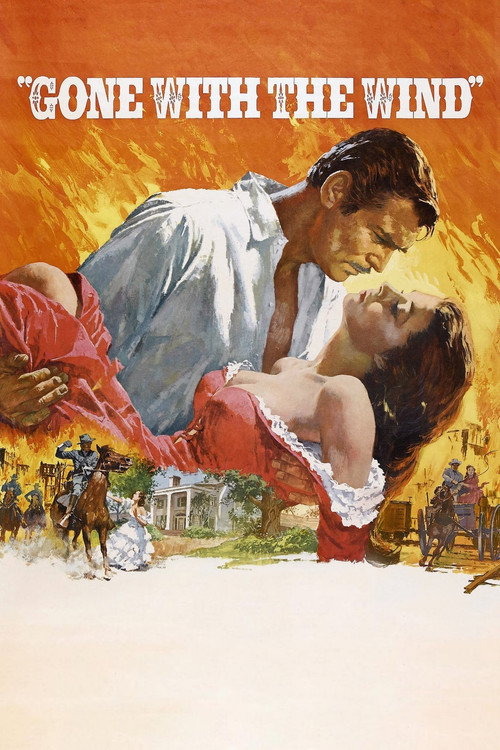
Gone with the Wind1939
Both examine female isolation and how disconnection from community creates a kind of madness. Both use form as content—the disorientation you feel is the subject of the film.
Junun (Harmony Korine-adjacent before Korine was known) shot in Iran about a woman's psychological collapse. A text-and-image film that feels almost hallucinatory. Utterly singular.
But Extremely experimental. Narrative barely exists. If you need plot or conventional storytelling, this will feel like punishment.
People
Cast
 Kazue FukiishiNoriko / Mitsuko
 TsugumiKumiko / Ueno Station 54
 Yuriko YoshitakaYuka / Yoko
 Ken MitsuishiTetsuzo Shimabara
 Shirô NamikiIkeda
 Sanae MiyataTaeko Shimabara
 Yoko MitsuyaTangerine
 Tamae AndoBroken Dam
 Naoko WatanabeCripple #5
- Hanako OnukiMidnight
- Chihiro AbeLong Neck
 Sora TômaKumiko's Spokesman
Directing
- Sion SonoDirector
- Shukei AmanoFirst Assistant Director
- Shinya NaganoSecond Assistant Director
- Kyuya NakagawaThird Assistant Director
Writing
- Sion SonoWriter
Production
- Yutaka MorohashiExecutive Producer
- Takeshi SuzukiProducer