
Film
Come and See
Elem Klimov's 1985 Soviet epic drops a teenage partisan into the Nazi occupation of Belarus and refuses him — and you — any distance from what follows. Shot in queasy long takes with sound design that never lets up, it plays less like a war film than a descent, closer to horror than history lesson. Unforgettable, and not something you casually rewatch.
If you liked this
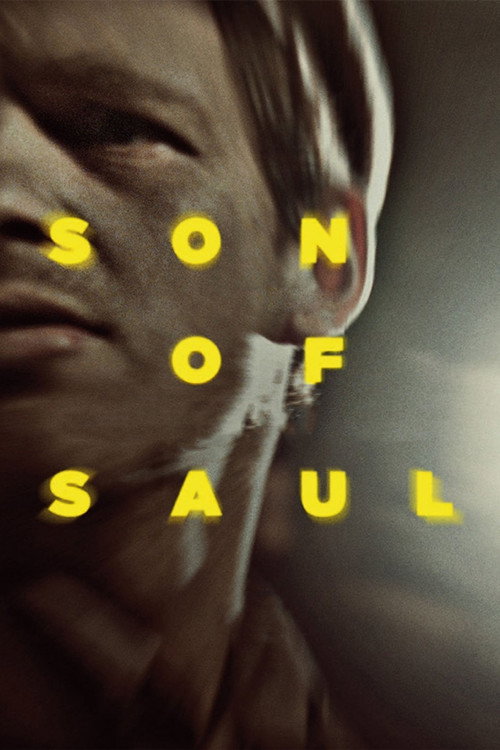
Son of Saul2015
László Nemes traps the camera on one man's face for the length of a workday inside Auschwitz-Birkenau, forcing the same suffocating, no-escape point of view that makes Klimov's film so punishing. Formally audacious and completely unforgiving.
But The shallow-focus, single-perspective style is deliberately disorienting; some find it more exhausting than illuminating.
The Painted Bird2019
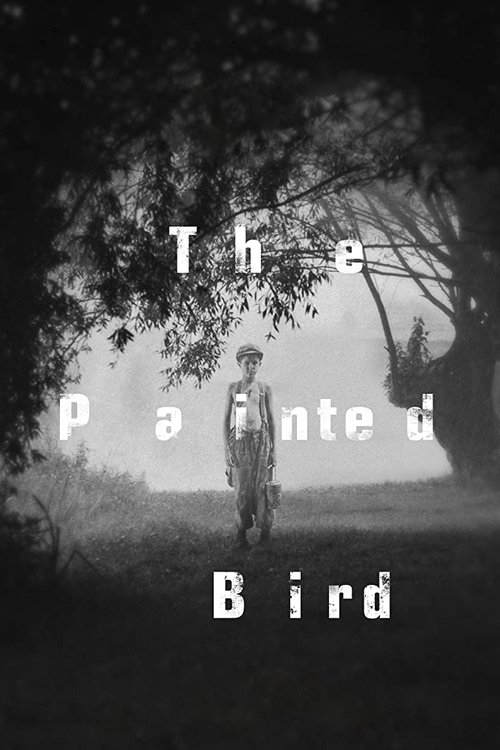
A wordless child wanders through a black-and-white Eastern Europe of casual cruelty, village by village, atrocity by atrocity — the closest thing in recent cinema to Flyora's ordeal, stretched over three hours.
But Three hours of escalating brutality with almost no relief; several scenes triggered walkouts at festivals.
Grave of the Fireflies1988
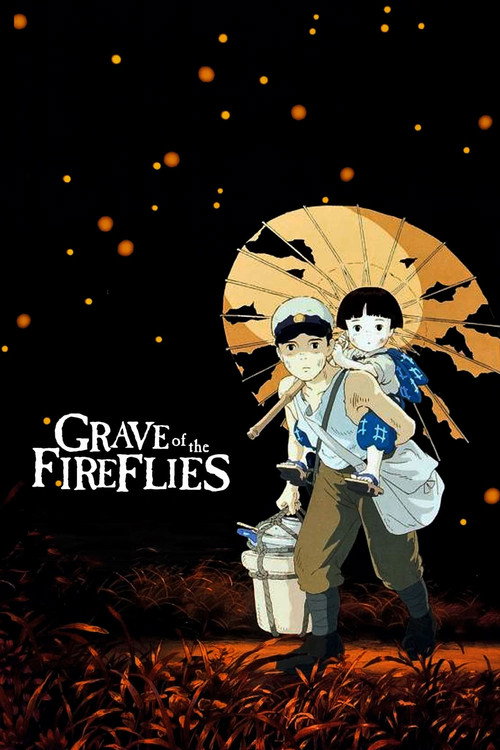
Proof that animation can deliver war's cruelty with as much force as live action — a brother and sister trying to survive firebombed Japan, told with unbearable tenderness.
But It's animated and about children, which makes people assume it's gentler than it is. It is not.
The wildcard
Something you would not have found on your own.
Night and Fog1956
Come and See's aesthetic of unflinching witness descends directly from this film, which invented the technique of forcing confrontation with atrocity thirty years earlier, in documentary form.
Alain Resnais's 32-minute documentary walks through the empty camps a decade after liberation, cutting newsreel atrocity footage against present-day quiet. It's the direct ancestor of Klimov's method: show the evidence, make you sit with it.
But It's archival and clinical rather than dramatized — brief, but the actual footage of the camps is as real as horror gets.
More like this (8)
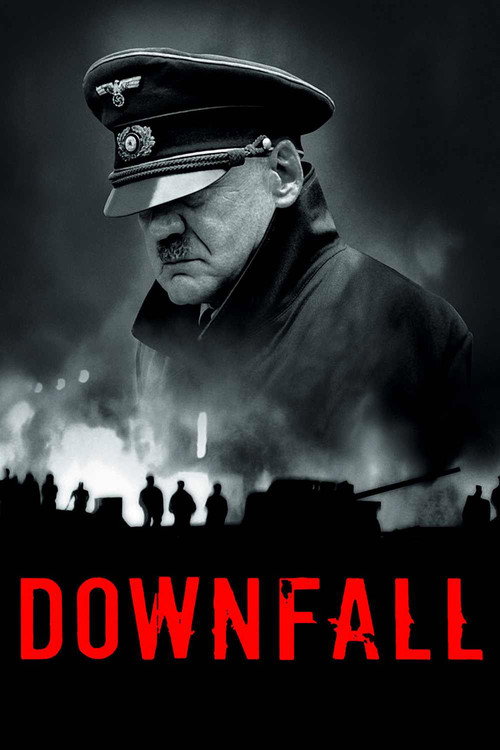
Downfall2004
The other side of the same catastrophe: Hitler's final days in the Berlin bunker, played with chilling humanity rather than caricature. A necessary companion piece on how the machinery actually collapsed.
But More dialogue-driven and claustrophobic than visceral — a political chamber piece, not an immersive nightmare.
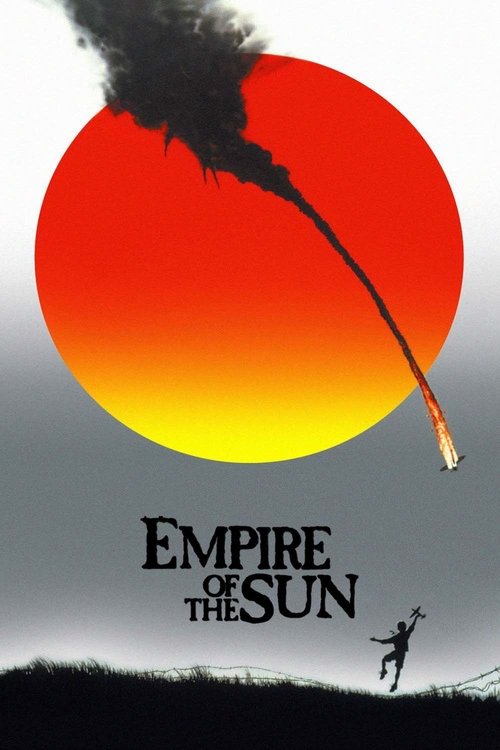
Empire of the Sun1987
Spielberg's child's-eye view of a boy separated from his parents during the Japanese invasion of Shanghai, watching the adult world burn around him. Gentler than Klimov but built from the same innocence-meets-atrocity engine.
But Its polish and score can feel like comfort food next to Come and See's rawness.
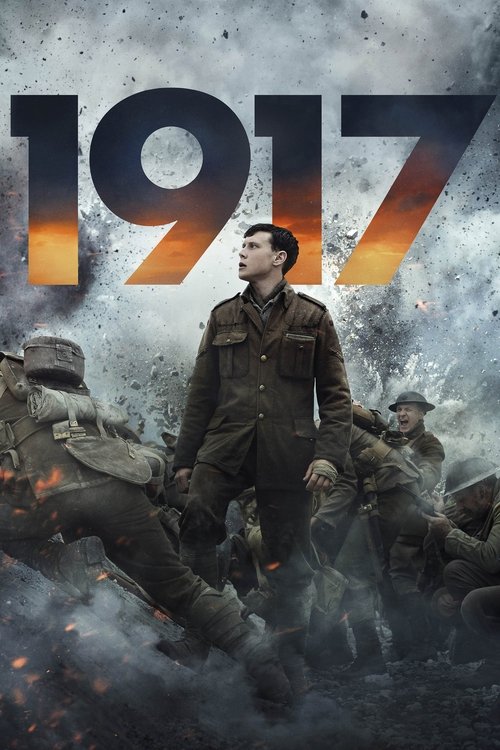
19172019
Two soldiers cross no-man's-land in what looks like a single unbroken take — pure technical immersion that puts you inside the war's geography and dread, minute by minute.
But It's more spectacle than psychological reckoning; the horror is staged rather than lived-in.
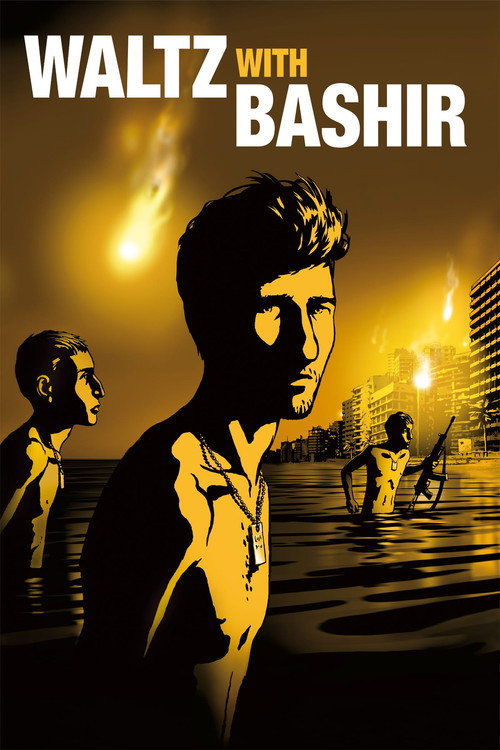
Waltz with Bashir2008
An Israeli veteran animates his own fractured memories of the Lebanon War, turning trauma and forgetting into hallucinatory rotoscoped imagery. A very different, very personal route to the same moral wound.
But Its dreamlike, fragmented structure asks for patience; it's more meditation than narrative drive.
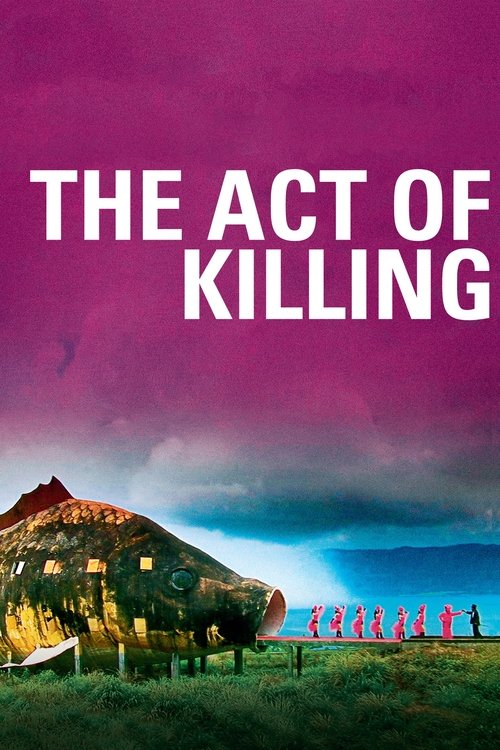
The Act of Killing2012
Indonesian death squad leaders re-enact their own massacres for the camera, gleefully. Nothing else captures how ordinary people build a story that lets them live with what they did.
But There's no victim's perspective at all — an unflinching study of perpetrators that some find unbearable in a different way.
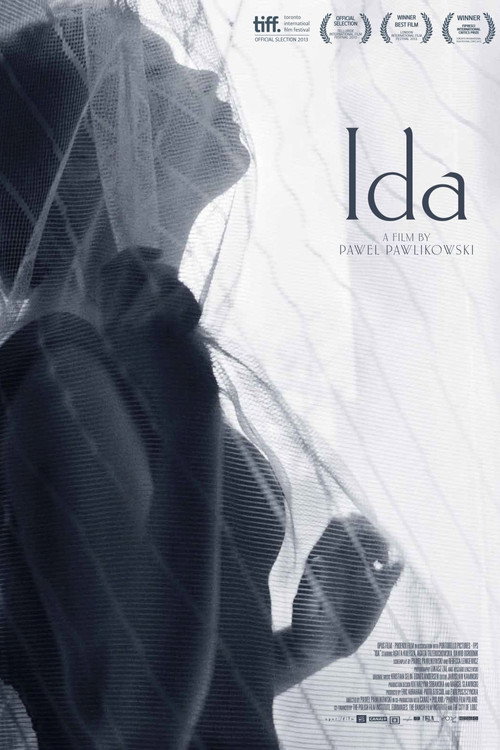
Ida2013
A quiet, black-and-white postwar Poland where a young novice discovers her family's Holocaust-era secret. The horror here is retrospective and buried, a slow ache rather than a scream.
But Its stillness and restraint are the opposite of Klimov's assault — some may find it too muted after Come and See.
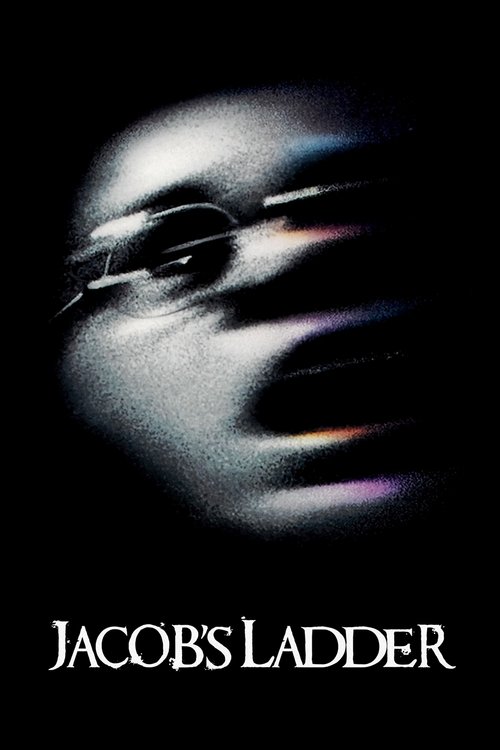
Jacob's Ladder1990
Both use a young man's face, aged and hollowed by what he's witnessed, as the map of war's damage; this one just does it inside a haunted-house plot instead of a Belarusian forest.
A Vietnam veteran's memories of combat bleed into a hallucinatory present full of shifting faces and unstable reality — genre horror used to dramatize the exact psychological collapse Come and See depicts through realism.
But It's a studio horror thriller with jump scares and twist logic — much pulpier than Klimov's austere approach.
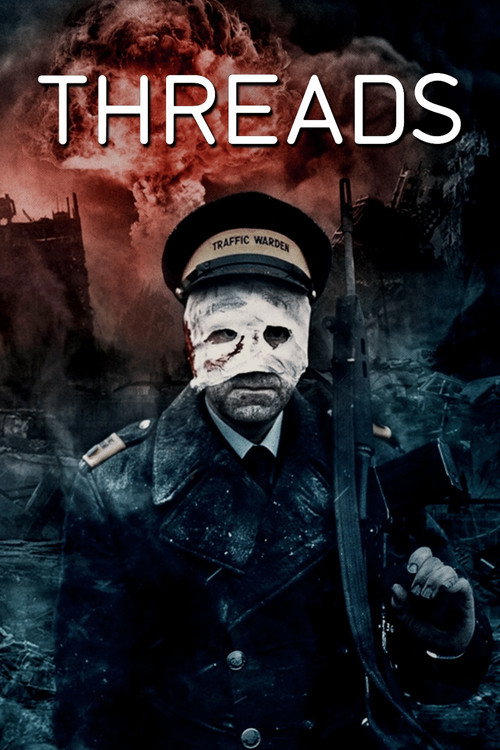
Threads1984
Same refusal of catharsis, same interest in what atrocity does to bodies and faces over time — Threads just relocates the horror from Belarusian forests to a hypothetical British future.
A BBC television film follows an English city through nuclear attack and its unbearable aftermath with the same documentary-flat, no-music dread — civilisation stripped down to mud, disease and silence.
But It's a low-budget 1984 TV production, visually rough by modern standards, and just as punishing to sit through.
People
Cast
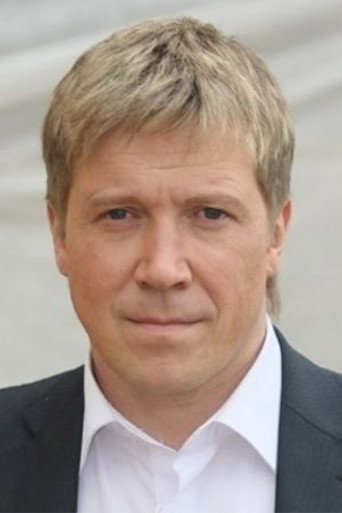 Aleksei KravchenkoFlyora Gayshun
 Olga MironovaGlasha
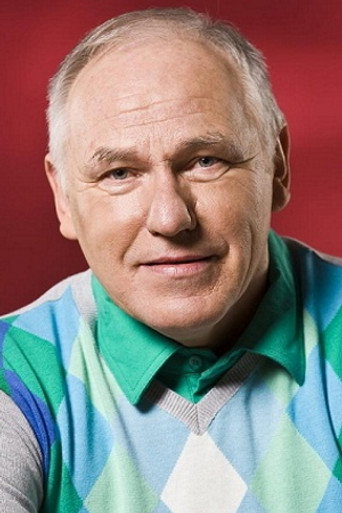 Liubomiras LaucevičiusKosach
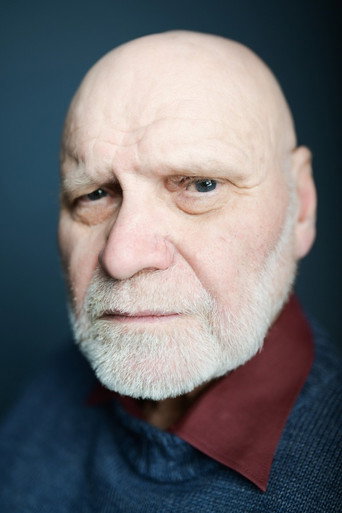 Vladas BagdonasRubezh
 Jüri LumisteObersturmführer
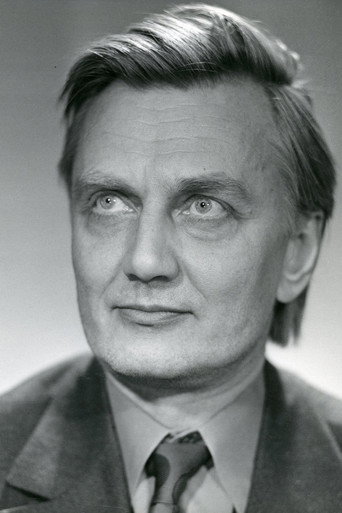 Viktors LorencsSturmbannführer
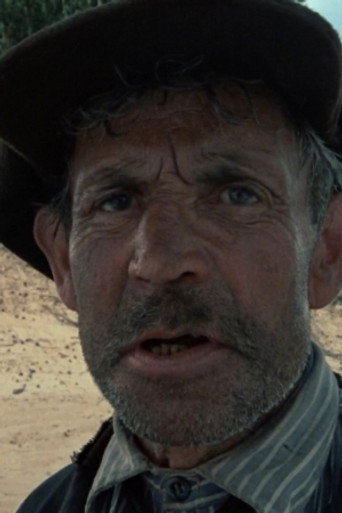 Kazimir RabetskyVillage Headman
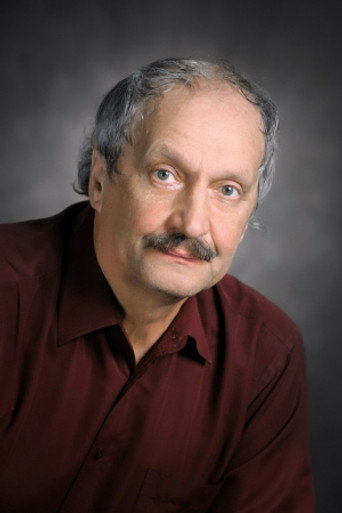 Yevgeni TilicheyevGezhel
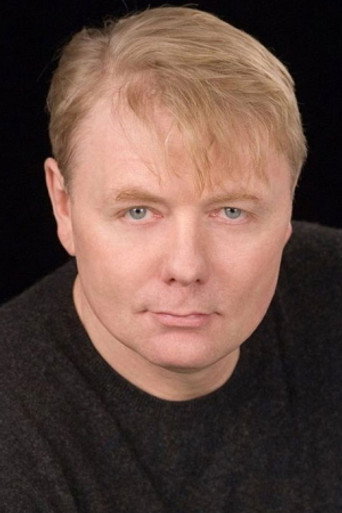 Aleksandr BerdaChief of Staff of the Partisan Detachment
- G. VeltsMedical NCO
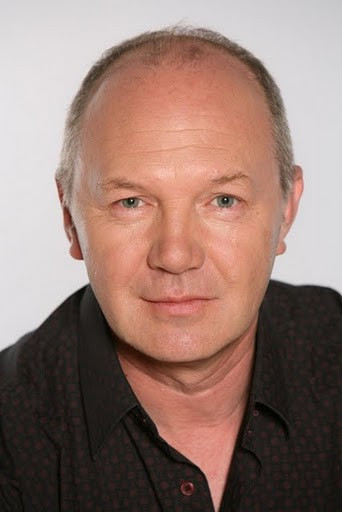 Viktor VasilievGerman
Directing
- Elem KlimovDirector
Writing
- Ales AdamovichScreenplay
- Elem KlimovScreenplay
Production
- Stepan TereschenkoProducer
Recommended by
Night and Fog, Band of Brothers, 1917, The Boy in the Striped Pyjamas, Grand Illusion, The Human Condition I: No Greater Love, The Zone of Interest, The Painted Bird, Barefoot Gen, Ivan's Childhood, Andrei Rublev, The White Ribbon, War and Peace of Mind, White Light/Black Rain: The Destruction of Hiroshima and Nagasaki, The World at War