
Television series
The World at War
Twenty-six hour-long episodes, built from newsreel and testimony gathered while the people who lived through the war were still around to explain it. Olivier's narration is measured to the point of coldness, letting footage and interviewees carry the weight. It's exhaustive rather than thrilling — the point isn't spectacle, it's scale: how completely the war reshaped everyone it touched.
If you liked this
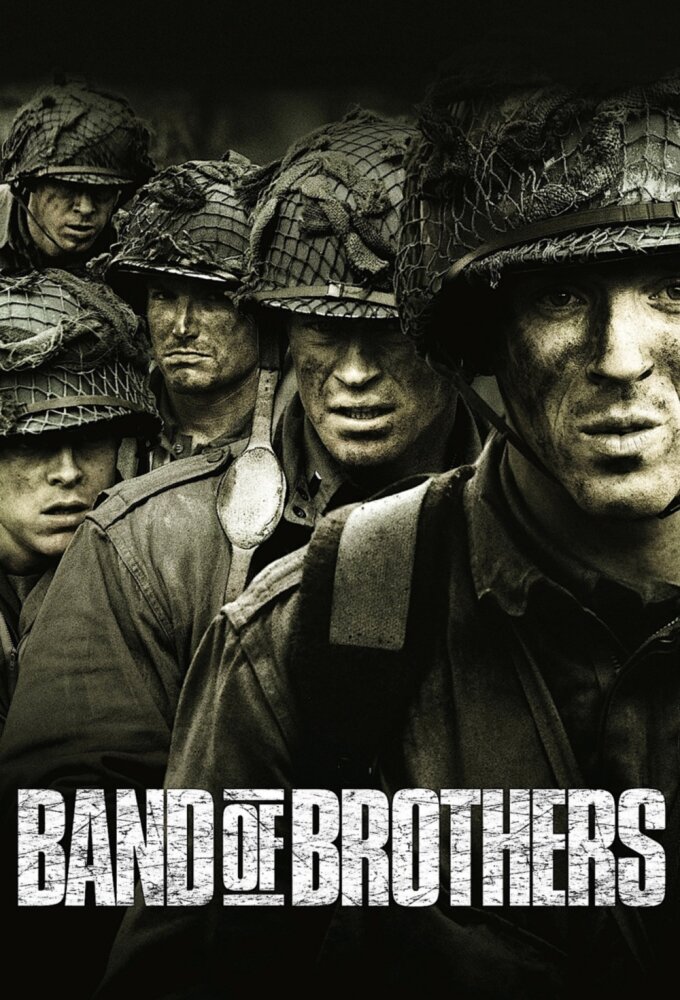
Band of Brothers2001
Ten hours dramatizing one company's war from Normandy to Hitler's Eagle's Nest, made with the same insistence on testimony — veterans appear before each episode to ground the fiction in fact.
But It's dramatized, so the grit is stylized; if you want unfiltered footage rather than reenactment, this softens the edges.
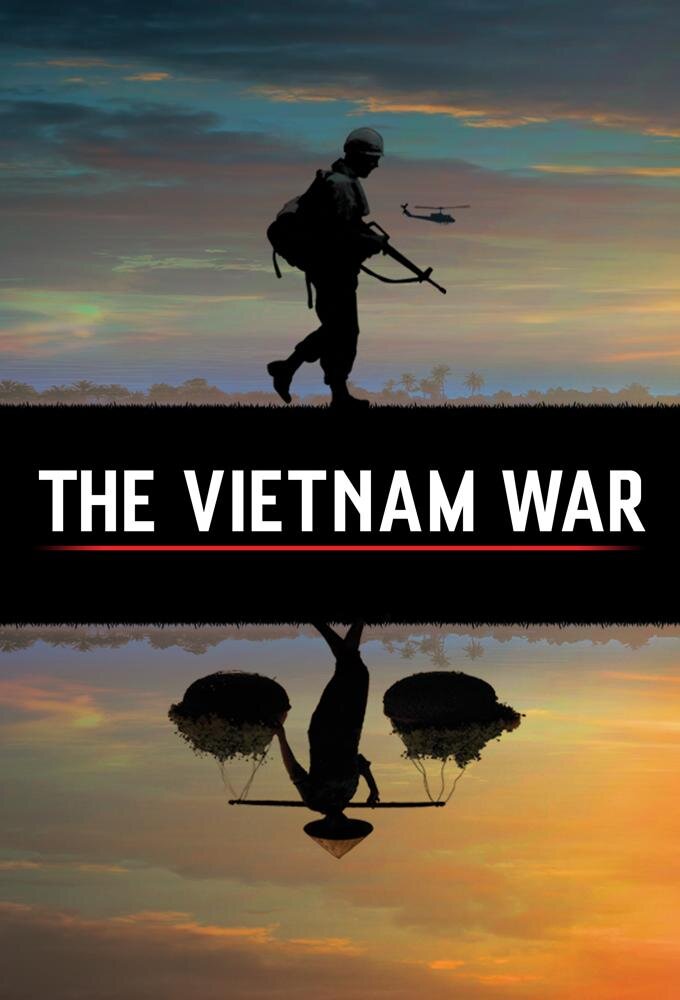
The Vietnam War2017
Burns and Novick apply the same exhaustive, multi-perspective method to a war that split the country that fought it, interviewing soldiers from both sides of the conflict.
But At eighteen hours it's an even bigger commitment, and its even-handedness can feel like it's dodging judgment.
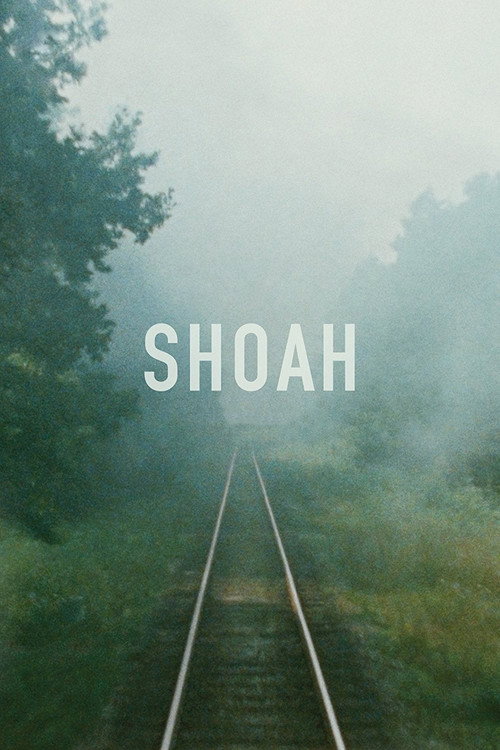
Shoah1985
Nine and a half hours with no archive footage at all — just perpetrators, survivors and bystanders talking, decades later, about the machinery of extermination.
But It's relentless and static by design; there's no music, no montage, nothing to soften the weight of what's being said.
The wildcard
Something you would not have found on your own.
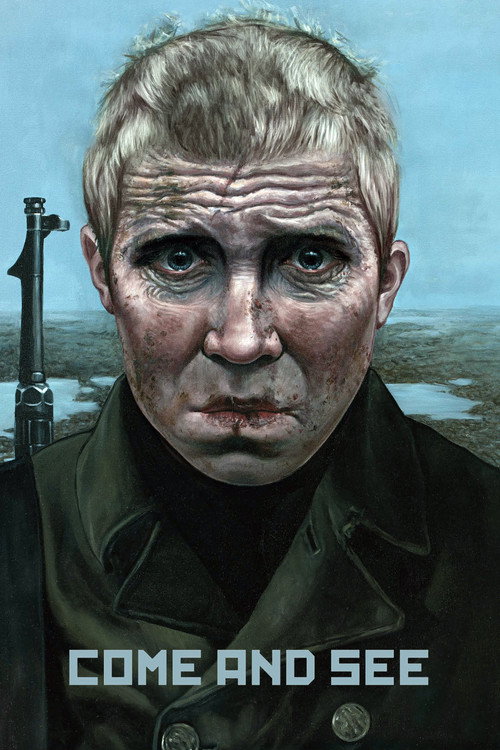
Come and See1985
Where Olivier's narration stays level even over atrocity, this refuses that composure entirely — same moral ground, but felt rather than explained.
A Soviet film following a boy through the Nazi occupation of Belarus, shot to feel less like drama than lived nightmare — one of the most physically overwhelming war films ever made.
But It is punishing and surreal by design, closer to horror cinema than history; not something to put on for background.
More like this (8)
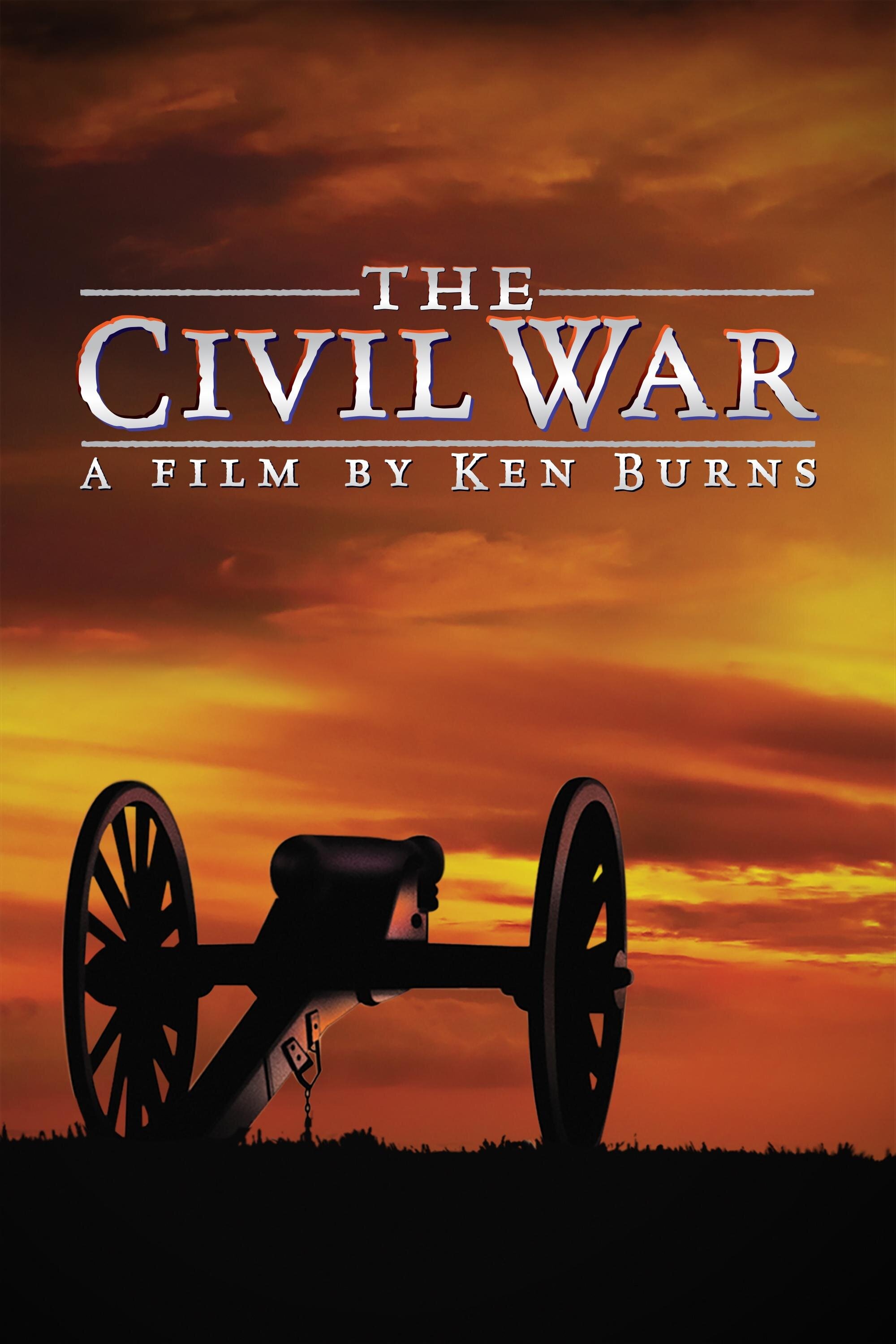
The Civil War1990
Ken Burns's own attempt at Olivier-style scale, built from letters, photographs and a handful of voices, turned America's bloodiest war into something intimate.
But The pacing is slow and the reliance on still photographs takes some adjustment if you're used to moving footage.
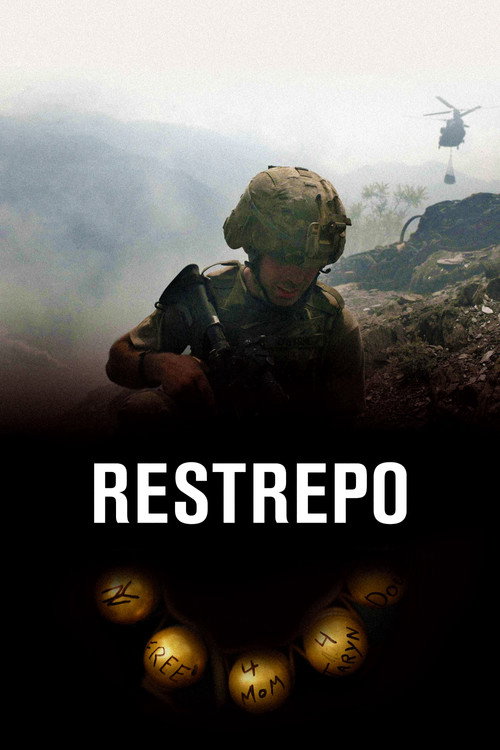
Restrepo2010
No narration, no hindsight — just a year embedded with a platoon in Afghanistan's Korengal Valley, filmed as it happened rather than reconstructed afterward.
But It offers no historical framing at all; you get one outpost, one year, and have to supply the context yourself.
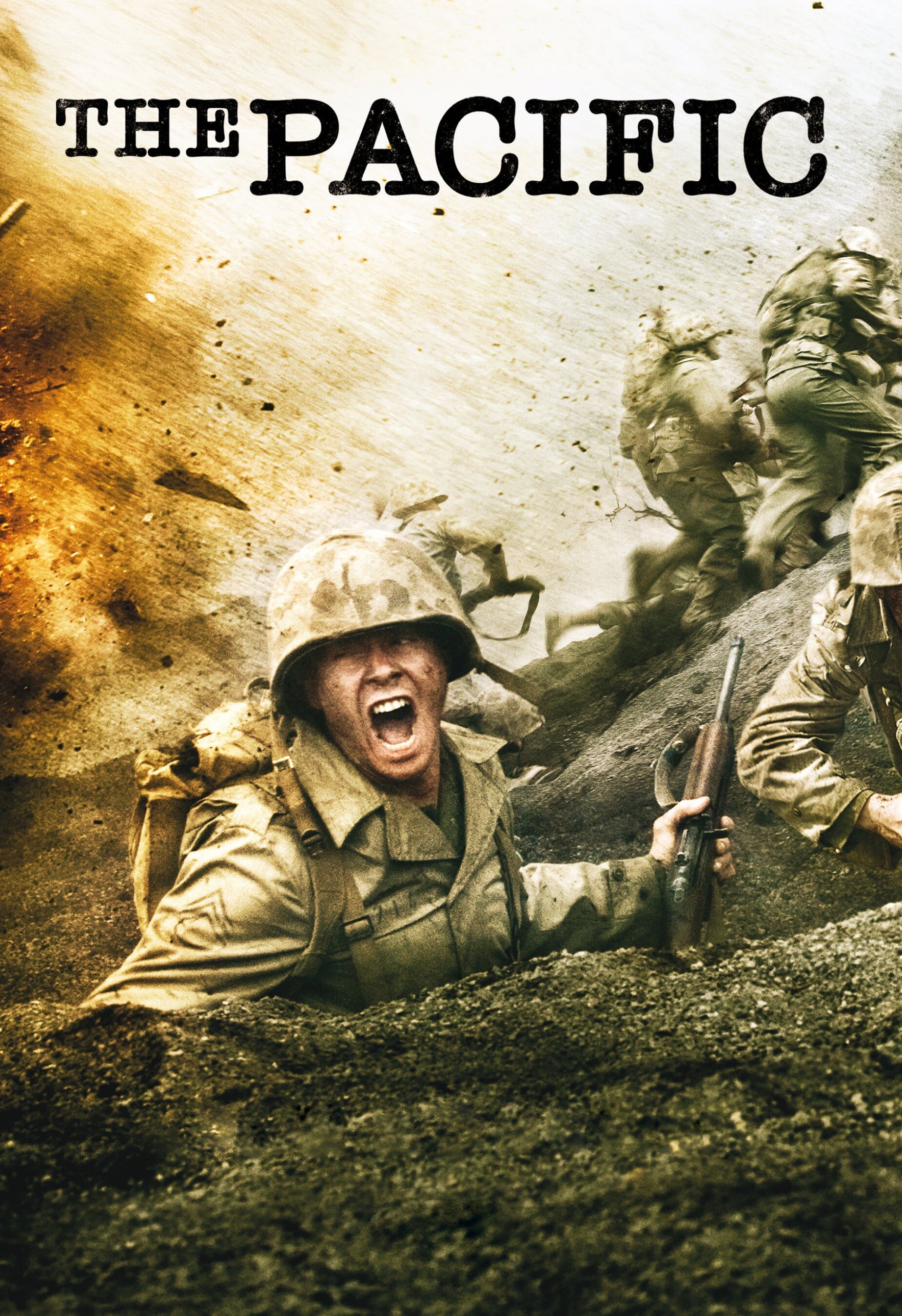
The Pacific2010
The companion piece to Band of Brothers, covering the war's other, uglier theatre, where the fighting was closer, hotter and less forgiving.
But It's bleaker and more fragmented than its predecessor, following several Marines rather than one tight unit.
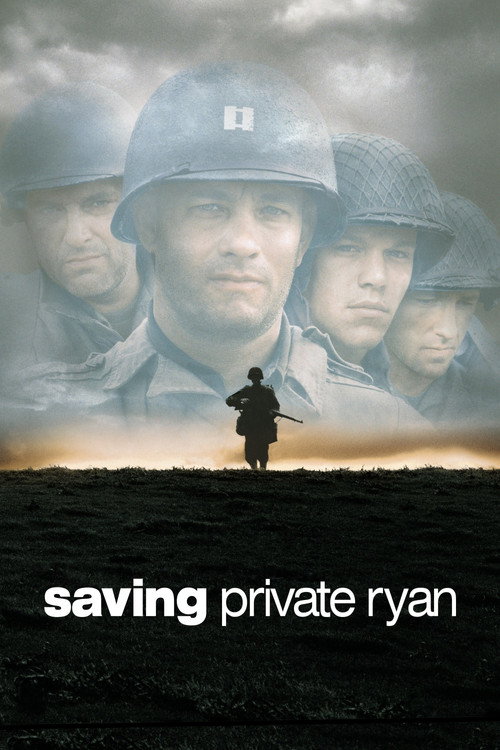
Saving Private Ryan1998
The Omaha Beach opening remains the standard against which every war film since has been measured for sheer physical terror.
But The framing story is sentimental in a way the documentary never allows itself to be.
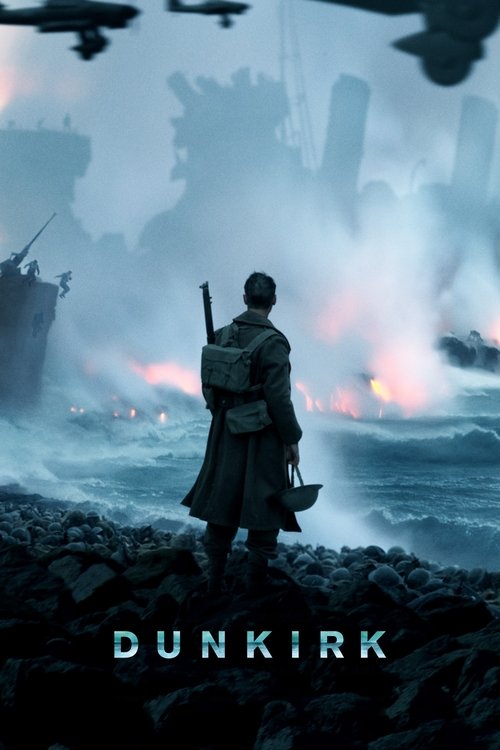
Dunkirk2017
Nolan strips out dialogue and backstory almost entirely, turning evacuation into pure sensation — ticking clocks, drowning men, engines overhead.
But It's more experience than history; if you want to understand the war, this won't tell you much.
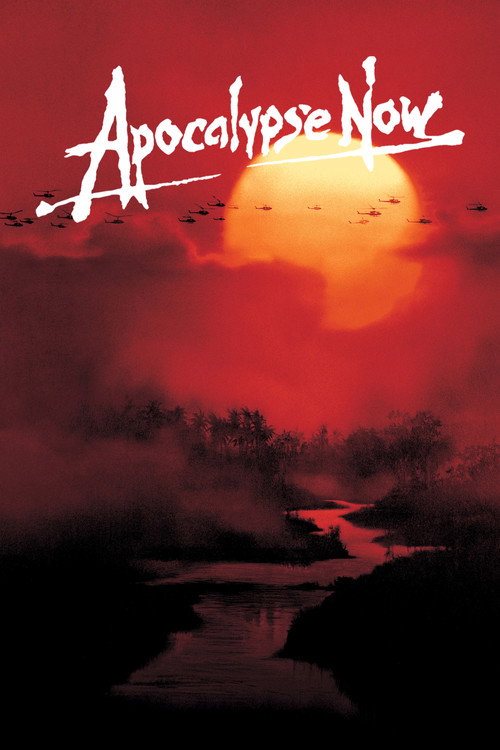
Apocalypse Now1979
A different war, a different register entirely — Vietnam refracted through fever-dream imagery and a slow descent into madness.
But It's more interested in psychological horror than historical accuracy, and some of the shine on it is more mythology than merit now.
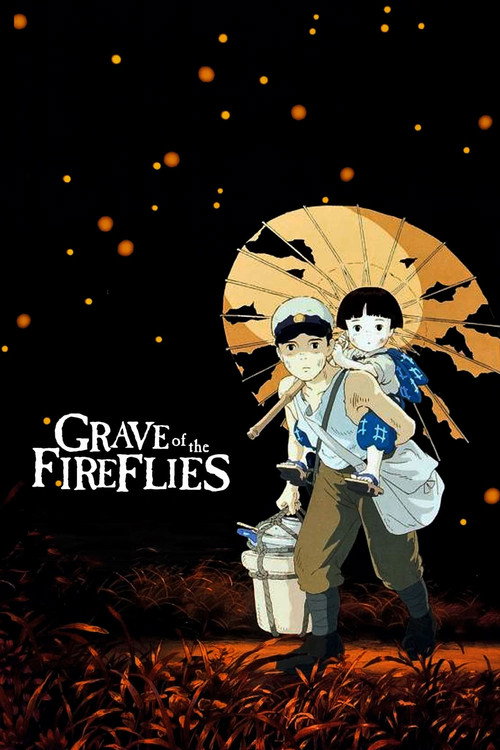
Grave of the Fireflies1988
World at War keeps insisting the war happened to civilians, not just soldiers. This is that argument made in a single unbearable story, from the side its own narration spends less time with.
An animated Japanese film about two children trying to survive the firebombing of Kobe — as devastating an account of civilian cost as anything in the documentary, told from the losing side.
But It's animation about starving children in wartime; the tonal mismatch between medium and subject is exactly the point, but it's genuinely upsetting.
A Diary for Timothy1945no page yet
The World at War has the luxury of hindsight; this has none. Same war, same country, but made from inside the uncertainty rather than looking back on it.
Humphrey Jennings made this while the war was still being fought, addressed to a baby born in 1944 — nobody in it knows how the story ends.
But It's a forty-minute wartime piece with a clipped, poetic style that can feel dated and slight next to Olivier's scale.
People
Cast
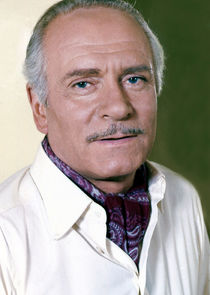 Laurence OlivierNarrator
Recommended by
Band of Brothers, Dad's Army, The Battle of San Pietro, Foyle's War, It Ain't Half Hot Mum, War and Peace of Mind