
Film
Midway
Other titles called Midway: the 1976 film.
Roland Emmerich's 2019 account of the pivotal 1942 naval battle that turned the Pacific War. A spectacle-driven war film balancing intimate character work with large-scale action sequences. Aims for the emotional weight of *Dunkirk* with the scale of *Pearl Harbor*. For viewers seeking WWII drama that doesn't shy from the chaos and cost of combat.
Should you watch it?
Watch it if you love sweeping wartime history told through many point-of-view officers, with dogfights and naval strategy rooms, and you don't mind a big, unsubtle sense of scale.
Skip it if you want characters who feel like more than mission-briefing outlines; the dialogue leans on speeches and the emotional beats can feel stiff and familiar.
What it asks of you: Around two and a quarter hours, with long stretches of planning and cutaways between sky and sea; it wants patience for the briefings before the action arrives.
Not sure? Find tonight's pick in a minute.
If you liked this
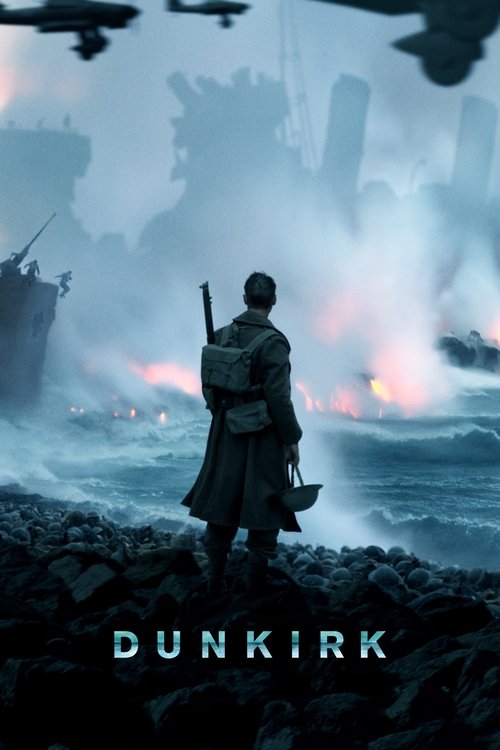
Dunkirk2017
Nolan's fragmented narrative across land, sea, and air creates unbearable tension from a military retreat. Like *Midway*, it's less interested in grand strategy than in the sensory experience of survival and the decisions made in seconds.
But The fractured timeline can feel deliberately obscure. Some find the focus on escape over heroism emotionally cold.
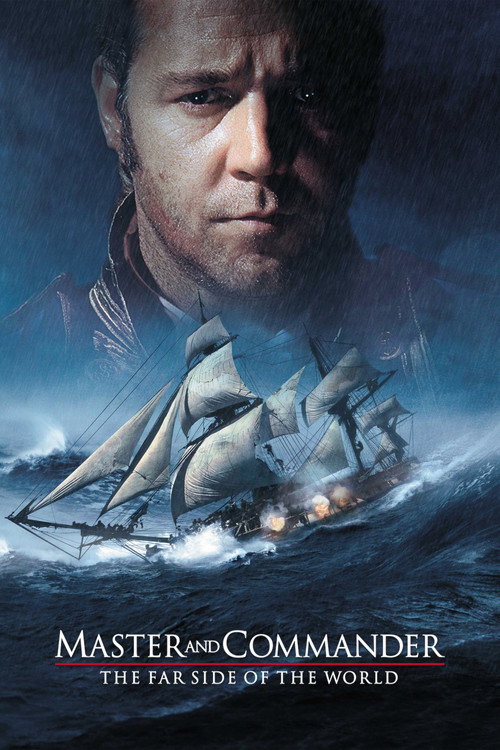
Master and Commander: The Far Side of the World2003
Russell Crowe leads a meticulous naval drama where the battle itself matters less than command decisions, crew dynamics, and the fog of war. Both films understand that warfare is mostly uncertainty and communication.
But Deliberately paced and dialogue-heavy. If you want action-driven spectacle, this will feel slow.
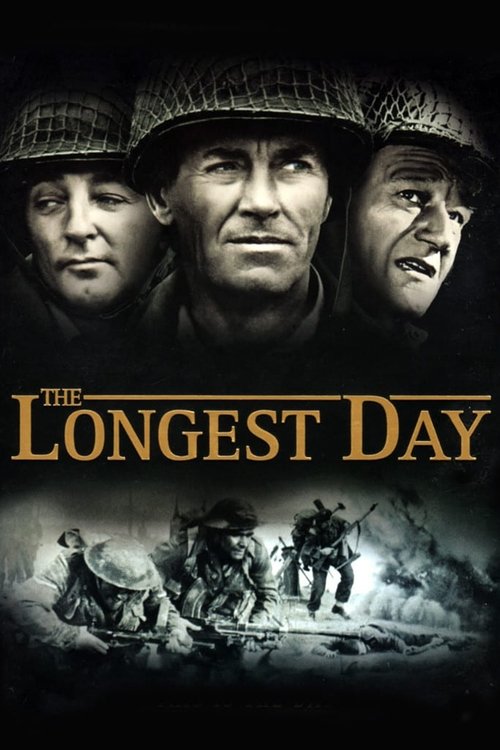
The Longest Day1962
The gold standard for multi-perspective war cinema: D-Day told through scattered viewpoints and competing timelines. Shows how Emmerich's structure choices have deep roots in how we tell large historical battles.
But At nearly three hours with a sprawling cast, it demands patience. Some storylines resolve lightly.
Not sure tonight? Get a pick in a minute, starting from Midway
The wildcard
Something you would not have found on your own.
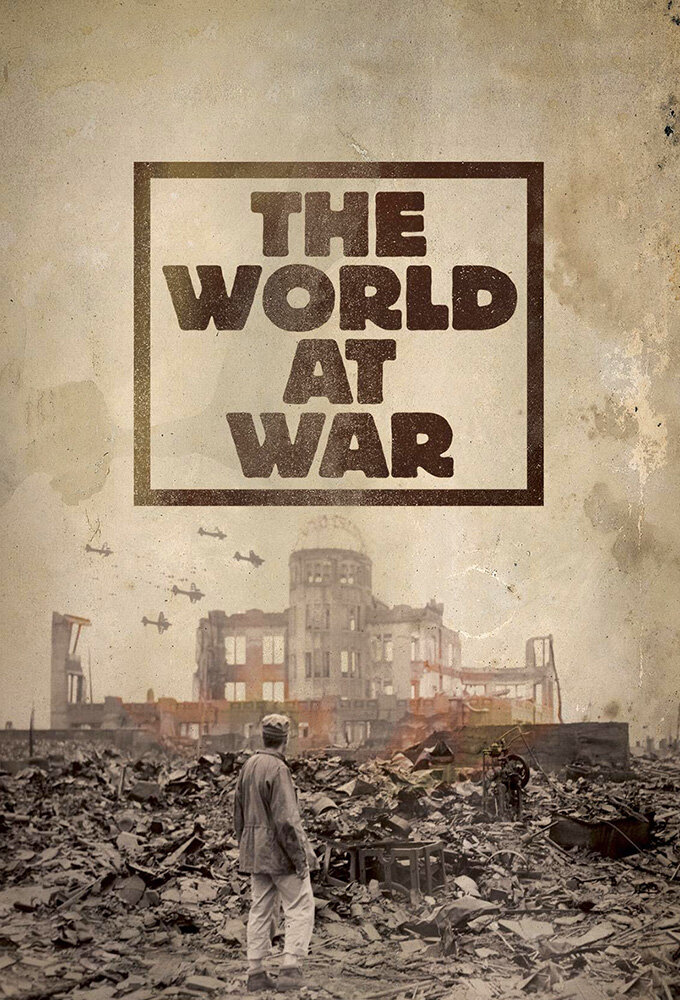
The World at War1973
*Midway* compresses real events into character moments. *The World at War* gives you the actual breadth of what was happening—a perfect partner piece that shows you what Emmerich had to leave out.
Laurence Olivier's narration guides you through a 26-episode documentary series that includes the Pacific War in granular detail. *Midway* dramatizes a moment; this contextualizes it. The same events, the same stakes, explained rather than enacted—utterly gripping.
But Documentary, not drama. No characters to follow, no arc of individual survival. Requires sustained attention across episodes.
More like this (8)
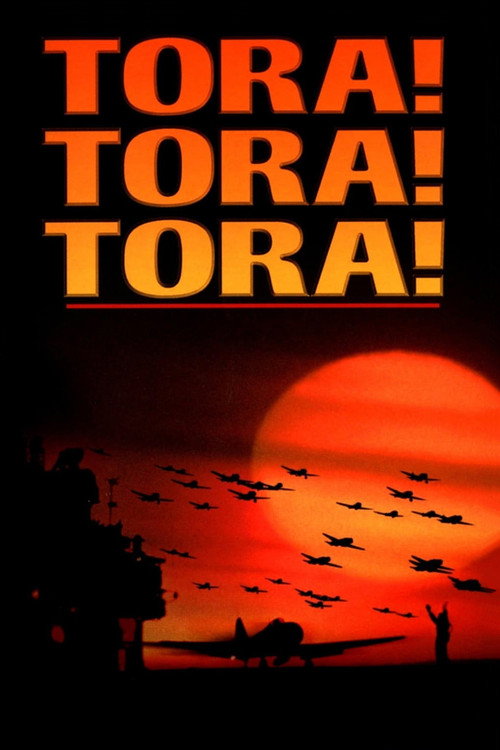
Tora! Tora! Tora!1970
A meticulous account of Pearl Harbor from both American and Japanese perspectives. If *Midway* intrigued you about this era's naval warfare, this predecessor explores the same conflict with surgical attention to detail.
But The 1970 combat effects look dated. The split narrative occasionally makes it feel like two films stitched together.
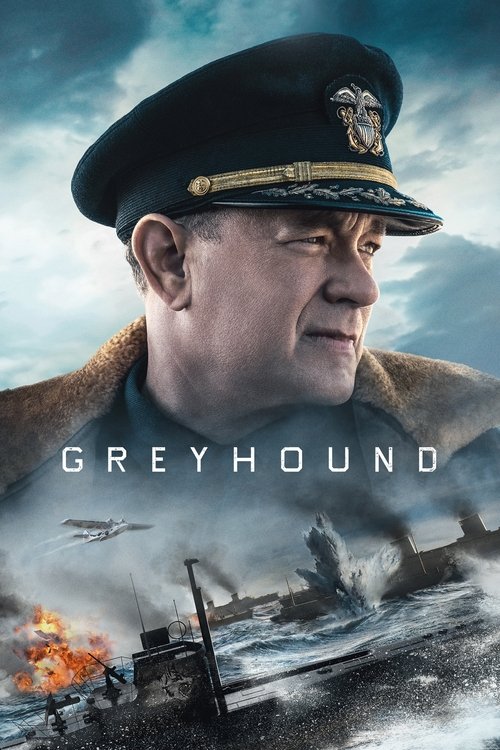
Greyhound2020
Tom Hanks captains a destroyer through a convoy battle in WWII's Atlantic. Tense, efficient, and focused on command under pressure—what *Midway* reaches for but with fewer characters to track.
But Shorter and smaller in scope. Some find the faith elements heavy-handed.
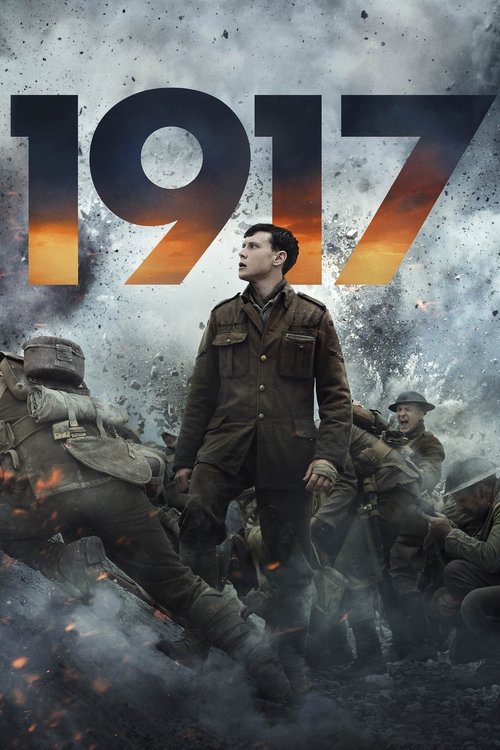
19172019
Shot to appear as one continuous take, it puts you in the body of a soldier navigating consequence in real time. Like *Midway*, it values visceral experience over exposition about the larger war.
But The gimmick of the single take can feel exhausting. Not a battle film—more intimate than *Midway*'s scope.
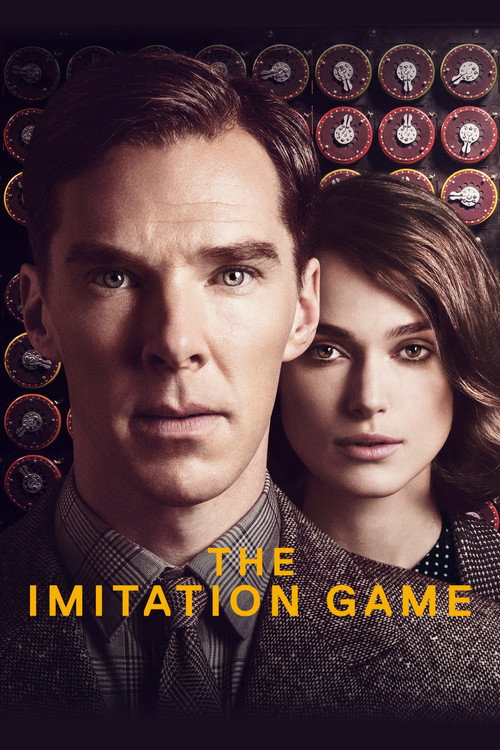
The Imitation Game2014
Cumberbatch as Turing breaking Enigma codes—the intelligence work that directly enabled Midway. Complements *Midway*'s combat focus with the hidden thinking that made American victory possible.
But Biographical drama, not action. Takes liberties with historical fact for narrative shape.
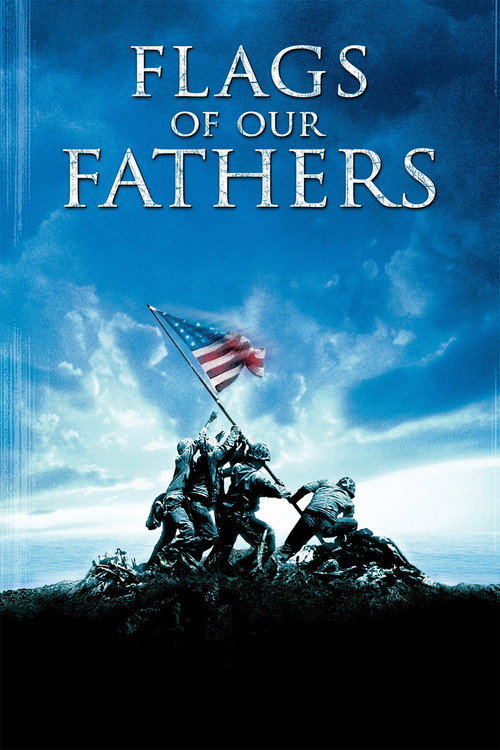
Flags of Our Fathers2006
Eastwood's meditation on Iwo Jima examines how Americans mythologize their wars. A good corrective if *Midway* felt too triumphalist—this asks harder questions about what victory costs and means.
But Deliberately contrarian and elegiac. Audiences expecting rousing heroics find it bleak instead.
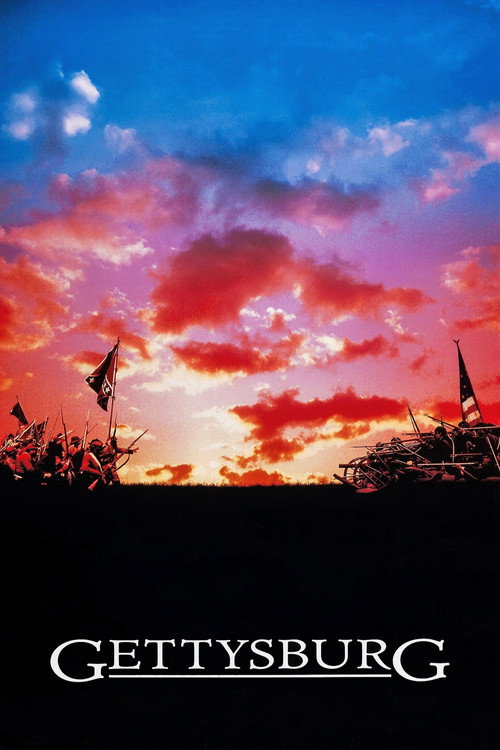
Gettysburg1993
A different war, but Jeff Daniels and Tom Berenger navigate similar terrain: command decisions at scale, intelligence failures, the mathematics of sacrifice. Civil War with the weight *Midway* sometimes reaches for.
But Four hours long. Heavy on strategy and dialogue, light on action. Feels like a think piece.
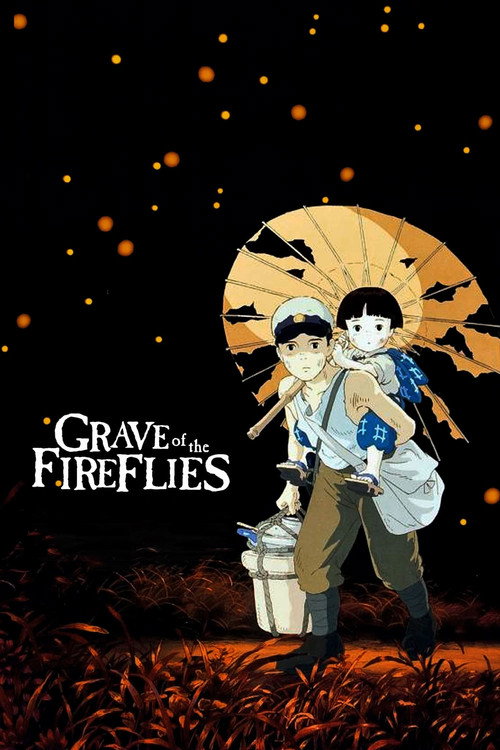
Grave of the Fireflies1988
*Midway* shows naval officers making strategic choices. This shows the civilians those choices were made for and against. It's the necessary shadow version of the same war.
Isao Takahata's animated masterpiece about two Japanese children trying to survive in WWII Japan. Heartbreaking, utterly unsentimental, and told from the perspective *Midway* never considers. One of cinema's great testimonies to war's cost.
But Animated and Japanese. The quiet devastation will destroy you in ways action films cannot. Not cathartic—genuinely tragic.
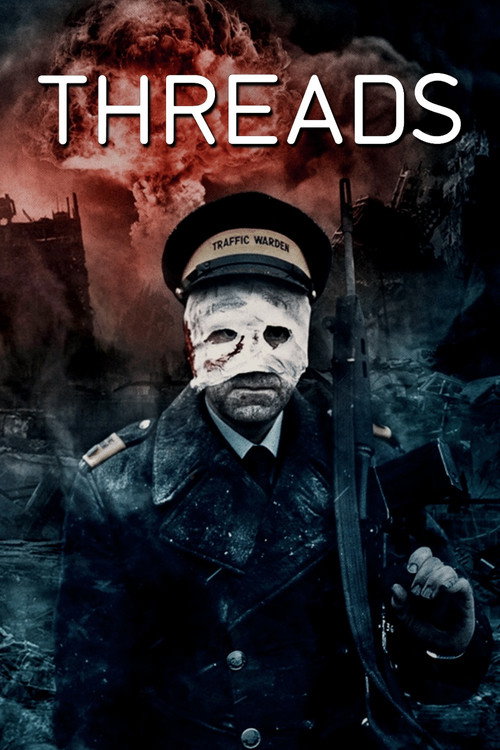
Threads1984
Both are historically grounded accounts of military conflict, but *Threads* is asking what *Midway* cannot: what if that decisive victory didn't change what happened next? It's the anti-triumphalist war film.
A nuclear war docudrama that begins where *Midway*'s confidence ends. Bleak, procedural, British, utterly hypnotic. If you're interested in how wars are won and how they reshape the world afterward, this is the logic carried to its conclusion.
But Graphic depictions of radiation sickness and nuclear winter. Offers no hope. Genuinely difficult to watch and designed to be.
People
Cast
 Ed SkreinLieutenant Richard 'Dick' Best
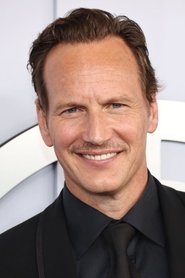 Patrick WilsonRear Admiral Edwin T. Layton
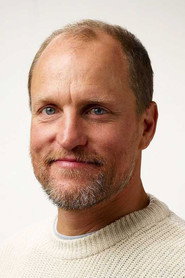 Woody HarrelsonAdmiral Chester W. Nimitz
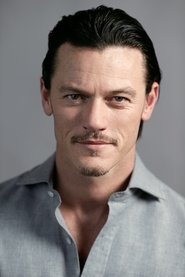 Luke EvansCommander Wade McClusky
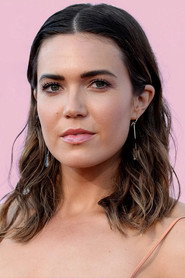 Mandy MooreAnne Best
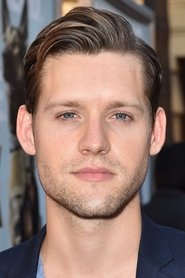 Luke KleintankLieutenant Clarence Earle Dickinson
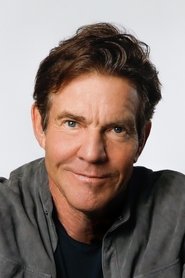 Dennis QuaidVice Admiral William 'Bull' Halsey
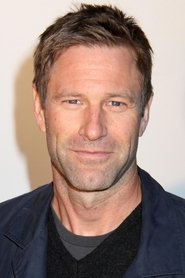 Aaron EckhartLieutenant Colonel Jimmy Doolittle
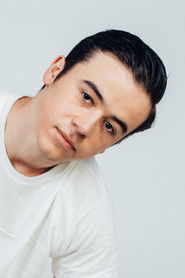 Keean JohnsonChief Aviation Radioman James Murray
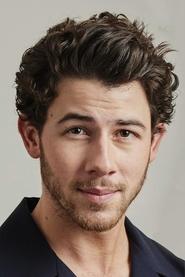 Nick JonasBruno Gaido
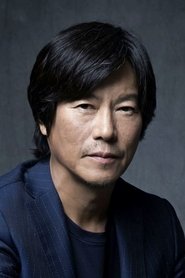 Etsushi ToyokawaAdmiral Isoroku Yamamoto
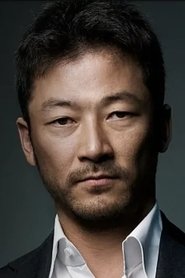 Tadanobu AsanoRear Admiral Tamon Yamaguchi
Directing
- Roland EmmerichDirector
- Bethan MowatFirst Assistant Director
- Martin DoepnerFirst Assistant Director
- Carolina JiménezLayout
- Lorette LeblancScript Supervisor
- Pauline BéraudScript Supervisor
Writing
- Wes TookeScreenplay
Production
- Caitlin McKennaADR Voice Casting
- Daryl Baboulis-GyscekCasting Assistant
- Caitlin WellCasting Associate
- Karen WoodCasting Associate
- Eriko MiyagawaCasting Consultant
- Andrea KenyonCasting Director
- Katie DoyleCasting Director
- Cui RuiCo-Executive Producer
- Alastair BurlinghamExecutive Producer
- Brent O'ConnorExecutive Producer
- Carsten H.W. LorenzExecutive Producer
- Jeffrey Chan Wing-HungExecutive Producer
- Ke LimingExecutive Producer
- Matt JacksonExecutive Producer
- Miguel PalosExecutive Producer
- Peter LuoExecutive Producer
- Stuart FordExecutive Producer
- Wes TookeExecutive Producer
- Yu DongExecutive Producer
- Danny MAlinExtras Casting
- Dustin SnodgrassExtras Casting
- Johanna BautistaExtras Casting
- Marie MedinaExtras Casting Assistant
- Harald KloserProducer
- Mark GordonProducer
- Roland EmmerichProducer
- Andrea Montana KnollProduction Consultant
- Angela LapreteProduction Consultant
- Marie-Helene RoyProduction Coordinator
- Natacha WilliamsTravel Coordinator