
Film
Threads
Threads is a 1984 British docudrama imagining nuclear war hitting Sheffield, following two families before, during and after the strike. Told through flat narration, statistics and grainy realism rather than spectacle, it descends relentlessly into starvation, radiation sickness and the collapse of everything resembling society. Bleak beyond almost anything else made for television — watch it once, not for entertainment.
If you liked this
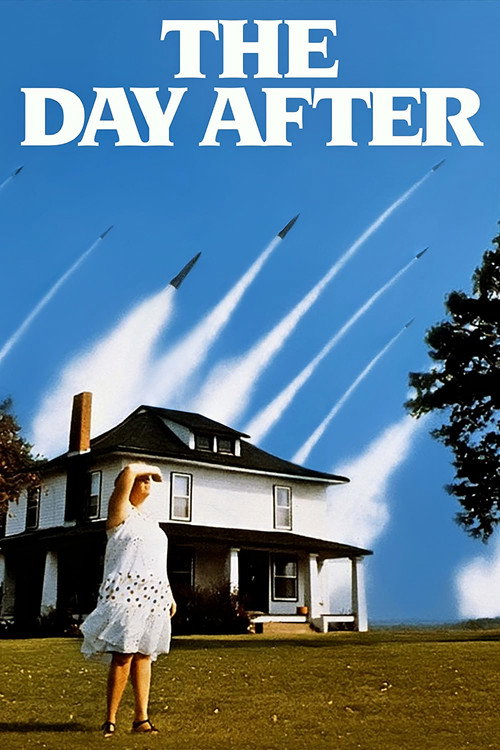
The Day After1983
The American twin to Threads: same premise, bigger budget, slightly more Hollywood hope. It terrified an entire generation on first broadcast and still lands hard.
But Its ending pulls back a little more than Threads ever does — some will find that softness a relief, others a cop-out.
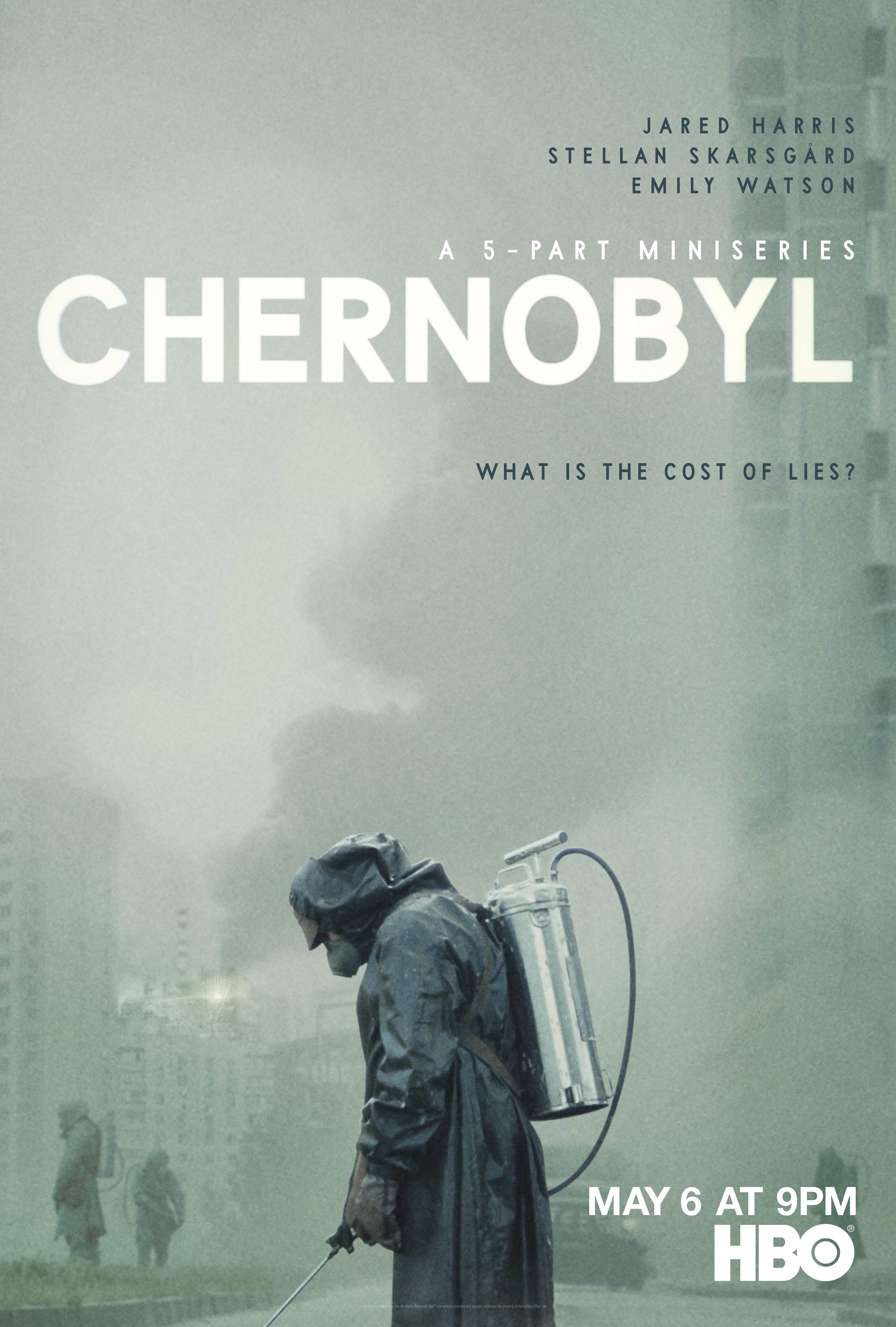
Chernobyl2019
Same dread, same bureaucratic denial, same sense of ordinary lives ground down by something invisible — except this one really happened, which makes it worse.
But Five hours of miniseries commitment, and the horror is institutional rather than domestic, so it's a cooler, more procedural kind of despair.
Testament1983
A quieter American cousin to Threads, told entirely from inside one family's kitchen and living room as the world outside stops mattering. Jane Alexander is devastating.
But It's gentler and more conventionally dramatic than Threads, with music and close-ups doing the work Threads leaves to silence and statistics.
The wildcard
Something you would not have found on your own.
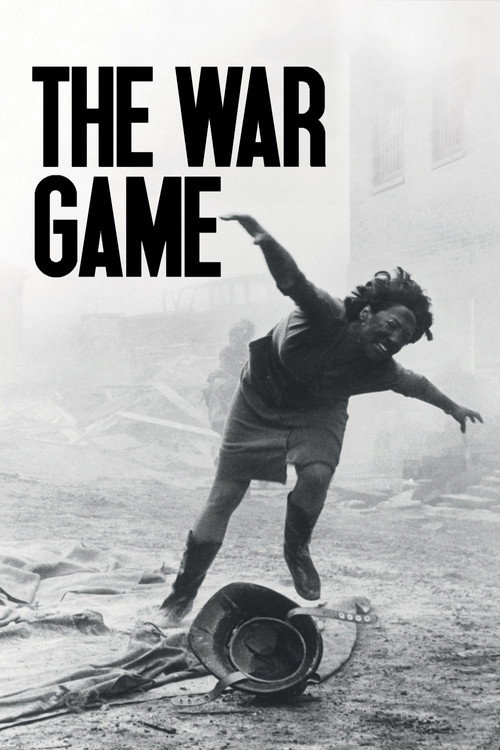
The War Game1966
Threads is a direct descendant: same mockumentary structure, same cold statistical narration, same institutional target. Watching The War Game first shows you where the whole approach was invented, and why the BBC was frightened enough to shelve it.
The film Threads grew out of — a 1965 BBC docudrama so bloodcurdling the corporation banned it from broadcast for twenty years. Same clipboard-and-statistics voice, same refusal to blink.
But It's shorter, cruder and rougher-looking than Threads, made on a fraction of the budget — the shock is in the content, not the polish.
More like this (8)
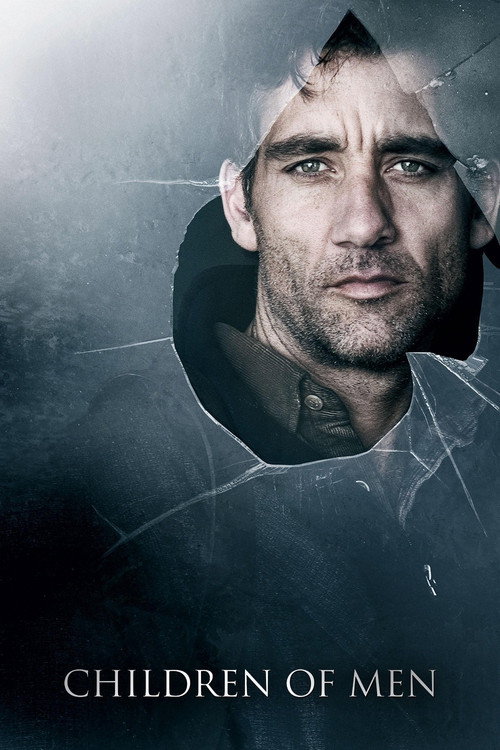
Children of Men2006
Swap fallout for infertility and you get the same slow social unraveling — cities collapsing, refugees fleeing, ordinary decency getting harder to find. Shot beautifully, felt viscerally.
But It's a thriller with a plot to follow and a hero to root for, so the dread is more managed than Threads' flat, hopeless slide.
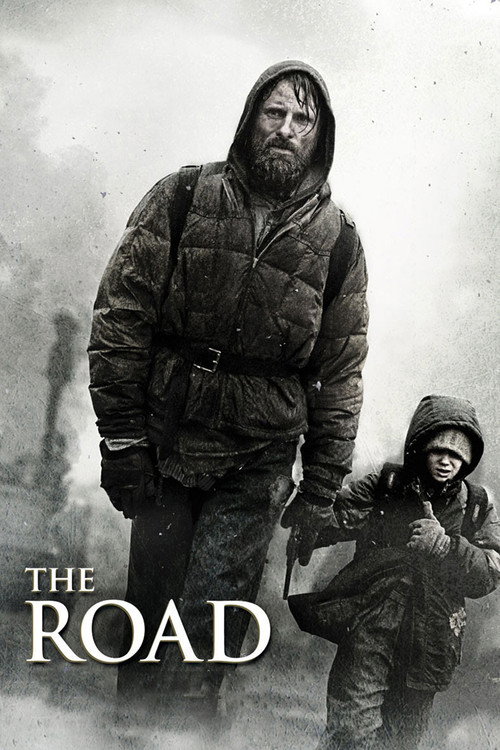
The Road2009
The aftermath Threads only gestures at, stretched into years: a father and son walking through ash, hunger, and the total absence of civilisation.
But It's grim in a different way — intimate and mythic rather than clinical, and its ending offers a shred of warmth Threads refuses.
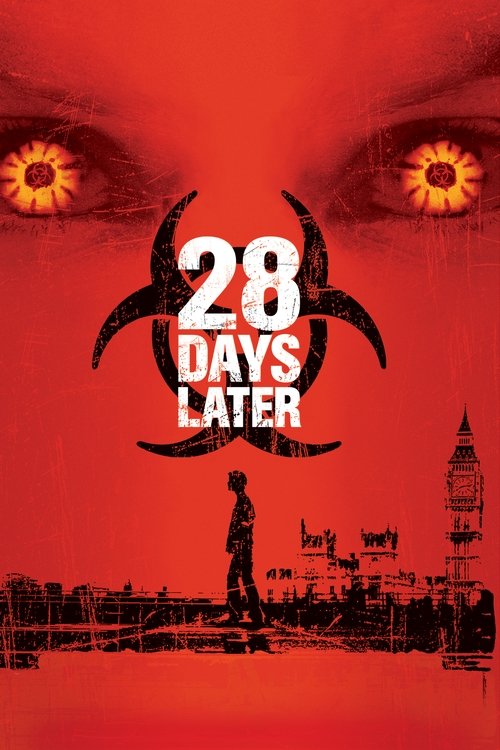
28 Days Later2002
British collapse, empty streets, hollowed-out cities — the texture of societal breakdown is eerily close to Threads, just with a virus standing in for the bomb.
But It's an action-horror film underneath, with sprinting infected and set-pieces, so the tone is faster and far more cinematic than Threads' documentary crawl.
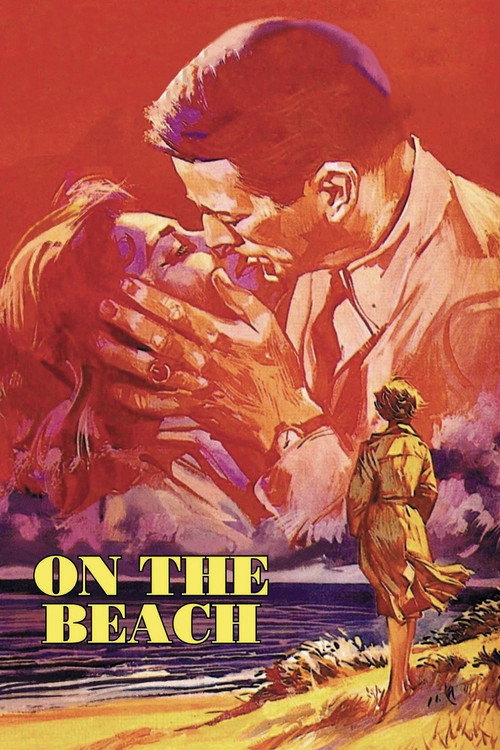
On the Beach1959
The genre's classic — Australians waiting for the radiation to arrive, with nowhere to run. Stately, mournful, and startlingly frank for 1959.
But It's studio-bound and stagey by comparison, with movie stars and swelling strings where Threads gives you grey realism and silence.
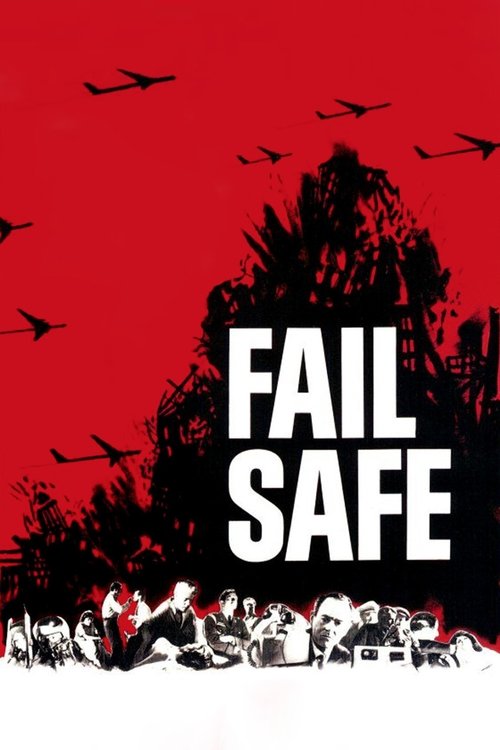
Fail Safe1964
The bomb goes off by accident, not intention, and the film tracks the political machinery trying and failing to stop it in real time. Agonisingly tense.
But It stops at the decision room — you get the terror of the countdown, not the ash and starvation that follow it.
Special Bulletin1983no page yet
A nuclear terrorism story told entirely as a hijacked live news broadcast, anchors and all — an underseen American cousin to Threads' faux-documentary trick.
But It's a made-for-TV curiosity now, harder to find and rougher round the edges, with a far smaller canvas than Threads' civilisational collapse.
When the Wind Blows1986
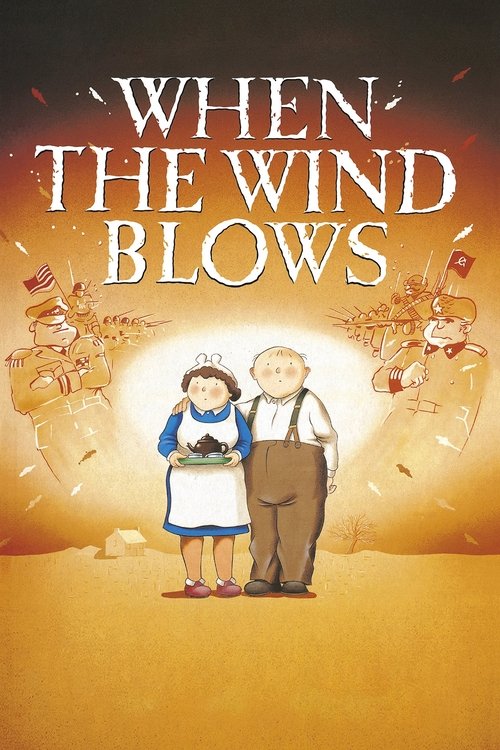
Same fear, same British setting, opposite register: instead of clinical narration you get a doddering, loving old couple who trust the government pamphlets completely. Watching innocence meet radiation is its own devastation, and a companion piece Threads fans rarely find.
An animated film about an elderly English couple prepping for nuclear war with the same cheerful incompetence they'd bring to a picnic. It curdles into something unbearable.
But The soft, storybook animation makes the horror sneak up sideways — if you want Threads' bluntness from the first frame, this will feel too gentle at first.
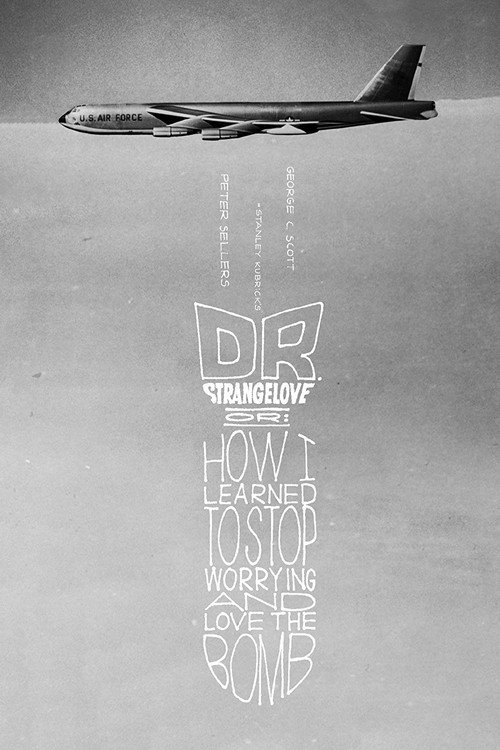
Dr. Strangelove or: How I Learned to Stop Worrying and Love the Bomb1964
Both films argue the same thing: nuclear war as a bureaucratic accident waiting to happen, driven by vanity and procedure rather than evil. Strangelove laughs where Threads grinds your face into it — same diagnosis, opposite bedside manner.
Kubrick's pitch-black comedy about the exact same nightmare — mutual annihilation triggered by human stupidity — played for laughs so bitter they curl your stomach.
But If Threads left you shattered, going straight to jokes about the bomb might feel tasteless rather than cathartic, even though the target is identical.
People
Cast
 Karen MeagherRuth Beckett
 Reece DinsdaleJimmy Kemp
 David BrierlyMr. Kemp
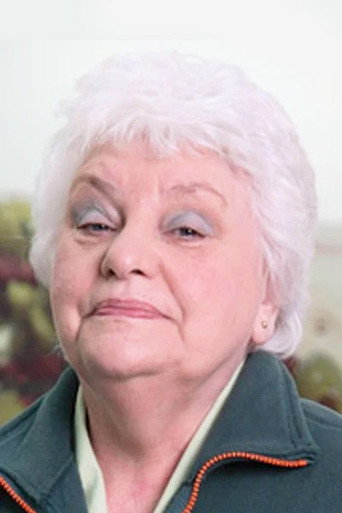 Rita MayMrs. Kemp
 Nicholas LaneMichael Kemp
 Jane HazlegroveAlison Kemp
- Henry MoxonMr Beckett
- June BroughtonMrs Beckett
- Sylvia StokerGranny Beckett
- Harry BeetyClive Sutton
- Ruth HoldenMarjorie Sutton
Directing
- Mick JacksonDirector
Writing
- Barry HinesWriter
Production
- Peter WolfesAssociate Producer
- Graham MasseyExecutive Producer
- John PurdieExecutive Producer
- Mick JacksonProducer
- Jacinta PeelProduction Manager
- Matthew KuipersProduction Manager
Recommended by
Grave of the Fireflies, Dead Set, Come and See, 28 Days Later, The Road, Chernobyl, The China Syndrome, The Walking Dead, Dr. Strangelove or: How I Learned to Stop Worrying and Love the Bomb, The Last of Us, The Day After, War of the Worlds, Shin Godzilla, Testament, When the Wind Blows, Signs, The War Game, Resident Evil, Barefoot Gen, The Day the Earth Caught Fire, Colossus: The Forbin Project, The Atomic Cafe, Them!, White Light/Black Rain: The Destruction of Hiroshima and Nagasaki, Mad Max 2