
Film
The Defection of Simas Kudirka
A 1978 TV film about a Lithuanian seaman's desperate 1970 bid for asylum in America—and the bureaucratic nightmare that follows when he's denied and returned to Soviet punishment. Alan Arkin carries the anguish of a man caught between superpowers, trapped by paperwork and Cold War politics. It's tight, furious, and built on the kind of true story that makes you want to throw things.
If you liked this
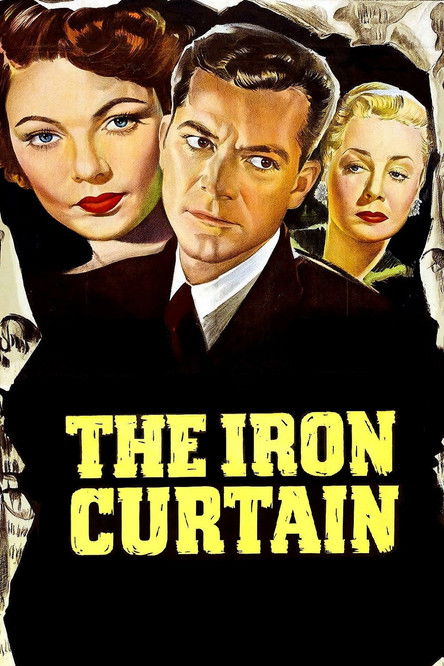
The Iron Curtain1948
A pioneering Cold War thriller about a Soviet defector that echoes Kudirka's desperation. Dana Andrews and Gene Tierney navigate espionage and exile with the brittle intensity of people living through genuine historical terror.
But The 1948 filmmaking feels distant; pacing is slower than modern audiences expect, and some dramatic beats land heavy-handed.
Three Days of the Condor1975
Robert Redford on the run from American intelligence, hunted by his own government. The paranoia and moral vertigo mirror Kudirka's powerlessness—except here the machinery grinding him is his own country's.
But The spy-thriller machinery sometimes overwhelms the intimate betrayal at its core. Some plot threads feel secondary to Redford's charm.

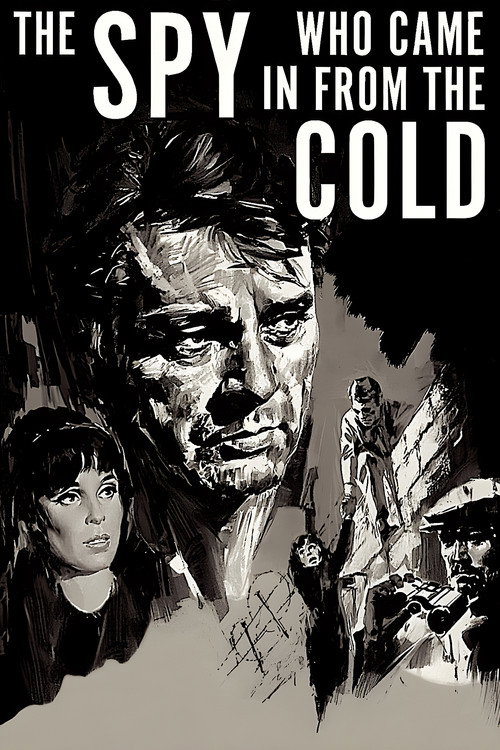
The Spy Who Came In from the Cold1965
le Carré's bleak masterpiece: a real defection through the meat grinder of Cold War espionage. Richard Burton's worn-down spy captures the exhaustion Kudirka must have felt—no glory, just survival and compromise.
But It's deliberately unglamorous and slow. There's no hero moment. If you want thrills, this rewards patience instead.
Not sure tonight? Get a pick in a minute, starting from The Defection of Simas Kudirka
The wildcard
Something you would not have found on your own.
Come and See1985
Both are Eastern European examinations of state power grinding the powerless. Both refuse sentiment. Both use cinema as a form of witnessing.
Elem Klimov's Soviet masterpiece about a boy in WWII Belarus. Not about defection but about the machinery of state terror—how it conscripts innocents, crushes hope, and turns humans into instruments. The documentary force and moral rage are Kudirka's exact register.
But Genuinely one of the most harrowing films ever made. Graphic violence. It's not entertainment; it's testimony. Some people should not watch it.

More like this (8)
Threads1984
A British nuclear-war film with Kudirka's documentary harshness and moral weight. It shows systems—bureaucratic, military, governmental—grinding human beings into dust with bureaucratic indifference.
But Genuinely devastating and bleak. The realism is sometimes difficult to sit through. It's punishing in a way that demands emotional surrender.

The Trial1962
Orson Welles adapts Kafka's nightmare of bureaucratic entrapment. K's powerlessness before an inexplicable system mirrors Kudirka's exactly—arrested by paperwork, condemned by silence, guilty of nothing but circumstance.
But Deliberately surreal and disorienting. If you want clear narrative or answers, Welles refuses to provide them.

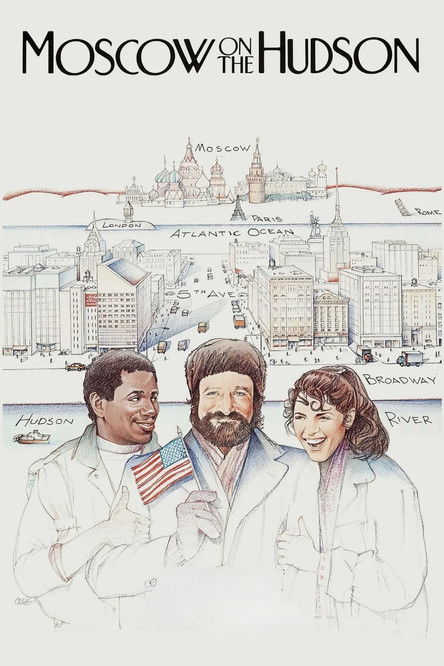
Moscow on the Hudson1984
Robin Williams as a Soviet defector who escapes to New York with only his humanity intact. It's lighter than Kudirka but hits the same nerve: what does it cost to choose freedom, and what does America actually offer?
But Tonally uneven—it wants to be both comedy and tragedy, and sometimes feels caught between them. Sentimentality threatens to overtake the political edge.
The Lives of Others2006
A Stasi surveillance officer watching an artist becomes complicit in a quiet form of defection. The moral architecture is Kafkaesque: how do you survive when the system is inside your own head?
But Methodical and slow-burn. Some viewers find the political allegory more interesting than the human story. Subtitled.

Stalker1979
Tarkovsky's meditative Soviet film about a guide leading people through a mysterious zone toward impossible wishes. Like Kudirka, it's about reaching for something just beyond the border and finding the journey itself is the trap.
But It's visually hypnotic but narratively minimal. Nearly three hours. Requires surrender. If you need plot momentum, this will frustrate you.

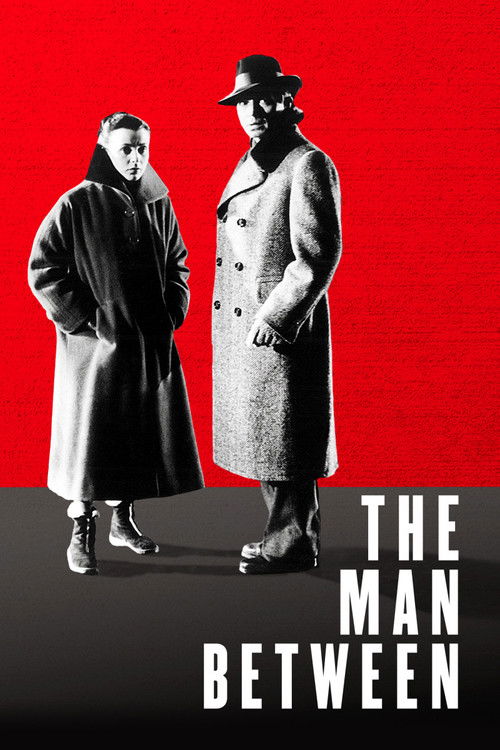
The Man Between1953
Carol Reed's noir about divided Berlin, with James Mason navigating the cracks between East and West. Smaller and less famous than it deserves, it captures the claustrophobic moral geography of the divided world.
But Obscure even among Cold War films. The pacing is patient to the point of opacity. It rewards attention but doesn't demand it.
Resurrection2014
It completes Kudirka's story thematically: the defection is the beginning, not the climax. Resurrection asks what liberty actually means once you have it.
An NBC miniseries about Soviet gulag survivors and Russian emigrés rebuilding lives in America—contemporary to Kudirka's release, cast including Ellen Burstyn. It's exactly the companion piece: what happens after the border crossing, when freedom turns out to require its own survival.
But Made for 1979 television, which means some dramatic choices feel dated. As a miniseries, it requires commitment. Harder to find than theatrical films.

The Man with the Golden Arm1955
Both films understand that the real antagonist isn't a person or a country—it's the machinery itself. Both trap their heroes inside systems designed to crush them.
Otto Preminger's gritty portrait of Frank Sinatra as a junkie trying to escape his past in Chicago. Not political, but structurally identical to Kudirka: a man imprisoned by circumstance, trapped by systems larger than himself, fighting bureaucracy and moral judgment at every turn.
But It's about addiction and petty crime, not Cold War politics. The tonal shift away from geopolitics toward street-level desperation might feel like a left turn.

People
Cast
 Alan ArkinSimas Kudirka
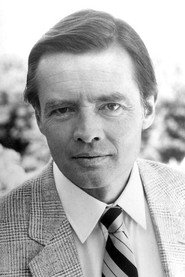 Richard JordanCmdr. Edward Devon
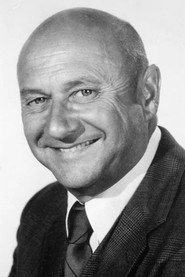 Donald PleasenceCapt. Vladimir Popov
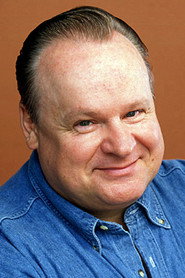 George DzundzaGruzauskas
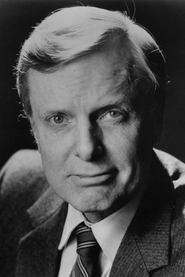 John McMartinPhillip Chadway
 Shirley KnightGenna Kudirka
- Marvin SilbersherCmdr. Burkalis
- Peter EvansMott
 Ted ShackelfordBlain
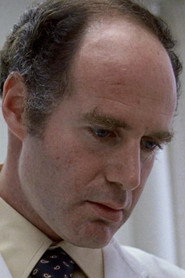 Barton HeymanDr. Paegle
 Jack BlessingKabek
 Nicholas GuestBaltrunar
Directing
- David Lowell RichDirector
Writing
- Bruce FeldmanWriter
Production
- Gerald I. IsenbergExecutive Producer
- Gerald W. AbramsExecutive Producer
- Richard BriggsProducer