
Film
The Trial
Welles' Kafka adaptation is less a courtroom drama than a fever dream: Anthony Perkins scurries through cavernous, half-built sets while faceless officials shrug at his guilt. It's expressionist, disorienting, occasionally very funny in a horrible way. Watch it for atmosphere and dread rather than plot logic — this is cinema as anxiety attack, gorgeously photographed.
If you liked this
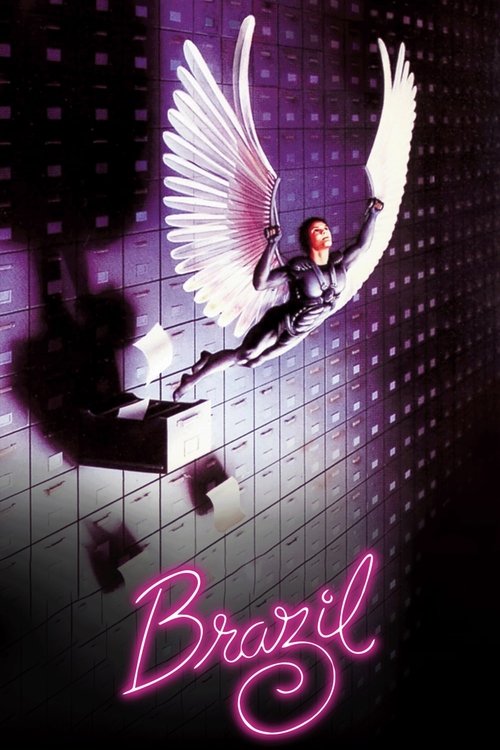
Brazil1985
Gilliam's dystopia shares The Trial's DNA exactly — a small man crushed by paperwork, architecture that mocks human scale, and bureaucracy as a form of horror comedy. Funnier, but just as claustrophobic.
But The manic visual density and slapstick tone can feel exhausting if you wanted something more austere.
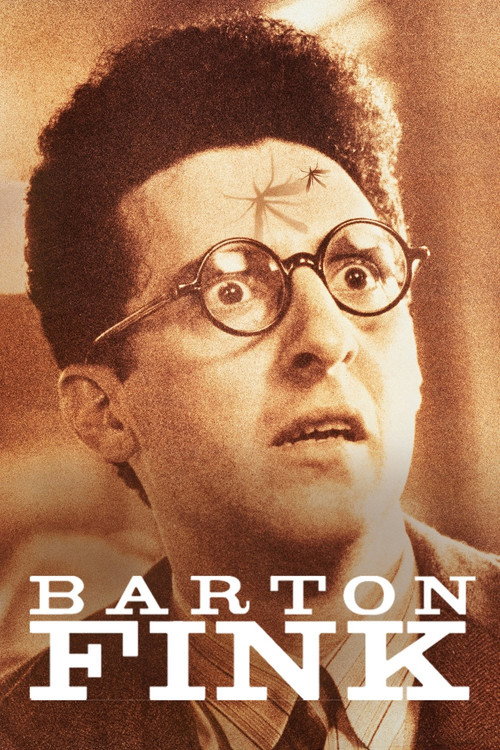
Barton Fink1991
A writer trapped in a hotel that seems to be actively hostile to him, sinking deeper into a paranoid maze with no clear villain. Same nightmare logic, Coen brothers' dry wit instead of Kafka's dread.
But Deliberately opaque ending; if you needed answers from The Trial, you won't get them here either.
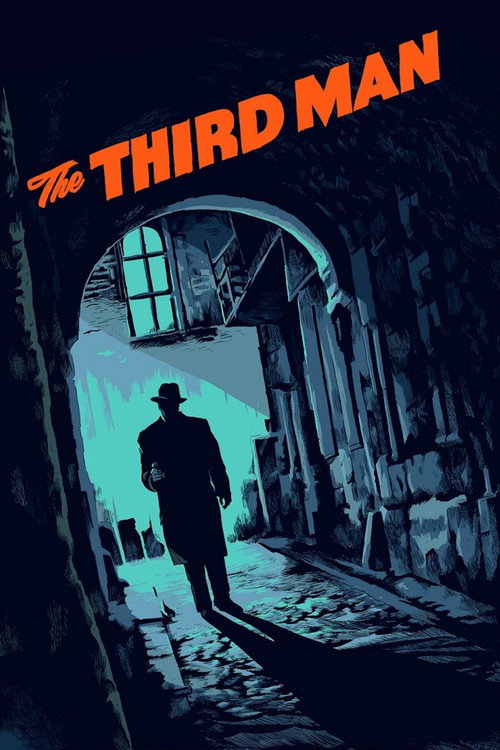
The Third Man1949
Welles in front of the camera this time, in a shadow-drenched postwar Vienna where nothing is quite what it seems. Same expressionist nerve, same sense of a world rigged against the ordinary man.
But It's a more conventional noir thriller — less abstract, more plot-driven, if you wanted pure disorientation.
The wildcard
Something you would not have found on your own.
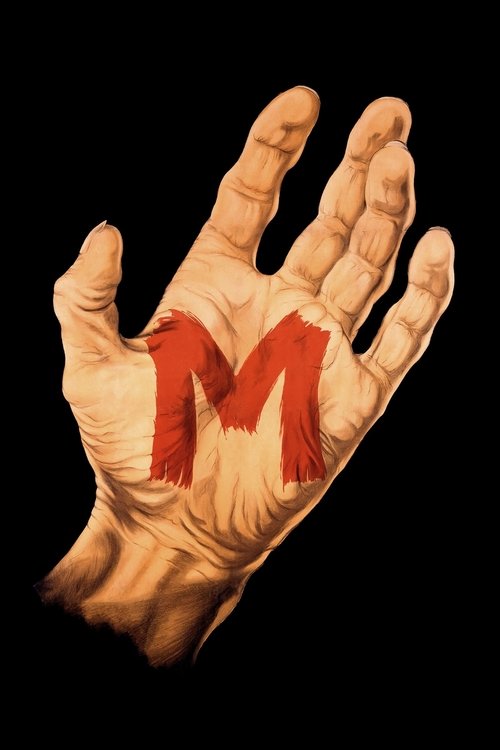
M1931
Same German expressionist bloodline as Welles' visual language, and the same unsettling idea that guilt gets decided by crowds and institutions long before any court does.
Fritz Lang's silent-era-adjacent thriller about a child murderer hunted by both police and criminal underworld got there first — expressionist shadows, mob justice, and a society more interested in punishment than truth.
But It's nearly a century old, silent-adjacent in style, and the moral question it poses is darker and less ambiguous than Kafka's.
More like this (8)
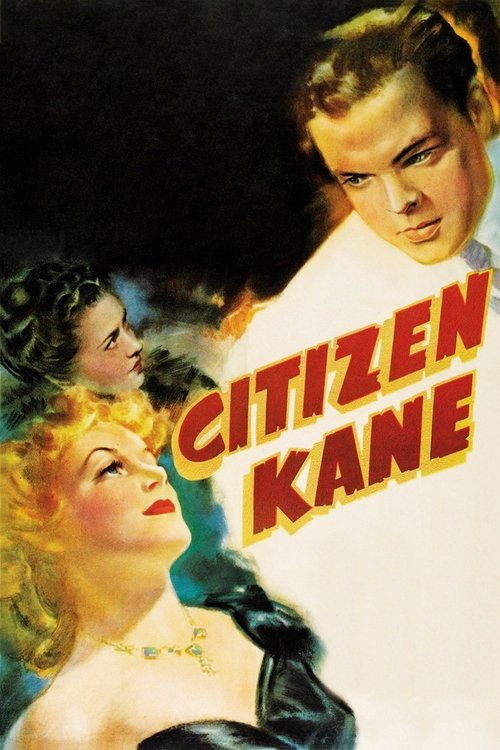
Citizen Kane1941
Welles' visual signature — deep focus, looming ceilings, faces swallowed by shadow — is all over The Trial. See where that grammar of unease began, on a man who's unknowable rather than accused.
But It's a biographical mystery, not a paranoid nightmare; the tone is elegiac rather than suffocating.
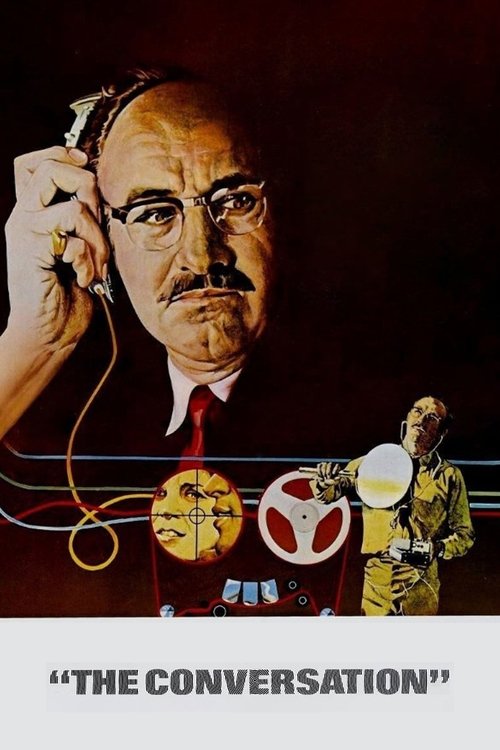
The Conversation1974
A quieter, more modern paranoia: a surveillance expert slowly unraveling under the weight of a system he can't see the edges of. Gene Hackman's stillness makes the dread land differently but just as hard.
But Slow-burn and interior — little of The Trial's visual excess, much more silence and suggestion.
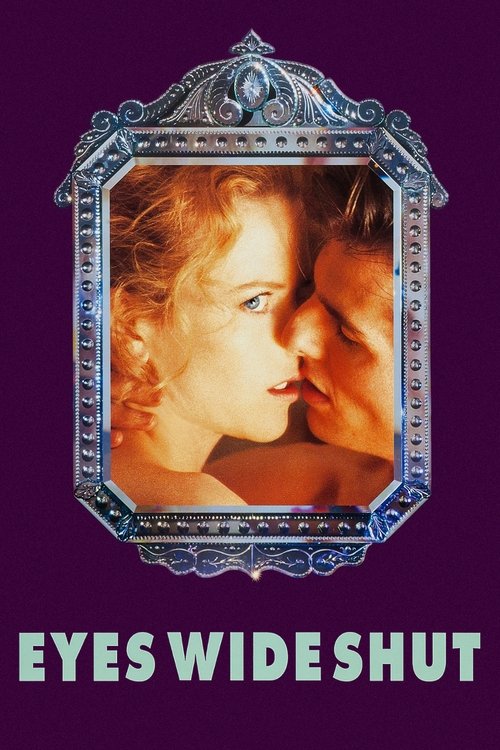
Eyes Wide Shut1999
Kubrick's fever dream of a man wandering into a world of masked authority and unspoken rules he can't decode. Same sense of being an outsider in your own life, watched by forces that never explain themselves.
But Glacial pacing and heavy symbolism; it rewards patience more than immediate gratification.
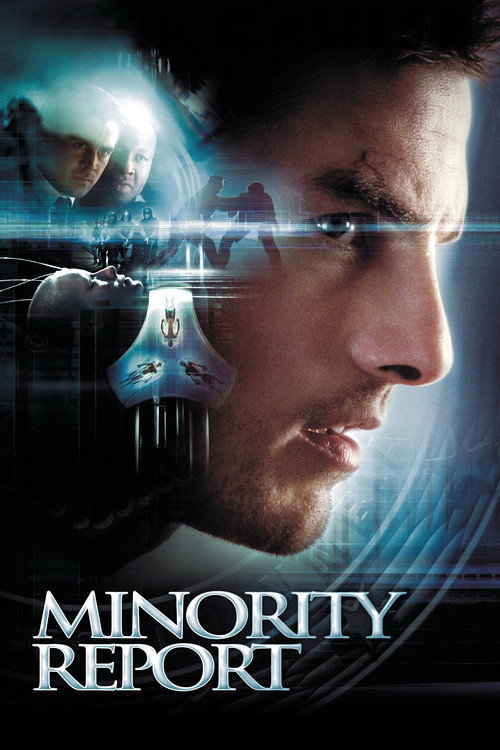
Minority Report2002
A slicker, blockbuster take on guilt determined before the fact — a man running from a justice system that's already decided he's guilty. Spielberg gives Kafka's nightmare a chase scene and neon lighting.
But Resolves far more neatly than Kafka ever would; the ending offers comfort The Trial refuses.
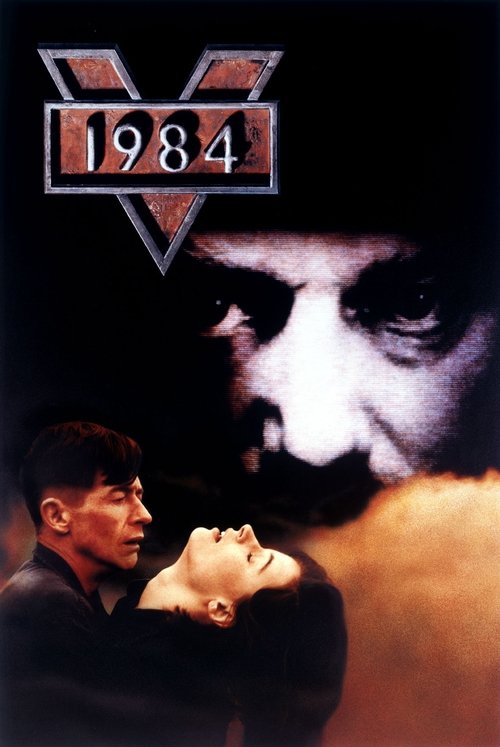
Nineteen Eighty-Four1984
State power as an unanswerable force, a man ground down by a system that rewrites reality itself. Bleaker and more literal than Welles' film, but it shares the same suffocating architecture of control.
But Relentlessly grim with none of The Trial's dark humor — a much harder, colder watch.
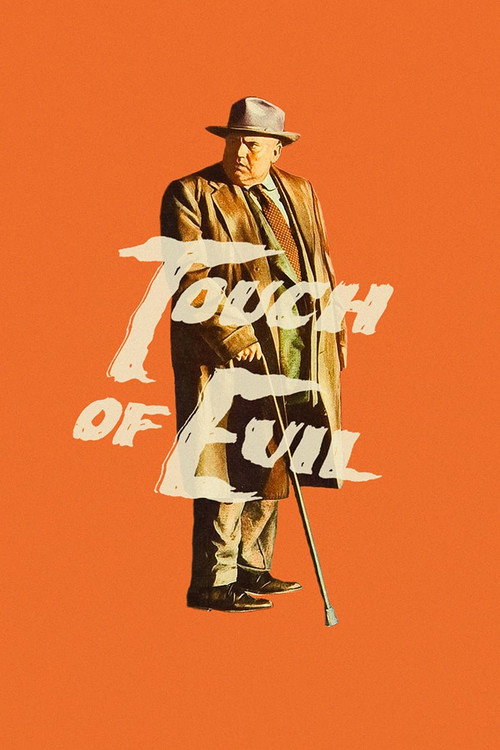
Touch of Evil1958
Welles again, this time directing himself as a corrupt cop in a border town where the law is whatever power decides it is. Same distorted angles, same rot beneath official authority.
But It's pulpier noir with a clear villain — less existential, more of a straightforward corruption thriller.
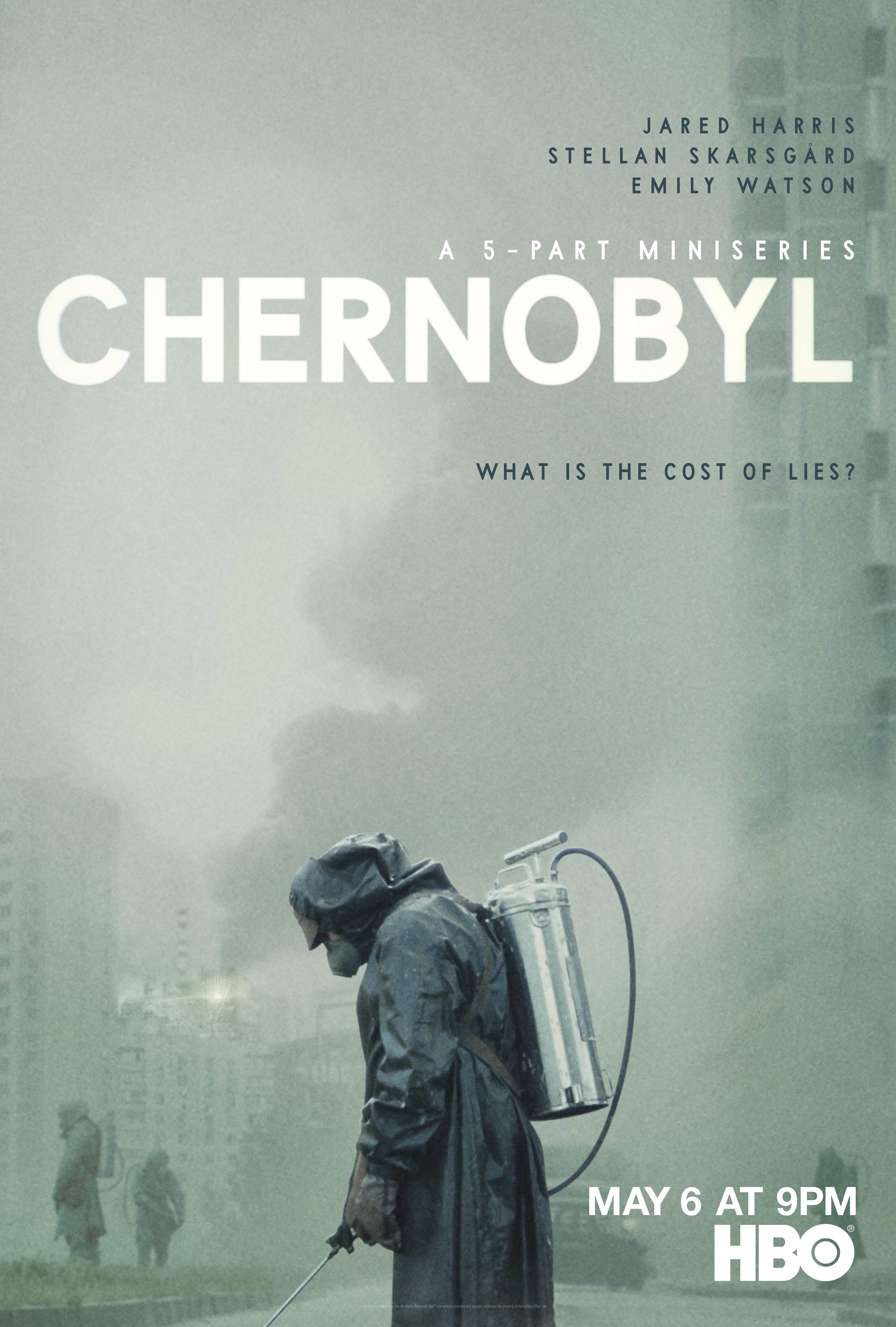
Chernobyl2019
Swaps Kafka's abstract nightmare for a true one: the same faceless, self-protecting machinery, except here the stakes are radiation instead of guilt, and the shrugging officials are historical fact.
A miniseries about a bureaucracy so committed to self-preservation it lies about a nuclear disaster in real time — officials shrugging at catastrophe with the same bland, terrifying indifference Josef K. faces from his accusers.
But It's based on a true catastrophe, so the dread is grounded in real horror rather than surreal metaphor — a heavier, sadder watch.
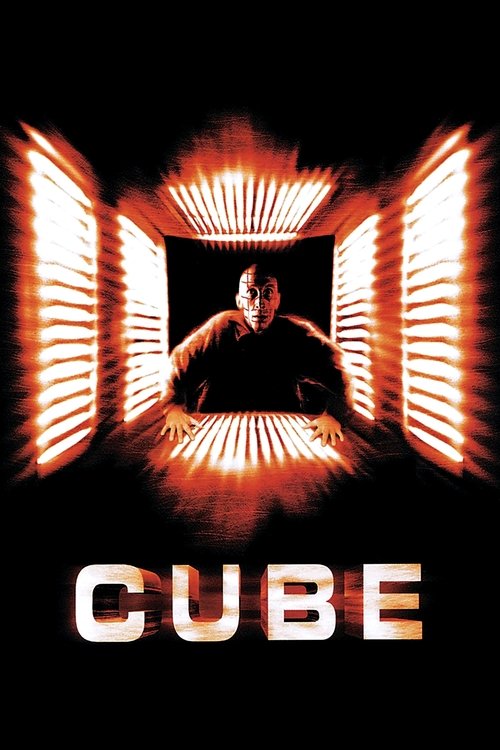
Cube1998
Takes the exact structural idea — arbitrary imprisonment, no visible authority, a system indifferent to the people caught inside it — and rebuilds it as pulp horror instead of arthouse dread.
Strangers wake up trapped in a shifting geometric maze with no explanation for how they got there or who's responsible — Kafka's plot stripped down and reassembled as low-budget sci-fi horror.
But Cheap effects and thin characters; it trades Welles' visual grandeur for claustrophobic genre efficiency.
People
Cast
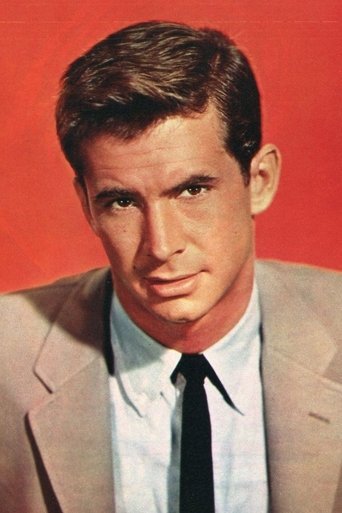 Anthony PerkinsJosef K.
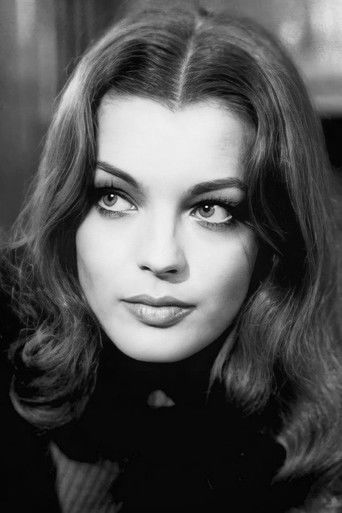 Romy SchneiderLeni
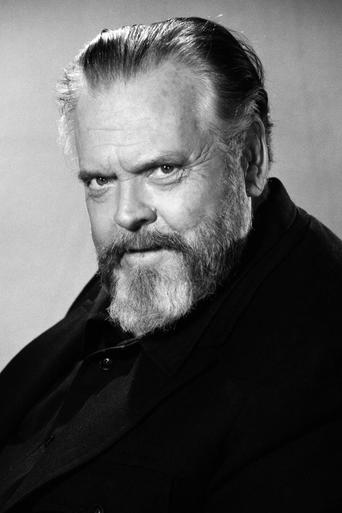 Orson WellesAlbert Hastler
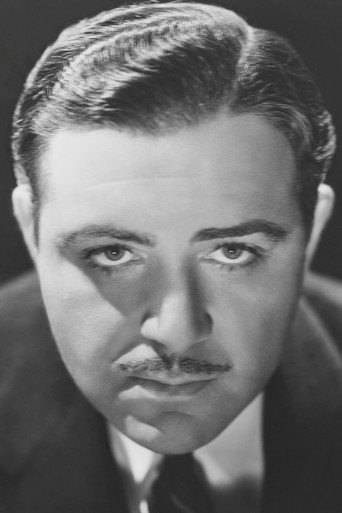 Akim TamiroffBloch
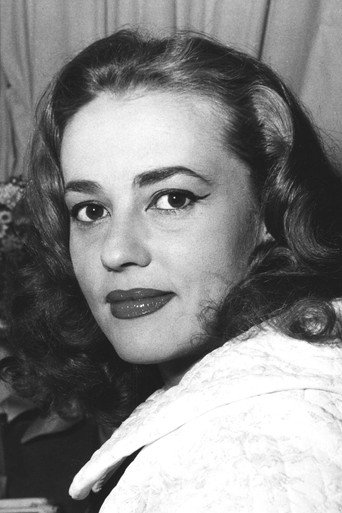 Jeanne MoreauMarika Burstner
 Elsa MartinelliHilda
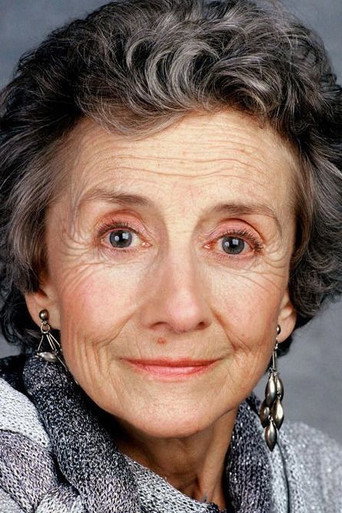 Suzanne FlonMiss Pittl
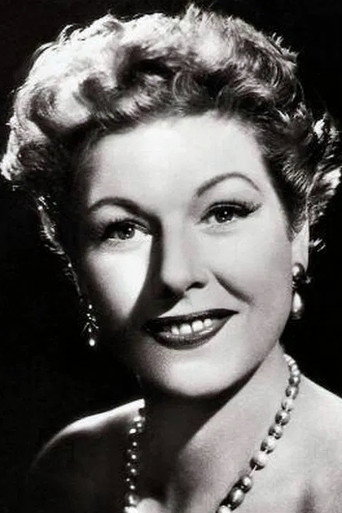 Madeleine RobinsonMrs. Grubach
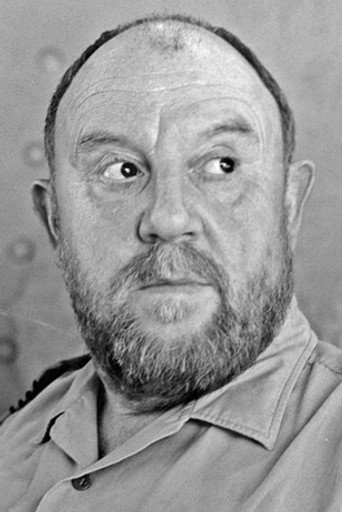 Max HauflerUncle Max
- Max BuchsbaumExamining Magistrate
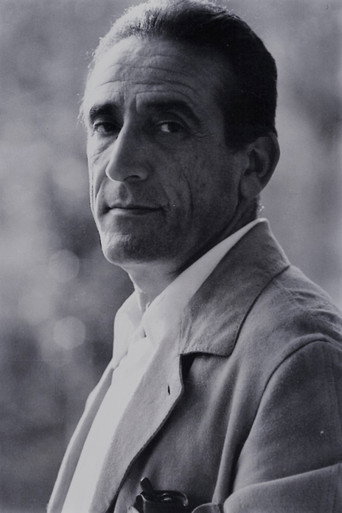 Arnoldo FoàInspector A
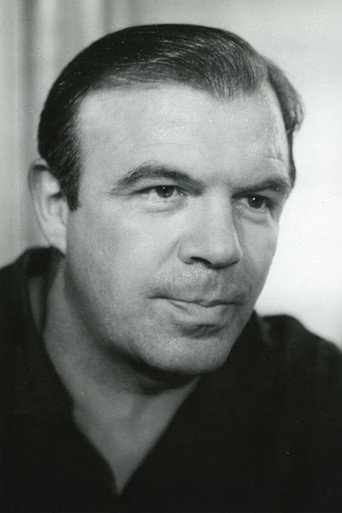 Jess HahnAssistant Inspector #2
Directing
- Marc MauretteAssistant Director
- Paul SebanAssistant Director
- Sophie BeckerAssistant Director
- Orson WellesDirector
Writing
- Pierre CholotAdaptation
- Franz KafkaNovel
- Orson WellesScreenplay
Production
- Emile BlondéAssistant Unit Manager
- Philippe DubailAssistant Unit Manager
- Guy MauginLocation Manager
- Alexander SalkindProducer
- Michael SalkindProducer
- Paul LaffargueProduction Director
- Robert FloratProduction Manager
- Jacques PignierUnit Manager
Recommended by
Brazil, Barton Fink, Witness for the Prosecution, After Hours, Inherit the Wind, The Waiting Room, Nineteen Eighty-Four, .hack//SIGN