
Film
Milada
A 2017 biographical drama about Milada Horáková, a Czech politician who resisted communism and became one of the regime's first victims. It's a serious, focused portrait of moral courage under totalitarianism, told through her arrest, trial, and the impact on her family. For anyone drawn to stories of principled resistance and historical injustice.
Should you watch it?
Watch it if you want a courtroom drama built on moral stubbornness, where a single woman's refusal to bend carries the whole film and the history feels personal rather than lectured at you.
Skip it if you need brisk pacing or an easy emotional release, since much of the running time is spent in tense, airless interrogation and trial scenes with little room to breathe.
What it asks of you: Settle in for a little over two hours of mostly confined, measured scenes, with the weight building slowly and the mood staying grave and heavy throughout.
Not sure? Find tonight's pick in a minute.
If you liked this
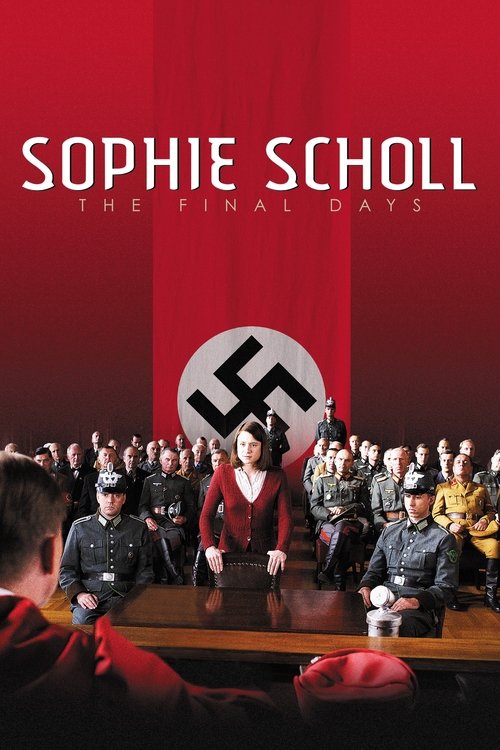
Sophie Scholl: The Final Days2005
A masterclass in dramatising resistance to tyranny. Like Milada, it centres a woman's defiance during interrogation and trial, with unbearable emotional clarity and no false heroics.
But The outcome is known from the start, which some find claustrophobic rather than tragic. Deliberately austere filmmaking—no comfort offered.
Spotlight2015
Both films share a quiet, methodical focus on people pursuing truth against institutional power. Ensemble cast, careful pacing, the satisfaction of watching good people do difficult work.
But More procedural than dramatic. If you need momentum or big emotional scenes, the slow accumulation might feel thin.

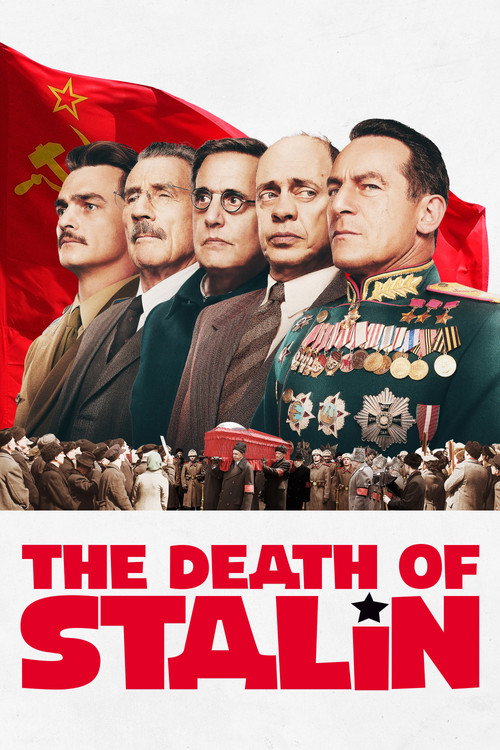
The Death of Stalin2017
Released the same year, it's another Eastern European examination of communist terror and political machination. Darkly funny where Milada is grave, but equally intelligent about power and survival.
But The satire and absurdism might undercut the seriousness you came for. Different tonal register entirely.
Not sure tonight? Get a pick in a minute, starting from Milada
The wildcard
Something you would not have found on your own.
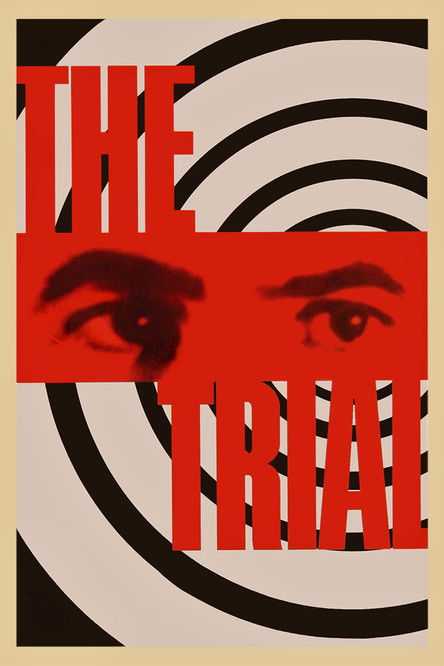
The Trial1962
Both dramatise the nightmare of totalitarian justice—where the trial is theatre designed to prove a predetermined conclusion. Welles shows the absurdist logic; Milada shows its human cost.
Kafka adapted by Orson Welles. A man trapped in an incomprehensible legal system, accused of unnamed crimes, unable to access the logic by which he's being judged. It's the blueprint for understanding Milada's show trial.
But Surreal, deliberately disorienting, and you're never given the solid ground of conventional narrative. Shot in stark black-and-white. Demands active watching.
More like this (8)
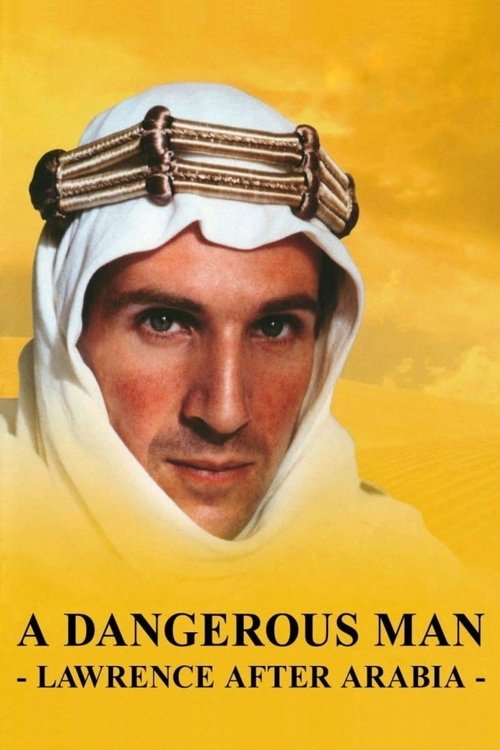
A Dangerous Man: Lawrence After Arabia1992
Another portrait of a principled figure resisting institutional pressure and political betrayal. Slower, meditative, interested in the cost of integrity rather than action.
But Made for TV in the 1990s, which shows. Takes its time to a point that feels indulgent to some viewers.
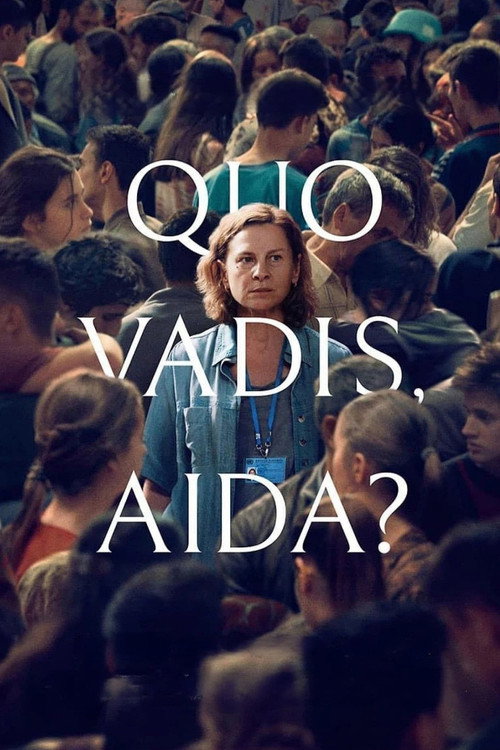
Quo Vadis, Aida?2021
A more recent Balkan drama about a woman witnessing and trying to prevent atrocity within a specific historical moment. Raw, angry, and structurally inventive.
But It's gruelling. The helplessness is the point, which makes it harder to sit with than a conventional narrative of resistance.
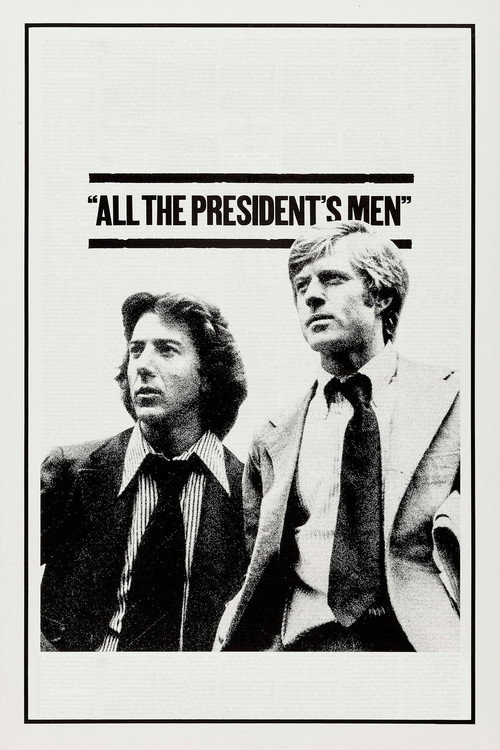
All the President's Men1976
The template for intelligent political drama. Two journalists systematically uncovering the truth. Methodical, gripping, about institutions and power rather than spectacle.
But Slightly dated in style and pacing. The investigative rhythm won't satisfy anyone wanting plot momentum.
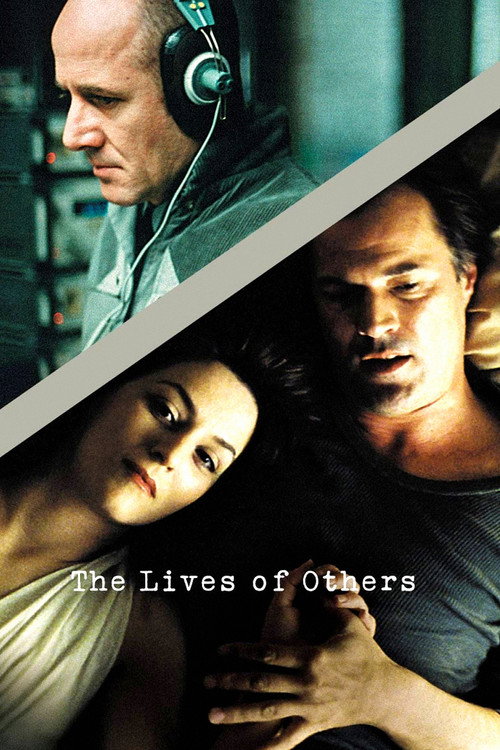
The Lives of Others2006
East German surveillance state, moral awakening under oppression, the slow recognition of complicity. Tense and intimate, with an ending that earns its weight.
But The spy-thriller framework can feel convenient compared to the quieter moral questions. Some find the redemptive arc too neat.
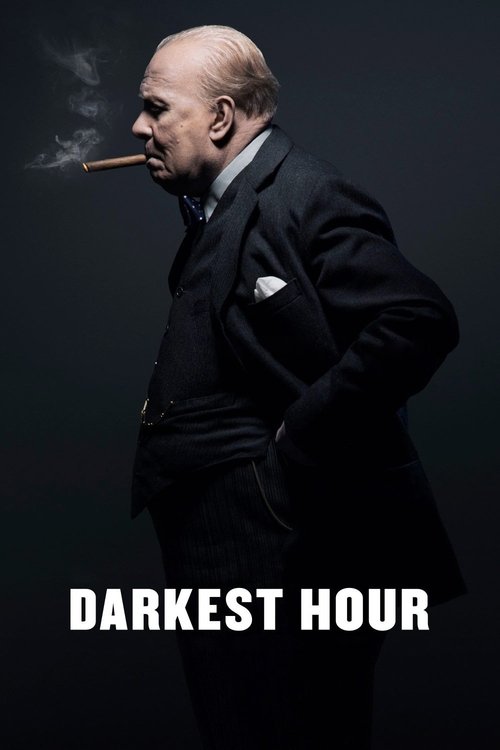
Darkest Hour2017
Another 2017 film about a leader choosing principle over pragmatism during existential threat. Gripping historical drama with a charismatic central performance.
But Churchill is a sympathetic figure making hard choices; Milada is a victim of injustice. Very different emotional stakes despite surface similarity.
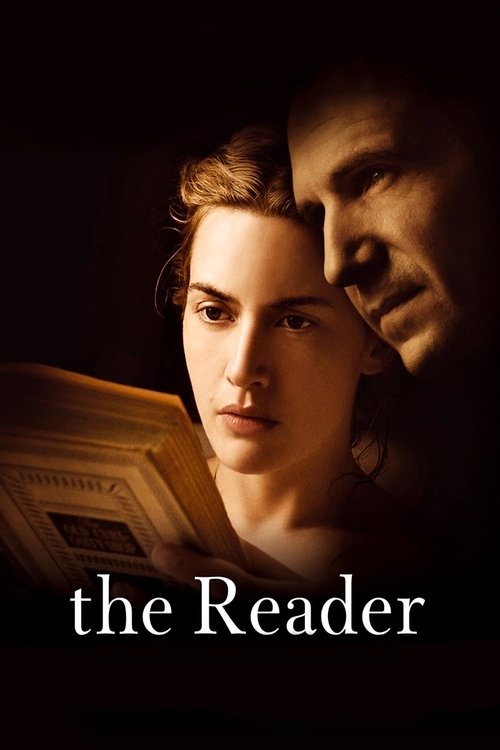
The Reader2008
Confronting the personal cost of historical atrocity and complicity. Intimate, morally complex, and unafraid to make you uncomfortable about who deserves sympathy.
But Centres a perpetrator's perspective in ways that some find ethically troubling. The romance subplot softens the historical reckoning in ways not everyone accepts.
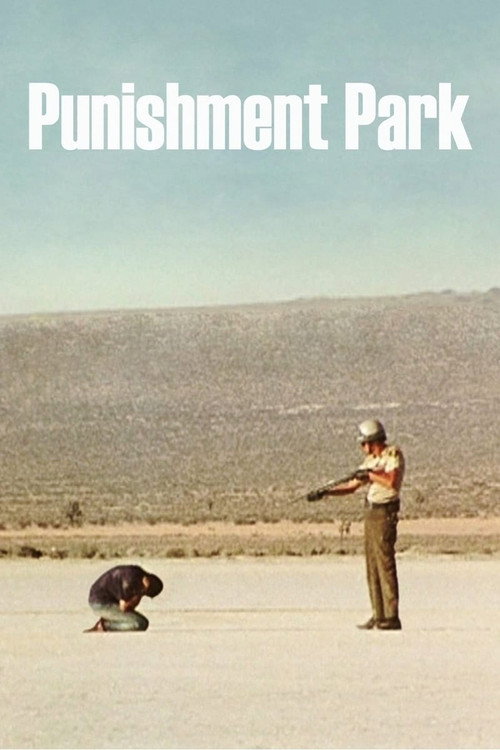
Punishment Park1971
Both show how regimes manufacture consent through spectacle—Milada's broadcast trial, this film's pseudo-journalistic veneer. Both ask: what do we become when we watch?
A mockumentary about an American detention camp during a fictional emergency. Shot like urgent reportage, it's a chilling thought-experiment about how quickly authoritarian machinery normalises itself.
But Found-footage style feels dated and grainy. The political argument overwhelms character, and some scenes feel more didactic than dramatically alive. Genuinely bleak with no catharsis.
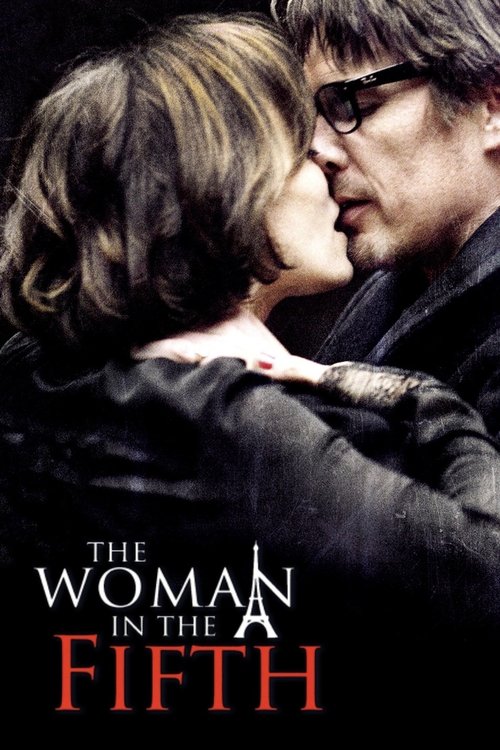
The Woman in the Fifth2011
Both explore how power and systems hollow out identity. Milada loses everything to a rigged trial; this man loses everything to institutional indifference and his own paranoia. Both ask what remains when the ground shifts.
Psychological noir set in contemporary Paris. A man loses his identity, moves through bureaucracy that becomes increasingly surreal. Formally inventive, deeply unsettling, shot with cold precision.
But Narratively oblique. Plot mechanics are deliberately withheld. If you need clarity or conventional resolution, this will frustrate rather than reward you.
People
Cast
 Ayelet ZurerMilada Horáková
 Robert GantBohuslav Horák
- Daniel RchichevJana Horáková Age 6
 Karina RchichevJana Horáková Age 13
 Taťjana MedveckáJana Horáková Age 57
 Vica KerekesMilada's Sister
 Igor OrozovičSister's Husband
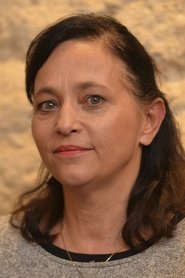 Alena MihulováMaruska - Horák's Housemaid
 Vladimír JavorskýAlois Schmidt
 Marián MitašKarel Sváb
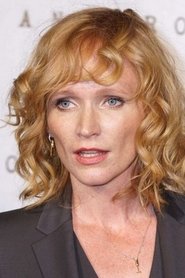 Anna GeislerováLudmila Brozová-Polednová
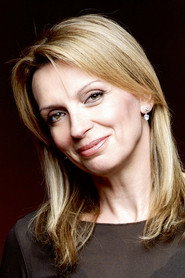 Ivana ChýlkováMilada's Cellmate
Directing
- David MrnkaDirector
- Vlastimil KadeřábekFirst Assistant Director
- Stanislava HoškováScript Supervisor
Writing
- David MrnkaScreenplay
- Robert GantScreenplay
- Robert J. ConantScreenplay
- David MrnkaStory
Production
- Ayelet ZurerProducer
- David MrnkaProducer
- Kristina HejdukováProducer
- Pavel MullerProducer
- Robert GantProducer