
Film
A Dangerous Man: Lawrence After Arabia
A 1992 television film about T.E. Lawrence in 1919, wrestling with the aftermath of his wartime promises to Arab allies as imperial powers reshape the Middle East. Ralph Fiennes inhabits the contradictions—idealistic, volatile, increasingly powerless—in a tense political thriller that trades desert spectacle for drawing-room intrigue and moral compromise.
Should you watch it?
Watch it if you enjoy talky, behind-closed-doors political maneuvering, where the drama comes from people trying to outwit each other across a conference table, and you're happy to follow a prickly, ambivalent hero through it.
Skip it if you want the sweep of desert epics, since this is a modest, dialogue-heavy TV movie with little action and a stage-bound feel.
What it asks of you: It runs under two hours at an unhurried pace, mostly in rooms full of argument, with little visible spectacle and constant shifts in who is bargaining with whom.
Not sure? Find tonight's pick in a minute.
If you liked this
A Passage to India1984
Lean, complex examination of British imperialism and the gulf between cultures. Peggy Ashcroft and Judy Davis shine in a story that honors the ambiguity rather than choosing a side. Gorgeous and devastating.
But Patient, sometimes slow. The central mystery is less important than the emotional and political landscape it reveals, which takes time to settle.
The Remains of the Day1993
Another Fiennes performance—restrained, heartbreaking—in a film about duty, loyalty, and what we tell ourselves to justify complicity. Post-war reckoning with a life lived in service to power. Immaculate filmmaking.
But Almost entirely interior. Conversation and regret don't suit everyone. The restraint is the point, but it can feel cold if you need more heat.

Lawrence of Arabia1962
The legendary David Lean film that made Lawrence a myth. Epic, visually stunning, a portrait of a man unmoored by his own legend. Essential context and a masterpiece in its own right.
But Over three hours. The spectacle can overshadow character. Some viewers find it dated, though others find that part of its appeal.
Not sure tonight? Get a pick in a minute, starting from A Dangerous Man: Lawrence After Arabia
The wildcard
Something you would not have found on your own.
The Special Relationship2010
Both are portraits of powerful men discovering their idealism has been weaponised by forces beyond their control, and the lonely reckoning that follows.
Tony Blair and George W. Bush—a film about how idealistic politicians become tools of larger forces, how principle erodes under pressure. Fiennes plays Blair with the same quiet fracturing he brings to Lawrence. Political decay in real time.
But Recent history and partisan positions might colour your view. Michael Sheen's Bush is played for sympathy, which some find impossible. Feels like television, because it is.
More like this (8)
Tinker Tailor Soldier Spy2011
Le Carré adaptation about Cold War espionage, political betrayal, and systems grinding individuals to nothing. Gary Oldman's Smiley is all contained fury. The same DNA: power, deception, the cost of compromise.
But Deliberately cryptic. Plot is secondary to mood and paranoia. Some find it opaque; others find that's the entire point.
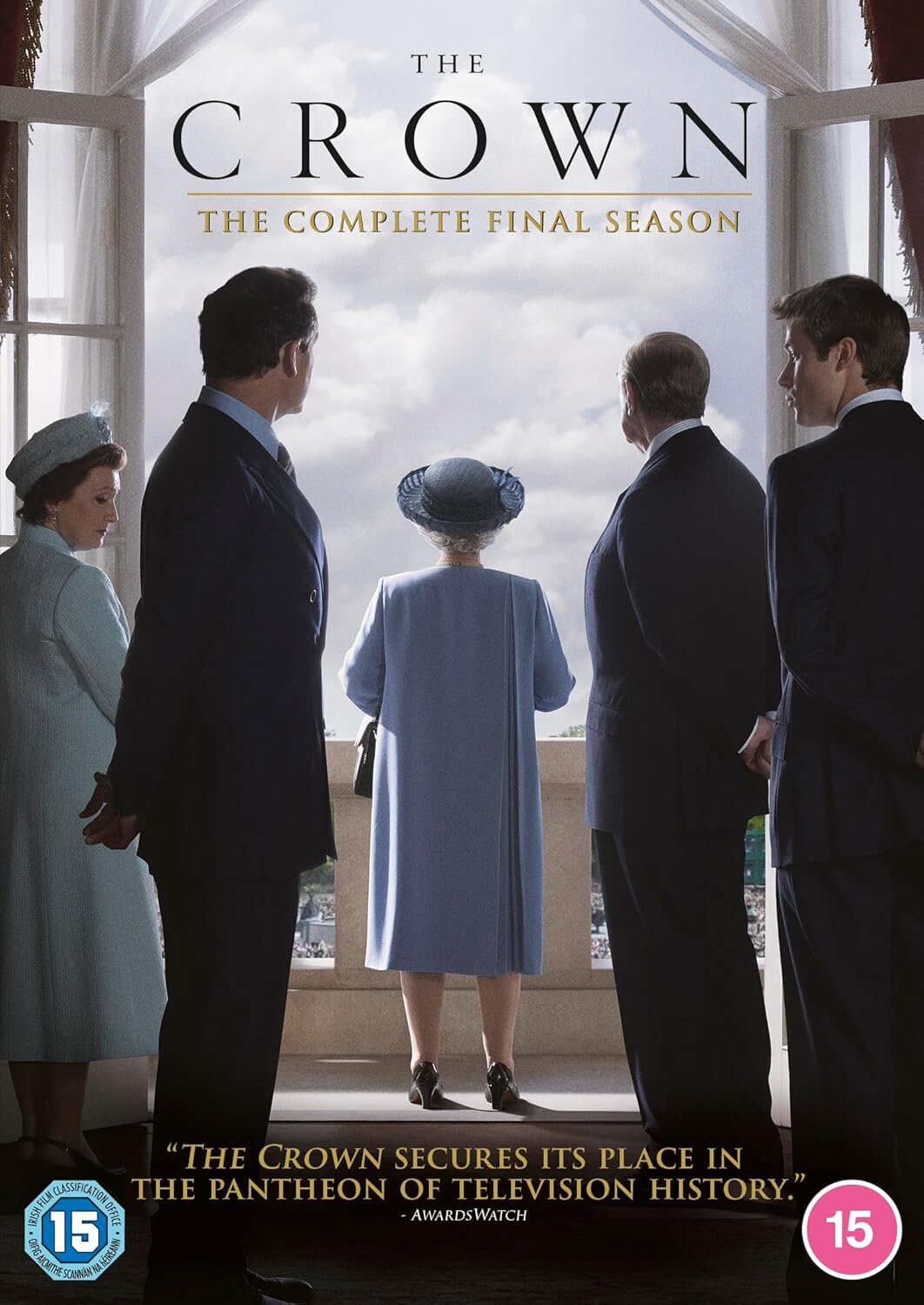
The Crown2016
Series about power, duty, and the weight of historical moment on individuals. Season 2 includes the Suez Crisis and resonates with Lawrence's era. Political drama about people caught between principle and necessity.
But Substantial time investment. Fictional dramatisation of real events annoys some viewers. The soap-opera elements might undercut the gravity you're seeking.
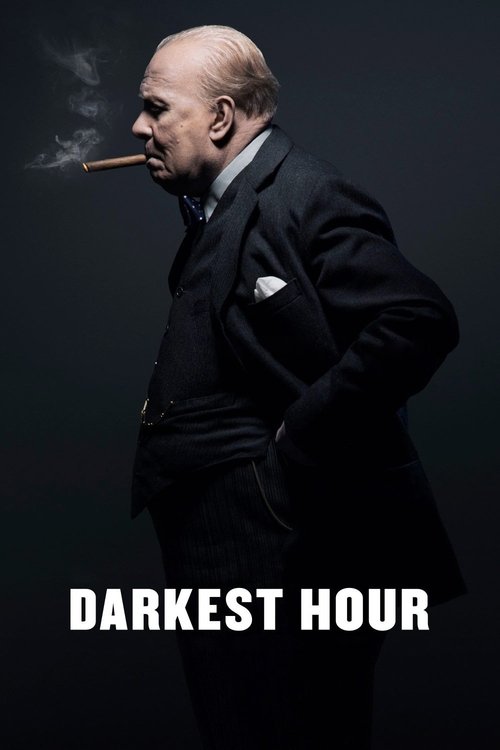
Darkest Hour2017
Another historical figure at the edge of catastrophe, another Fiennes (sort of—he's brilliant support). Churchill in May 1940, wrestling with impossible choices and his own legacy. Political, intimate, urgent.
But Fiennes' Curzon might have better suited you here, but he plays a different role. Lean towards Churchill mythology at times. Some find the theatricality overdone.
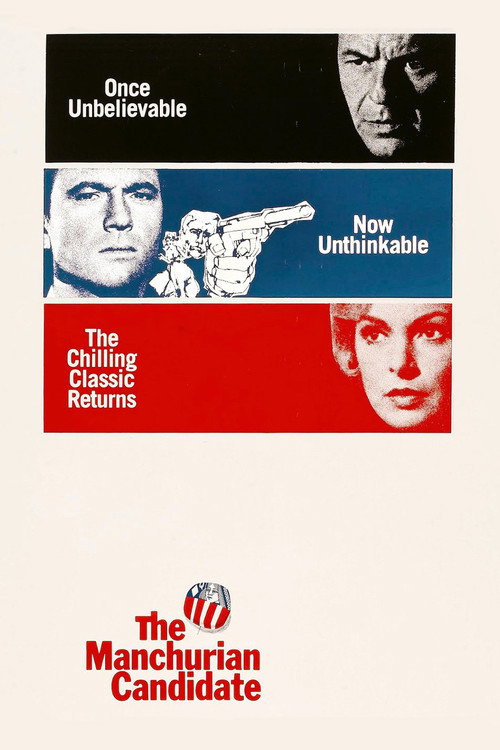
The Manchurian Candidate1962
Post-war political paranoia, men manipulated by forces larger than themselves, the impossible tangle of loyalty and betrayal. Cold War thriller with psychological depth. Prescient and unsettling.
But The brainwashing plot is dated. Tonal shifts from thriller to melodrama might jar. More genre entertainment than character study.
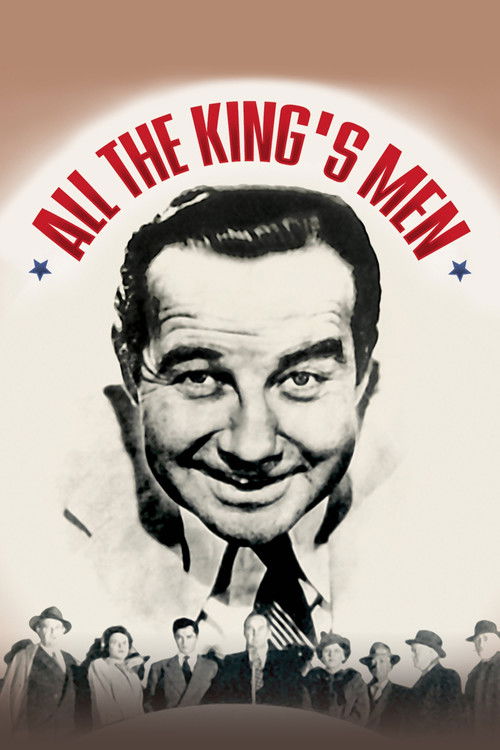
All the King's Men1949
Ambition, corruption, idealism crushed by the machinery of power. Broderick Crawford's populist demagogue trajectory mirrors Lawrence's fall from grace. American politics but the same moral tragedy.
But Adapts a Faulkner novel and the complexity gets compressed. Can feel melodramatic. Not subtle about its themes.
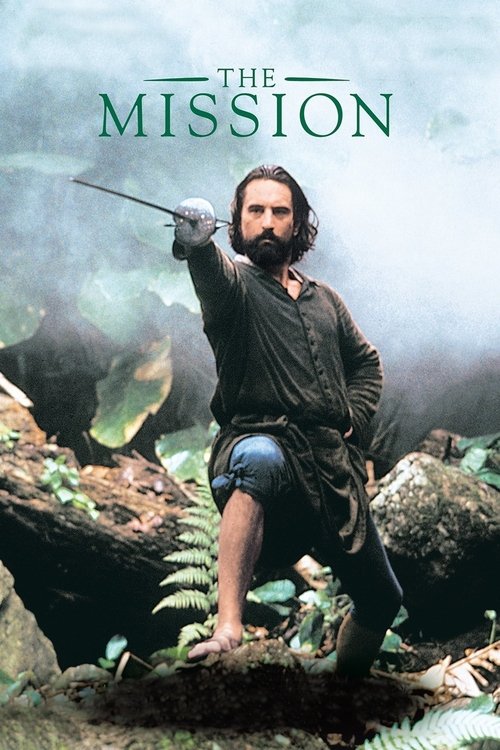
The Mission1986
Jeremy Irons and Robert De Niro in colonial South America, wrestling with faith, power, and complicity. Another man trying to navigate between empire and conscience. Gorgeously shot, morally rigorous.
But Religious drama in period setting won't connect if you're not receptive. The climax divides viewers. Powerful but heavy-handed in places.
The Battle of Algiers1966
Where Lawrence tried to broker compromise between empire and Arab nationalism and failed, this film shows what that collision actually looked like on the ground, years later.
Gillo Pontecorvo's radical masterpiece about colonialism and resistance, shot like a documentary, morally unsentimental about both occupier and insurgent. Explosive, intellectually rigorous, still shocking. Context for everything Lawrence believed.
But Black and white, 1960s politics, no heroes—only tactical choices and their costs. Relentless and often difficult. Some find the aesthetic cold; others that's the power.

The Lives of Others2006
Both examine men who realise, too late, that loyalty to an unjust system has hollowed them out, and whether redemption is even possible after that knowledge arrives.
East German Stasi agent slowly corrupted and redeemed by what he discovers surveilling others. Quiet moral disintegration in service to an impossible system. Fiennes' intensity lives here—the cost of complicity, the terrible clarity that comes too late.
But Cold War Berlin, surveillance state paranoia—distant from Lawrence's world. Slow-burn tension, not action. The politics of 1980s East Germany might feel removed.

People
Cast
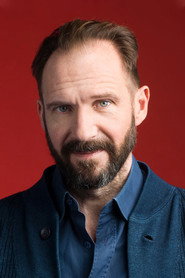 Ralph FiennesT.E. Lawrence
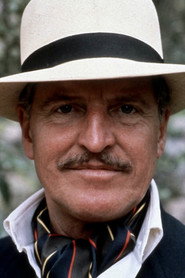 Denis QuilleyLord Curzon
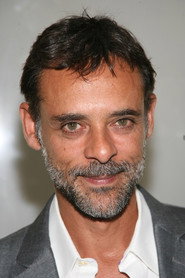 Alexander SiddigPrince Feisal (as Siddig El-Fadil)
 Nicholas JonesLord Dyson
 Roger HammondValence
 Peter CopleyMaitland
 Paul FreemanDumont
 Polly WalkerMme. Dumont
- Gillian BargeGertrude Bell
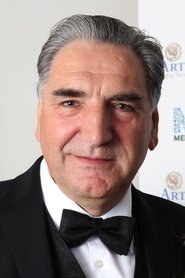 Jim CarterMeinertzhagen
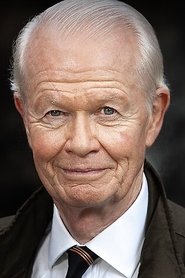 Michael CochraneWinston Churchill
 Caroline Lena OlssonFrench cleaner
Directing
- Christopher MenaulDirector
Writing
- Tim Rose PriceWriter
Production
- Celia BannermanAssociate Producer
- Marion Lear-SwaybillExecutive Producer
- Brenda ReidProducer
- Colin VainesProducer
- David PuttnamProducer
- Uberto PasoliniProducer
Recommended by
Mephisto, The Wizard of Lies, The Fall of the Roman Empire, Casualties of War, Immortal Beloved, The Young Victoria, Vessel, Milada, Song of Love, Genius, Mahabharat