
Film
A Passage to India
David Lean's last film, and his quietest epic — E.M. Forster's novel about an ambiguous incident in a cave that detonates the fragile decency between English colonizers and their Indian hosts. Gorgeous, unhurried, and more interested in moral ambiguity than spectacle, though it still carries Lean's trademark scale. For anyone who wants an old-fashioned literary epic that trusts silence and uncertainty as much as dialogue.
If you liked this
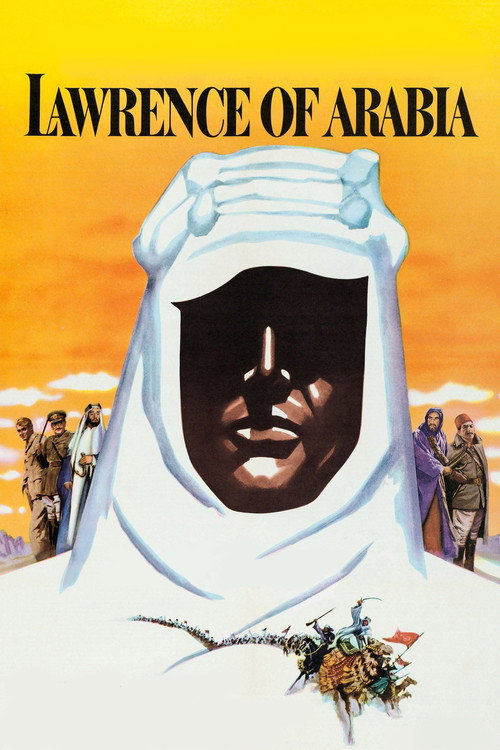
Lawrence of Arabia1962
Lean's own gold standard for the empire-and-landscape epic — the same eye for how vast, indifferent terrain reshapes character, here turned on Arabia instead of India, with Peter O'Toole unraveling in the desert.
But Nearly four hours, almost entirely male, and more interested in myth-making than intimacy — a different kind of epic than the one you just watched.
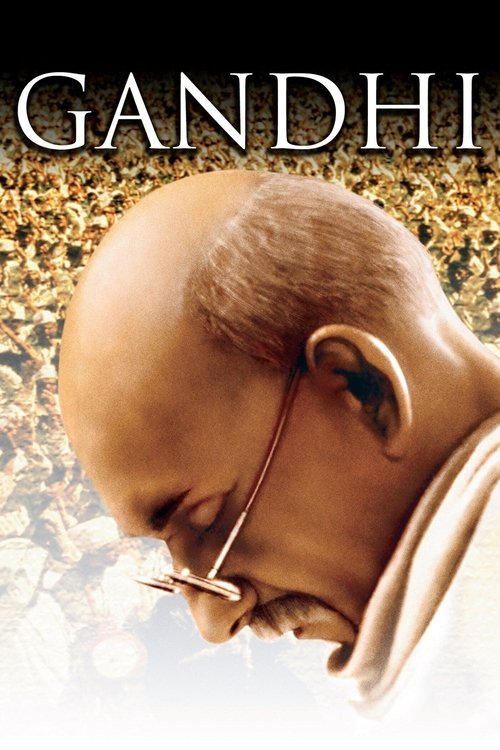
Gandhi1982
The other great British-Raj epic of the era, telling the empire's unraveling from the other end — the same history, but from the man who ended it rather than the couple caught inside it.
But Reverent to a fault and nearly three hours of hagiography; it wants you awed more than it wants you unsettled.
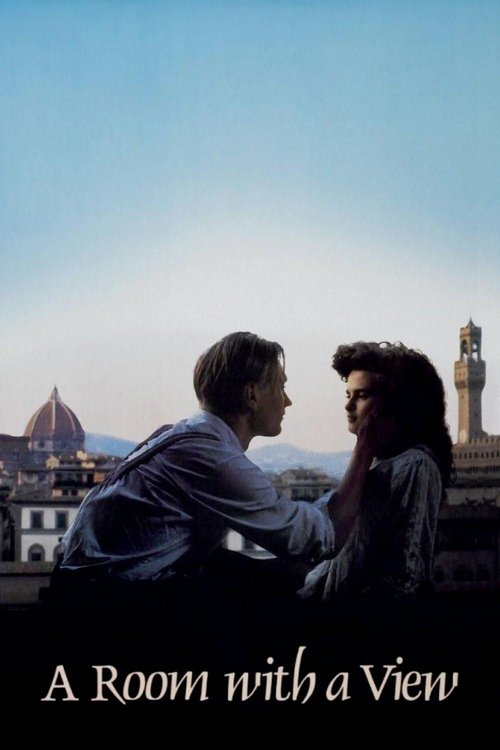
A Room with a View1986
Another Forster novel, another Englishwoman undone by a foreign country and her own class's expectations — lighter, funnier, and far more hopeful about where cross-cultural feeling can lead.
But Italy stands in for India's menace with sunlit comedy instead of dread; if you wanted more of that unease, this won't give it to you.
The wildcard
Something you would not have found on your own.
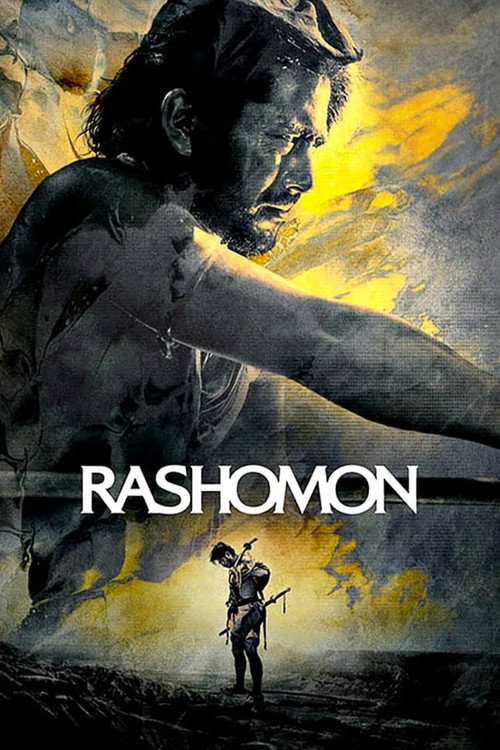
Rashomon1950
Both hinge on an unwitnessed act between a man and a woman that the surrounding society insists on resolving into guilt or innocence — and both suggest the truth may simply be unrecoverable.
The film that invented the device your story leans on — four witnesses, one incident, no way to know which telling is true. Kurosawa asks the same question about truth that the Marabar Caves refuse to answer.
But Subtitled, seventy years old, and structurally repetitive by design — it tells the same story four times, which some viewers find maddening rather than illuminating.
More like this (7)
Heat and Dust1983no page yet
Two timelines, two Englishwomen a generation apart, both drawn toward India in ways their own culture can't forgive — Merchant Ivory working the same seam of desire and colonial shame.
But Its double structure divides attention, and it's gentler and more melancholy than dramatic — a slow simmer, not a boil.
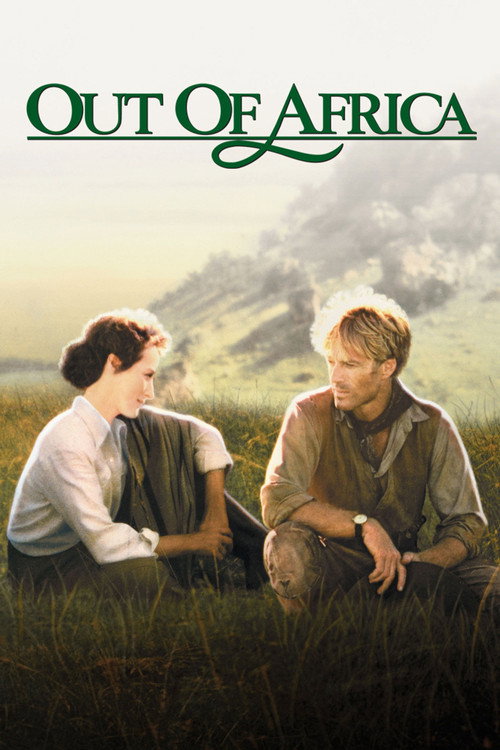
Out of Africa1985
Swap the caves for the savannah: another vast colonial romance where the landscape is as much a character as the lovers, and the empire's costs quietly accumulate offscreen.
But It's more interested in sweep and romance than in reckoning with the politics it's set inside — beautiful, but less morally exacting.
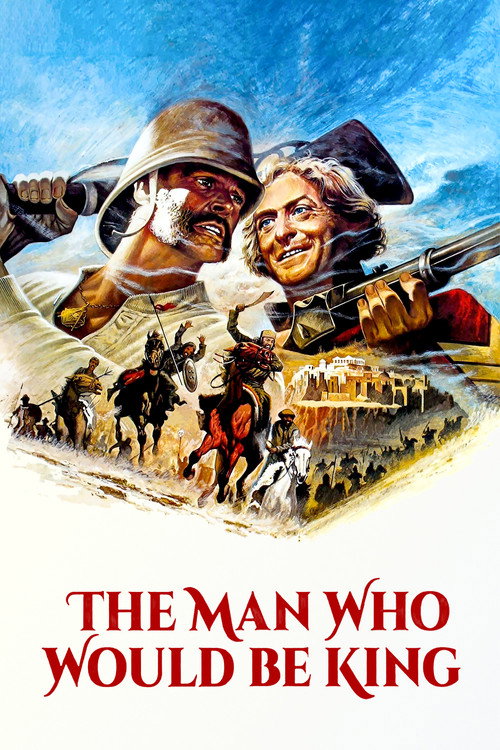
The Man Who Would Be King1975
British adventurers playing god in a country not theirs, and paying for the arrogance — Kipling's story turned into a rollicking, ruefully funny cautionary tale about empire's delusions.
But It's an adventure yarn first and a critique second; expect swagger and set pieces more than the slow moral weight you just sat through.
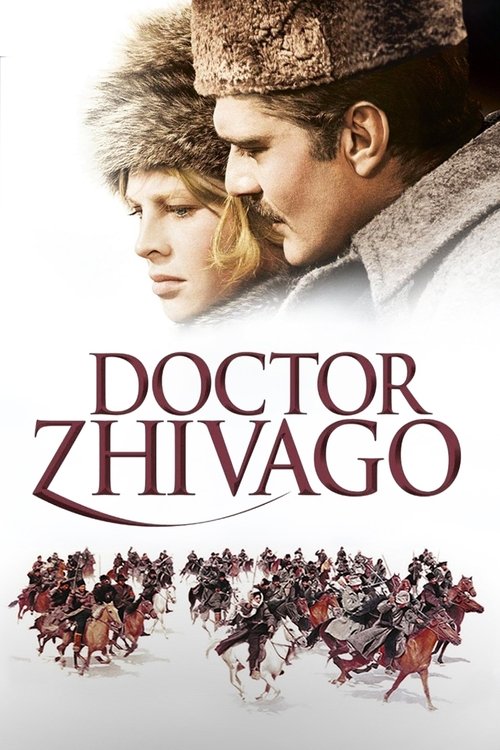
Doctor Zhivago1965
Lean again, this time love and history colliding amid revolution rather than empire — the same instinct for making enormous political upheaval feel personal and specific.
But Three-plus hours of Russian tragedy in a very different emotional register — grander, colder, and considerably sadder.
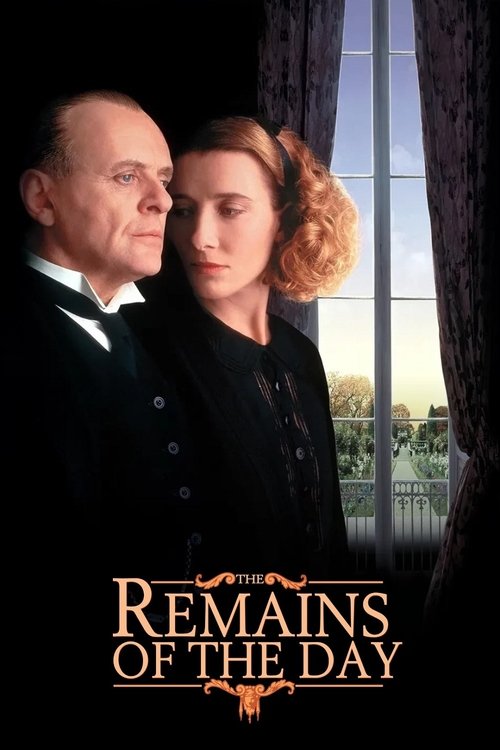
The Remains of the Day1993
Nothing about empire here, but everything about English repression, misplaced loyalty, and the tragedy of good people trapped by their own manners — Fielding's dilemma writ small and devastating.
But It's quiet almost to a fault, a chamber piece next to a landscape epic, and its heartbreak is slower and more interior.
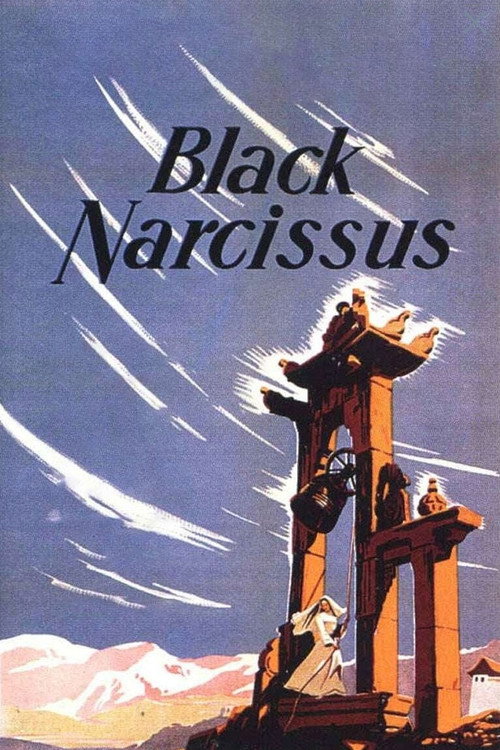
Black Narcissus1947
Same colonial anxiety — Englishwomen sent somewhere they can't control, their own repressed desire mistaken for the country's fault — but Powell and Pressburger let it curdle into nightmare instead of tragedy.
English nuns try to run a convent in the Himalayas and are slowly undone by a landscape and culture that refuses to behave — gorgeous Technicolor, and genuinely unnerving where Lean stays stately.
But It tips into outright psychological horror by the end; if you wanted more of Lean's restraint, this trades restraint for delirium.
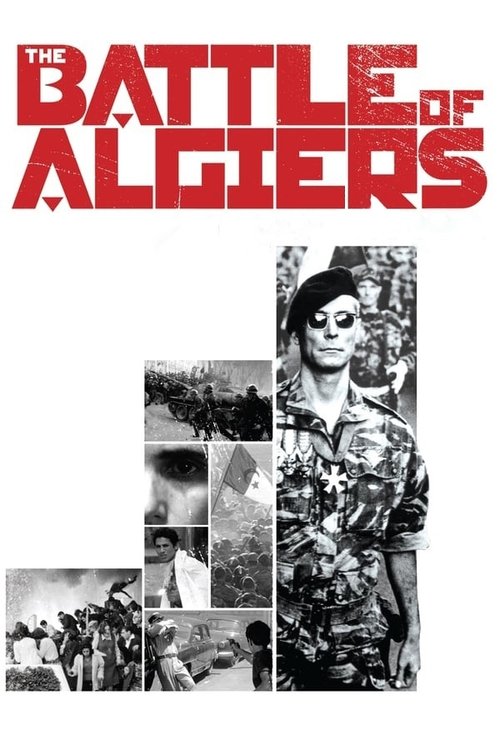
The Battle of Algiers1966
Where Lean asks whether individual English and Indian people can ever really understand each other, Pontecorvo answers from the other side of the ledger: individual goodwill was never going to be enough.
The clear-eyed, furious answer to every genteel colonial drama — shot like a documentary, no English protagonist to sympathize with, just the machinery of empire and the violence it takes to end it.
But There's no romance, no ambiguity, and no comfort — it's a bracing corrective, not a companion piece to sit back with.
People
Cast
 Judy DavisAdela Quested
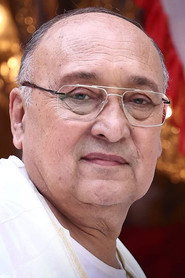 Victor BanerjeeDr. Aziz H. Ahmed
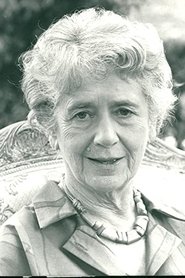 Peggy AshcroftMrs. Moore
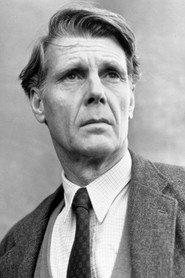 James FoxRichard Fielding
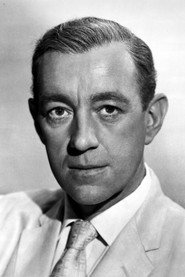 Alec GuinnessProfessor Godbole
 Nigel HaversRonny Heaslop
 Richard WilsonMr. Turton
- Antonia PembertonMrs. Turton
 Michael CulverMajor McBryde
 Art MalikMahmoud Ali
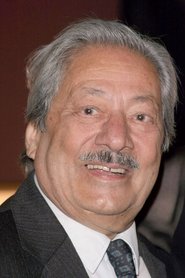 Saeed JaffreyHamidullah
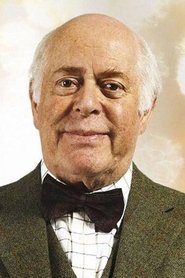 Clive SwiftMajor Callendar
Directing
- Maggie UnsworthContinuity
- David LeanDirector
Writing
- E.M. ForsterNovel
- David LeanScreenplay
Production
- Priscilla JohnCasting
- John BrabourneProducer
- Richard GoodwinProducer
- Jim BrennanProduction Manager
- Shama HabibullahProduction Manager
- Barrie MelroseProduction Supervisor
- Diana HawkinsPublicist