
Film
Garm Hava
- Drama
- Very dark
Garm Hava is a 1973 Indian drama about a Muslim family navigating life in post-Partition India, caught between belonging and displacement. It's a measured, intimate film that observes quiet devastation—the slow erosion of home, status, and identity. For anyone drawn to films about identity, loss, and the human cost of partition, this is essential.
If you liked this
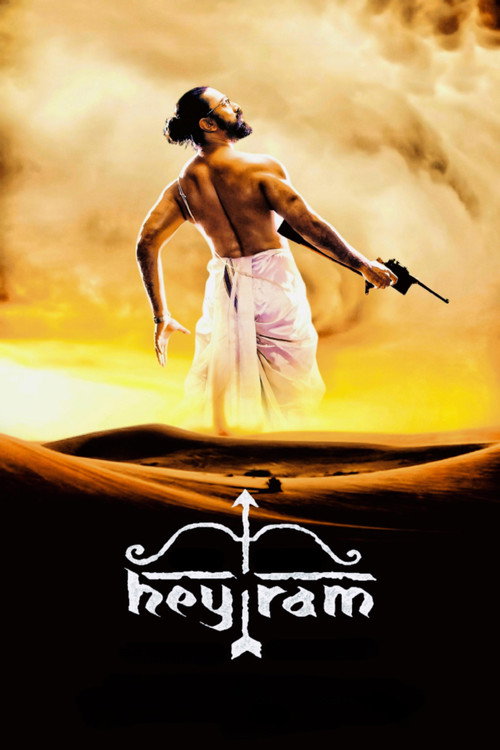
Hey Ram2000
Kamal Haasan's ambitious exploration of communal violence and personal vendetta across Partition. It's formally daring, cinematically rich, and grapples with the same question: how do you survive when your country no longer recognises you?
But Haasan's performance is mannered, the narrative is fragmented, and at nearly four hours it can feel exhausting rather than enlightening.
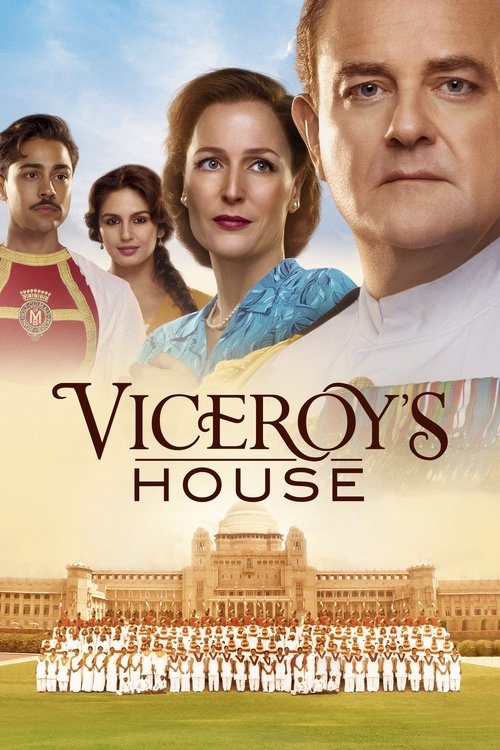
Viceroy's House2017
A sweeping ensemble film about the actual Partition moment—Hindu, Muslim, and Sikh families torn apart. It has the scale that Garm Hava's intimacy avoids, and shows the immediate rupture rather than its aftermath.
But The scope means individual stories get surface treatment, and it sometimes plays to sentiment over nuance.
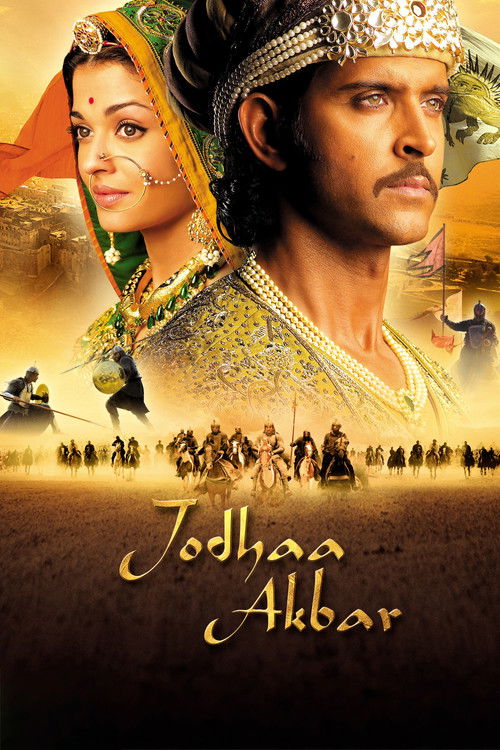
Jodhaa Akbar2008
Ashutosh Gowariker examines identity, cultural assimilation, and the possibility of coexistence during the Mughal era. It asks: can two worlds ever genuinely understand each other? The production design is sumptuous.
But A three-hour historical romance can feel like a museum piece, and the love story sometimes overtakes the politics.
Not sure tonight? Get a pick in a minute, starting from Garm Hava
The wildcard
Something you would not have found on your own.
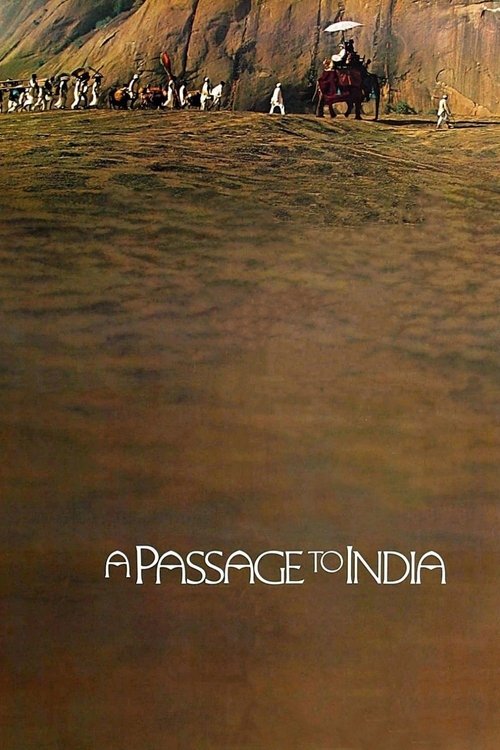
A Passage to India1984
Both films explore how belonging is fractured by history and identity. One shows the fracture from within; Lean shows it from without. Together they're a conversation across perspective.
David Lean's epic about British India examines the impossibility of true belonging across colonial lines. Like Garm Hava, it's about people trapped between worlds—but shot in widescreen pageantry rather than domestic spaces.
But At 163 minutes it moves slowly, and Lean's romanticism about India can feel like an outsider's fantasy.
More like this (7)
Earth1998
Deepa Mehta's haunting film about three families—Hindu, Muslim, Christian—in Lahore as Partition ruptures everything. Shot in warm tones, it feels like memory, and the children's perspective makes the adult violence more terrible.
But The sexual violence is graphic and upsetting. Not a comfortable watch, and some find the symbolism heavy-handed.

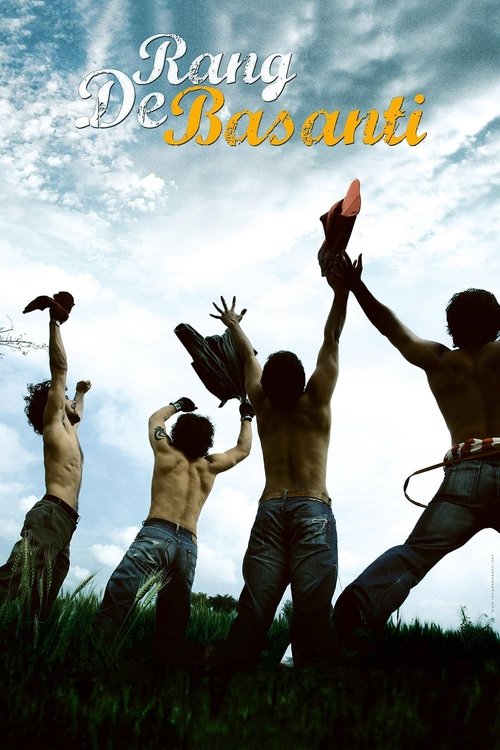
Rang De Basanti2006
A more contemporary look at identity and belonging in India, following young people caught between idealism and complicity. It has energy where Garm Hava has resignation, but asks similar questions about citizenship.
But It swings wildly in tone, and the political awakening can feel like a Bollywood fantasy rather than something earned.
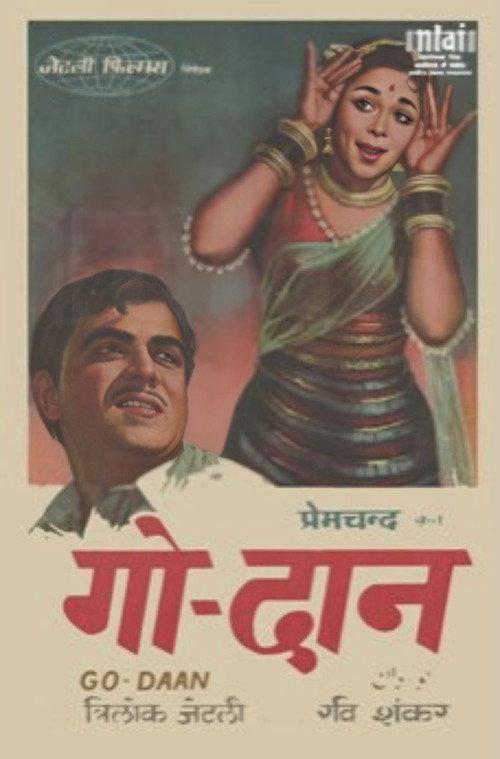
Godaan1963
Based on Munshi Premchand's novel, it's a quiet film about a poor farmer and his dignified struggle against circumstance. It shares Garm Hava's interest in how ordinary people endure when the world shifts beneath them.
But It's slow, visually austere, and offers no catharsis—just accumulated small defeats.
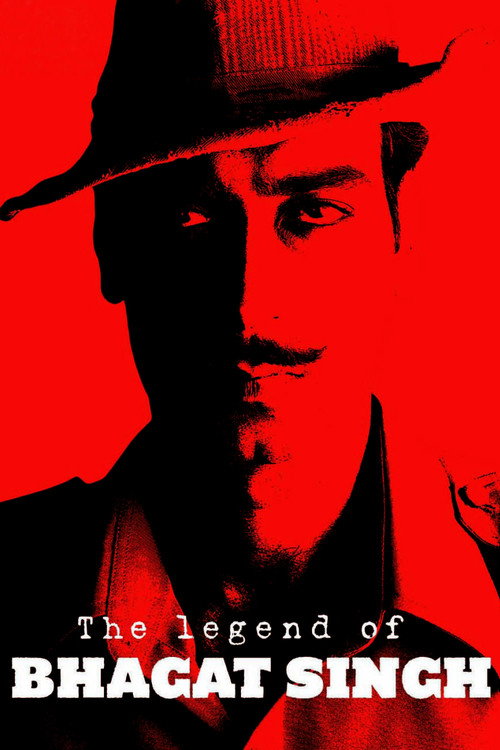
The Legend of Bhagat Singh2002
Rajkumar Santoshi's film about the revolutionary treats martyrdom and belonging differently—Singh chooses action where the family in Garm Hava chooses endurance. It's a counterpoint to resignation.
But It's a period action film that sometimes prioritises spectacle over subtlety, and the politics can feel simplified.
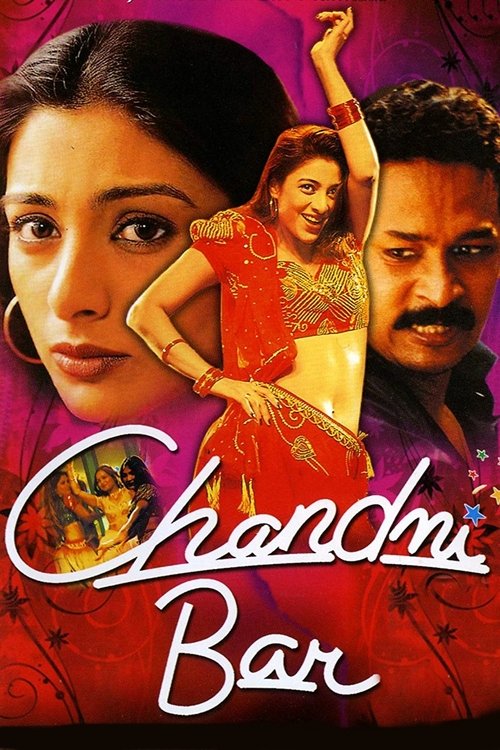
Chandni Bar2001
A brutal look at survival and displacement in contemporary Mumbai—how the dispossessed find themselves in impossible circumstances. It's raw in a way that echoes Garm Hava's unflinching eye.
But It's explicit, gruelling, and genuinely difficult to watch. The film offers no comfort and some find it exploitative.
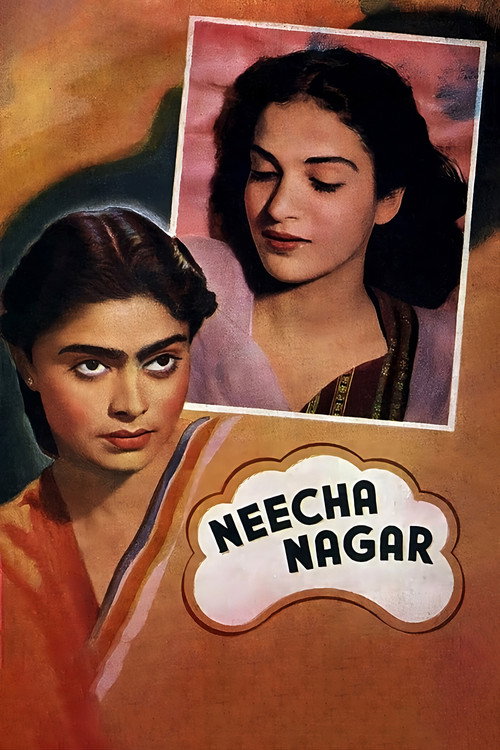
Neecha Nagar1946
Spiritual predecessor. Both films are interested in how ordinary people maintain humanity when systems are designed to deny it. Where Garm Hava is about Partition, Neecha Nagar is about class; both are about erasure.
Chetan Anand's only film—made before Partition, before Garm Hava—is a neorealist portrait of a slum where the poor try to maintain dignity against the machinery that crushes them. It's visually spare and morally uncompromising.
But It won the Palme d'Or but almost no one has seen it. It's genuinely hard to find and the print quality can be poor.
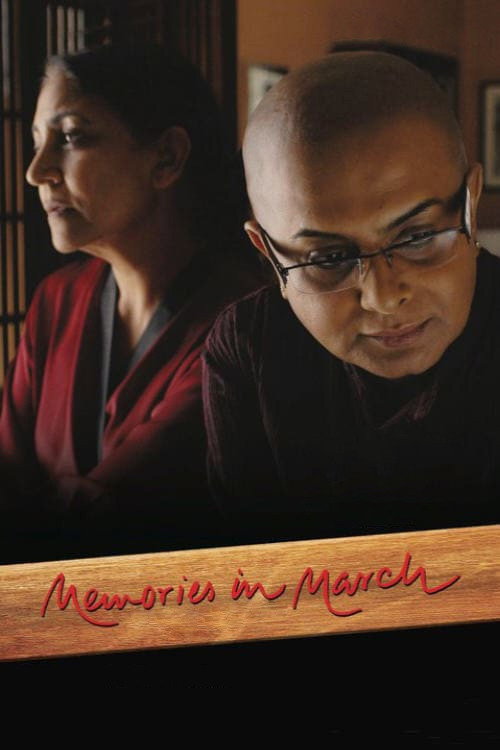
Memories in March2011
Garm Hava is about displacement from a nation; this is about displacement within a family structure. Both are quiet elegies for people who have nowhere to belong.
Deepti Naval and Naseeruddin Shah play a mother and father confronting their son's death and his hidden life. It's set in the present but it's about how families can be fractured from within by love, shame, and unspoken distance.
But It's a small indie film with no stars and a premise that could feel like a TV-movie. Some find it too earnest.
People
Cast
 Gita SiddharthAmina
- Jamal HashmiKazim
 Yunus ParvezFakruddin
 Jalal AghaShamshad

 Balraj SahniSalim Mirza
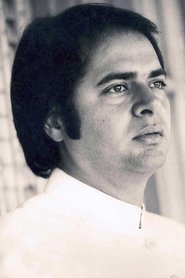 Farooq ShaikhSikandar
Directing
- Kulbir SinghAssistant Director
- Makhan SinghAssistant Director
- M.S. SathyuDirector
Writing
- Kaifi AzmiDialogue
- Kaifi AzmiLyricist
- Ismat ChughtaiOriginal Story
- Kaifi AzmiScreenplay
- Shama ZaidiScreenplay
Production
- Abu SiwaniExecutive Producer
- Ishan AryaProducer
- M.S. SathyuProducer
- Hari VermaProduction Assistant
- J. K. MathurProduction Assistant
- MadhavProduction Assistant
- Prema KannanProduction Assistant