
Film
Hey Ram
- Period drama
- Vigilante
- Very dark
Kamal Haasan's ambitious three-hour epic traces a man's descent into vengeful hatred following his wife's murder during Partition. Sprawling across decades and continents, it's a furious, formally daring examination of how grief metastasizes into ideology. Uneven and challenging, it demands patience but rewards engagement. For viewers drawn to cinema that refuses easy answers about violence, faith, and national trauma.
Should you watch it?
Watch it if you want a sprawling, morally tangled historical drama where political violence is examined from inside a grieving man's head, and you are happy to let a big subject take its time.
Skip it if your patience for three-hour epics runs thin, or you need a tidy, fast-moving thriller; its ideas sprawl and its tone swings between lyrical and jarring.
What it asks of you: Settle in for just over three hours, with long stretches of quiet reflection broken by sudden, brutal violence and a restless, shifting structure.
Not sure? Find tonight's pick in a minute.
If you liked this
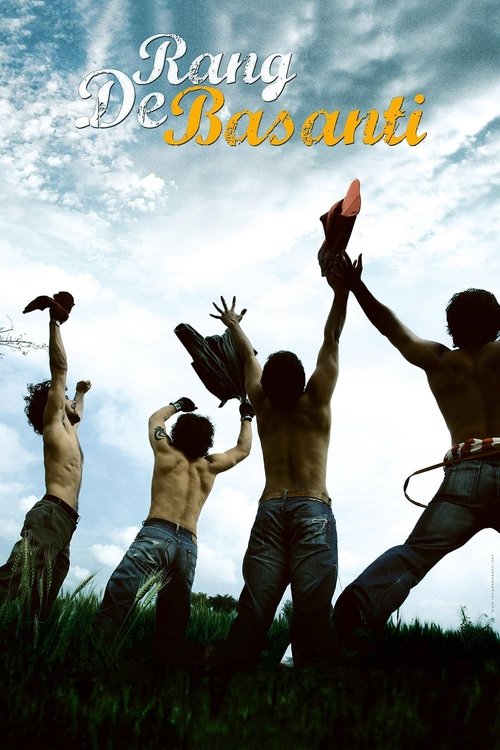
Rang De Basanti2006
Another Aamir Khan film about young idealism curdling into violence and political rage. It asks hard questions about what justifies taking a life for your country, and doesn't let you off easy.
But Considerably more accessible than Hey Ram, which might make its resolution feel simpler. Also three hours, which is saying something.
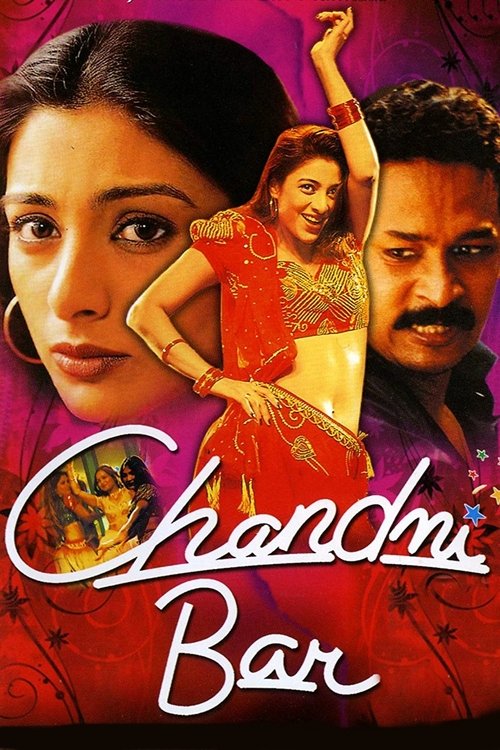
Chandni Bar2001
Madhuri Dixit in an unflinching portrait of a woman destroyed by systems that should protect her. Like Hey Ram, it refuses to look away from how violence corrupts everything it touches, including the victim.
But Genuinely difficult to watch. The rape and degradation aren't stylised or softened, which is the point but also exhausting.
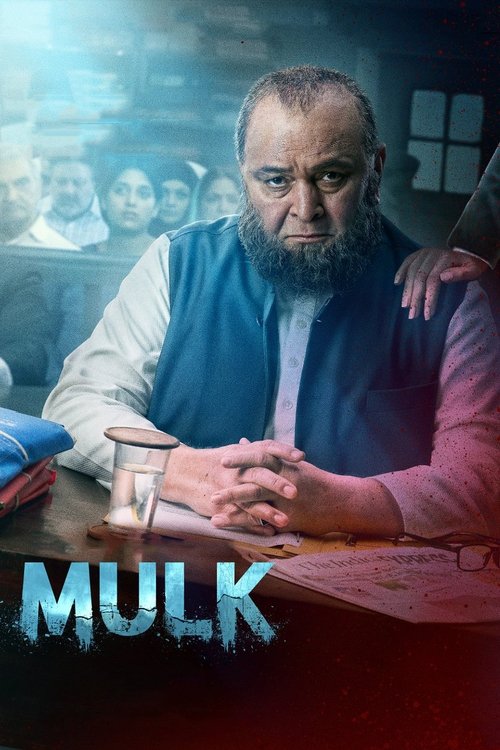
Mulk2018
Rishi Kapoor anchors a searing drama about a Muslim family wrongly implicated in terror, asking what happens when the state itself becomes an instrument of violence. Shares Hey Ram's interest in how ideology destroys individuals.
But More legally procedural than Hey Ram's philosophical sprawl. Less formally adventurous, more conventionally structured.
Not sure tonight? Get a pick in a minute, starting from Hey Ram
The wildcard
Something you would not have found on your own.
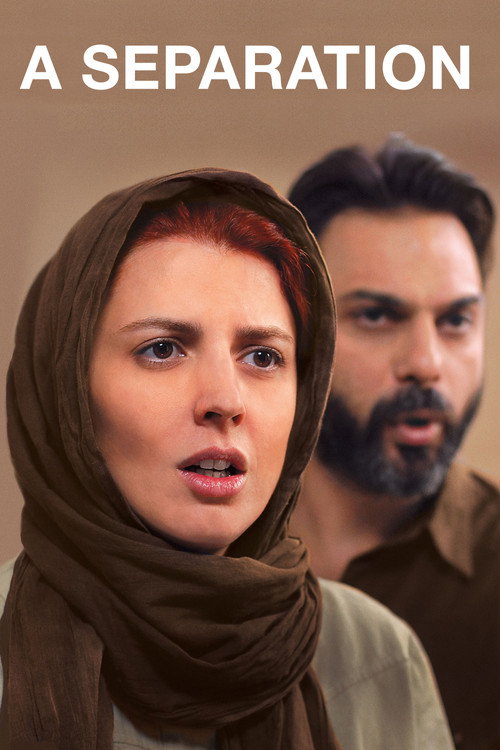
A Separation2011
Both trace how belief systems destroy the people who hold them. Both understand that the personal is irreversibly political, and that ideology doesn't redeem suffering—it compounds it.
Asghar Farhadi's Iranian masterpiece about a marriage collapsing under the weight of ideology, faith, and irreconcilable values. Like Hey Ram, it understands that personal tragedy and political conviction are inseparable—and that both can be weapons.
But Deliberately enclosed and domestic where Hey Ram sprawls. No violence onscreen, though the emotional brutality is absolute. Requires subtitles.
More like this (6)
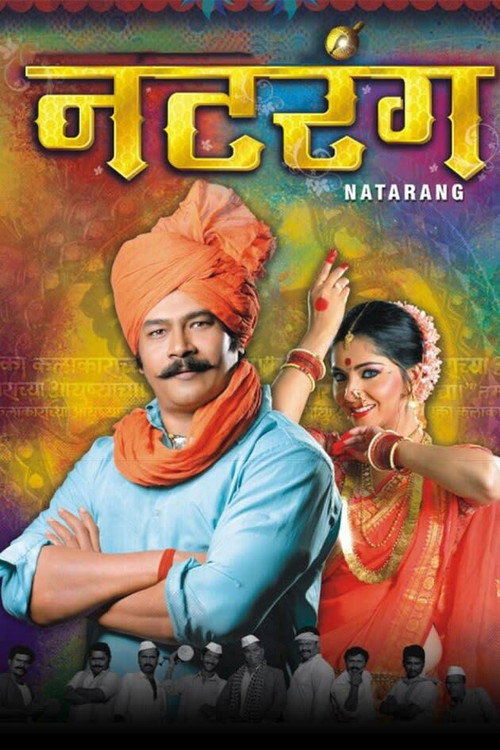
Natrang2010
A Marathi film about obsession, performance, and the masks we wear to survive. Like Hey Ram, it's interested in how identity fractures under pressure and what remains when everything else falls away.
But In Marathi with limited distribution. The theatrical milieu might feel provincial if you're expecting Hey Ram's epic scale.
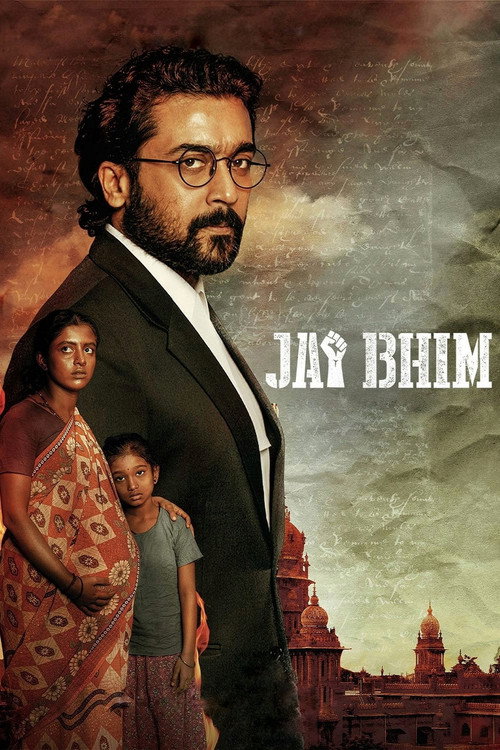
Jai Bhim2021
Suriya's powerful film about caste brutality and state oppression. Rooted in real cases, it shares Hey Ram's conviction that cinema must testify to atrocity, not sanitise it.
But Recent enough that you may have already seen it. Also considerably more straightforward in its moral clarity.
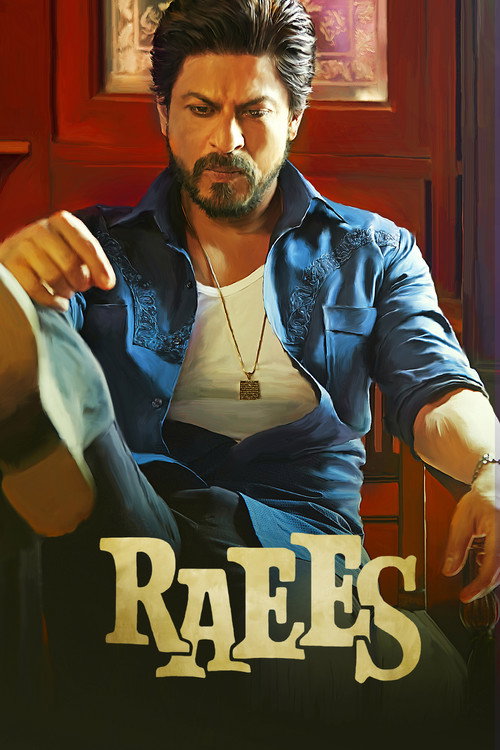
Raees2017
Shah Rukh Khan (your co-lead from Hey Ram) in a mirror-image role as a crime boss who believes he's a hero. Explores how villains narrate themselves, which is very much Hey Ram's concern.
But Much glossier and more conventionally dramatic. The ambiguity you're seeking is present but lighter.
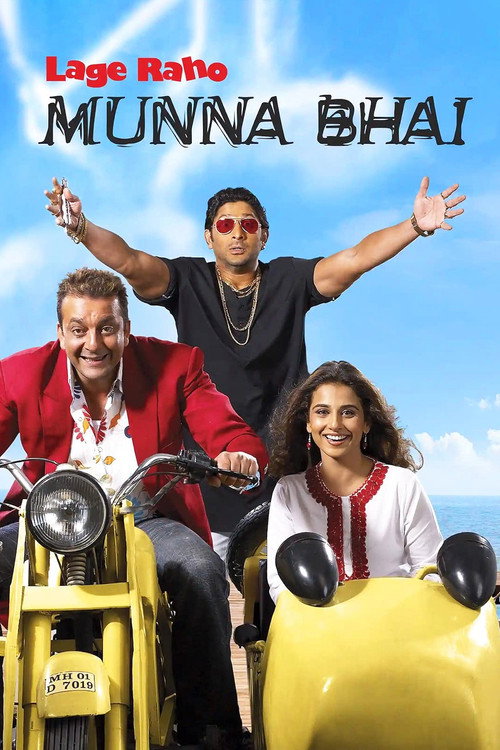
Lage Raho Munna Bhai2006
Sanjay Dutt as a gangster who meets Gandhi's ghost and learns non-violence. It's the optimistic inverse of Hey Ram—showing how ideology can redeem instead of destroy. A necessary counterargument.
But Deliberately comedic and consoling. If you want the harshness and refusal of easy answers, this will feel like a betrayal.
Sinister2012
Both are experiments in how cinema represents violence. Both ask what responsibility the filmmaker bears when showing atrocity. Both are willing to make the audience uncomfortable as a condition of art.
A French found-footage horror film about a filmmaker obsessed with snuff movies. It's formally inventive and genuinely nauseating—cinema as confession of complicity. Like Hey Ram, it's uncomfortable and demanding about how audiences consume violence.
But Genre exercise that could read as exploitation to some. The formal innovation serves genuine unease, but not everyone wants that in their evening. Exhausting to sit through.

The Act of Killing2012
Both understand that revenge fantasies and ideological violence are stories people tell themselves. Both ask what happens when the perpetrator believes he's the hero. Both refuse to look away.
Joshua Oppenheimer's documentary asks Indonesian death-squad leaders to recreate and re-enact their murders. It's about how perpetrators mythologize themselves—how violence becomes a story you tell about yourself, exactly like Hey Ram.
But Not a narrative film. Watching real men cheerfully describe murdering hundreds of thousands is genuinely traumatising. Long and repetitive by design. The formal innovation serves moral weight, but weight can crush.

People
Cast
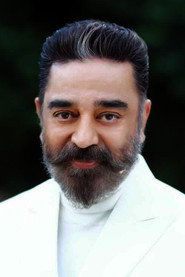 Kamal HaasanSaket Ram
 Shah Rukh KhanAmjad Ali Khan
 Hema MaliniAmbujam
 Rani MukerjiAparna Ram
 Vasundhara DasMythili Iyengar
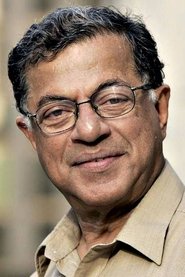 Girish KarnadUppilli Iyengar
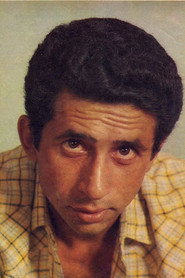 Naseeruddin ShahMohandas Karamchand Gandhi
 Om PuriGoel
 Atul KulkarniShriram Abhayankar
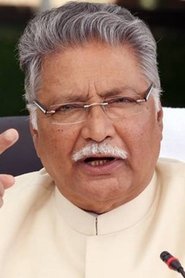 Vikram GokhaleMaharaja
 Saurabh ShuklaLalwani
 Farida JalalKasturba Gandhi
Directing
- R.S. ShivajiAssistant Director
- Santhana BharathiAssistant Director
- Kamal HaasanDirector
Writing
- Kamal HaasanDialogue
- Manohar Shyam JoshiDialogue
- GnanakoothanLyricist
- IlaiyaraajaLyricist
- Jagdish KhebudkarLyricist
- Kamal HaasanLyricist
- VaaliLyricist
- Kamal HaasanScreenplay
- Kamal HaasanStory
Production
- ChandrahasanCo-Producer
- Bharat ShahProducer
- Kamal HaasanProducer
Recommended by
Kandukondain Kandukondain, Haider, Swades, Jodhaa Akbar, Rang De Basanti, Iqbal, Mulk, Johnny Gaddaar, Alaipayuthey, Peepli Live, Arth, Amar Akbar Anthony, Khakee, Bombay, A Wednesday!, Mangal Pandey - The Rising, Shool, Shahid, Toilet: A Love Story, Parinda, Veer-Zaara, Phool Aur Kaante, 1942: A Love Story, Bajirao Mastani, Silsila, Darr, Dor, Gadar: Ek Prem Katha, Khiladi, Roja, Naam, Nayak, Gang, The Sword of Tipu Sultan, Humraaz, Hum Saath Saath Hain, Dev, Damini, Pukar, Khoon Ka Rishta, Mirch Masala, Bandit Queen, Haasil, Lakshmi, Kaavalan, Lakshmi, Kranti, Sye Raa Narasimha Reddy, Omkara, The Legend of Bhagat Singh, Visaranai, Sardar Udham, Shaheed, Aadukalam, Ninnu Kori, Aravinda Sametha... Veera Raghava, Baseraa, Taxi No. 9211, Lucifer, Nayak: The Real Hero, Mumbai Meri Jaan, Pyaar Koi Khel Nahin, Zakhm, 1857, Biwi No.1, Garm Hava, N.T.R: Kathanayakudu, Bazaar, Junoon, Manto, Jai Veeru, Sadak, The System, Thalapathi, Kannathil Muthamittal, Nastik, Gharana Mogudu, Ninne Pelladatha, Arjun, Gangaajal, Mannan, Iruvar, Geethanjali, Kal Aaj Aur Kal, 1971, Jeene Do, Kaala, Sye, Jai Santoshi Maa, Aaja Nachle, Sadma, Iyobinte Pusthakam, Sarkar Raj, Arjun, Prati Roju Pandaage, Parmanu: The Story of Pokhran, The Tashkent Files, Bhuj: The Pride of India, Kaadan, Prema Katha Chitram, Manorama Six Feet Under, Hazaaron Khwaishein Aisi, Ponniyin Selvan: Part I, Pushpaka Vimana, Waqt, Pardes, Salim Langde Pe Mat Ro, Gamyam, Victoria, Daud, Razia Sultan, Mast, Ghulam, Laawaris, Dushman, Aks, Insaaf, Girlfriend, Tamas, Sethu..., Kadhal Konden, Bandhan, Deewangee, Umbartha, Okkadu, Murari, Jeans, Agni Sakshi, Vijaypath, Mr. and Mrs. Iyer, Tum Bin, Paradesi, Sarvam Thaala Mayam, Jhansi Ki Rani, Inkaar, Thirumalai, Pithamagan, Sivaji: The Boss, Andolan