
Film
1857
A 1946 historical drama about the Indian Rebellion of 1857, made while independence was still fresh. It's a sweeping, passionate film that treats the uprising as a genuine war of liberation rather than a rebellion. Stern and idealistic, occasionally theatrical, aimed at audiences who wanted cinema to reflect their new national identity.
Should you watch it?
Watch it if you are drawn to period dramas where a larger upheaval reaches you through a few private lives, and you don't mind an older film's stagey, melodramatic rhythms if the emotion lands.
Skip it if you want a sweeping battle picture or brisk modern pacing, since this 1946 production prefers talk and private scenes to large staged action.
What it asks of you: Roughly two hours at a measured, old-fashioned pace, with patience for melodrama and little interest in a quick hook.
Not sure? Find tonight's pick in a minute.
If you liked this
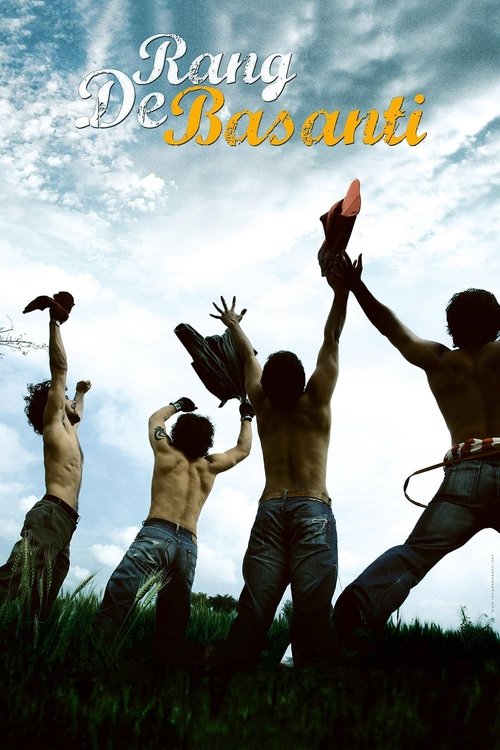
Rang De Basanti2006
A contemporary epic about young Indians discovering they can shape their nation's future. It channels the same spirit of idealism and sacrifice that 1857 does, but through modern activism instead of armed struggle.
But The patriotism can feel broad-stroke, and the second half trades subtlety for spectacle. It's unafraid to be earnest in ways that don't suit every mood.
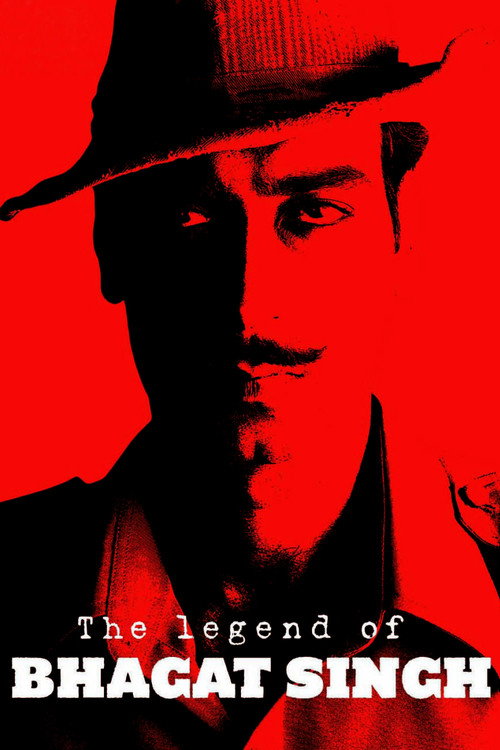
The Legend of Bhagat Singh2002
Another freedom fighter drama, this one focused and urgent. It's made with the same historical reverence as 1857 but sharper editing and a clearer dramatic spine make it easier to follow.
But It's still a biopic dressed as action film. If you want ambiguity or moral complexity, you won't find much here.
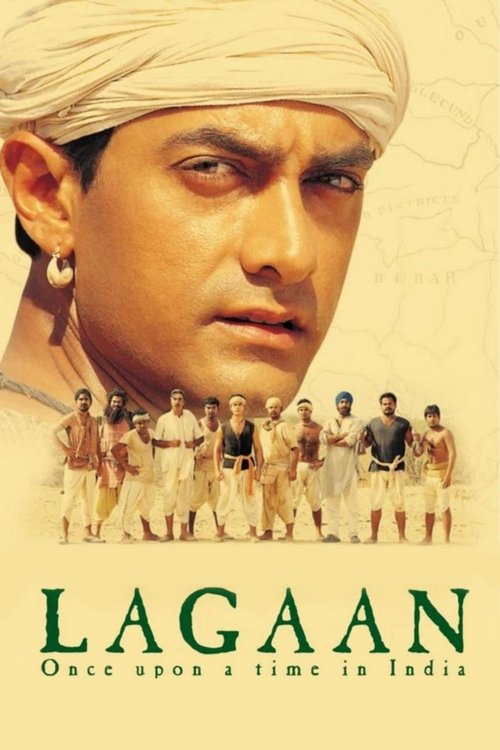
Lagaan: Once Upon a Time in India2001
An epic about resistance to colonial rule, built around a cricket match. Like 1857, it's unambashedly grand and uses a specific conflict to ask bigger questions about colonialism and dignity.
But Nearly four hours long, and the romance subplot will test your patience. The optimism can feel naive about how power actually works.
Not sure tonight? Get a pick in a minute, starting from 1857
The wildcard
Something you would not have found on your own.
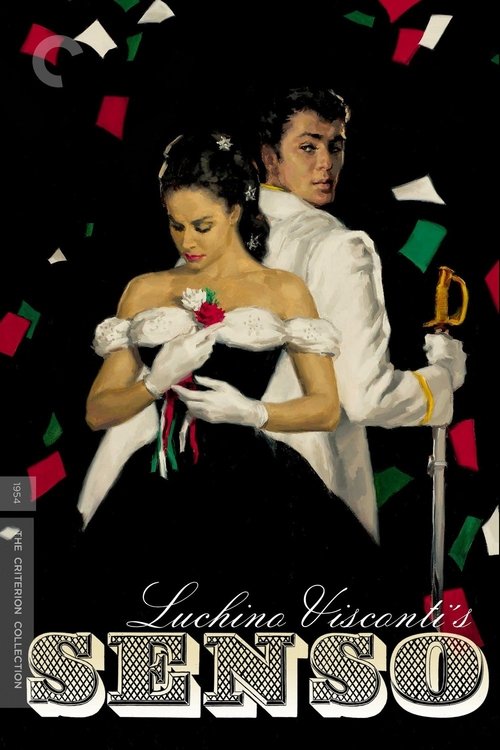
Senso1954
Both films ask whether love and loyalty to nation can coexist, or whether they're fundamentally incompatible. Both answer: not easily.
Luchino Visconti's Technicolor historical drama about Venice during the Austrian occupation. Like 1857, it uses romantic entanglement to explore the collision between personal desire and political obligation, nationalism and human feeling.
But It's operatic to the point of camp, and the colour palette is overwhelming. The woman at the centre makes a choice you will find unbearable.
More like this (6)
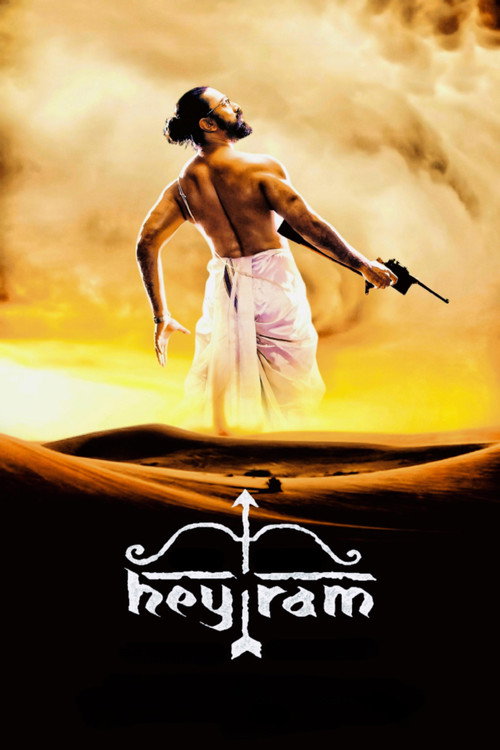
Hey Ram2000
Kamal Haasan's ambitious, fractured film about communal violence and the failure of the independence dream. A harsher companion to 1857—less triumphant, more questioning about what freedom actually cost.
But It's deliberately fragmented and hard to parse. The political philosophy can overshadow the human story, and Haasan's performance is deliberately cold.
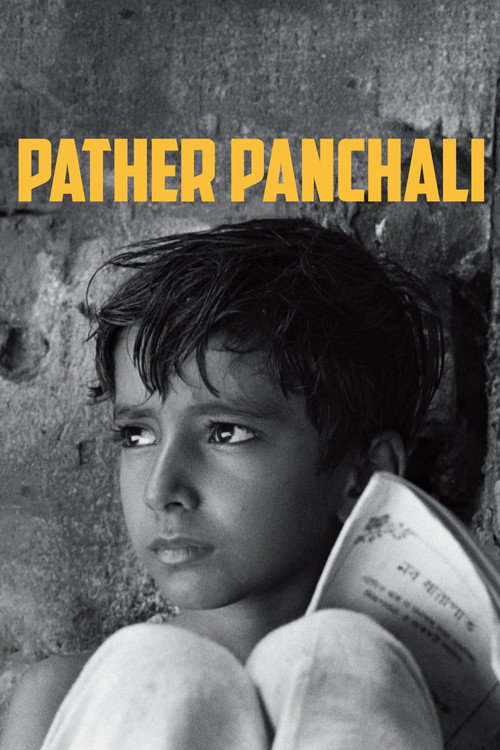
Pather Panchali1955
Satyajit Ray's masterpiece about ordinary life in Bengal, made just after independence. It captures the texture of the world that 1857 depicts, and shows what cinema could be when made with total freedom.
But It's slow, observational, and has no heroes or villains. The poverty it documents is relentless, and there's no catharsis at the end.
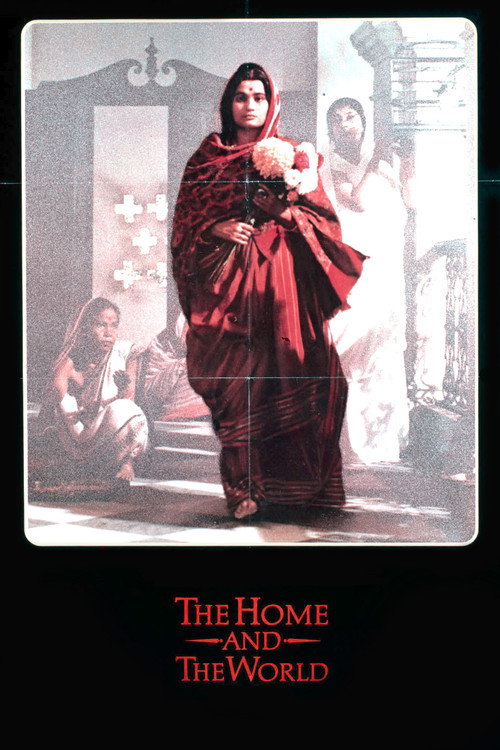
The Home and the World1985
Satyajit Ray's adaptation of Tagore, about nationalism and desire during the Swadeshi movement. It's the most psychologically complex film about anti-colonial resistance, full of doubt where 1857 offers certainty.
But Almost entirely dialogue-driven and deeply interior. If you're looking for plot momentum or spectacle, you'll be disappointed.
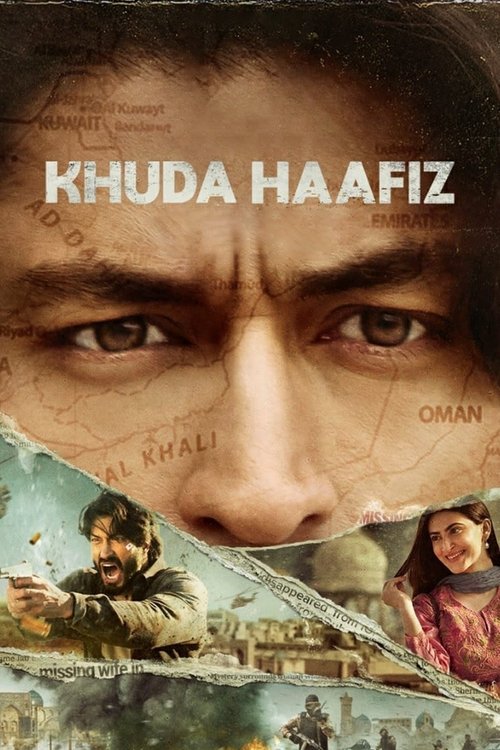
Khuda Haafiz2020
A Muslim perspective on partition and its aftermath, made with elegance and sorrow. It deepens what 1857 only gestures at—the cost of independence to ordinary people caught in its wake.
But It's a slow burn with a meditative tone. The emotional register is quiet where you might expect passion, which will feel distant to some.
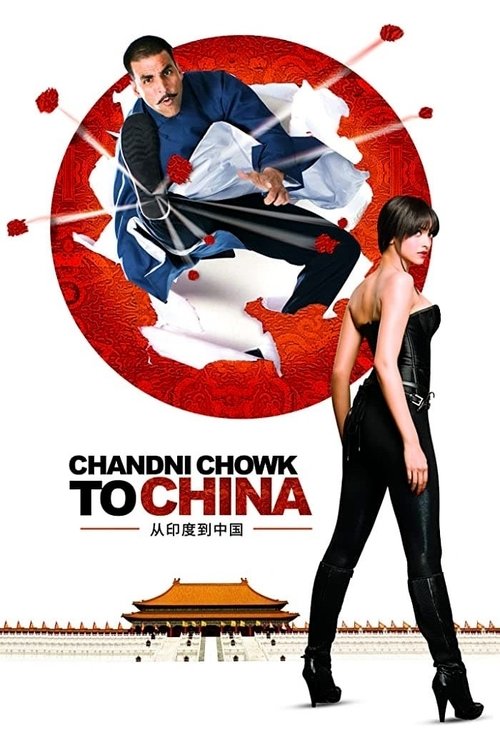
Chandni Chowk to China2009
A masala action film that invokes 1857 and the spirit of independence heroism. It's how later Bollywood chose to remember the freedom struggle—as style, spectacle, and pure fun.
But It's silly, and knows it. If you want history or seriousness, you're watching the wrong film. Aamir Khan in fancy costumes doing impossible stunts is the entire point.
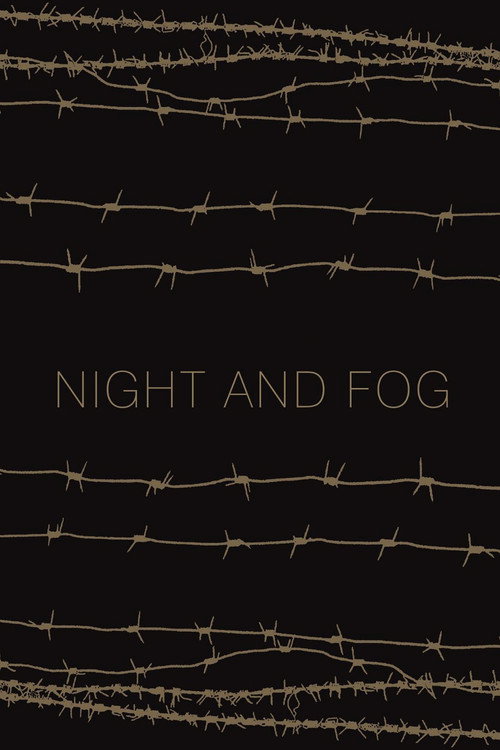
Night and Fog1956
Both use cinema as an act of historical witness, insisting that what happened matters and cannot be softened or forgotten. Both believe form and style matter when telling truth about violence.
Alain Resnais's 32-minute documentary about the Holocaust, made a decade after. What 1857 does with revolutionary idealism, this does with historical trauma—forces you to sit with what happened and why it matters that we remember.
But It's unbearably painful. Resnais's cool, poetic narration over atrocity footage can feel distant in a way that deepens the horror rather than relieving it. Not a film you enjoy; an ordeal you endure.
People
Cast
 SurendraAslam
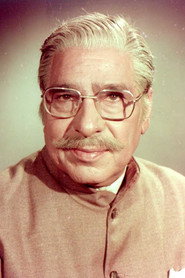 Madan PuriPrince Mirza Mughal
 SuraiyaTasnim
 Nigar Sultanamother of Manzoor
Directing
- Mohan SinhaDirector