
Film
Night and Fog
This is not history reenacted but history refusing to fade: Alain Resnais walks the grass-grown ruins of Auschwitz in colour, then cuts to the black-and-white footage of what happened there. Jean Cayrol's narration is spare, furious, unbearably calm. Thirty-two minutes, no comfort offered. It's essential viewing, not entertainment — the film that first insisted no one look away.
If you liked this
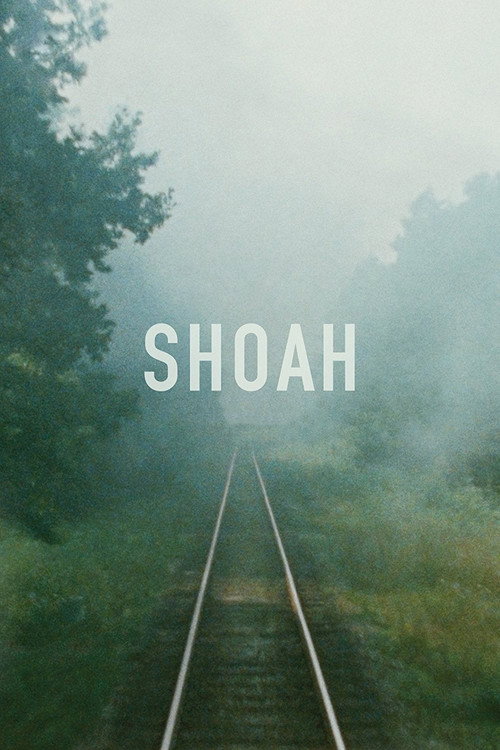
Shoah1985
Lanzmann's nine-hour epic refuses every visual crutch — no archive footage at all, just survivors, perpetrators, and bystanders talking, decades later, in the places it happened. It goes further than any other film into how memory holds atrocity.
But Nine hours across multiple sittings; the patience it demands is real, and it offers no narrative shape to hold onto.
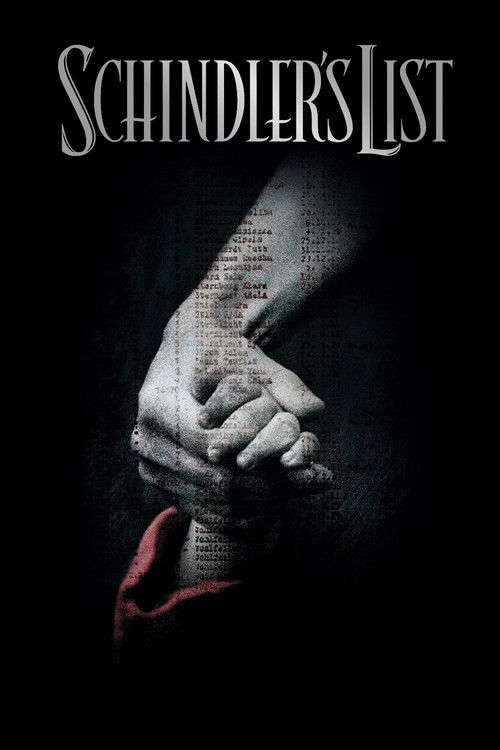
Schindler's List1993
Spielberg's dramatization brought the Holocaust to a mass audience with craft and moral seriousness rare in mainstream cinema, anchored by Neeson's slow-burning transformation and Kingsley's quiet fury.
But Its polish and narrative shape — a rescue story with a hero — sit uneasily for some against the scale of what it depicts.
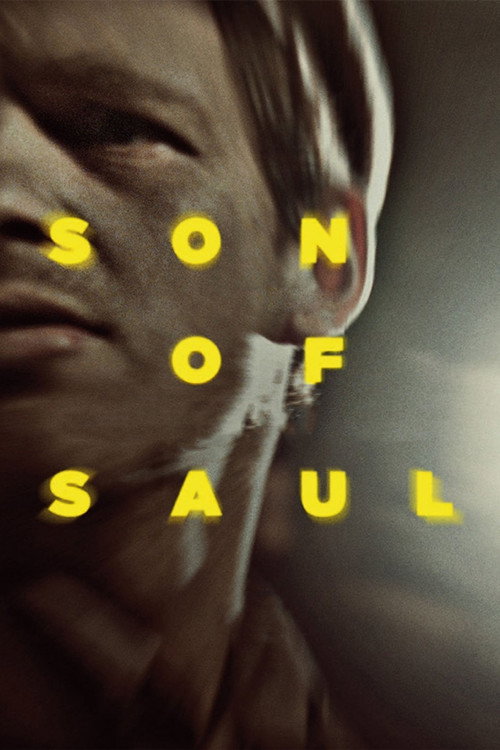
Son of Saul2015
Shot in tight, suffocating close-up from inside a Sonderkommando's daily labour, it puts you nowhere except where you cannot look away, denying any wide view of the horror.
But Deliberately disorienting and claustrophobic — an immersive experience many will find too intense to sit through twice.
The wildcard
Something you would not have found on your own.
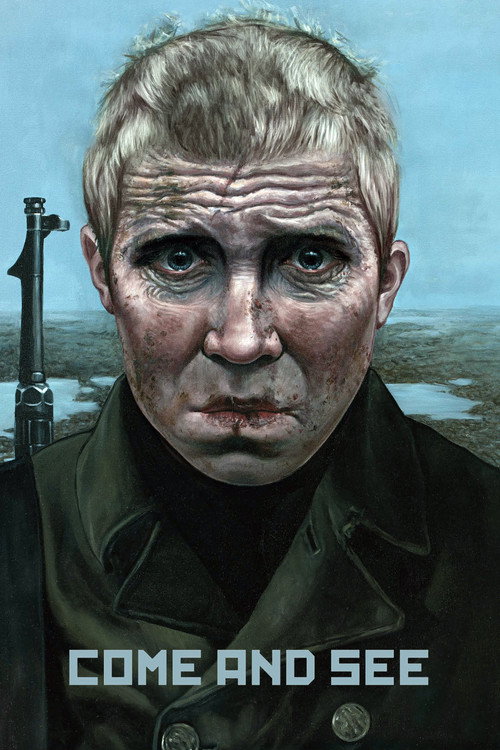
Come and See1985
Where Night and Fog assembles the evidence after the fact, this drags you, fictionally, into the middle of it — a boy's descent into the Nazi destruction of Belarusian villages, shot with a documentary's texture but a horror film's escalating dread.
Often called the most devastating war film ever made, its sound design and long unbroken takes put you inside atrocity rather than showing it to you from a safe distance.
But Genuinely traumatic to watch — not a film you casually recommend to someone having a rough week.
More like this (7)
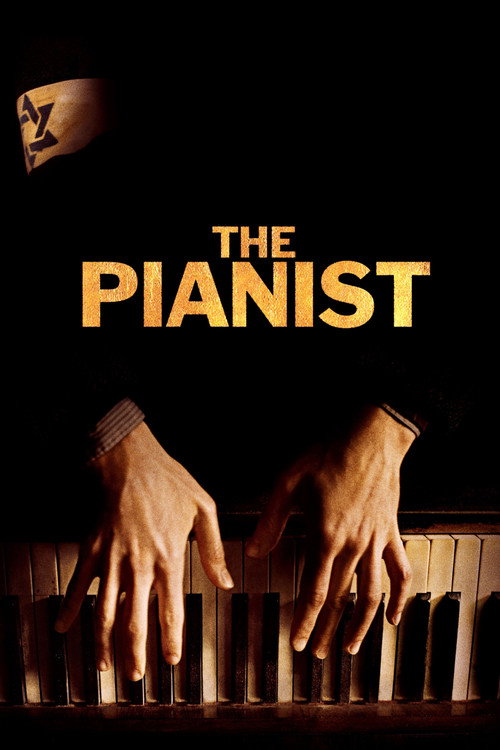
The Pianist2002
Polanski, himself a survivor of the Warsaw ghetto, directs Adrien Brody through disintegration and endurance with a specificity that avoids easy uplift or Hollywood shape.
But Long, bleak, and visually unsparing in ways that make for a genuinely difficult, exhausting watch.
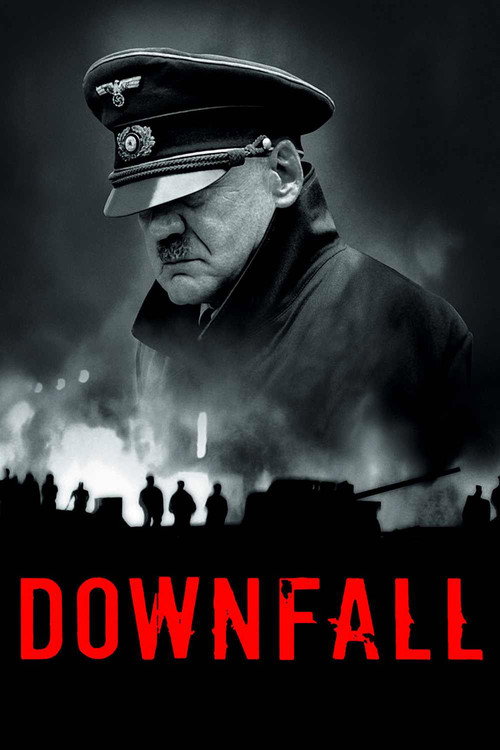
Downfall2004
Bruno Ganz's Hitler in the bunker's final days strips away myth to show petty, human collapse — a portrait of how the machinery of atrocity ends, not with grandeur but delusion.
But Its close, almost sympathetic focus on Hitler's inner circle has drawn real controversy over where empathy belongs.
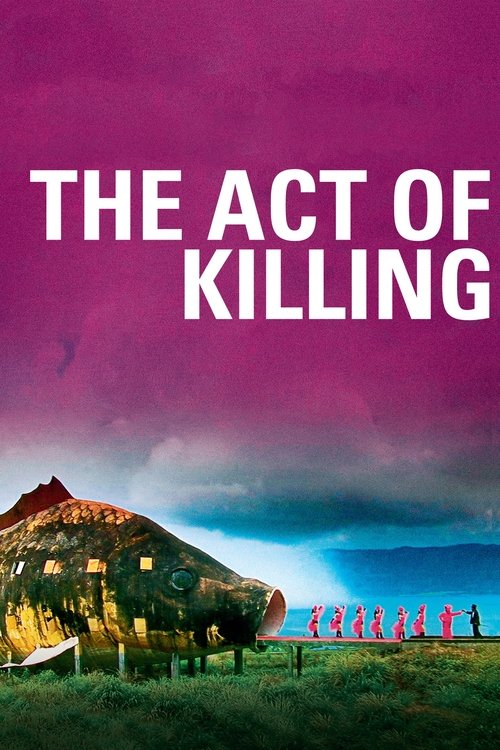
The Act of Killing2012
Joshua Oppenheimer asks Indonesian death-squad leaders to re-enact their 1965 massacres as movies of their own choosing — a formally daring, deeply unsettling study of impunity and self-mythology.
But Its method — letting killers perform without remorse — is queasy by design and may feel like giving them a stage.
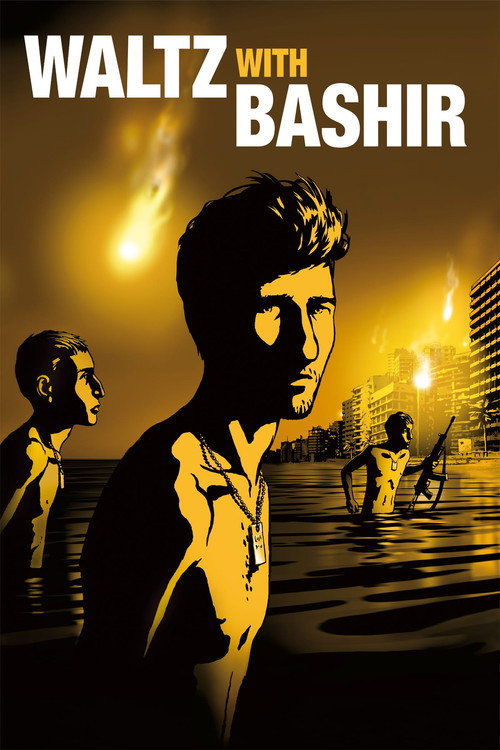
Waltz with Bashir2008
Ari Folman animates his own fragmented memories of the 1982 Lebanon War, using rotoscoped imagery to explore what trauma does to recollection itself.
But The animation, while striking, distances some viewers from the visceral reality it's depicting.
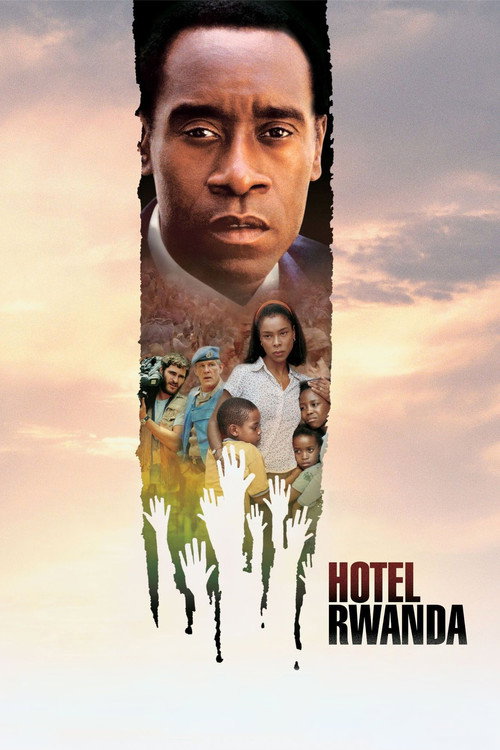
Hotel Rwanda2004
Don Cheadle anchors a dramatized account of the Rwandan genocide's mounting horror, extending the film's central question — what does bystanding cost — to an atrocity closer to living memory.
But Its rescue-narrative structure and awards-season polish soften edges some viewers feel shouldn't be softened.
The Battle of the Somme1916no page yet
Forty years before Resnais walked the ruins, this was the first film to bring industrial-scale slaughter to a home audience — the same founding idea that raw footage could indict a horror words couldn't.
Watching the earliest serious attempt to film mass death on camera changes how you see every war documentary that came after, including Night and Fog itself.
But Silent, scratchy, and partly staged for the cameras — it demands historical patience rather than immediate visceral impact.
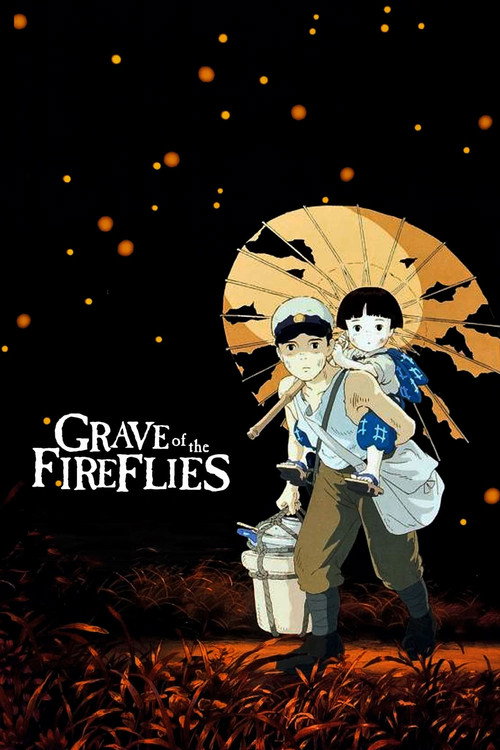
Grave of the Fireflies1988
Night and Fog insists atrocity must be looked at directly; this asks whether animation, usually a medium for escape, can hold the same weight, following two children starving in the firebombed ruins of Kobe.
One of the most quietly devastating films ever made, animated or otherwise, proving cartoon imagery can carry unbearable grief without ever softening it.
But Its gentleness of style makes the ending land harder, not easier — many say once is enough.
People
Cast
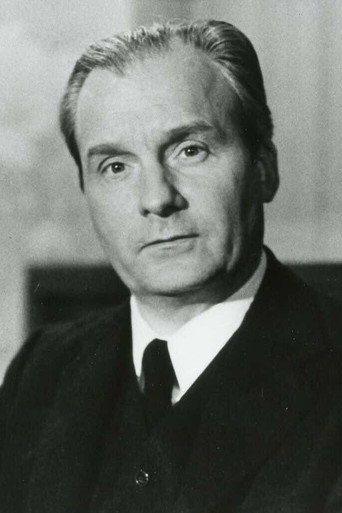 Michel BouquetNarrator (voice) (uncredited)
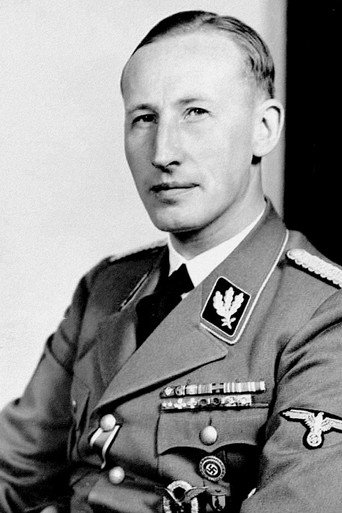 Reinhard HeydrichSelf (archive footage) (uncredited)
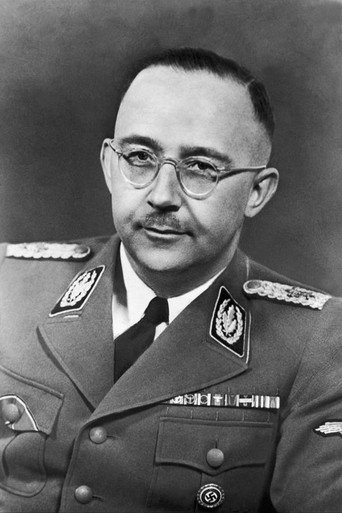 Heinrich HimmlerSelf (archive footage) (uncredited)
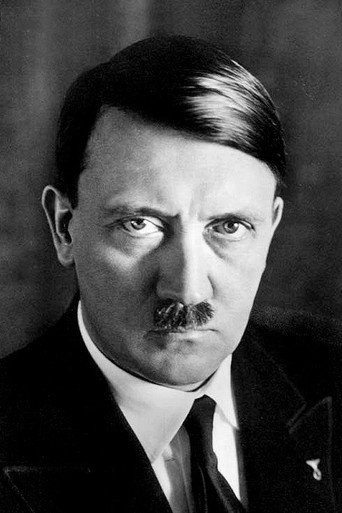 Adolf HitlerSelf (archive footage) (uncredited)
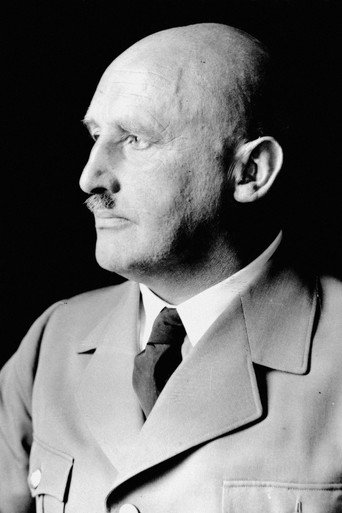 Julius StreicherSelf (archive footage) (uncredited)
Directing
- André HeinrichAssistant Director
- Chris MarkerAssistant Director
- Jean-Charles LautheAssistant Director
- Alain ResnaisDirector
Writing
- Jean CayrolScreenplay
- Chris MarkerScript Editor
Production
- Anatole DaumanProducer
- Philippe LifchitzProducer
- Samy HalfonProducer
Recommended by
La Jetée, The Act of Killing, Life Is Beautiful, To Be or Not to Be, The Missing Picture, Come and See, The Look of Silence, Shoah, The Cave, The Devil Next Door, Denial, Waltz with Bashir, S21: The Khmer Rouge Killing Machine, The Zone of Interest, Samsara, Common Threads: Stories from the Quilt, Triumph of the Will, The Painted Bird, Ida, Long Night's Journey into Day, The Diary of Anne Frank, In the Year of the Pig, White Light/Black Rain: The Destruction of Hiroshima and Nagasaki, Germany, Year Zero, 20 Days in Mariupol