
Film
Traces of the Trade: A Story from the Deep North
Katrina Browne traces her family's role in American slavery—her ancestors were Rhode Island's largest slave traders—by retracing the Triangle Trade with fellow descendants. Part genealogical reckoning, part historical investigation, it's a bracing look at how Northern wealth was built on human trafficking and how that legacy shapes us still. Essential viewing about inherited guilt and complicity.
If you liked this
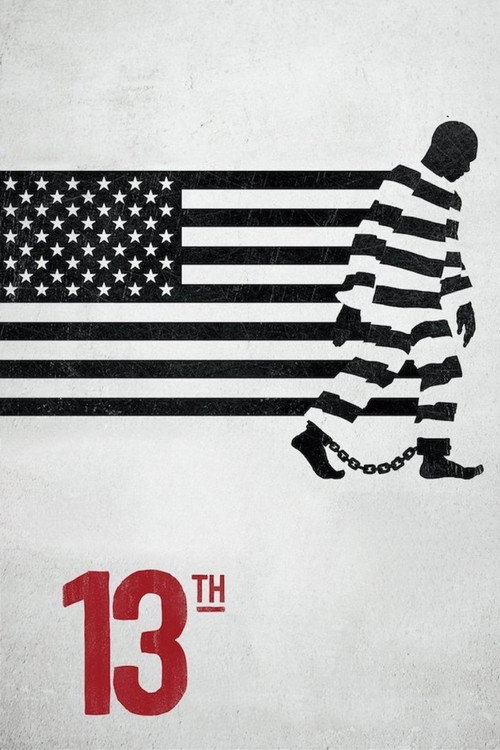
13th2016
Ava DuVernay's documentary connects slavery's abolition to mass incarceration with devastating clarity. It rewires how you understand American punishment and racial control across centuries. Structurally brilliant and morally urgent.
But Dense and argumentative; it demands you sit with uncomfortable ideas rather than offer easy catharsis. The pacing can feel relentless.
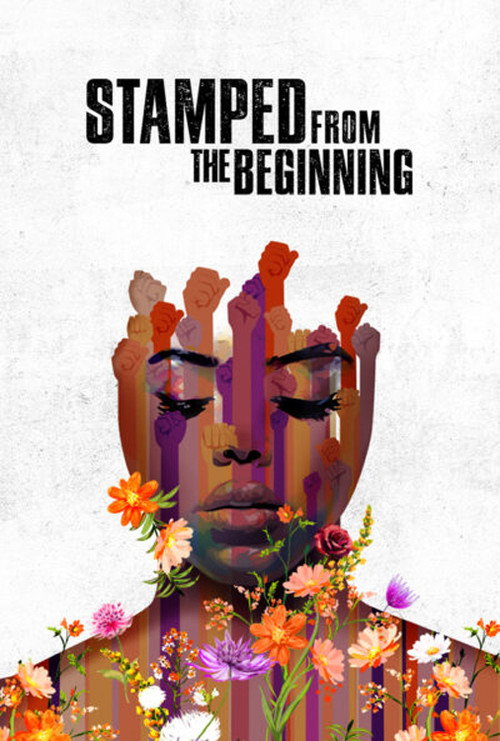
Stamped from the Beginning2023
Combines Ibram X. Kendi's scholarship with visual storytelling to trace racist ideas through American history. It contextualizes the economic and intellectual systems that justified slavery and persist today.
But Heavy conceptually; requires intellectual engagement rather than just emotional response. Some may find the academic framework alienating.
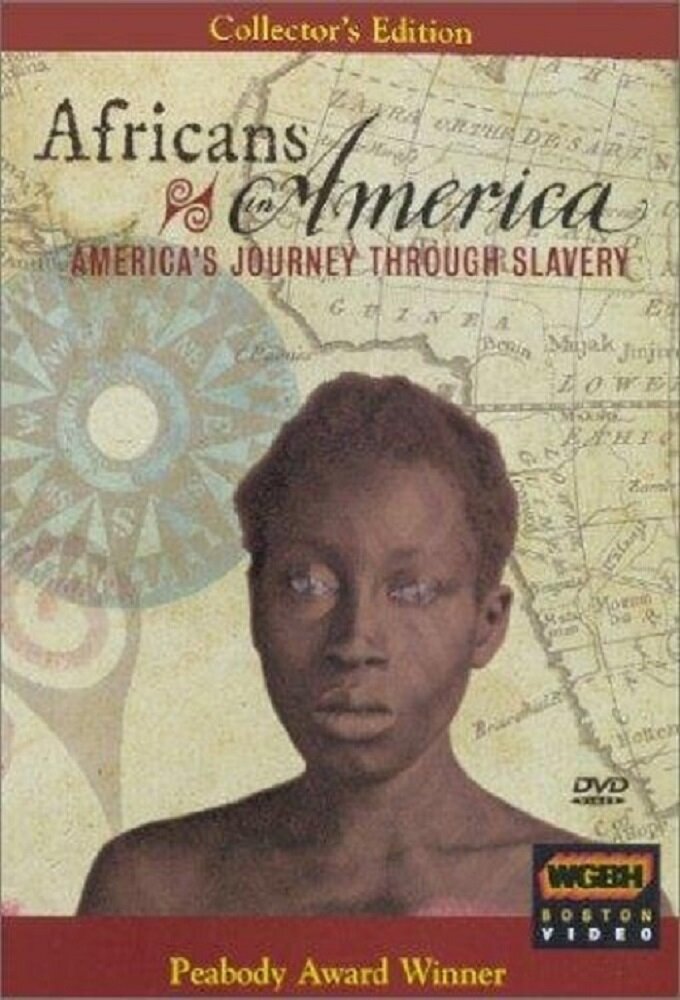
Africans in America: America's Journey Through Slavery1998
A four-part PBS series that unfolds the African diaspora and American slavery with archival depth and oral history. It's the companion piece to understand the trade routes Browne travels.
But Aired 25 years ago and shows its age in production style. Requires patience for longer-form historical television.
Not sure tonight? Get a pick in a minute, starting from Traces of the Trade: A Story from the Deep North
The wildcard
Something you would not have found on your own.
Night and Fog1956
Both are acts of bearing witness by people processing inherited responsibility—not for what they did, but for what they must now see and name.
Alain Resnais's 28-minute essay film on the Holocaust uses color and black-and-white footage to ask how atrocity becomes invisible, how we move past horror into complicity. A model for how to make personal reckoning from historical trauma.
But Shot in 1955 with a European perspective; some find the aesthetic distance uncomfortable. Its brevity means it's more meditation than exposition.

More like this (6)
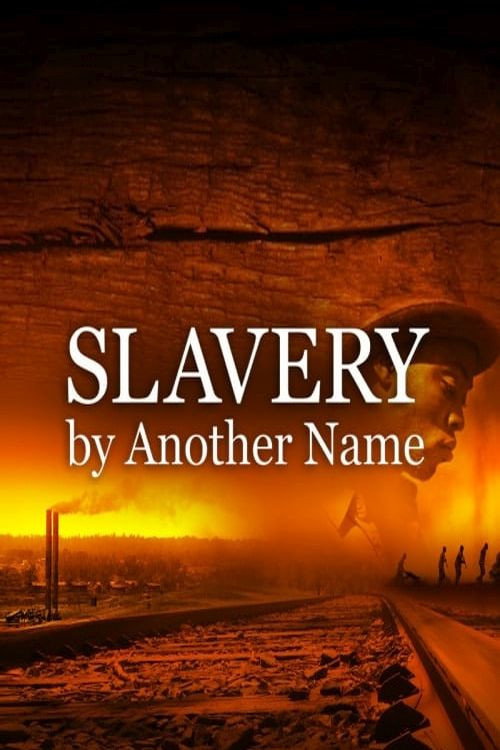
Slavery by Another Name2012
Douglas Blackmon's investigation into convict leasing shows how slavery persisted after emancipation through the criminal system. Methodical, horrifying, and criminally underseen.
But The mechanisms are sometimes confusing without historical context. Builds gradually rather than grabbing you immediately.
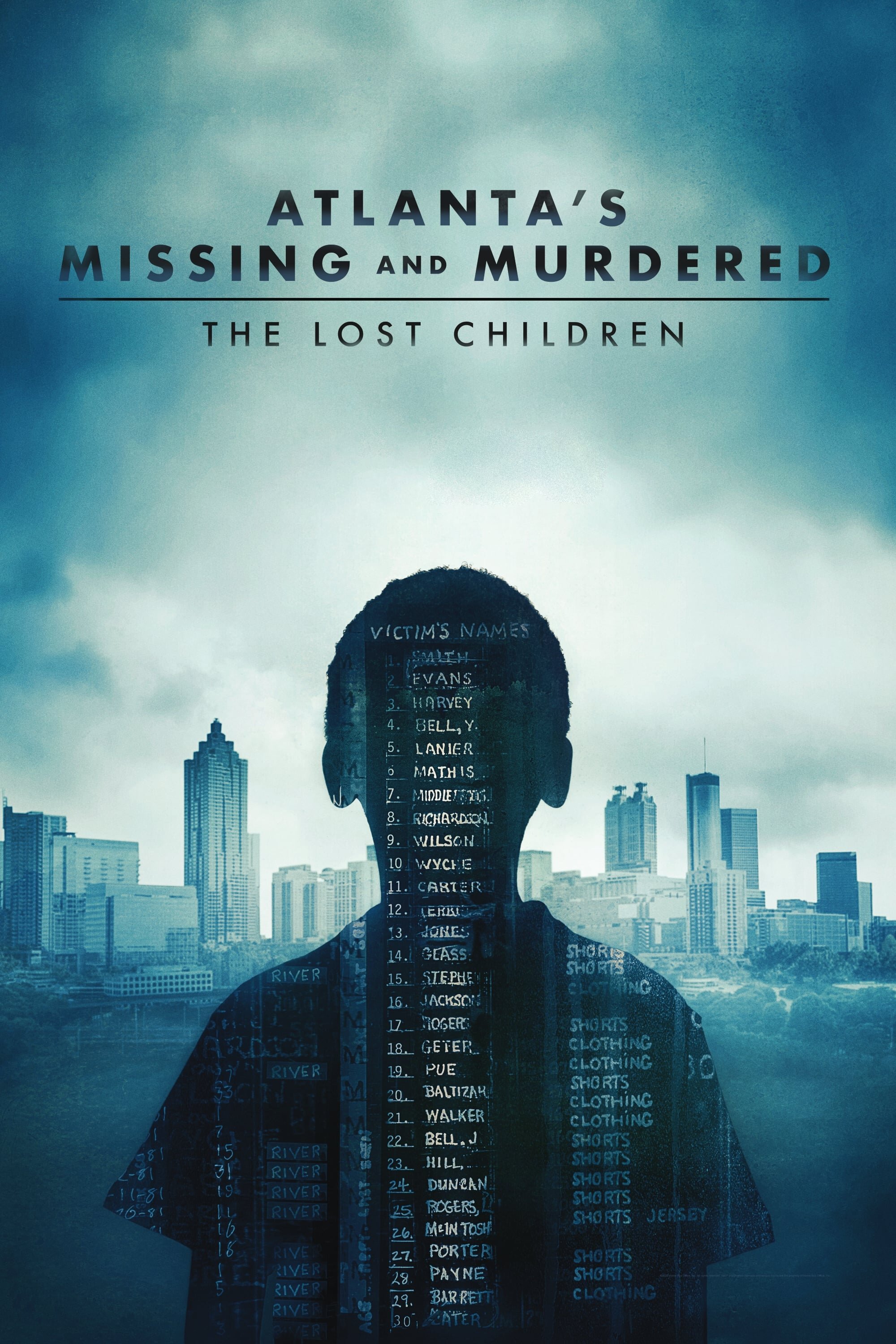
Atlanta's Missing and Murdered: The Lost Children2020
A true-crime series that connects historical devaluation of Black bodies to contemporary violence. Shows how the past isn't past—it's infrastructure.
But Focuses on real murdered children, which is devastating and potentially triggering. The true-crime framing may feel exploitative to some.
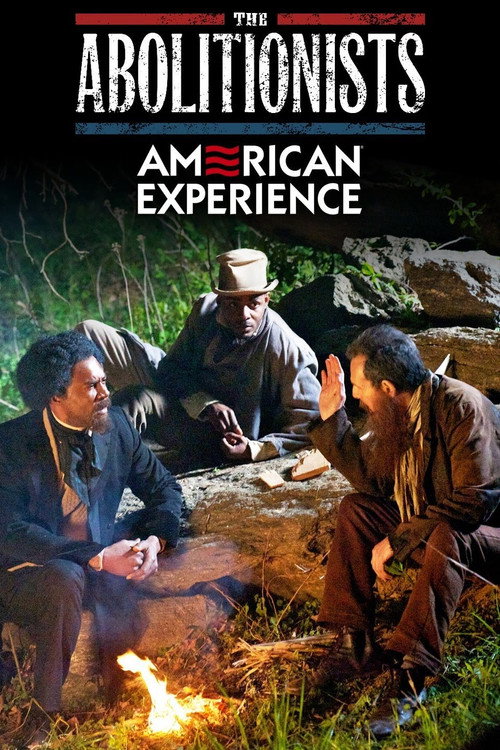
The Abolitionists2013
A nuanced portrait of the antislavery movement that acknowledges complicity and complications. Good counterweight to simple heroic narratives about Northern abolitionists.
But Takes the moral complexity seriously, which means it doesn't provide satisfying villains or heroes. Some find ambiguity frustrating.
King in the Wilderness2018
Focuses on King's later years and his economic critique of American capitalism. Connects past exploitation directly to present poverty and inequality.
But Less iconic than popular King documentaries, which some find disappointing. His radicalism can challenge comfortable liberal narratives.
The Act of Killing2012
Both trace how societies bury complicity and how descendants (literal and cultural) normalize horror. Both ask: what do we do when the guilty never faced justice?
Director Joshua Oppenheimer asks Indonesian death-squad leaders to stage recreations of the 1960s massacres they perpetrated. Haunting, surreal, and forces a confrontation with how perpetrators narrate their own monstrosity.
But Morally vertiginous and genuinely disturbing. The theatrical reenactments create a queasy aesthetic that many find unbearable. Some argue it gives perpetrators a platform.

Exterminate All the Brutes2021
A descendant of colonized peoples conducting a genealogical investigation into global systems of theft and murder—formal boldness as a refusal to let history be tidy or comfortable.
Raoul Peck's four-part essay uses visual collage, animation, and theoretical leaps to connect colonialism, slavery, and genocide as a unified global system. Formally wild and intellectually thrilling.
But Aggressively fragmented and nonlinear. The experimental form will alienate viewers who want clear narrative. Some find the intellectual scope overwhelming rather than clarifying.
People
Cast
- Katrina BrowneSelf
- Tom DeWolfSelf
- Keila DePoorterSelf
- Kofi AnyidohoSelf
- Holly FultonSelf
Directing
- Katrina BrowneDirector
Writing
- Katrina BrowneWriter
Production
- Juanita Capri BrownCo-Producer
- Katrina BrowneProducer