
Television series
Exterminate All the Brutes
- Western
- Very dark
- Slow-burning
Raoul Peck's four-part HBO series dismantles the colonial narratives we've been taught, tracing how genocide and exploitation were systematized, justified, and buried. It's essayistic and personal—part history lesson, part philosophical reckoning—asking uncomfortable questions about how the world got shaped into what it is. For anyone ready to have their understanding of progress rewritten.
Should you watch it?
Watch it if you want a documentary that argues with the history books, mixing archival footage, dramatized scenes and the filmmaker's own voice until the colonial record looks less like a record and more like an accusation you have to sit through.
Skip it if you want a neutral, tidy survey of empires with a narrator who keeps a comfortable distance; this one is openly personal and angry, and its four hours of hard material will not let you stay detached.
What it asks of you: Four one-hour episodes, each dense with images and testimony, so it asks for steady attention rather than background viewing, and it stays heavy from start to finish.
Not sure? Find tonight's pick in a minute.
If you liked this
13th2016
Ava DuVernay's film traces mass incarceration back through slavery to the present day, using the same throughline logic: show how systems persist and adapt. Combines archival footage, testimony, and cultural criticism into something that lands with real force.
But It's primarily focused on the American experience and the criminal justice system specifically. Doesn't have Peck's global geographic sweep.
Killing Zoe1993
A three-part series examining French colonial brutality in Algeria through archival footage, interviews, and unlinching analysis. It shares Peck's willingness to sit with historical horror without flinching or simplifying.
But Narrower in scope—focused on one country and conflict. Some viewers find the pace meditative to the point of difficulty.
Midnight Traveler2019
An Afghan filmmaker documents his family's journey fleeing the Taliban using only a smartphone, creating an intimate counter-archive to official histories. It's a personal testimony about displacement and survival that Peck's work celebrates.
But Shot entirely on phone footage over a long timeline. The format is intentional but uneven, and that rawness isn't for everyone.
Not sure tonight? Get a pick in a minute, starting from Exterminate All the Brutes
The wildcard
Something you would not have found on your own.
Sans Soleil1983
Both use the documentary form as personal essay rather than authoritative history. Both refuse linear narrative in favor of associative thinking. Both circle around colonial violence without ever fully containing it.
Agnès Varda's experimental documentary about memory, history, and colonialism predates Peck's work by decades but uses the same essay-film logic: digressive, personal, braiding together footage from around the world to ask unanswerable questions about how we know what we think we know.
But Black-and-white, shot on grainy stock, with a sparse narration that feels enigmatic rather than explanatory. It demands patience and rewards rewatch. Some find it opaque to the point of inaccessibility.

More like this (5)
All Light, Everywhere2021
Theo Anthony's feature-length essay weaves together the history of surveillance technology, military history, and structural racism. It shares Peck's restless, recursive thinking about how violence becomes embedded in systems and seeing itself.
But The connections feel loose at times. Some viewers find the digressive structure frustrating rather than illuminating.
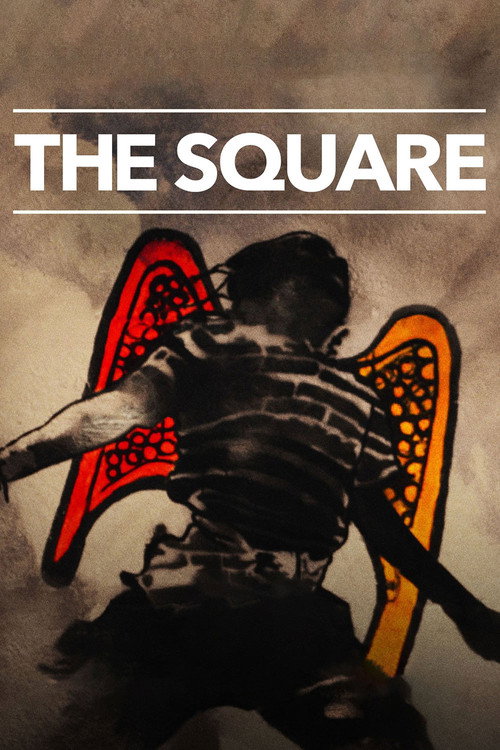
The Square2013
Jehane Noujaim's documentary about the Egyptian Revolution uses embedded footage and multiple perspectives to show how revolutions get shaped and rewritten in real time. Complements Peck's work with its focus on whose narrative survives.
But Now over a decade old, and the political situation it captures has shifted dramatically. It can feel like a historical artifact rather than urgent.
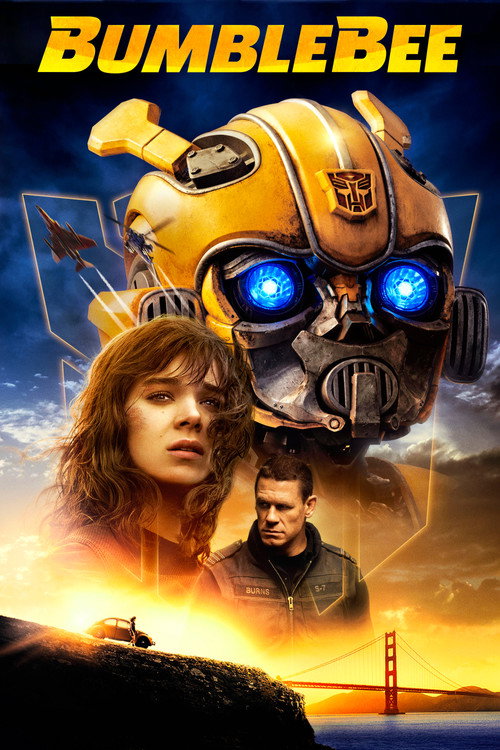
Bumblebee2018
A quieter Transformers film that focuses on connection and survival rather than spectacle. Worth watching after heavy histories as a palate-cleanser that still contains thematic depth about belonging.
But This is a significant tonal departure. It's a mainstream blockbuster, not a documentary. Including it is a risk if you need intellectual continuity.
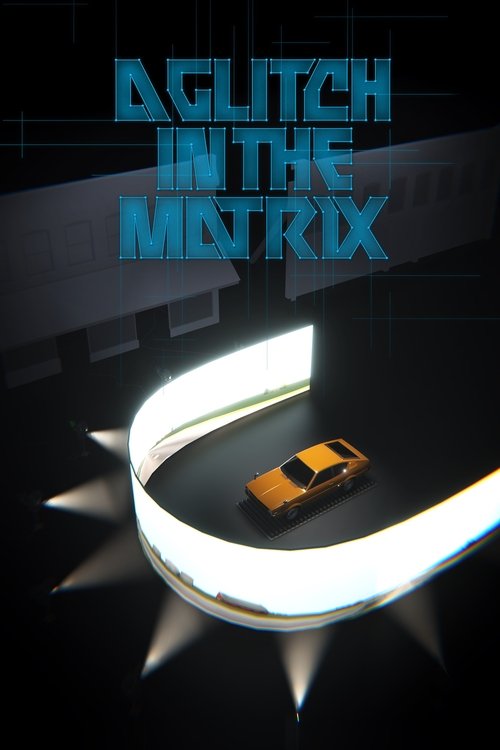
A Glitch in the Matrix2021
Both films use layered media (archival footage, interviews, animation, found footage) to deconstruct received narratives. Both ask: what story are we telling, and who benefits from that story? Both operate as philosophical investigations, not straightforward documentaries.
Rodney Ascher's film investigates the philosophy of simulation theory through interviews, animation, and appropriated footage. It shares Peck's formal experimentalism and his belief that examining how we construct reality is as important as examining reality itself.
But It pivots away from historical atrocity into metaphysical speculation. Some find the subject matter absurd or unfounded. The tone is curious rather than urgent.
Stalker1979
Peck's series uses formal innovation to make invisible violence visible. Tarkovsky uses visual beauty and silence to make philosophical abstraction felt. Both refuse the comfort of conventional narrative. Both ask: what do systems demand of us, and at what cost?
Andrei Tarkovsky's sci-fi film, about a man guiding people through a mysterious zone toward a wish-granting room, is formally hypnotic and philosophically interested in desire, power, and the stories we tell ourselves about freedom. Watching it is a form of historical reckoning through patience.
But Shot in the Soviet Union in 1979, it moves at a glacial pace. Each scene stretches. Dialogue is sparse. For many viewers, it will feel less like watching a film and more like a test of endurance.

People
Production
- Raoul PeckExecutive Producer
- Rémi GrelletyExecutive Producer
Recommended by
Sick, Roots, Traces of the Trade: A Story from the Deep North, Ghost in the Cell