
Film
Sans Soleil
Chris Marker's essay film disguised as a travelogue - a woman's voice reads letters from a cameraman drifting between Tokyo arcades, Icelandic volcanoes, and the aftermath of revolution in Guinea-Bissau. It's less about any of these places than about the gap between seeing and remembering. Dense, digressive, hypnotic - a film for people who love thinking as much as watching, not for anyone wanting a plot.
If you liked this
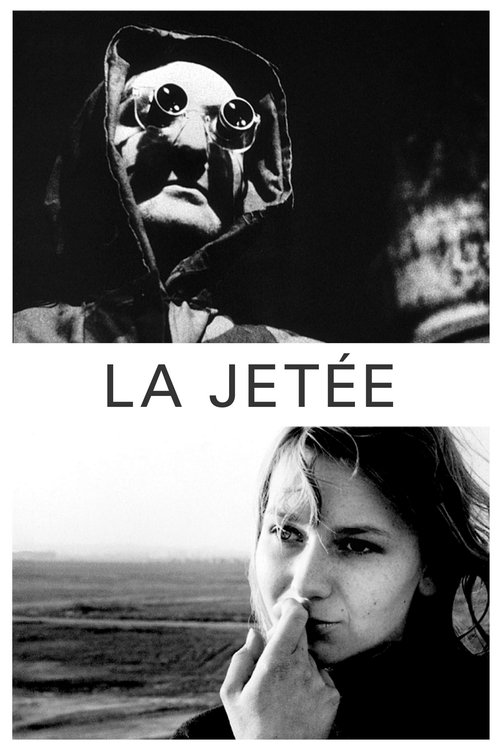
La Jetée1962
Marker's own 28-minute photo-roman, told almost entirely in stills, carries the same ache over memory and time that runs through Sans Soleil, just compressed into science fiction.
But It's barely half an hour, and its stillness will read to some as a slideshow rather than a story.
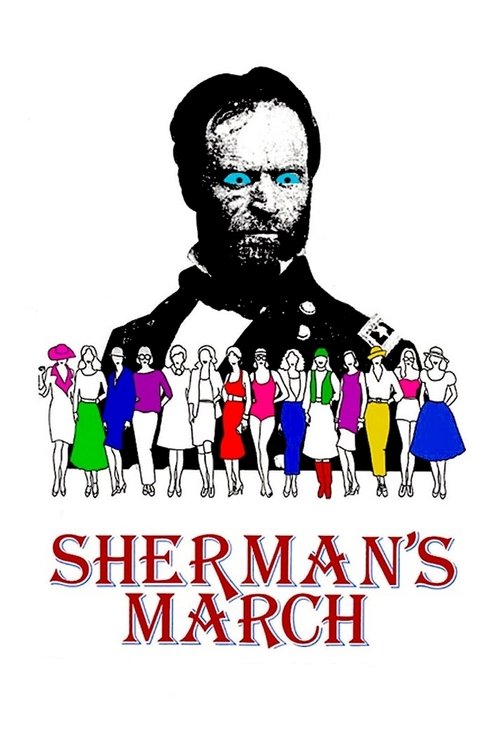
Sherman's March1986
Ross McElwee sets out to document General Sherman's Civil War campaign and ends up making a rambling, funny, deeply personal essay about himself and the women he can't stop falling for - the same wandering narration in a warmer key.
But Two and a half hours of one man's romantic anxieties may test your patience if you came for history.
Los Angeles Plays Itself2004no page yet
Thom Andersen narrates three hours of film clips into an argument about how cinema has used and lied about his city - pure essay-film pleasure, image serving as evidence and memory at once.
But It's long, clip-heavy, and assumes a real appetite for film history over plot or character.
The wildcard
Something you would not have found on your own.
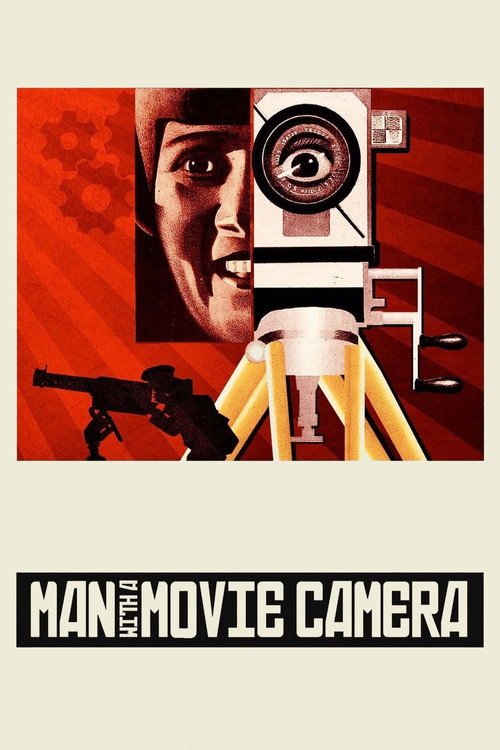
Man with a Movie Camera1929
Vertov's insistence that a film could think in images alone, cutting for association rather than story, is the direct ancestor of Marker's restless editing - watch this and you're watching where Sans Soleil learned to talk without talking.
Dziga Vertov's silent city symphony has no plot and no captions, just a day in Soviet urban life built from rhythm, montage, and a camera that keeps revealing itself as a camera.
But Silent, nearly a century old, and its avant-garde editing can feel more like a puzzle than entertainment on a tired evening.
More like this (8)
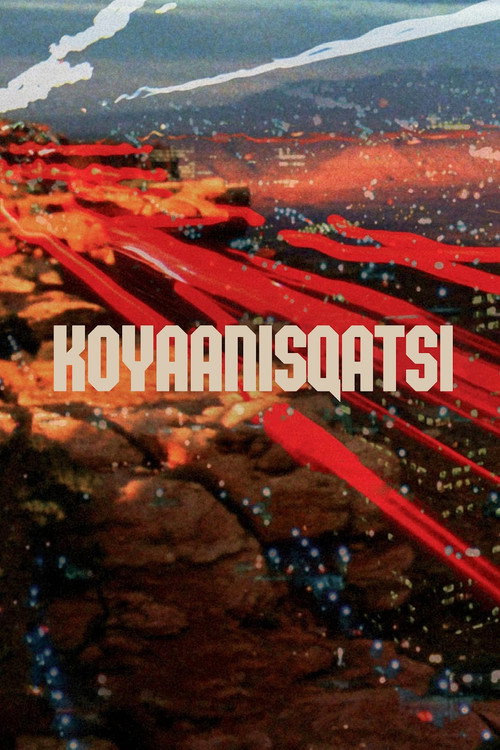
Koyaanisqatsi1983
No narration at all - just Philip Glass's score and images of nature and machinery colliding into a wordless meditation on modern life, close cousin to Marker's fascination with technology and time.
But Without a voice to guide you, some find it beautiful but inert, more mood than meaning.
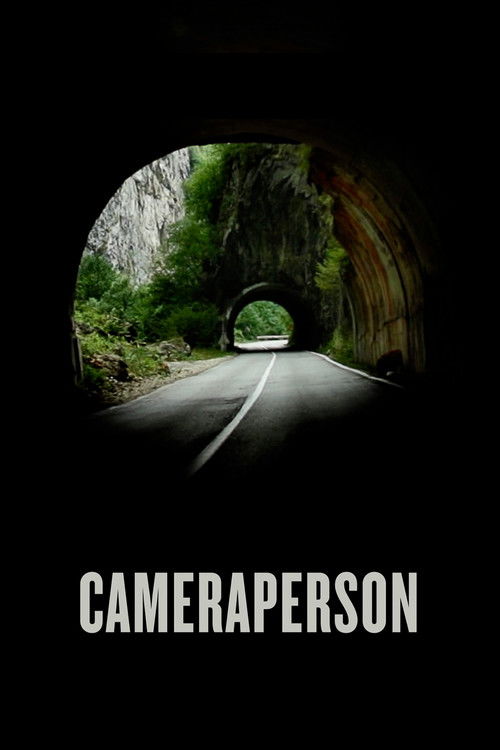
Cameraperson2016
Kirsten Johnson assembles decades of her own unused footage - war zones, family, strangers' living rooms - into a memoir told entirely in fragments, trusting you to feel the connections the way Marker does.
But There's no throughline handed to you; you have to do the assembling yourself, which can feel like work.
My Winnipeg2008no page yet
Guy Maddin's self-described docu-fantasia reimagines his hometown through sleepwalking, seance, and half-invented history - a playful, melancholic cousin to Marker's blend of fact, memory, and outright fabrication.
But It's deliberately unreliable and heavily stylised; if you want a straight account of anything, this isn't it.
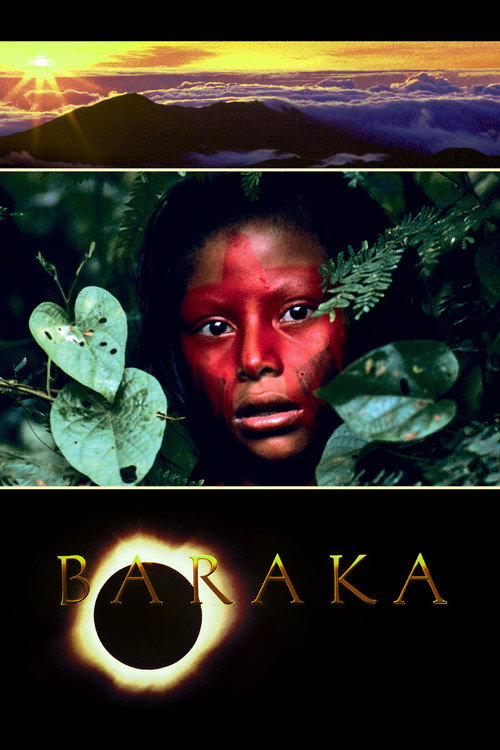
Baraka1992
A wordless procession of sacred sites, factories, and faces from two dozen countries, cut together to suggest connections rather than state them - the same trust in juxtaposition that powers Marker's editing.
But Gorgeous but shapeless if you need argument or narrative to hold onto.
The Gleaners and I2000no page yet
Agnès Varda wanders France filming people who live off what others throw away, turning a small subject into a wide meditation on age, waste, and her own mortality - warm where Marker is cool, built from the same essayistic drift.
But Its charm is gentle and specific; it won't grab you if you want big ideas delivered forcefully.
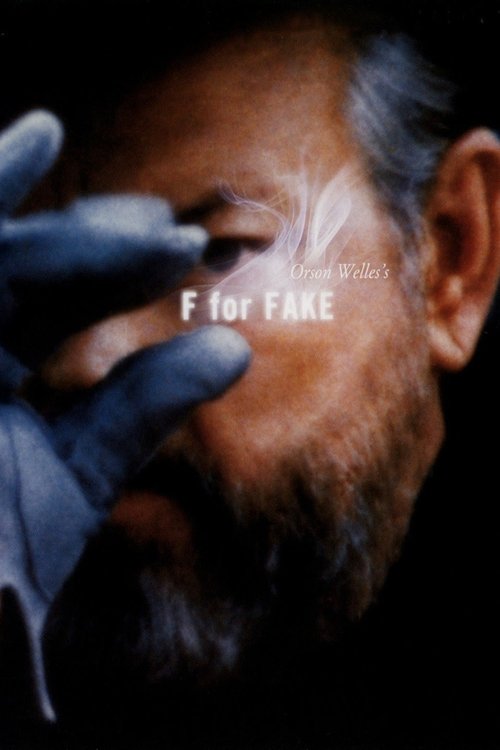
F for Fake1973
Orson Welles' last major film is an essay on forgery and authorship disguised as a documentary about an art forger - mischievous where Marker is grave, but just as interested in what a camera can't be trusted to tell you.
But Its trickery is the whole point, and anyone wanting a straightforward true story will feel deliberately misled.
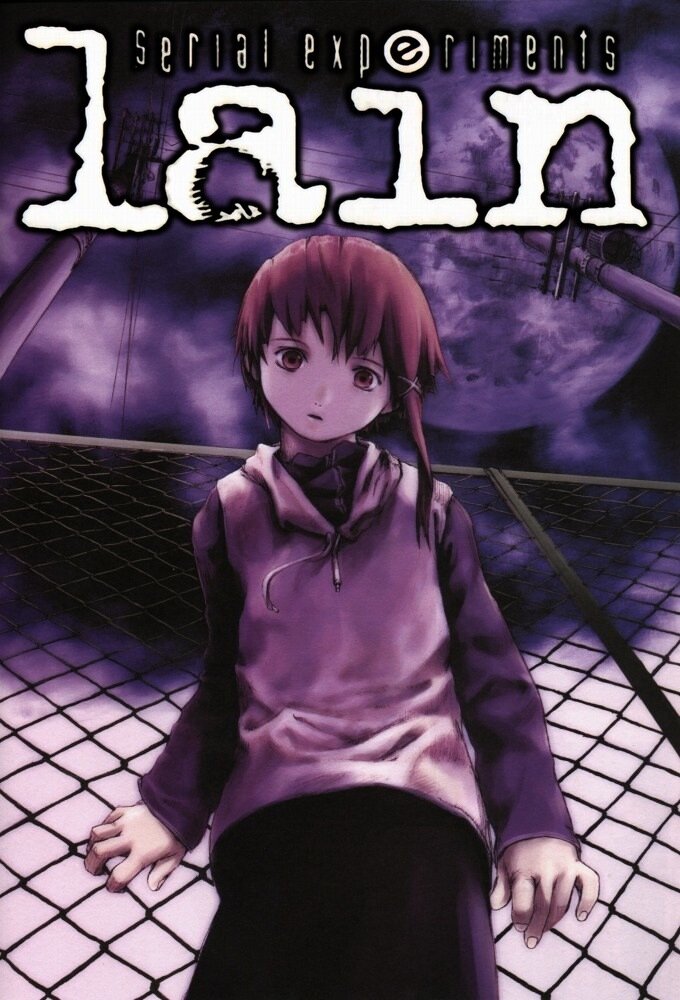
Serial Experiments Lain1998
Marker's fascination with Japan as a place where memory, technology, and identity blur finds its strangest, purest descendant here - a series built entirely from the anxiety that the self might just be information.
A 13-episode anime about a schoolgirl pulled into a networked reality that dissolves memory, identity, and the line between self and signal - eerie, fragmented, obsessed with the same electronic ghosts that haunt Marker's Tokyo.
But It's cryptic by design and more interested in atmosphere than answers, which will frustrate anyone wanting resolution.
Mondo Cane1962no page yet
Both films splice unrelated footage from around the world into a single narrated argument about 'the world' - Marker uses the grammar to ask what it means to look, while Mondo Cane uses it purely to gawk; seeing both exposes how much of the essay film's power is just editing and voice.
The original shockumentary, stitching lurid but real footage from around the world into a globe-trotting spectacle - the disreputable ancestor of the travelogue-essay, made purely to shock rather than illuminate.
But It's exploitative and often racist in its framing, with none of Marker's tenderness or self-awareness - a genuinely uncomfortable watch by design.
People
Cast
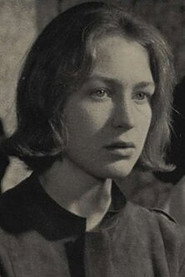 Florence DelayNarrator (voice)
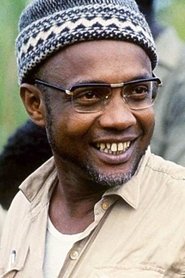 Amílcar CabralSelf (archive footage)
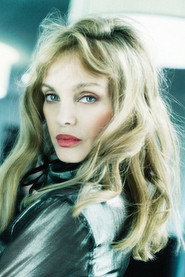 Arielle DombasleSelf
- Bin AkaoSelf (uncredited)
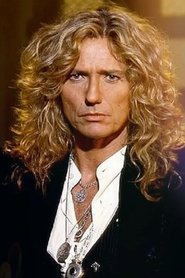 David CoverdaleSelf / Deep Purple Singer (uncredited)
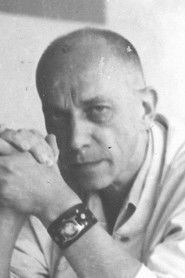 Chris MarkerSelf (uncredited)
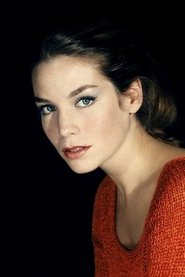 Alexandra StewartNarrator (voice)
Directing
- Pierre CamusAssistant Director
- Chris MarkerDirector
Writing
- Chris MarkerWriter
Production
- Anatole DaumanProducer
Recommended by
La Jetée, Anthony Bourdain: Parts Unknown, Anthony Bourdain: No Reservations