
Film
Vigo
- Biopic
- Slow-burning
A portrait of Jean Vigo, the visionary French filmmaker whose revolutionary work emerged from illness and chaos. This is a film about artistic obsession meeting physical decay—how genius and madness can live in the same body, and how one person's refusal to compromise can cost everything. For those drawn to biopics about artists who burned bright and brief.
Should you watch it?
Watch it if you are drawn to films about artists who refuse compromise, and want a portrait that feels as restless and inventive as the filmmaking it describes.
Skip it if you need a brisk, plot-driven biopic, since this drifts through moods and fragments and rests on a life more than a story.
What it asks of you: Its shape is unhurried and hazy, with long quiet stretches and a dark, melancholy undertone, and it rewards focus far more than background viewing.
Not sure? Find tonight's pick in a minute.
If you liked this
La Haine1995
Mathieu Kassovitz's fever-dream about Paris's margins, shot with the same uncompromising visual intensity and social anger that defined Vigo's work. A spiritual heir to the revolutionary French cinema Vigo pioneered.
But Bleak and confrontational in ways that demand patience. The nihilism won't ease up, and the ending offers no redemption.

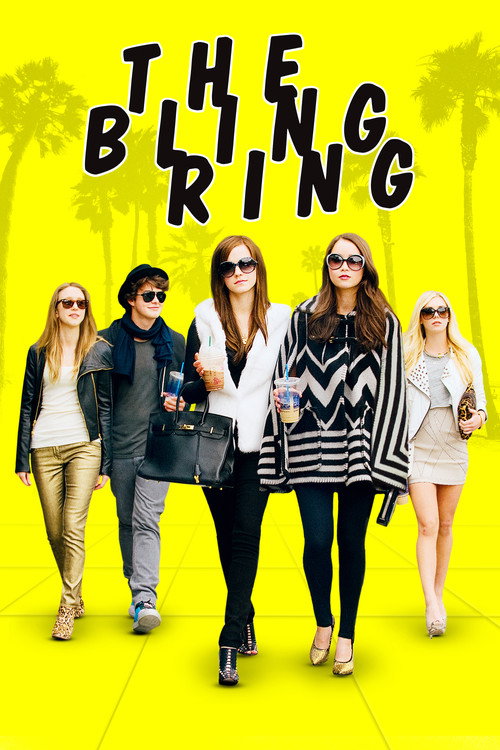
The Bling Ring2013
Sofia Coppola examining obsession, privilege, and the spaces between performance and reality. Like Vigo, she finds profound truths in surfaces and refusal—her camera stays cool while chaos unfolds.
But Some find it too detached, mistaking Coppola's reserve for indifference. If you want catharsis, you won't find it here.
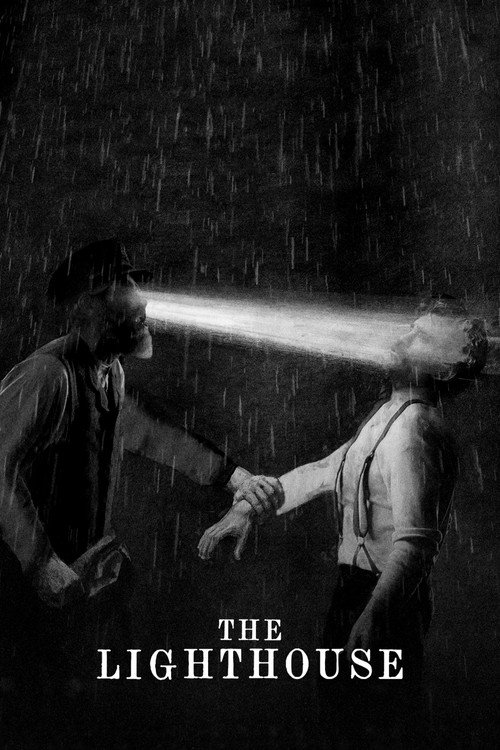
The Lighthouse2019
Robert Eggers' portrait of two men circling madness in isolation, shot in black-and-white with obsessive formal precision. The same collision of artistic vision and psychological unraveling that defines Vigo's life and work.
But Deliberately claustrophobic and hallucinatory. The accents and dialect can be hard to parse, and there's no plot to follow, only descent.
Not sure tonight? Get a pick in a minute, starting from Vigo
The wildcard
Something you would not have found on your own.
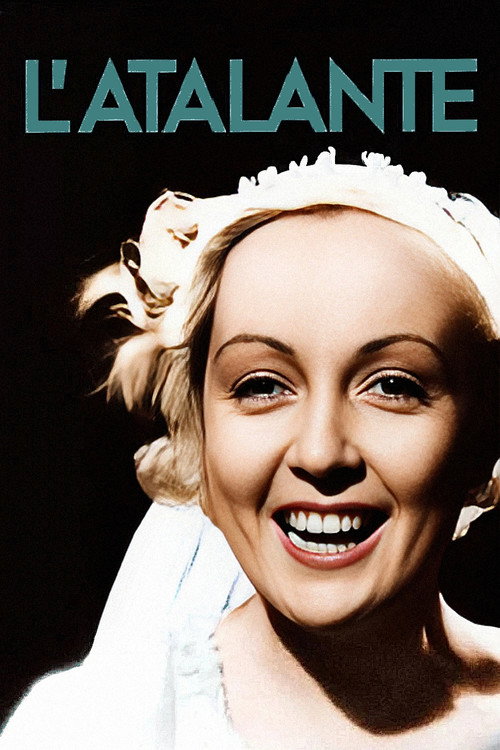
L'Atalante1934
Not a recommendation alongside Vigo—it's the destination. This is what his life was in service of, and seeing both reveals how biography illuminates art, and how art transcends the life that made it.
Jean Vigo's masterpiece, a love story that functions as a poem about desire and belonging. You must see what he actually made—the work that emerged from the struggle depicted in this film. Watch this after Vigo and understand what was at stake.
But It's in French with subtitles, shot in the 1930s in soft focus and mist. If you need plot momentum or clear narrative, it will feel like nothing happens.
More like this (8)
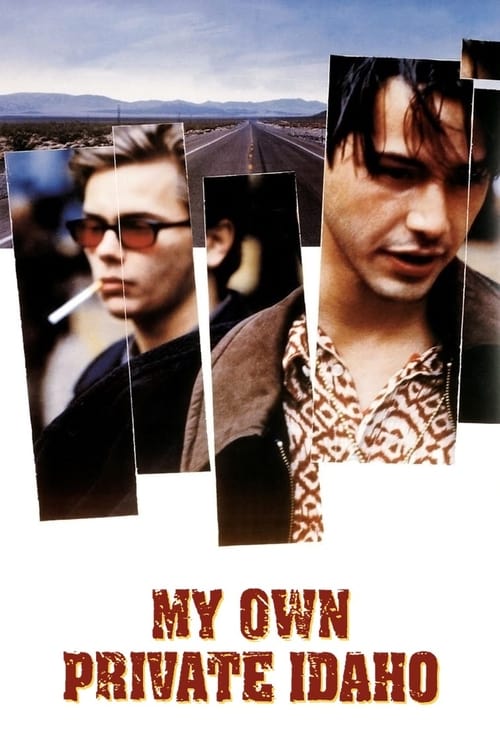
My Own Private Idaho1991
Gus Van Sant's meditation on youth, displacement, and artistic vision amid poverty and addiction. Shot with dreamlike fluidity, it captures the way genius can bloom in the margins and wreckage.
But Structurally fragmented and emotionally messy. Some scenes feel deliberately obscure, and the pacing will frustrate those wanting conventional narrative.
Stalker1979
Tarkovsky's hypnotic exploration of obsession and desire, where the camera moves with glacial intention to reveal inner worlds. Like Vigo, Tarkovsky refuses compromise or clarity, demanding viewers surrender to his rhythm.
But Punishingly slow. Nearly three hours of long takes and philosophical drift. You must meet it halfway or it will lose you entirely.

Synecdoche, New York2008
Charlie Kaufman's labyrinth about an artist drowning in his own vision, where ambition and decay spiral together. A modern film that understands how the obsessive mind transforms life into art, often fatally.
But Deliberately confusing and self-referential in ways that feel exhausting rather than clever. The tone shifts without warning, and the script sometimes vanishes into abstraction.

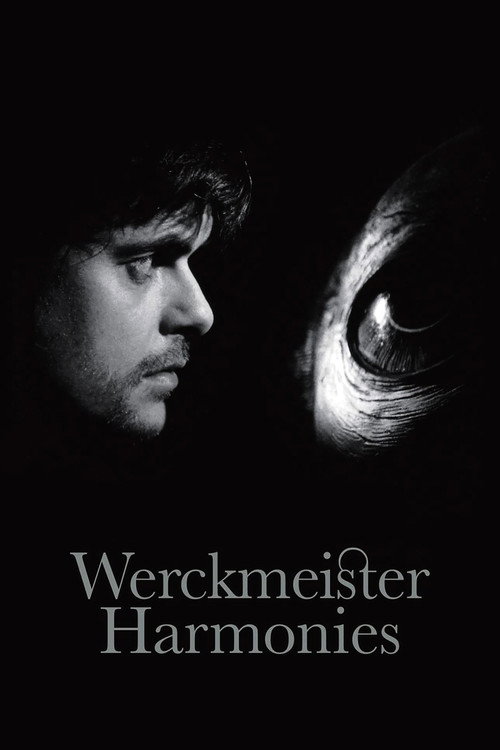
Werckmeister Harmonies2001
Béla Tarr's stark, mesmerizing study of a small town and one man's spiritual crisis. Shot entirely in black-and-white, it shares Vigo's commitment to form as content, every frame a deliberate choice.
But Wordless long passages and minimal dialogue. The apocalyptic mood never lifts, and at 145 minutes it demands absolute surrender from the viewer.
Possession1981
Andrzej Żuławski's visceral portrait of a marriage imploding, shot with chaotic intensity that mirrors psychological breakdown. Like Vigo, Żuławski refuses to sanitize madness or make it bearable to watch.
But Genuinely disturbing in its depiction of mental illness. Some scenes are grotesque and exploitative rather than illuminating, and the logic is dream-like to the point of incoherence.

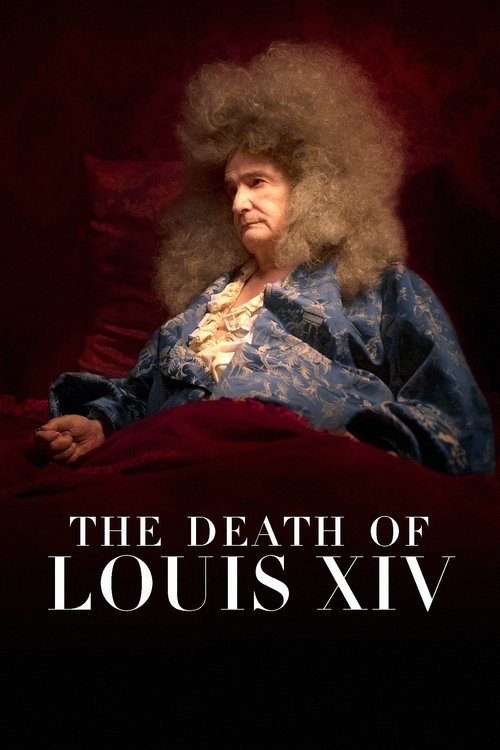
The Death of Louis XIV2016
Albert Serra's austere study of mortality and state power, where a king confronts his own decay with philosophical clarity. Spare, strange cinema about bodies and minds at the end of their certainty.
But Deliberately static and airless. Serra provides no emotional handholds, and the 119-minute runtime feels much longer because almost nothing happens.
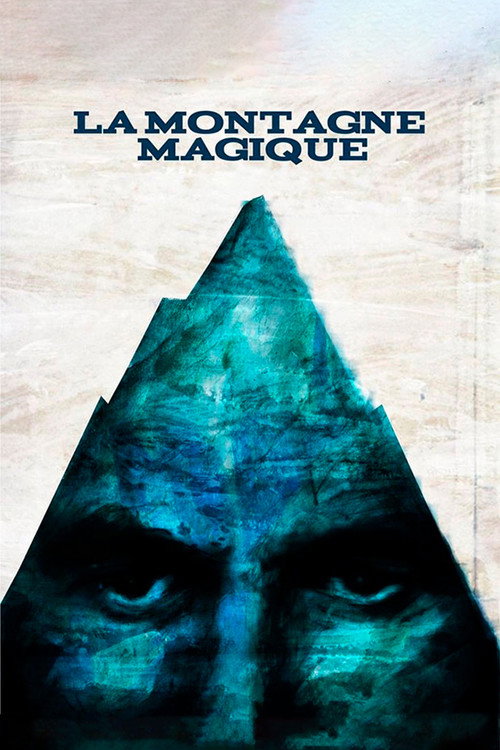
The Magic Mountain2015
Both films use the sanatorium as a crucible where genius and madness, intimacy and alienation, converge. Where Vigo documents the biographical fact, Hadžihalilović imagines its psychological and sensual texture.
Lucile Hadžihalilović's hallucinatory chamber piece set in a Swiss sanatorium, where illness, sexuality, and power twist together in dreamlike sequences. A film about the sanatorium as a space of revelation and corruption, shot with hypnotic precision.
But Deliberately obscure and anti-narrative. Long, static takes and minimal dialogue; the sexual threat is ambiguous and unsettling rather than explicit, which some find frustrating.
Sans Soleil1983
Both are artists insisting that cinema can be a form of thought and resistance, not entertainment. Marker shows what Vigo was reaching toward—cinema as philosophy and protest, incompromising to the point of difficulty.
Chris Marker's essay-film wandering through memory, cinema, and politics via Japan, Guinea-Bissau, and Iceland. A completely different form—not biography but collage—yet it shares Vigo's refusal of easy meaning and his belief that cinema can think.
But It's a 100-minute voice-over essay without plot or conventional structure. The images don't illustrate the narration; they argue with it. Some find it pretentious or inaccessible rather than profound.

People
Cast
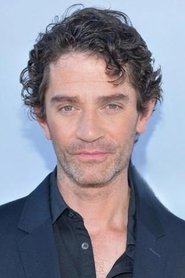 James FrainJean Vigo
 Romane BohringerLydu Lozinska
 Nicholas BarnesCasino Croupier
 David BattleyCinema Manager
- Joe BoilingZero Boy
 Anna BoltMisha
- Christine BurlettHospital Concierge
 Joe RobertsTomas
 Kenneth CranhamThe Producer
 Brian PettiferFatman
 Diana QuickEmily
 Lee RossOscar Levy
Directing
- Julien TempleDirector
Writing
- Paulo Emílio Sales GomesBook
- Anne DevlinWriter
- Julien TempleWriter
- Peter EttedguiWriter
Production
- Peter EttedguiAssociate Producer
- Corinne Renard-BendjadiCasting
- Antoine de Clermont-TonnerreCo-Producer
- Mariela BesuievskyCo-Producer
- Ulrich FelsbergCo-Producer
- Kiki MiyakeExecutive Producer
- Simon HardyLine Producer
- Simon ScotlandLine Producer
- Amanda TempleProducer
- Jeremy BoltProducer
Recommended by
The Bible: In the Beginning..., 1492: Conquest of Paradise, The Taking of Power by Louis XIV, The Canterbury Tales, Joan the Maid II: The Prisons, The Four Musketeers