
Film
Werckmeister Harmonies
Béla Tarr's hypnotic masterpiece unfolds in a decaying Hungarian town where the arrival of a circus whale triggers dormant violence and social collapse. Shot in luminous black-and-white, it moves with deliberate precision—long takes, minimal dialogue, a world of shadows and moral ambiguity. For those patient with cinema that demands presence, that trusts silence and image over explanation.
Should you watch it?
Watch it if you love cinema that trusts a single long take to carry meaning, where the camera drifts through a town and lets unease gather without explaining itself.
Skip it if you want a story that moves through events and cuts, since little here hurries, and the stillness can feel like a test of patience more than an invitation.
What it asks of you: Roughly two and a half hours of black-and-white stillness, long unbroken takes, and a pace that rewards sitting with the image rather than chasing the plot.
Not sure? Find tonight's pick in a minute.
If you liked this
Stalker1979
Andrei Tarkovsky's meditation on desire and the unknowable, moving through a mysterious zone toward a room that grants wishes. Like Werckmeister, it trusts patience and metaphor over plot, building dread through stillness and the weight of what remains unsaid.
But Nearly three hours of slow tracking shots through gray landscapes. If you need momentum or conventional narrative drive, this will test you severely.

Come and See1985
Elem Klimov's unflinching portrait of childhood shattered by war, shot with the same unforgettable visual intensity as Werckmeister. Both films use their formal precision to make moral horror inescapable; you cannot look away or retreat into spectacle.
But Genuinely traumatic. This is not entertainment—it is a document of what humans do to each other. Some experiences leave marks.

Synecdoche, New York2008
Charlie Kaufman's baroque collapse of a man building a life-size replica of New York inside a warehouse. Like Werckmeister, it traces how a community can become a stage for private obsession and slow disintegration, with visual and narrative ambition that rewards close attention.
But Deliberately confusing and self-absorbed. Some will find it pretentious; others will think it's about nothing. There is no safe middle ground.

Not sure tonight? Get a pick in a minute, starting from Werckmeister Harmonies
More like this (6)
The Seventh Seal1957
Bergman's knight playing chess with Death during plague. Both films use allegory and symbolic landscapes to ask unresolvable questions about meaning, mortality, and community. Both move with ceremony and dread through worlds that feel both historical and timeless.
But The existential philosophy can feel dated or heavy-handed. If you're allergic to symbolic meaning-making, this will frustrate you.

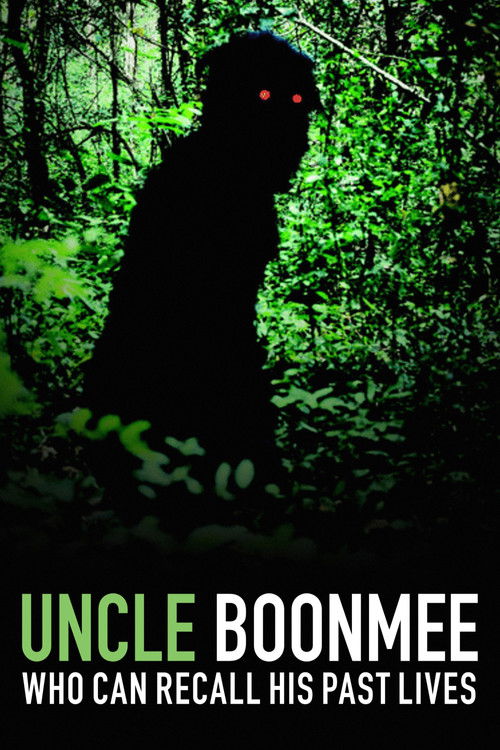
Uncle Boonmee Who Can Recall His Past Lives2010
Apichatpong Weerasethakul's patient Thai film about memory, ghosts, and acceptance. Like Werckmeister, it privileges atmosphere and spatial presence over plot; both films suggest that cinema's power lies in duration and the accumulation of small, precise details.
But Almost nothing happens. Long takes of a man sitting, a landscape, light changing. If you watch films for narrative propulsion, you will be bored.
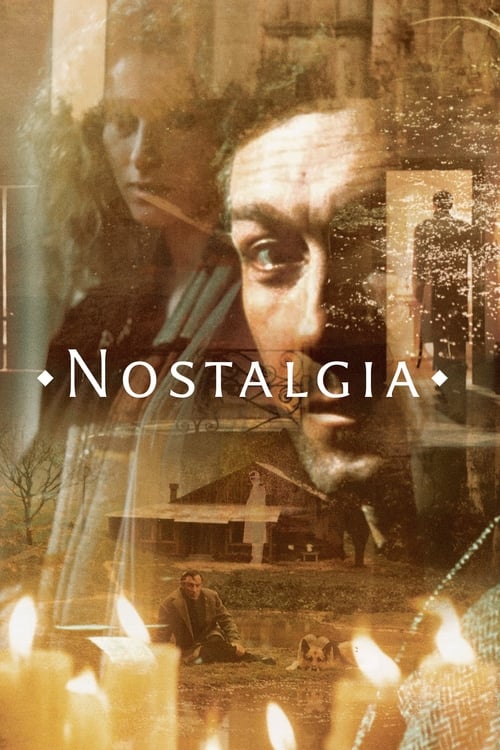
Nostalgia1983
Tarkovsky again, but this time a Russian poet in Italy, haunted by memory and displacement. The visual language—water, architecture, time—echoes Werckmeister's use of space and stillness to evoke spiritual unease and yearning.
But 163 minutes of meditative wandering. By the end you may feel you have learned nothing, or everything, or that those categories no longer matter.
Bicycle Thieves1948
De Sica's neorealist masterpiece about a man searching Rome for a stolen bicycle. Like Werckmeister, it finds tragedy in the ordinary, using a small incident to reveal the fragile structures holding a community together—and how quickly they collapse.
But The pacing is glacial by modern standards, and the emotional manipulation is deliberate. Some will find it too obvious, too sentimental.

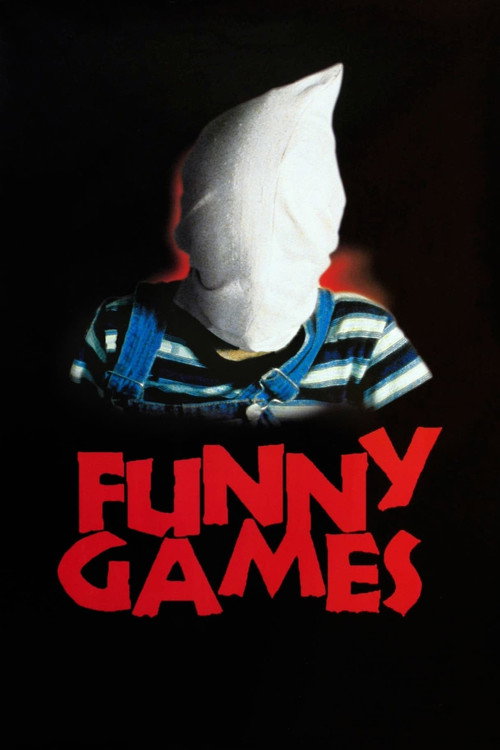
Funny Games1997
Michael Haneke's savage deconstruction of violence and spectatorship. Like Werckmeister, it refuses to make brutality entertaining; both films use formal control and deliberate pacing to implicate the viewer in complicity and moral failure.
But Punishing and bleak. It is designed to make you uncomfortable about your own viewing pleasure. Haneke does not want you to enjoy this.
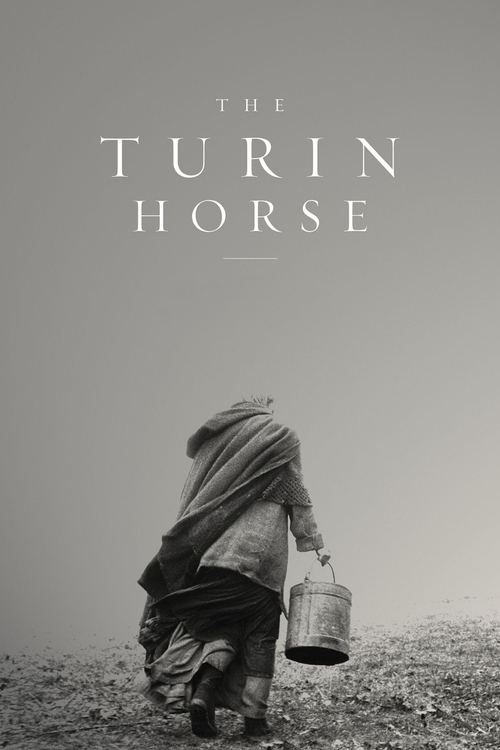
The Turin Horse2011
Tarr's final film, a portrait of the world's last days through the eyes of a man and his horse. The culmination of his visual language: high contrast black-and-white, minimal dialogue, rituals repeating until meaning dissolves. A fitting companion to Werckmeister.
But Apocalyptic and repetitive by design. It offers no comfort, no answers, and very little conventional drama. Some will see it as profound; others as self-parody.
People
Cast
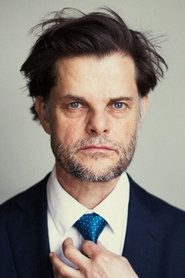 Lars RudolphJános Valuska
 Peter FitzGyörgy Eszter
 Hanna SchygullaTünde Eszter
 Alfréd JáraiLajos Harrer
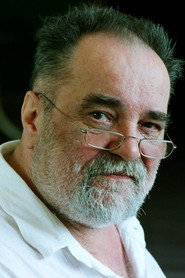 Gyula PauerMr. Hagelmayer
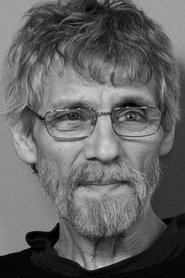 János DerzsiMan In The Broad-Cloth Coat
 Mihály KormosFactotum
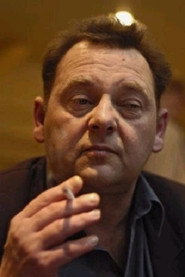 Putyi HorváthPorter
 Éva Almássy AlbertAunt Piri
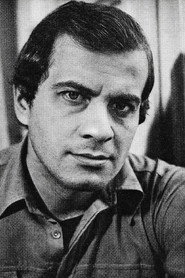 Péter DobaiChief Constable
- László feLugossyHousepainter
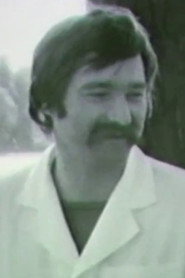 Barna MihókCoachman
Directing
- Ágnes HranitzkyCo-Director
- Béla TarrDirector
Writing
- Béla TarrCo-Writer
- László KrasznahorkaiNovel
- László KrasznahorkaiWriter
Production
- Béla TarrAssociate Producer
- Ralph E. CottaAssociate Producer
- Franz GoëssProducer
- Joachim von VietinghoffProducer
- Miklós SzitaProducer
- Paul SaadounProducer
Recommended by
Stalker, White God, Kung Pow: Enter the Fist, Mad Max, Rampart, Gerry, Paranoid Park, The Enigma of Kaspar Hauser, Ride with the Devil, Defendor, Ghost Story of Yotsuya, Party Girl, Underground, Love and Honor, The Death of Louis XIV, Zama, Film Socialisme, The Turin Horse, Satantango, A Bay of Blood, The Childhood of Maxim Gorky, Dancer in the Dark, Age of Uprising: The Legend of Michael Kohlhaas, The Confrontation, The Good Earth, It Came from Hollywood, The Amazing Spider-Man, Stray Dogs, Policewoman, Angst, Burn!, Woyzeck, Exotica, The Garden of the Finzi-Continis, Tropical Malady, The Incredibly Strange Creatures Who Stopped Living and Became Mixed-Up Zombies!!?, Detective Chinatown, Father and Son, City of Life and Death, Essential Killing, Black God, White Devil, Johnny Mad Dog, The Idiot, Trio, King of Devil's Island, Pelle the Conqueror, Goat, Vigo, Cherry, Shoal, Mad Monkey Kung Fu, Yeelen, Crippled Avengers, Lore, Western, As Tears Go By, Dune: Part Three, Cecil B. Demented, Angry Young Men, Servants, Fugitive Pieces, Land of the Pharaohs, 12 and Holding, Batang West Side, 3 Faces, Copperhead, Blessed, Uttama Villain, Tangerines, Happy Days, The Devil's Men, Vidocq, Three Monkeys, The Rape of the Vampire, Drunk Bus, BARDO, False Chronicle of a Handful of Truths, Time Out, The Apostle, Macunaima, Faith, God of Gamblers, Tales from the Golden Age, Kireedam