
Film
Goat
- Coming-of-age
- Very dark
*Goat* is a unflinching portrait of fraternity hazing that doubles as a psychological study of trauma and complicity. Ben Schnetzer's Brad navigates impossible pressure after a violent assault, seeking belonging in the very culture that punishes vulnerability. The film is tense, uncomfortable, and absolutely committed to its dark examination of masculine performance and institutional cruelty.
Should you watch it?
Watch it if you want a hard, unflinching look at how fraternity hazing grinds down a young man's sense of self, and you can stand to sit with its ugliness long after the credits.
Skip it if the violence is frequent and sits close to the surface, so if you need relief from brutality or want uplift, this will feel punishing.
What it asks of you: Runs just under two hours and stays tightly on one young man, with long, uncomfortable stretches where the camera refuses to look away.
Not sure? Find tonight's pick in a minute.
If you liked this
Requiem for a Dream2000
Aronofsky's descent into addiction and desperation shares *Goat's* commitment to portraying psychological unraveling without relief or sentiment. Both films trust the audience to sit with deeply uncomfortable truths about human vulnerability.
But The style is deliberately punishing—rapid cutting, distorted sound, visual metaphors that can feel manipulative if you're already exhausted. Not a film that offers comfort or catharsis.

Elephant2003
Gus Van Sant's Columbine examination shares the same cold precision about group dynamics, toxic masculinity, and the pressure cooker of institutional spaces. Both resist easy explanation or moral simplification.
But It's glacially paced and offers no narrative satisfaction or resolution. The formal distance can feel punishing rather than revelatory if you need the story to move.

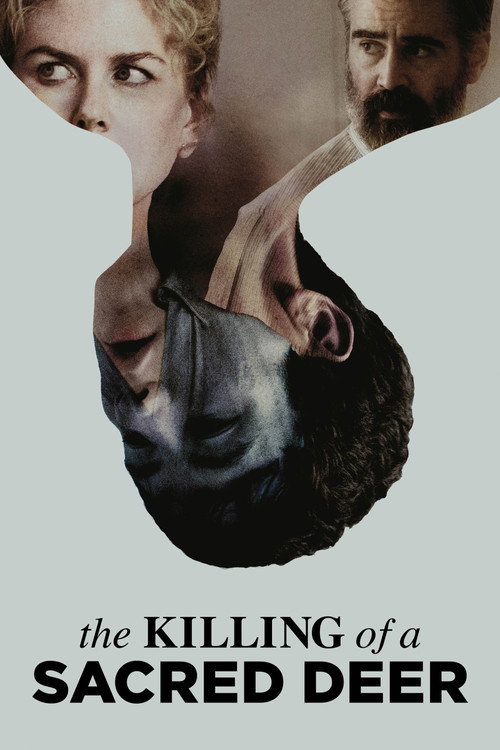
The Killing of a Sacred Deer2017
Both films trap protagonists in escalating rituals of punishment and obligation where the rules make no moral sense but feel inescapable. The claustrophobia and dread operate identically.
But Lanthimos's film is far more abstract and allegorical. If you need narrative clarity or grounded realism, this will frustrate you intensely.
Not sure tonight? Get a pick in a minute, starting from Goat
The wildcard
Something you would not have found on your own.
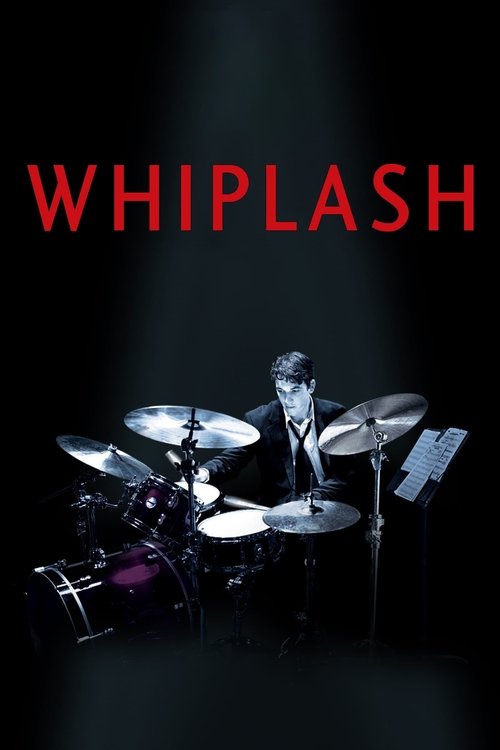
Whiplash2014
Both films are studies in how competitive masculine environments turn cruelty into pedagogy. The coach and the fraternity operate on identical logic: destroy the person to build the player.
Different setting, same weapon: both films are about how institutions use punishment, performance, and the threat of humiliation to demand absolute compliance. Neimyer and Fincher both refuse to judge their protagonists for choosing submission.
But It's a music conservatory film rather than a fraternity—if you need your institutional critique set in the exact same world, this displacement might feel like cheating.
More like this (7)
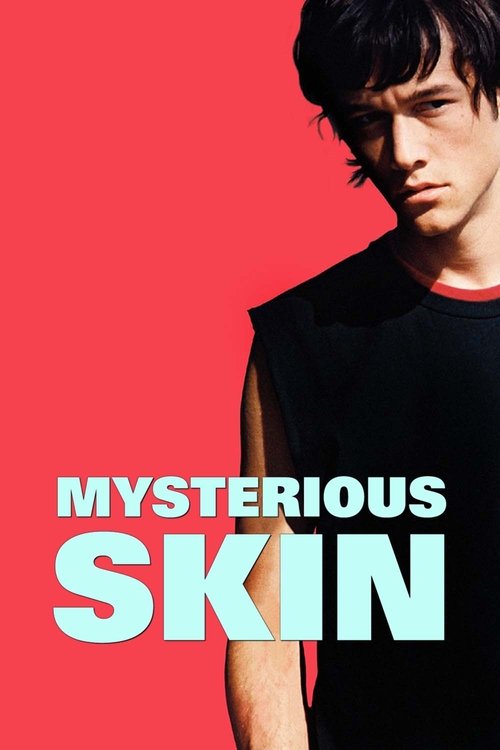
Mysterious Skin2005
Gregg Araki traces how early trauma fractures identity and drives destructive decisions. Like *Goat*, it refuses to look away from how survivors sometimes internalize their own harm.
But The subject matter—child sexual abuse and its aftermath—is genuinely harrowing. There's no lightness here, and the exploitation of youth is the point of the entire film.
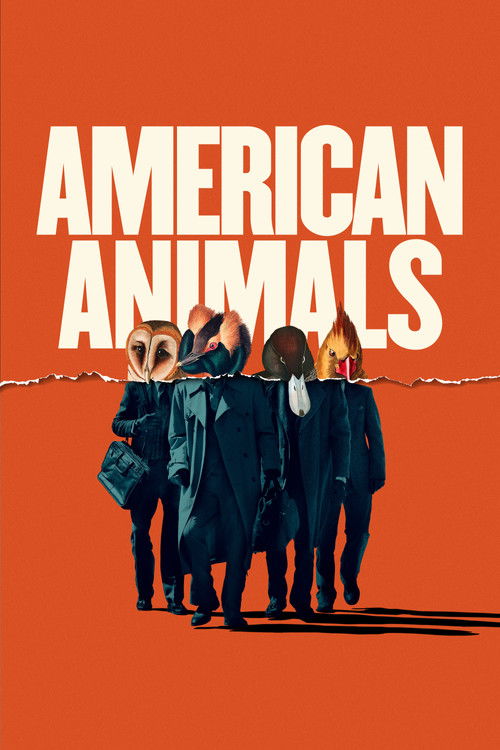
American Animals2018
Evan Keeling's film about four college friends who plan a heist shares *Goat's* interest in how institutional settings corrupt brotherhood and how performance becomes indistinguishable from identity.
But It's far lighter and more playful in tone. If you're looking for something equally severe, this pivot toward style-over-substance might feel like it's dodging the hard questions.
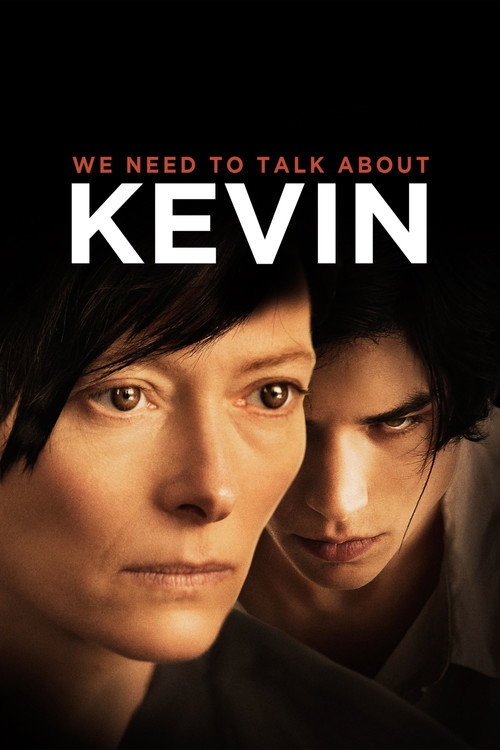
We Need to Talk About Kevin2011
Lynne Ramsay's fractured narrative about complicity and maternal responsibility echoes *Goat's* core question: how much are we accountable for what happens around us, even when we're powerless?
But The film is actively hostile to viewer comfort. Ramsay's editing and color palette are deliberately alienating, and the subject matter—a school shooting—is devastatingly heavy.
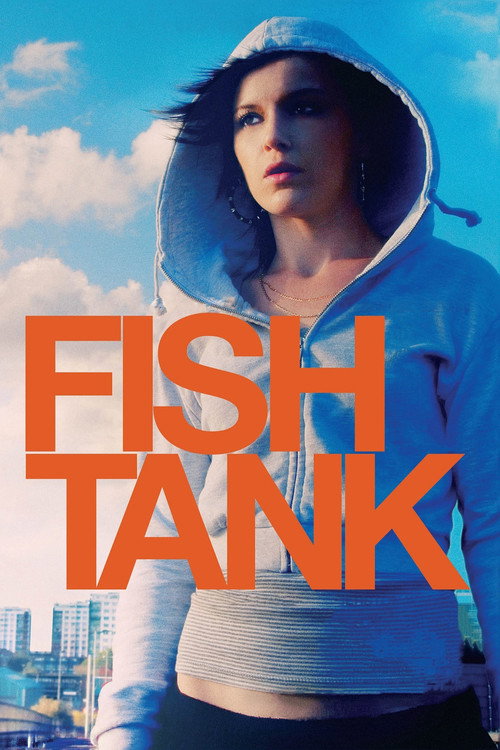
Fish Tank2009
Andrea Arnold's grimy portrait of a young woman in social housing shares *Goat's* refusal to soften its examination of how systems fail the vulnerable. Both are formally restless and alive.
But It's British, working-class, and relentlessly bleak. The poverty and desperation are specific and unglamorous in a way that can feel punishing to watch.
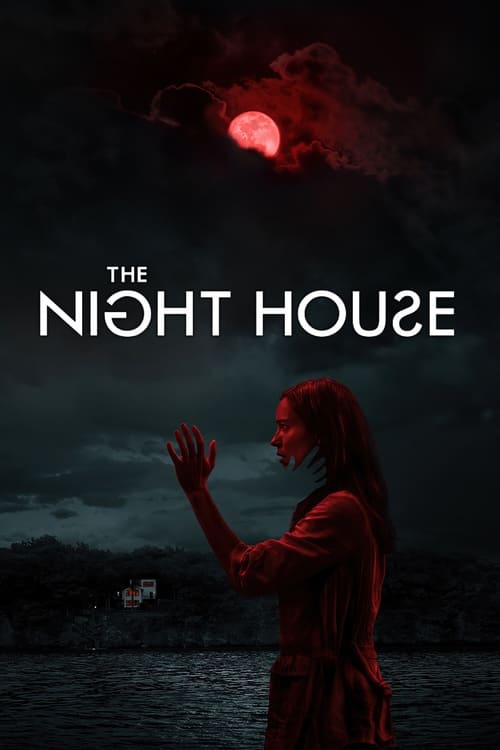
The Night House2021
Rebecca Hall investigating her husband's secret life after his suicide shares *Goat's* obsession with how people hide in plain sight. Both explore the psychology of not wanting to see what's in front of you.
But It edges toward supernatural horror, which some find tonally inconsistent with the grief drama. The scares can feel like they're undermining the emotional core.
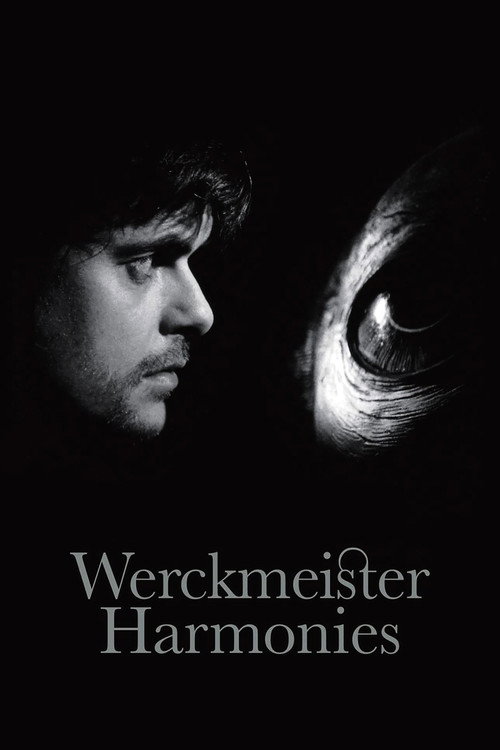
Werckmeister Harmonies2001
Both are about how belonging to a group can override conscience. Tarr's entire cinema is about the fragility of the individual in the face of collective momentum.
Bela Tarr's three-hour vision of societal collapse and contagion operates in the same register as *Goat*: slow, inexorable, and about how crowds become capable of atrocity. It's oblique but unmissably powerful.
But It's a black-and-white Hungarian film in long takes. If you want propulsive narrative and clarity, this will seem like punishment. It requires patience that few contemporary viewers can find.
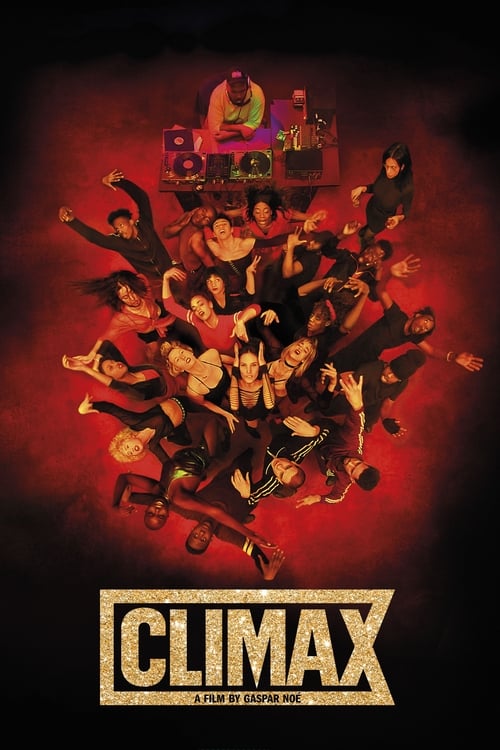
Climax2018
Both films refuse the comfort of explaining why cruelty happens. Suspicion, proximity, and group psychology become sufficient to unleash the worst in people. In both, the institution (fraternity, dance group) is secondary to the mob.
Gaspar Noé's film about dancers whose sangria is poisoned becomes a portrait of beautiful people turning monstrous under the weight of suspicion and fear. It's *Goat's* doppelgänger in color and kinetic energy.
But It's a headlong descent into surreal horror and depravity. The visual style—strobe lights, split-screen, excessive sexuality—is deliberately abrasive. It's not for everyone, and it knows that.
People
Cast
 Ben SchnetzerBrad Land
 Nick JonasBrett Land
 Austin LyonDave Reed
 Virginia GardnerLeah
 Danny FlahertyWill
 Jake PickingDixon Rowley
 Patrick MurneyJason
 James FrancoMitch
 Will PullenThe Smile
 Brock YurichWes
 Eric StavesBen Baity
 Gus HalperChance
Directing
- Andrew NeelDirector
Writing
- Brad LandNovel
- Andrew NeelScreenplay
- David Gordon GreenScreenplay
- Mike RobertsScreenplay
Production
- Karri O'ReillyCo-Producer
- Jim ReeveExecutive Producer
- John WellsExecutive Producer
- Robert Halmi Jr.Executive Producer
- Christine VachonProducer
- David HinojosaProducer
- James FrancoProducer
- Vince JolivetteProducer
Recommended by
D.P., Blood, The Wolf of Snow Hollow, High Lane, Antonia and Jane, Chekka Chivantha Vaanam