
Film
Elephant
Gus Van Sant's *Elephant* is a formal, unflinching portrait of an ordinary school day that ends in violence. Shot in long, patient takes that follow students through hallways and parking lots, it refuses sensationalism or explanation. For viewers willing to sit with ambiguity and unease, it's a masterwork of restraint. It's not for those seeking catharsis or answers.
Should you watch it?
Watch it if you admire patient, observational filmmaking, where long unbroken takes that trail students through corridors and lunchrooms let dread gather from ordinary details rather than from plot.
Skip it if you need a story that explains itself, because it gives little dialogue, few clear motives and an unhurried pace that can feel like waiting.
What it asks of you: Roughly eighty minutes of unhurried, long-take scenes that repeat ordinary moments from several angles, asking you to sit with stillness and watch closely without much guidance.
Not sure? Find tonight's pick in a minute.
If you liked this
The Virgin Suicides2000
Sofia Coppola's debut is similarly transfixed by adolescence as a kind of collective mystery. It glides through a 1970s neighborhood following a group of sisters, finding beauty and strangeness in the everyday. Gorgeous, melancholic, and structurally daring.
But The pace is deliberate to the point of dreaminess. If you need plot momentum or emotional clarity, this will feel agonisingly slow.

We Need to Talk About Kevin2011
Lynne Ramsay's film also refuses easy answers about why a young person commits violence. It moves between past and present, building dread through fragmented images and sound design rather than exposition. Utterly gripping and morally serious.
But It's a brutal watch about maternal guilt and complicity. The mood is suffocating throughout, and there's no relief or redemption on offer.
Gerry2002
Van Sant's companion piece to *Elephant*, following two young men getting lost in the wilderness. It's hypnotic and mysterious, testing your patience in the same way—and if you're ready for it, the payoff is profound. A film about presence and absence.
But It's 103 minutes of two people walking through forests with minimal dialogue. Some will find it meditative; others will find it maddening.
Not sure tonight? Get a pick in a minute, starting from Elephant
The wildcard
Something you would not have found on your own.
Bully2001
Both films refuse to sanitise or explain violence away. Both ask us to sit with uncomfortable proximity to young people capable of harm. But where *Elephant* is formal abstraction, *Bully* is raw documentation—two different approaches to the same moral crisis.
Larry Clark's film documents a real murder of a high school bully in Florida through interviews and reconstructions. It's made from the perpetrators' perspective, treating violence as a teenage response to humiliation. Disturbing but utterly committed to truth.
But It's exploitative by design—Clark refuses to judge or distance himself. The film uses real teenage actors in charged situations, which many find ethically troubling.
More like this (6)
Requiem for a Dream2000
Darren Aronofsky's portrait of addiction across four lives. It's visually stunning and emotionally devastating, using form and technique to make you feel the characters' desperation. Unforgettable and completely different from typical drug narratives.
But It's relentlessly grim with no lightheartedness or hope. The final act is among the most difficult things cinema asks of viewers.

Bowling for Columbine2002
Michael Moore's documentary investigates gun violence and school shootings in America with his characteristic wit and investigative drive. It's angry, funny, and asks hard questions about culture and complicity.
But Moore's polemical style annoys many viewers, and the film's arguments have been critiqued as oversimplified. It's advocacy, not pure journalism.
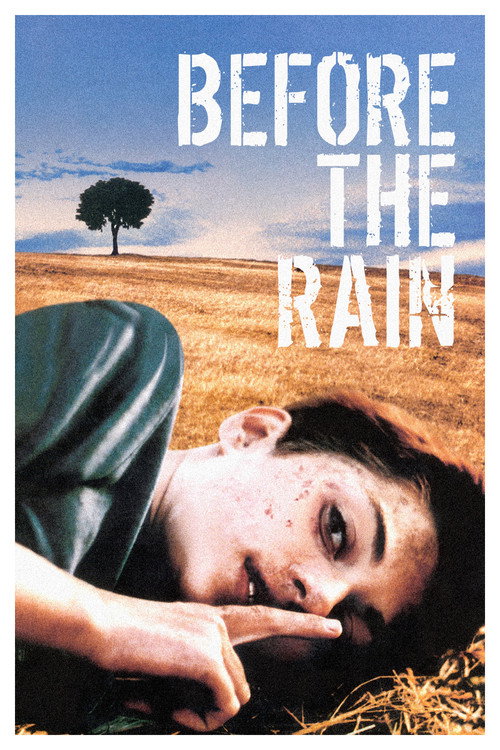
Before the Rain1994
Kitano's portrait of urban alienation and violence is glacial and unsentimental. It finds poetry in emptiness and collision. The structure circles back on itself, suggesting cycles of human harm that echo *Elephant's* moral bleakness.
But It's extremely slow and emotionally cold. There's no warmth to latch onto, which is precisely the point but not for everyone.
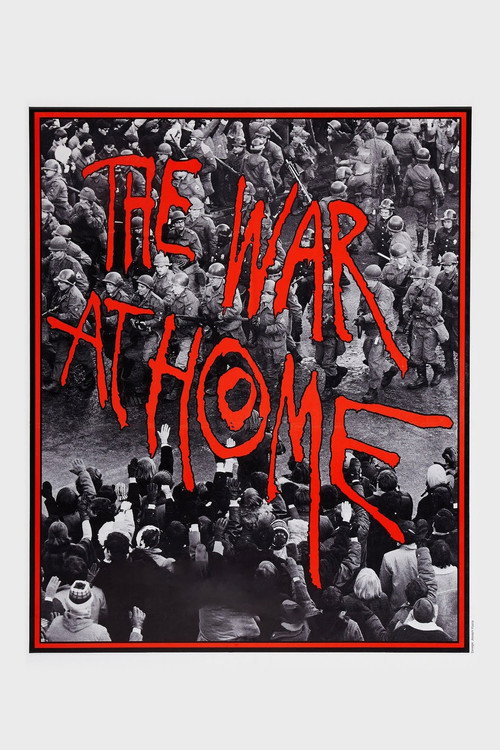
The War at Home1979
Glenn Silber and Barry Alexander Brown's documentary about American protests against the Vietnam War, centred on the University of Wisconsin bombing. It's a raw, vital piece of archival work that captures how violence emerges from political rage.
But The image quality is grainy and the pacing is academic. It requires patience and historical interest to engage with fully.
Lilya 4-ever2002
Lukas Moodysson's film follows a teenage girl's descent into exploitation and despair with unflinching empathy. It's brutal, yes, but it insists on the humanity of its subject in a way that makes the violence matter. A necessary film.
But It depicts child sexual abuse and trafficking. It's one of cinema's most difficult watches, and the bleakness is near-total.

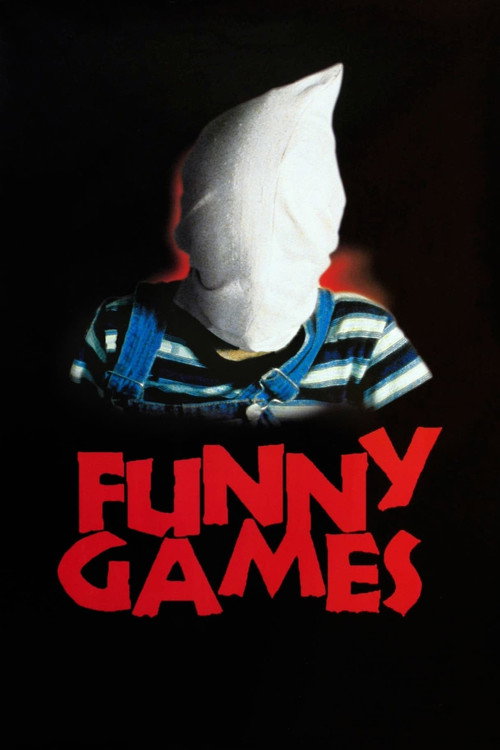
Funny Games1997
Michael Haneke's film is a formal experiment about violence and spectatorship, about how cinema manipulates us into complicity. It's meta and confrontational in ways that reward close attention. Genuinely unsettling.
But It's aggressively difficult and self-conscious about its own provocation. Some will feel lectured to rather than unsettled.
People
Cast
 Alex FrostAlex
 Eric DeulenEric
 John RobinsonJohn McFarland
 Elias McConnellElias
- Jordan TaylorJordan
 Carrie FinkleaCarrie
- Nicole GeorgeNicole
- Brittany MountainBrittany
- Alicia MilesAcadia
- Kristen HicksMichelle
 Bennie DixonBenny
 Nathan TysonNathan
Directing
- Gus Van SantDirector
- Dany WolfFirst Assistant Director
- Sally Sue BeiselSecond Assistant Director
- Kathy KrauseSecond Second Assistant Director
Writing
- Gus Van SantScreenplay
Production
- Jay HernandezAssociate Producer
- Laura AlbertAssociate Producer
- Danny StoltzCasting
- Mali FinnCasting
- Bill RobinsonExecutive Producer
- Diane KeatonExecutive Producer
- Sally GatesExtras Casting
- Stephen FindersLocation Assistant
- Roger FairesLocation Manager
- Dany WolfProducer
- Jen WallProduction Supervisor
- Dany WolfUnit Production Manager
Recommended by
Sometimes in April, The Believer, After Innocence, Boy A, Paranoid Park, Boy Interrupted, Mean Creek, Apt Pupil, Take Your Pills, India's Daughter, The Woman Who Left, The Eel, Julien Donkey-Boy, Code Unknown, After My Death, All About Lily Chou-Chou, Goat, Happy New Year, The Duel, Play, The Butterfly Circus, Afterschool, Ken Park, Lights Out, Climates, The Salton Sea, Last Exit to Brooklyn, One Lucky Elephant, Time Out, Benny's Video