
Film
Lilya 4-ever
- Drama
- Very dark
A harrowing portrait of a teenager abandoned in post-Soviet poverty who is trafficked west by someone posing as her savior. Lukas Moodysson's film is unflinching about exploitation and degradation, shot with documentary urgency. Essential and devastating—not for escapism, but for witnessing what the world allows.
Should you watch it?
Watch it if you go to films for unflinching social realism, the kind that keeps its camera on ordinary grime and refuses to soften the edges, even when that is hard to sit through.
Skip it if you need a break from bleakness, since its misery is relentless and the close, unshowy style offers little relief or lightness along the way.
What it asks of you: Expect a slow, unhurried 109 minutes of hardship, shot in close, unshowy style that stays with its heroine rather than rushing toward any release.
Not sure? Find tonight's pick in a minute.
If you liked this
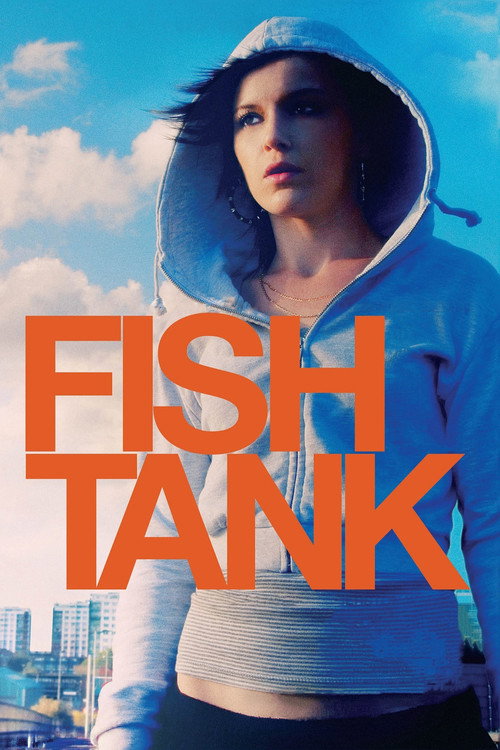
Fish Tank2009
Andrea Arnold's portrait of a volatile young woman in working-class London, trapped by circumstance and her own hunger for escape. Like Lilya, it captures the claustrophobia of having no real choices, and the predators who recognize that desperation.
But Arnold's style is deliberately unglamorous and the violence is psychologically brutal rather than cathartic. It demands patience with ugliness.
Requiem for a Dream2000
Darren Aronofsky's four-way descent into addiction and delusion, shot with nightmarish intensity. It shares Lilya's refusal to look away from ruin, and its formal inventiveness makes the suffering feel inescapable rather than voyeuristic.
But The assault on the senses is relentless and deliberate. Some find it manipulative; others find it necessary. Not a film that lets you settle.

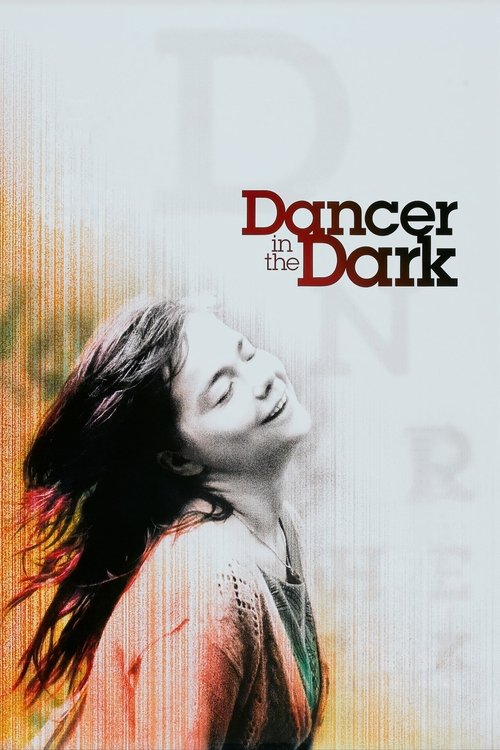
Dancer in the Dark2000
Lars von Trier's musical tragedy about a woman ground down by poverty and circumstance, starring Björk in a devastating performance. Like Lilya, it's about how the world fails the vulnerable, but it uses musical fantasy to make the contrast between hope and reality unbearable.
But Von Trier's bleakness can feel self-punishing, and the ending is designed to wound. The musical interludes might feel like tonal whiplash if you resist them.
Not sure tonight? Get a pick in a minute, starting from Lilya 4-ever
The wildcard
Something you would not have found on your own.
Come and See1985
Both trace the annihilation of a child through systems larger than themselves. Both use formal extremity to make spiritual death visible. Both refuse the consolation of narrative redemption.
Elem Klimov's Soviet film about a boy conscripted into WWII, watching everything he loves destroyed. It's a masterpiece of systematic dehumanization—showing how institutions and war reduce humans to nothing. The visual language of horror here prefigures Lilya's aesthetic of degradation, but the scale is apocalyptic.
But It's a four-hour Soviet war film in black and white with no conventional narrative. It's one of the hardest films ever made to sit through. Many will find it inaccessible or exploitative.

More like this (8)
A Prophet2009
Jacques Audiard's portrait of a young man's transformation inside prison, where he learns corruption as survival. Both films trace how systems turn the powerless into monsters, and how complicity becomes the only available strategy.
But It's a long, methodical film about institutional machinery. There's no catharsis, and the moral logic is cold rather than warm.

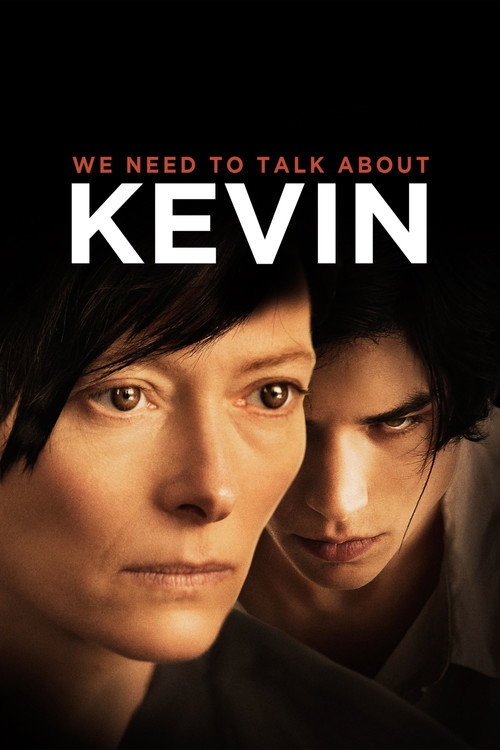
We Need to Talk About Kevin2011
Lynne Ramsay's fractured examination of a mother's culpability and a son's monstrosity, told in fragments that mirror psychological breakdown. Like Lilya, it refuses easy answers about who is responsible for atrocity.
But The narrative is deliberately disordered and the tone is clinical rather than emotional. Some will find it detached; others will find it the only honest way to process such material.
The Florida Project2017
Sean Baker's film follows children living in budget motels, finding joy in squalor with unsettling obliviousness to their danger. It's Lilya's inverse—innocence about to be shattered—and asks the same question about who bears responsibility.
But The whimsical tone might feel uncomfortable given what's lurking beneath. Some see it as evasive; it depends whether you trust the director's emotional intelligence.

The Wrestler2008
Darren Aronofsky and Mickey Rourke's portrait of a man with nothing—no home, no prospects, no one who needs him—clawing for dignity through ritualized violence. Lilya and Randy are both people the world has decided don't matter.
But It's grim and repetitive by design, and Rourke's performance is so raw it can feel like watching someone genuinely suffer rather than acting.

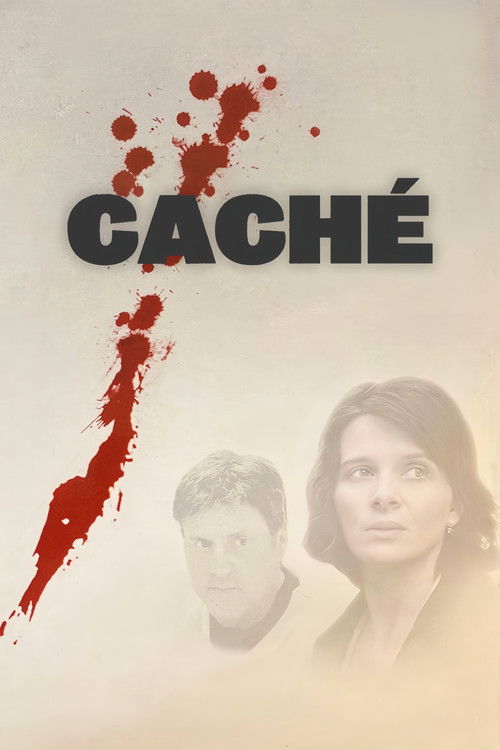
Caché2005
Michael Haneke's slow-burn thriller about complicity and the violence embedded in comfortable lives. Like Lilya, it implicates the viewer in systems of exploitation and suggests that most of us benefit from what we prefer not to see.
But It moves glacially, and the horror is psychological rather than visceral. It's a film that punishes inattention and comfort.
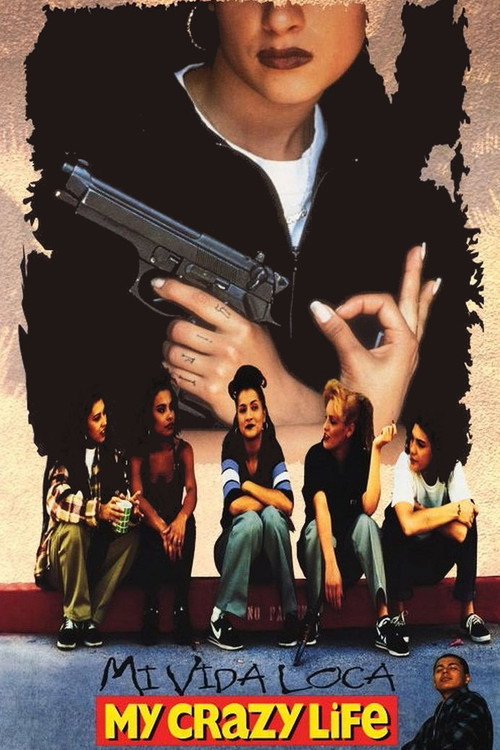
Mi Vida Loca1994
Allison Anders' portrait of young Chicana women in L.A., dealing with poverty, motherhood, and survival. Like Lilya, it's a film about girls trapped by circumstance, but it also finds humor and solidarity in their resistance.
But The informal style and overlapping narratives can feel scattered, and it's a product of its era in ways some will find dated. It's also uneasily funny about serious things.
The Selfish Giant2013
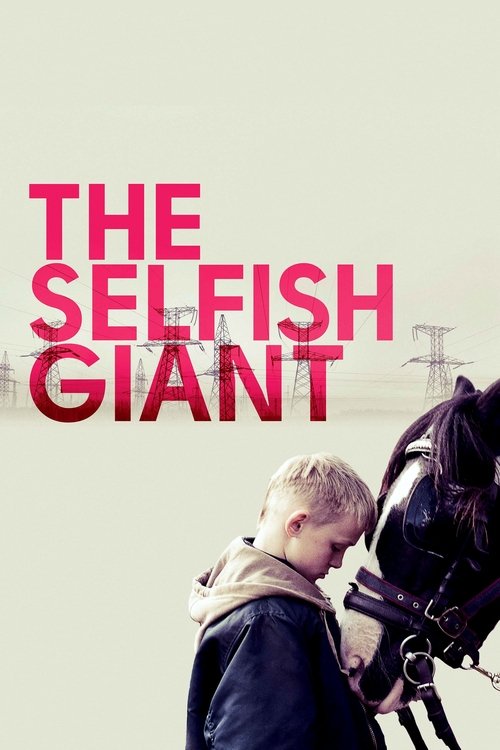
Both films use a child's perspective to expose the machinery of poverty and negligence. Both show how the vulnerable are cycled through systems designed to exploit them. Both are formally restrained in a way that makes the cruelty feel documentary rather than dramatized.
Clio Barnard's short, brutal film about two boys in post-industrial Bradford, stealing scrap metal to survive. It's Lilya for the modern British underclass—unsparing about economic abandonment and how quickly children become disposable. Shot with poetry, but the content is devastation.
But It's only 80 minutes but feels longer, and its tragedy is quiet rather than climactic. Some will find it too bleak; others will feel it doesn't go far enough into explanation or justice.
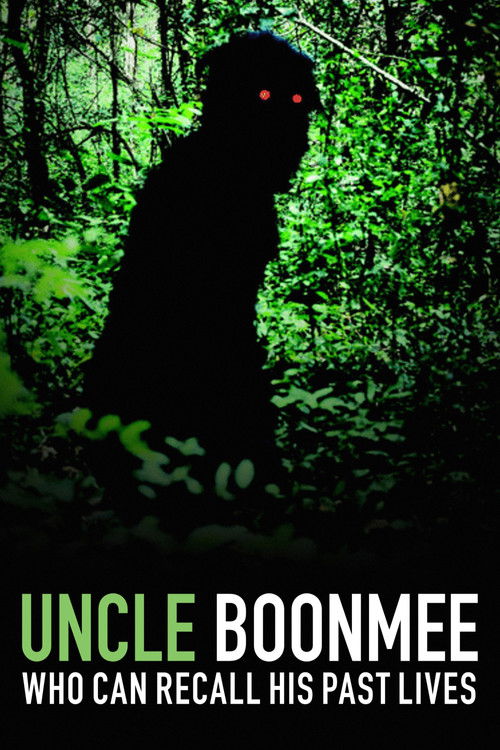
Uncle Boonmee Who Can Recall His Past Lives2010
Both films depict human beings at the mercy of forces beyond their control—one external and brutal, one internal and metaphysical. Both arrive at acceptance rather than resistance. Both use duration and stillness to suggest that individual struggle within vast indifference is the human condition.
Apichatpong Weerasethakul's film about a dying man visited by his dead relatives, shot as slow, meditative scenes of a family in rural Thailand. It seems utterly different from Lilya—gentle, philosophical, concerned with afterlife and memory—but both are about people failed by systems and reconciling themselves to abandonment. It's Lilya's spiritual opposite: instead of young woman destroyed, an old man at peace.
But It's a slow film about elderly people and ghosts. Structurally, almost nothing happens. It's a test of patience and receptivity; many will find it static and impenetrable.
People
Cast
 Oksana AkinshinaLilja
 Artyom BogucharskyVolodja
 Ljubov AgapovaLilja's Mother
 Liilia ŠinkarjovaAunt Anna
 Elina BenensonNatasha
 Pavel PonomaryovAndrei
- Tomasz NeumanWitek
 Anastasiya BedredinovaNeighbor
 Tõnu KarkSergei
 Nikolai BentslerNatasha's Boyfriend
- Aleksander DorosjkevitchFriend
- Yevgeni GurovFriend
Directing
- Alexandra DahlströmAssistant Director
- Lukas MoodyssonDirector
- Malin FornanderFirst Assistant Director
Writing
- Lukas MoodyssonScreenplay
Production
- Karl StrandlindAssistant Location Manager
- Kristi-Karita LevollAssistant Location Manager
- Peeter UrblaAssociate Producer
- Jesper KurlandskyCasting
- Gunnar CarlssonCo-Producer
- Peter Aalbæk JensenCo-Producer
- Tomas EskilssonCo-Producer
- Malte ForssellLine Producer
- Jonas OvertonLocation Manager
- Lars JönssonProducer
- Andres ArroProduction Coordinator
- Ingrid NõmmikProduction Secretary
Recommended by
Taken, The Painted Bird, Elephant, Gridiron Gang, Trafficked, Combat Girls, Enemy at the Door, Daisy Diamond, Cursed