
Film
Uncle Boonmee Who Can Recall His Past Lives
- Family drama
- Magical realism
- Slow-burning
Apichatpong Weerasethakul's meditative masterpiece follows a dying man in rural Thailand as he gathers family and contemplates mortality, past lives, and the permeable boundary between living and dead. It moves like a dream—patient, digressive, achingly beautiful. For viewers who want cinema as a spiritual experience, not a plot machine.
Should you watch it?
Watch it if you like films that drift at their own pace, happily trading plot for slow, strange images and quiet philosophical wandering through the jungle.
Skip it if you need steady narrative momentum or conventional storytelling, since long stretches of stillness and abrupt tonal shifts may test your patience along the way.
What it asks of you: Long, unhurried scenes arrive without much urgency, and meaning comes sideways over its 114 minutes, rewarding patience more than plot tracking.
Not sure? Find tonight's pick in a minute.
If you liked this
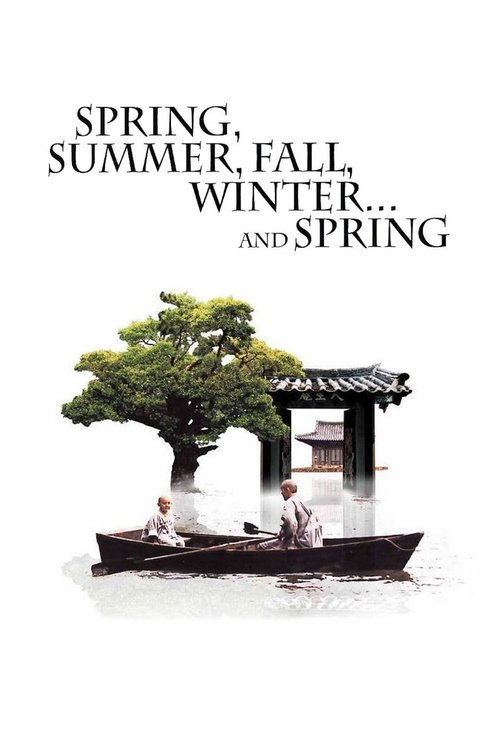
Spring, Summer, Fall, Winter... and Spring2003
Kim Ki-duk's equally serene meditation on cycles of life, death, and rebirth, set in a floating monastery. Like Boonmee, it trusts silence and landscape to do the heavy lifting of meaning.
But At 103 minutes it feels even longer. The repetition, though intentional, can read as static rather than transcendent.
Mulholland Drive2001
Lynch's puzzle-box about identity and past lives in Los Angeles. Both films play with time and memory in ways that reward patient watching and don't resolve into easy answers.
But It's three hours of deliberate opacity. If you need plot clarity and forward momentum, this will frustrate you.

Stalker1979
Tarkovsky's slow-burn philosophical odyssey about desire, mortality, and the mystery of human longing. Shares Boonmee's refusal to hurry, and the same conviction that cinema can achieve spiritual depth.
But Genuinely demanding. Over two and a half hours of Soviet-era imagery that feels like watching grass grow—though intentionally so.

Not sure tonight? Get a pick in a minute, starting from Uncle Boonmee Who Can Recall His Past Lives
The wildcard
Something you would not have found on your own.
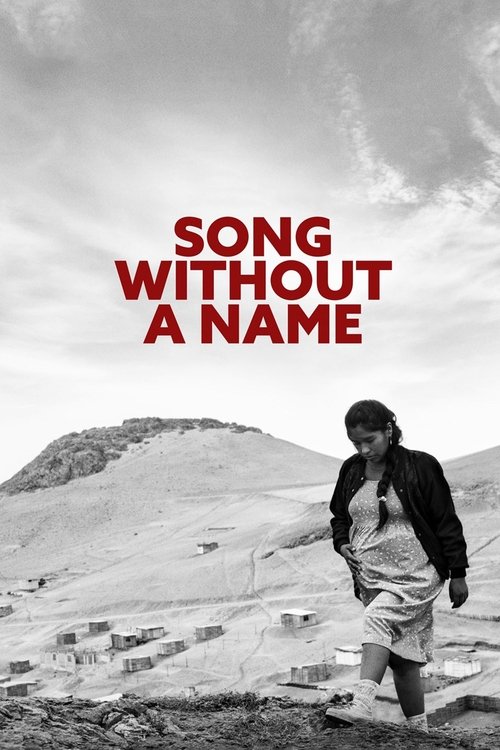
Song Without a Name2020
Both films use the aesthetics of a ghost story to explore grief, loss, and the traces people leave behind. They trust silence and the camera's gaze to convey what dialogue cannot.
Peruvian director Claudia Llosa's visionary black-and-white film about a mother searching for her stolen baby during a dictatorship. Like Boonmee, it moves between documentary realism and dreamlike sequences, treating the supernatural and the mundane as equal truths. Staggeringly gorgeous and deeply strange.
But Deliberately obscure and non-linear. The narrative doesn't cohere in conventional ways, and the emotional payoff requires you to trust the filmmaker's vision completely.
More like this (8)
A Ghost Story2017
David Lowery's haunting meditation on time, loss, and what we leave behind. Both films treat ghosts and the dead as fully real participants in the world, not horror devices.
But The famous pie-eating scene will test your patience. Some find it profound; others find it maddening and self-indulgent.

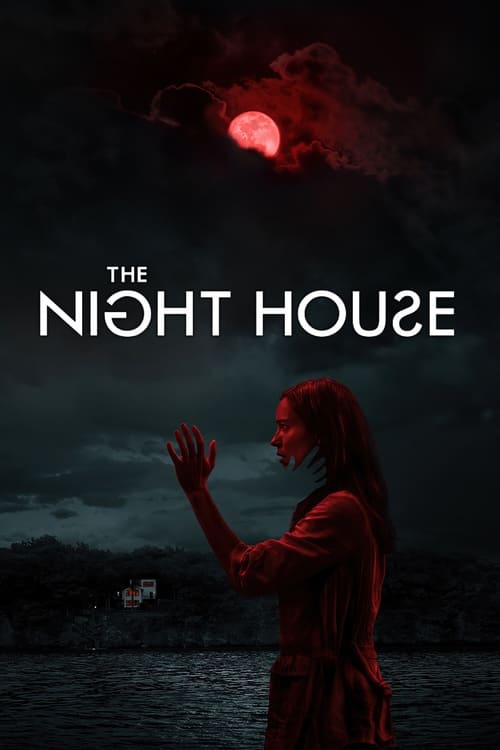
The Night House2021
Kiarostami's final film, also about mortality and memory in a confined space. A conversation between a man and woman in a car that becomes a kind of reckoning with the past.
But Plotless and dialogue-heavy. If you prefer things to *happen*, you'll be frustrated by how little does.
Synecdoche, New York2008
Kaufman's baroque fever dream about mortality, art, and the impossibility of capturing a life. Both works wrestle with how to represent the unmappable territory of lived experience.
But Aggressively messy and maximalist. After Boonmee's calm, this might feel exhausting rather than enlightening.

The Turin Horse2011
Béla Tarr's hypnotic elegy about entropy and ending. Made in the same year as Boonmee and with a similar acceptance of death as cinema's proper subject.
But Bleak, repetitive, in black-and-white. The rhythm is glacial even by art-house standards. Most people will find it punishing.

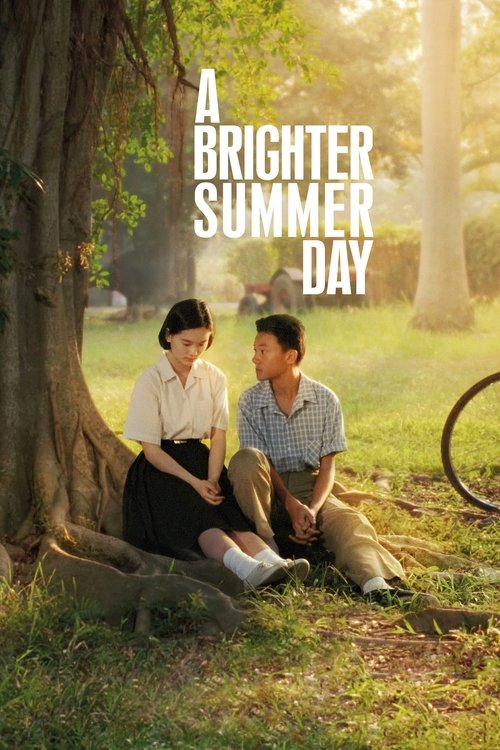
A Brighter Summer Day1991
Edward Yang's four-hour epic about adolescence and mortality in Taiwan. Shares Boonmee's unhurried pacing and its willingness to let minor moments carry emotional weight.
But It's nearly four hours long. The teenage-gang plot feels mundane until it devastatingly isn't. Patience isn't just suggested; it's required.
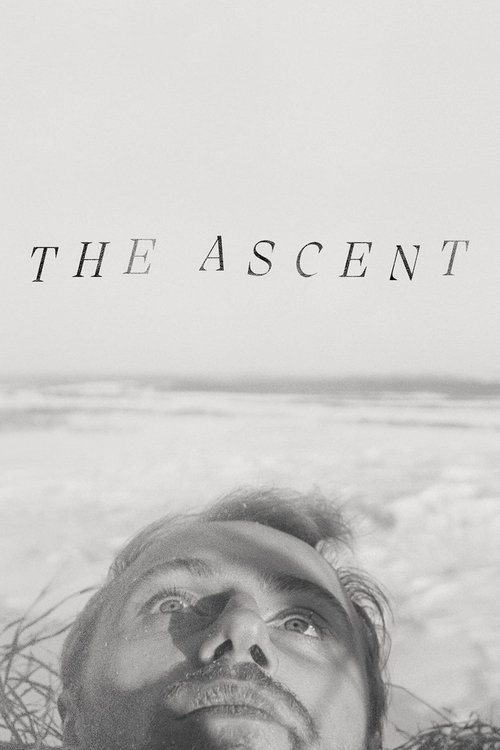
The Ascent1977
Larisa Shepitko's only feature, a spiritual journey about two Soviet partisans facing execution. Both films use landscape and silence to explore faith, sacrifice, and transcendence.
But Filmed in bleached, high-contrast black-and-white during a Soviet winter. The aesthetic is austere to the point of bleakness, and the subject matter is unrelenting.
The Seventh Seal1957
Both use the presence of the dead as a lens for examining how the living should live. But they reach opposite conclusions about what that demands of us.
Bergman's medieval masterpiece about a knight playing chess with Death. It's the obvious ancestor of every Western film about mortality, and watching it after Boonmee is revelatory—it shows you how Weerasethakul quietly inverted its assumptions. Where Bergman's Death is urgent and symbolic, Weerasethakul's dead are simply present, domestic, ordinary.
But The philosophy is worn on its sleeve. After Boonmee's whispered approach, it can feel heavy-handed and stagy.

Bicycle Thieves1948
Both films locate the infinite within the everyday. A conversation with a relative, a meal, a moment of waiting—these are the events that matter. Both filmmakers see mortality not as a crisis but as the condition that makes ordinary moments precious.
De Sica's neorealist masterpiece follows a man and boy through the streets of postwar Rome searching for a stolen bicycle. Its unhurried attention to ordinary life—a meal, a conversation, a walk—creates the same emotional depth Boonmee achieves. Pure cinema without artifice or score.
But Nothing happens. A father and son look for a bike. If you need plot momentum or dramatic peaks, this will seem like watching someone else's errand.

People
Cast
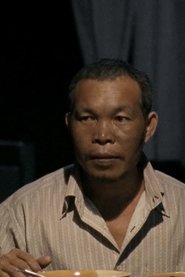 Thanapat SaisaymarBoonmee
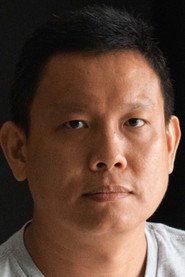 Sakda KaewbuadeeTong
- Geerasak KulhongBoonsong
- Wallapa MongkolprasertPrincess
- Kanokporn TongaramRoong
- Samud KugasangJaai
- Sumit SuebseeSoldier
- Mathieu LyFarmer
- Vien PimdeeFarmer
Directing
- Apichatpong WeerasethakulDirector
- Suchada SirithanawuddhiFirst Assistant Director
- Thanachart SiripatrachaiSecond Assistant Director
- Yingsiwat YamolyongSecond Assistant Director
Writing
Production
- Narongwit ChanpanAssistant Production Manager
- Caroleen FeeneyAssociate Producer
- Danny GloverAssociate Producer
- Holger SternAssociate Producer
- Joslyn BarnesAssociate Producer
- Panjai SirisuwanCasting
- Sakda KaewbuadeeCasting
- Charles de MeauxCo-Producer
- Suchada SirithanawuddhiLine Producer
- Panithan PisittakarnLocation Manager
- Apichatpong WeerasethakulProducer
- Hans W. GeißendörferProducer
- Keith GriffithsProducer
- Luis MiñarroProducer
- Michael WeberProducer
- Simon FieldProducer
- Tiana MilleProducer
- Sorayos PrapapanProduction Assistant
- Joana Maria SchmitzerProduction Coordinator
- Montse PedrósProduction Coordinator
- Yaowalak Sae-KhowProduction Manager
Recommended by
My Neighbor Totoro, A Ghost Story, 4 Months, 3 Weeks and 2 Days, Embrace of the Serpent, El Topo, Lilya 4-ever, El Infierno, Wise Blood, Werckmeister Harmonies, Manakamana, Three Colors: White, The Death of Louis XIV, The Turin Horse, Satantango, האושפיזין, Naan Kadavul, Centaur, In Another Country, Dust in the Wind, O Fantasma, Nayak, Maciste in Hell, The Song of Sparrows, The Saragossa Manuscript, Lightning Over Water, Ship of Theseus, Mystics in Bali, Western, Combat Shock, Nanpakal Nerathu Mayakkam, Wajib, Bab'Aziz, Jackpot, Kinetta, Trend, The Death of Empedocles, Closed Curtain, BARDO, False Chronicle of a Handful of Truths, The Assassination of Trotsky, A Man of His Time, The House of the Angel, The Passage, Pithamagan, Ten, My Sweet Pepper Land