
Film
El Infierno
- Drug-trade crime
- Very dark
A darkly comic Mexican crime saga that follows a deported man forced into the drug trade in his ravaged hometown. Director Luis Estrada crafts a film that's equal parts violent thriller and satirical commentary on corruption, where the cartel's brutality collides with absurdist humor. It's for viewers who want their crime stories sharp-edged, politically pointed, and willing to find grim laughter in systemic collapse.
If you liked this
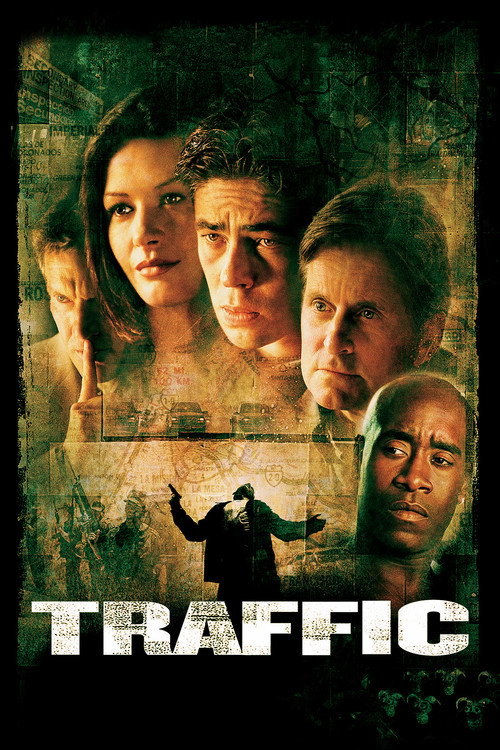
Traffic2000
Soderbergh's interweaving narrative about drug trafficking across the US-Mexico border shares El Infierno's unflinching look at corruption's scale. Multiple perspectives reveal how the system itself is the real villain, not just individuals.
But It's three hours and moves between several storylines, so the pacing demands patience. Some find its moral complexity exhausting rather than enlightening.
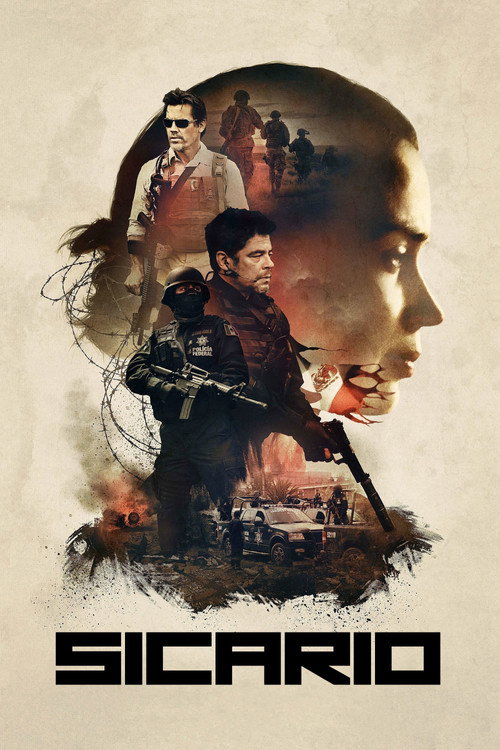
Sicario2015
A taut, visually stunning border thriller that captures the paranoia and moral compromise of operating in cartel territory. It has El Infierno's sense that the rules are rigged and survival means losing yourself.
But The violence is relentless and the ending offers no redemption. If you need your protagonist to win or learn something hopeful, stay away.
Miss Bala2011
Another Mexican crime film that uses genre conventions to explore how ordinary people get swallowed by organized crime. It's propulsive and brutal, with a similar eye for how the cartel infiltrates everything.
But The protagonist's arc is bleak and the film offers little comfort. It's also very violent, which some find gratuitous.

Not sure tonight? Get a pick in a minute, starting from El Infierno
The wildcard
Something you would not have found on your own.
Come and See1985
Both use genre conventions (war film, crime thriller) as a vessel for showing how institutional violence systematically destroys the soul. The register is different—one's satirical, one's operatic—but the moral inquiry is identical.
Elem Klimov's Soviet masterpiece documents the annihilation of a young partisan's humanity during WWII. Like El Infierno, it shows how systems grind decent people into something unrecognizable, but with overwhelming artistic power.
But This is one of cinema's most brutal films. It's not entertainment—it's a document of psychological destruction. Many who've seen it find it genuinely traumatizing.

More like this (8)
A Prophet2009
This French prison drama mirrors El Infierno's structure: a man enters a corrupt institution and must adapt or die, learning the rules of survival from the ground up. Both are about systems that transform their subjects.
But It's deliberately paced and subtitled. The prison setting is claustrophobic, and some viewers find it slow despite being compelling.

The Godfather Part II1974
Coppola's parallel structure—showing how Michael becomes a crime boss while depicting Vito's rise—echoes El Infierno's interest in how men are corrupted by their circumstances. Both see tragedy in inevitability.
But At over three hours, it demands serious commitment. The violence is restrained compared to El Infierno, so if you came for intensity, the pacing may feel slow.

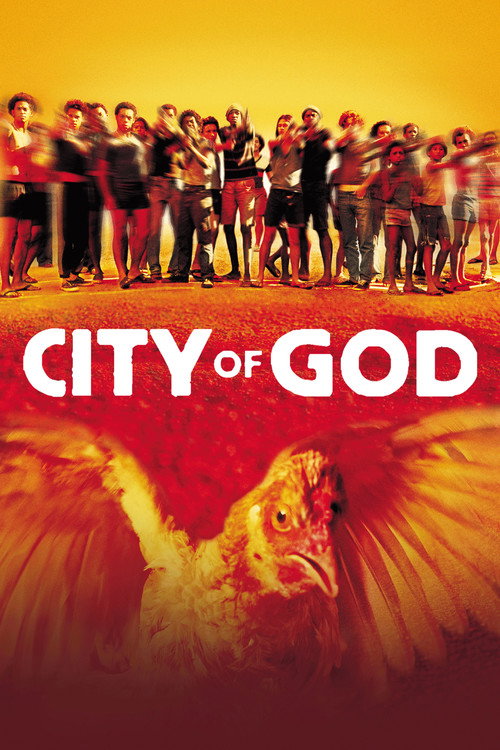
City of God2002
A Brazilian favela crime epic that captures the same kinetic energy and dark humor as El Infierno. Both films treat organized crime as a systemic problem rooted in poverty and desperation, not individual evil.
But The rapid editing and overlapping dialogue can be disorienting. The film bounces between timelines and characters, which some find confusing rather than engaging.
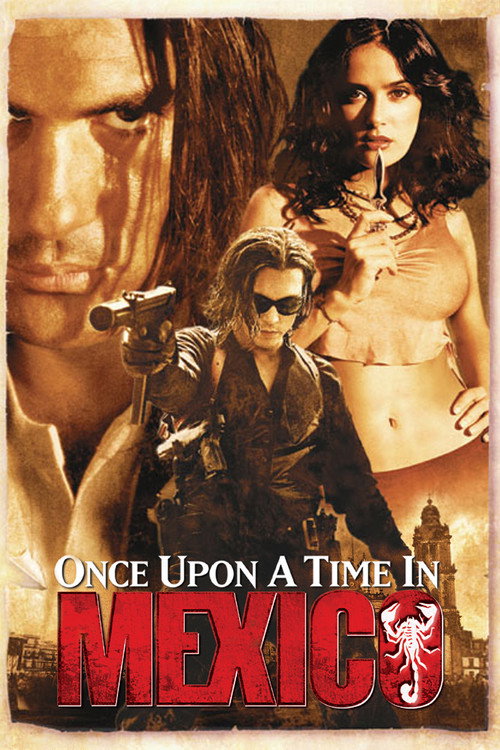
Once Upon a Time in Mexico2003
Rodriguez's stylish cartel thriller has El Infierno's blend of action and dark comedy, plus its willingness to treat corruption as Mexico's defining tragedy rather than a temporary problem.
But It's unevenly paced and sometimes prioritizes spectacle over clarity. Some scenes feel self-indulgent, and the plot can get tangled.
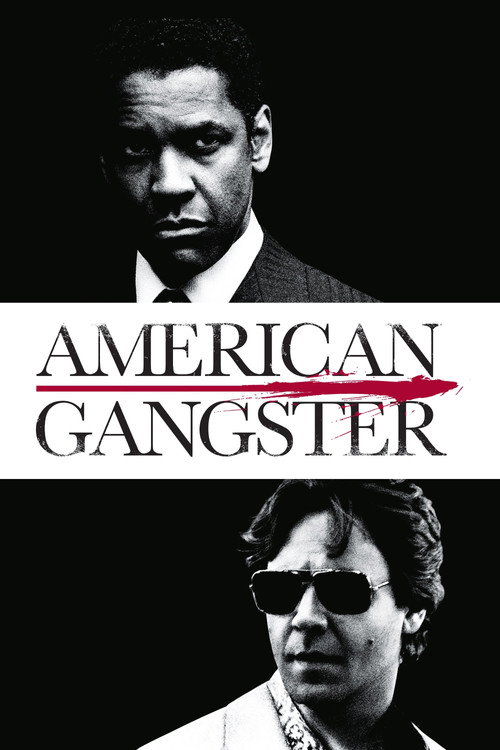
American Gangster2007
Ridley Scott's crime epic parallels El Infierno in showing how a man builds power within a corrupt system. Both explore the pathology of ambition and the cost of survival in a rigged game.
But It's nearly three hours and sometimes treats its protagonist with too much sympathy. The film can feel like a glorification rather than a critique of its subject.
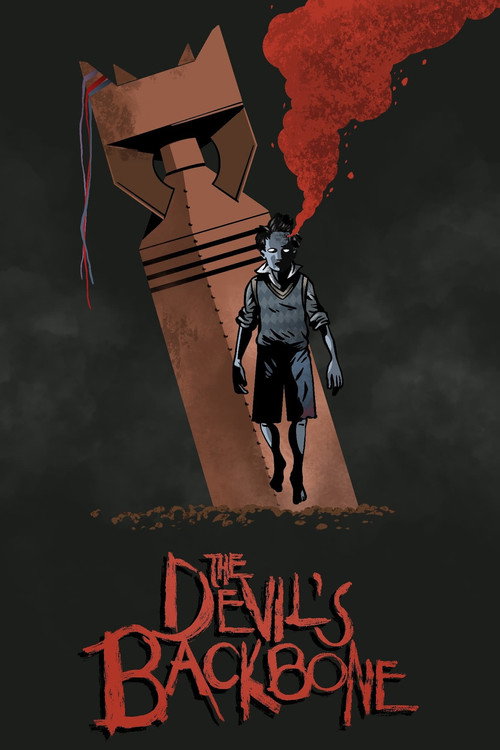
The Devil's Backbone2001
Guillermo del Toro's Spanish gothic crime film shares El Infierno's interest in how violence corrupts institutions and transforms ordinary people. It's visually rich and morally complex in similar ways.
But It's a period piece in a different language with genre elements that might feel mismatched. Some find the magical realism distracting from the crime narrative.
Uncle Boonmee Who Can Recall His Past Lives2010
Both films examine how men are shaped by forces larger than themselves—the cartel, history, time—and both suggest that escape is impossible. El Infierno screams it; Boonmee whispers it. The diagnosis is the same.
Apichatpong Weerasethakul's meditative Thai film about memory and mortality moves at the opposite speed from El Infierno but shares its interest in how history and circumstance trap people. It's hypnotic and philosophical.
But Nothing happens in conventional terms. It's a slow, poetic film about aging and regret that requires you to sit with long silences. Narrative-hungry viewers will be baffled.

Memories of Murder2003
Both films use their genre (crime thriller, police procedural) to ask how ordinary men inside corrupt systems become corrupted themselves. Both are angry about it, but neither offers an escape route.
Bong Joon-ho's Korean serial killer procedural is ostensibly a very different beast, but it shares El Infierno's anatomy: a portrait of institutional corruption where good men become complicit. It's a thriller that's also a indictment.
But It's in Korean with subtitles and nearly two and a half hours. The ending is ambiguous and unsettling rather than conclusive, which frustrates viewers seeking closure.

People
Cast
 Damián AlcázarBenjamín García "El Benny"
 Joaquín CosíoEl Cochiloco
 Ernesto Gómez CruzDon José Reyes
 María RojoDoña Mari Reyes
 Elizabeth CervantesLa Cuñada
 Jorge ZárateEl Huasteco
 Salvador SánchezEl Padrino
 Daniel Giménez CachoCapitán Ramírez
 Angelina PeláezMamá García
 Kristyan FerrerEl Sobrino
 Dagoberto GamaEl Sargento
 Mauricio IsaacEl J.R.
Directing
- Martín TorresAssistant Director
- Luis EstradaDirector
Writing
- Jaime SampietroScreenplay
- Luis EstradaStory
Production
- Claudia BeckerCasting
- Sandra León BeckerCasting
- Sandra SolaresExecutive Producer
- Carlos EstradaLine Producer
- Juan UruchurtuLine Producer
- Horacio RodríguezLocation Manager
- Luis EstradaProducer
- Jorge Eduardo RamírezProduction Manager
- Fuad Abed DaltonUnit Manager