
Film
Once Upon a Time in Mexico
- Spy action
- Drug-trade crime
- Relentless
Robert Rodriguez's baroque action finale trades coherence for style, texture and sheer visual appetite. A hitman, a CIA agent, and Mexican politics collide in a film more interested in the symphony of violence than plot clarity. It's maximalist filmmaking—sometimes thrilling, sometimes chaotic, always committed to the bit.
Should you watch it?
Watch it if you enjoy loud, stylised Mexican crime pulp where swagger, sun-bleached showdowns and a gleefully tangled plot matter more than logic, especially if Robert Rodriguez's Spaghetti Western energy is your thing.
Skip it if you want a grounded, emotionally weighted thriller; the characters are deliberately cartoonish and the plot's double-crosses pile up so fast that it can feel more like a noisy comic than a story you invest in.
What it asks of you: It runs about 102 minutes and moves in bursts of gunfire and bravado, so it rewards easy, playful attention rather than close reading of who is betraying whom.
Not sure? Find tonight's pick in a minute.
If you liked this
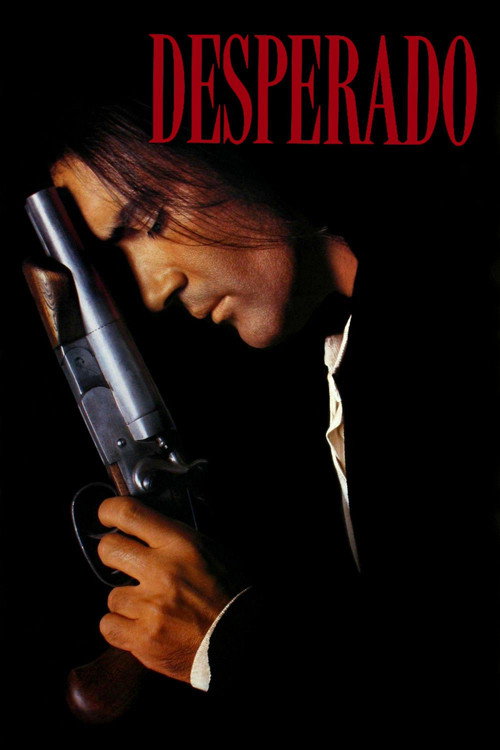
Desperado1995
The direct predecessor that perfects Rodriguez's formula: electric action, genuine charisma, and a cleaner narrative engine. Antonio Banderas as El Mariachi is never better, and the choreography is crystalline.
But It's still 90s action cinema. If you want contemporary fight craft or emotional weight beyond charm, you won't find it here.
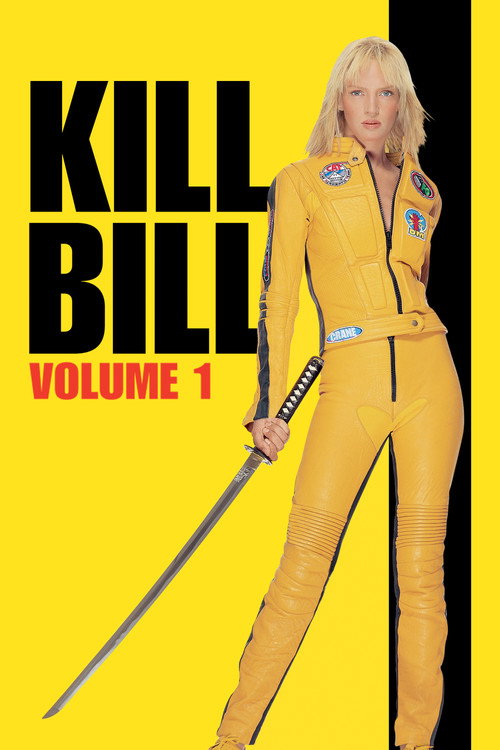
Kill Bill: Vol. 12003
Tarantino's operatic revenge saga arrived the same year. Stylized violence, a wandering narrative that circles back on itself, and the pure joy of watching filmmakers showing off—it speaks the same language.
But Two hours of swordplay and revenge fantasy. If you need grounding in reality or prefer restraint to excess, move on.
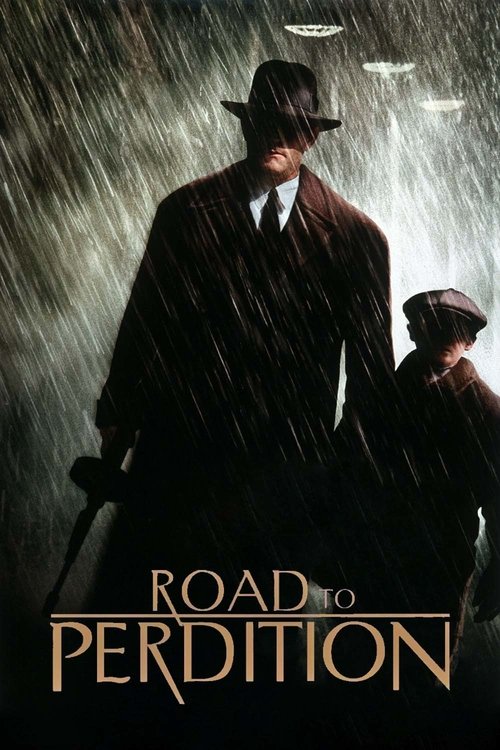
Road to Perdition2002
A crime thriller with genuine stakes and moral weight, beautifully shot and anchored by Tom Hanks. It has the genre seriousness that Once Upon a Time in Mexico sometimes reaches for but doesn't quite catch.
But It's methodical and mournful. Much quieter than Rodriguez, and the violence matters in a way that can be punishing to watch.
Not sure tonight? Get a pick in a minute, starting from Once Upon a Time in Mexico
The wildcard
Something you would not have found on your own.
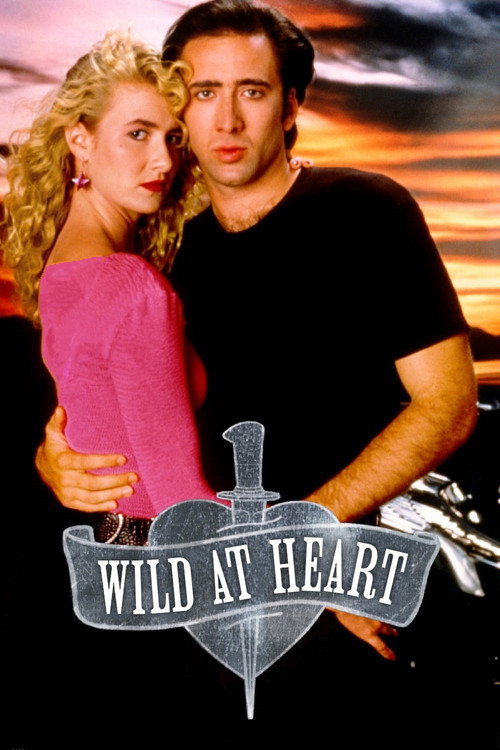
Wild at Heart1990
Both films subordinate plot coherence to visual and emotional excess. Both use exaggerated performances and hallucinatory color to push into nightmare registers of action cinema.
Lynch's hallucinogenic road movie about violence, desire, and surreal Americana. Like Once Upon a Time in Mexico, it prioritizes sensation and fever-dream logic over clarity—but it goes far stranger. Nicolas Cage at full-voltage intensity.
But It's actively weird in ways that demand tolerance for discomfort. The sexual violence and grotesque imagery aren't in service of thrills—they're part of the texture. Some will find it self-indulgent.
More like this (8)
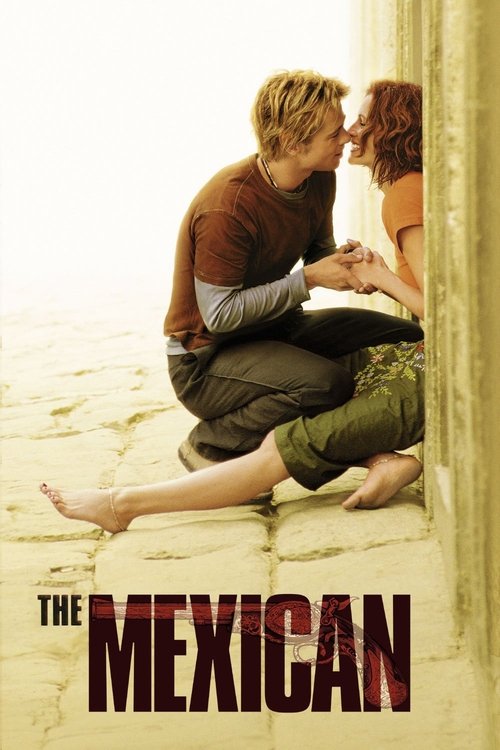
The Mexican2001
Brad Pitt and James Gandolfini in a crime caper that blends action, comedy, and self-aware genre pastiche. It's lighter than Once Upon a Time in Mexico but shares its willingness to be playful about tough men and rough situations.
But The tonal whiplash between action and comedy doesn't always land. Some sequences feel like padding between set pieces.
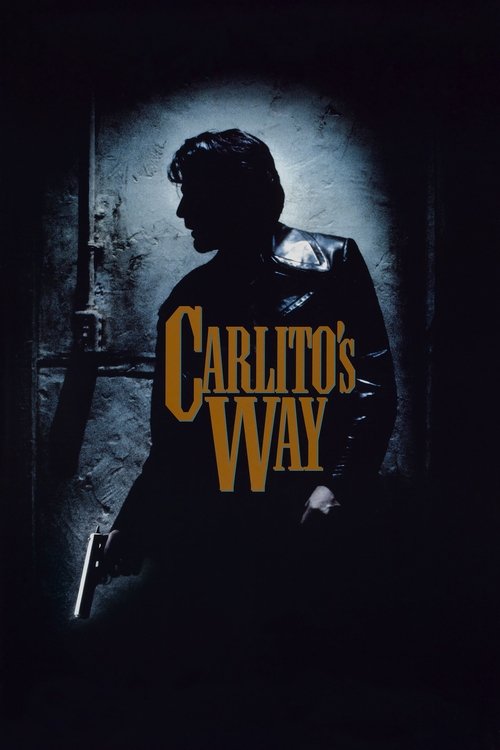
Carlito's Way1993
De Palma's Miami crime saga has the visual ambition and kinetic energy you want. Al Pacino carries the weight; the film doesn't need to be clever because it's too busy being gorgeous and tense.
But It's more interested in atmosphere than plot momentum. If you want clarity and forward drive, the deliberate pacing will frustrate.
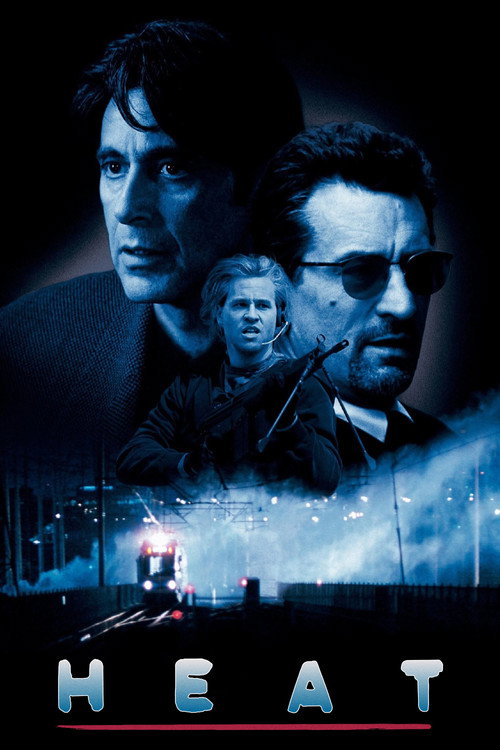
Heat1995
Mann's three-hour masterpiece justifies its length with precision and scale. The action sequences feel consequential, the characters breathe, and the moral ambiguity cuts deeper than any Rodriguez film attempts.
But Three hours. A slow burn that demands your full attention and rewards patience—but patience is the whole commitment.
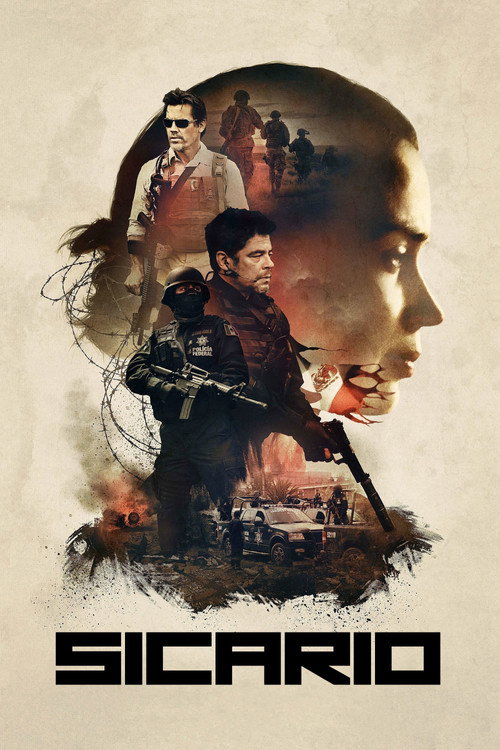
Sicario2015
Modern crime thriller that takes Mexico, corruption, and CIA intrigue seriously. Villeneuve finds dread in bureaucracy; it's tense without ever resorting to cartoonish flourish.
But It's grim and deliberately paced. If you're here for Rodriguez's playfulness, this film's darkness and ambiguity will feel like a different genre entirely.
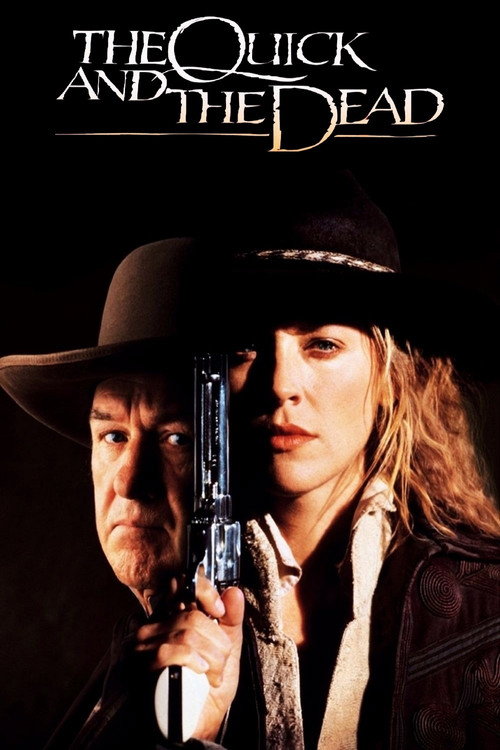
The Quick and the Dead1995
Sharon Stone in a Western showdown directed by Sam Raimi. Baroque, violent, more style than sense—a spiritual cousin to Rodriguez's sensibilities, just with quicker trigger fingers and less narrative pretense.
But The plot is thin and the tone veers wildly. Some will call it a mess; others call it liberation. Your mileage depends on patience for mess.
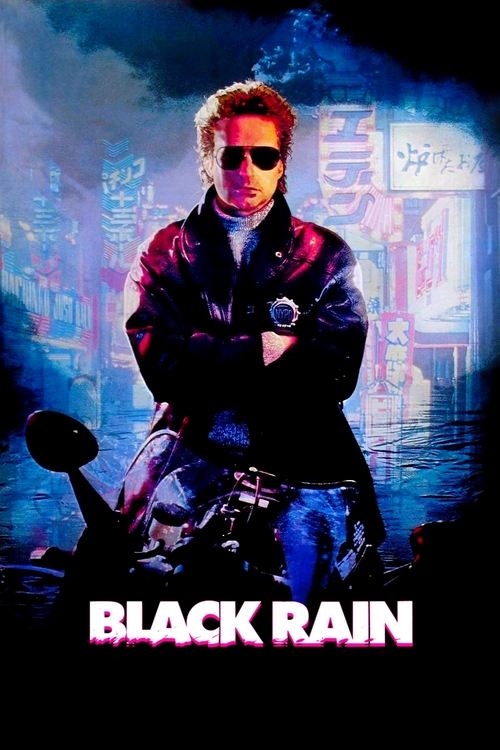
Black Rain1989
Ridley Scott's Tokyo crime film is all neon and rain and Michael Douglas doing his best cop work. It's dated in ways that feel charming now, and the visual commitment is absolute.
But The story is basic procedural stuff. It's a film about how things look and feel, not about narrative momentum or depth.
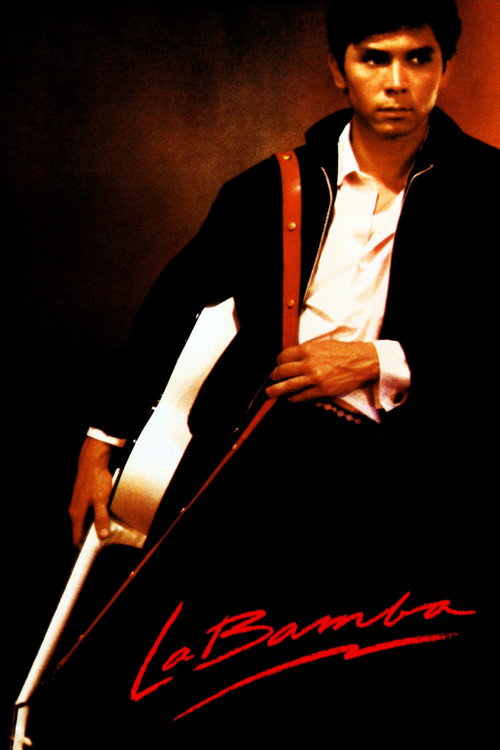
La Bamba1987
Both films center Mexican-American protagonists in stories of violence and consequence (one literal, one the violence of history). Both use their setting and soundtrack as emotional texture, not backdrop.
A surprisingly tender biopic of Ritchie Valens, humanizing a rock legend before his early death. Lou Diamond Phillips carries the film with genuine warmth and vulnerability. It's about joy and family as much as tragedy.
But It's straightforward and earnest in ways that feel almost quaint now. No stylistic ambition, no genre games—just a well-made period piece about an American Mexican teenager.
Mulholland Drive2001
Both are American films obsessed with style as truth, with performance as a mask, and with the moral compromise of ambition in borderland spaces. Both use genre elements (action, noir, melodrama) to explore darker currents.
Lynch's Los Angeles nightmare is fractured, gorgeous, and rewarding on repeat viewings. Naomi Watts is luminous. The film has the narrative ambition and visual commitment you want—it refuses easy answers.
But It's three hours of willful obscurity. If you need narrative resolution and emotional closure, this film will leave you frustrated. It's a puzzle that may not have an answer.

People
Cast
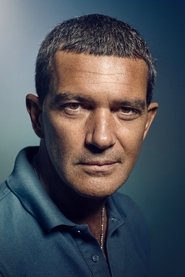 Antonio BanderasEl Mariachi
 Johnny DeppCIA Agent Jeffrey Sands
 Cheech MarinBelini
 Salma Hayek PinaultCarolina
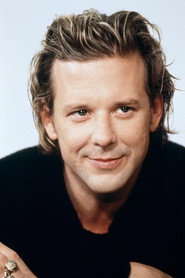 Mickey RourkeBilly Chambers
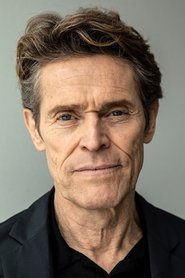 Willem DafoeArmando Barillo
 Eva MendesCIA Agent Ajedrez
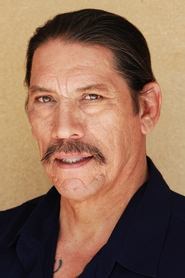 Danny TrejoCucuy
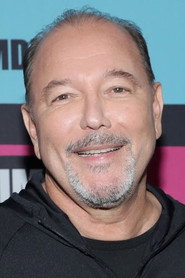 Rubén BladesJorge, Retired FBI Agent
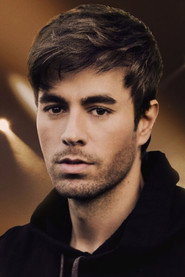 Enrique IglesiasLorenzo
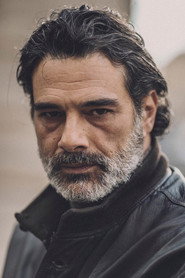 Marco LeonardiFideo
 Troy RobinsonRomero
Directing
- Robert RodriguezDirector
- Brian BettwyFirst Assistant Director
- Korey Scott PollardSecond Assistant Director
Writing
- Robert RodriguezScreenplay
Production
- Mary VernieuCasting
- Luz María RojasCo-Producer
- Sue JettCo-Producer
- Tony MarkCo-Producer
- Jane Nerlinger EvansExecutive In Charge Of Production
- Carlos GallardoProducer
- Elizabeth AvellanProducer
- Robert RodriguezProducer
- Tony MarkUnit Production Manager