
Film
The Quick and the Dead
Sharon Stone anchors a baroque revenge Western where style supersedes historical accuracy. Sam Raimi directs with operatic violence, primary-color cinematography, and an almost musical sense of rhythm. It's a genre film for people who love movies—flashy, deliberately artificial, unapologetic. Watch it for pure cinema craft and Stone's unflinching presence.
Should you watch it?
Watch it if you love revisionist-leaning Westerns built on stylised, almost operatic showdowns and a sharp, mannered cast clearly enjoying themselves, the way Sergio Leone's gunfights and Sam Raimi's flamboyant energy both spark joy.
Skip it if you want a grounded, slow-burning frontier story, since this one leans into heightened theatre, quick cutting and glossy set pieces rather than dust-and-sweat realism.
What it asks of you: Around 107 minutes, it moves briskly from one duel to the next, asking you to accept its heightened, comic-book-tinged world without fussing over how plausible any of it is.
Not sure? Find tonight's pick in a minute.
If you liked this
Johnny Guitar1954
A Western where a woman is the unambiguous hero, dressed in black, standing her ground against a town's hysteria. Joan Crawford is magnificent. It's the ancestor *Quick and the Dead* quotes and celebrates.
But The pacing is strange and dreamlike; it moves like a fever dream rather than a conventional narrative. Some find it bewildering.

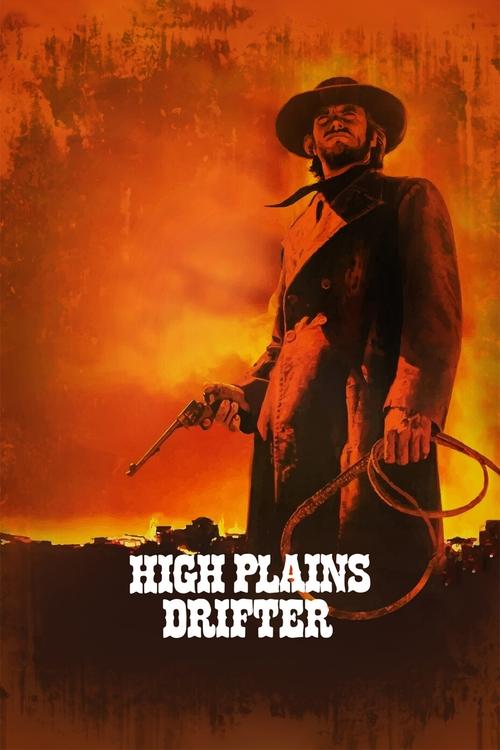
High Plains Drifter1973
Clint Eastwood as an enigmatic stranger exacting revenge on a corrupt town. Sergio Leone's DNA runs through it. Dark, stylish, and the mood is righteous rather than gleeful—closer to Stone's moral clarity.
But It's quieter and more austere than *Quick and the Dead*. If you want Sam Raimi's frenetic energy, this will feel restraint-heavy.
The Ballad of Little Jo1993
A woman survives on the frontier by living as a man. It's interested in the same question as *Quick and the Dead*—how a woman carves space in a hostile landscape—but through historical realism instead of operatic fantasy.
But It's slow, intimate, and genuinely sad. No quick-draw tournaments, no color-coded villains. Some will find it too quiet after Raimi's maximalism.

Not sure tonight? Get a pick in a minute, starting from The Quick and the Dead
The wildcard
Something you would not have found on your own.
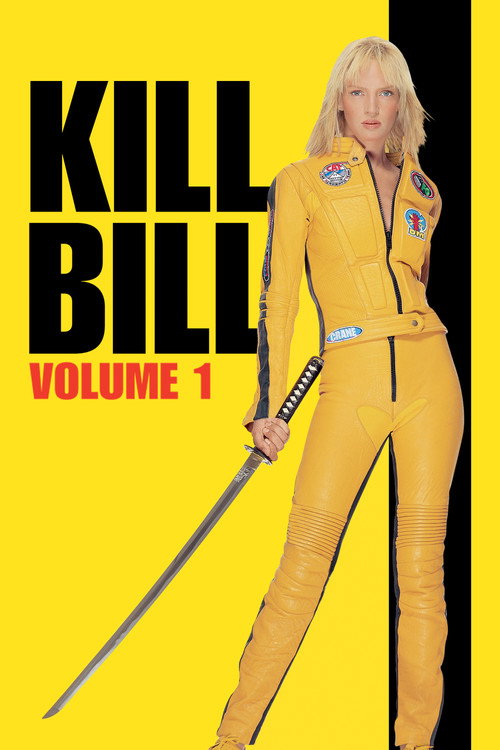
Kill Bill: Vol. 12003
Both are revenge films that treat the heroine as an avenging myth rather than a vulnerable victim. Both prioritize visual storytelling and genre ecstasy over plot coherence. Both feature spectacular, almost balletic violence.
Tarantino's action operetta about a woman hunting the people who wronged her. Like *Quick and the Dead*, it's a woman-centered revenge fantasy built from color, style, and myth rather than realism. Both are celebrations of cinema as pure craft.
But It's relentlessly violent and stylized. The narrative momentum is secondary to aesthetic pleasure. Some find that shallow or exhausting.
More like this (8)
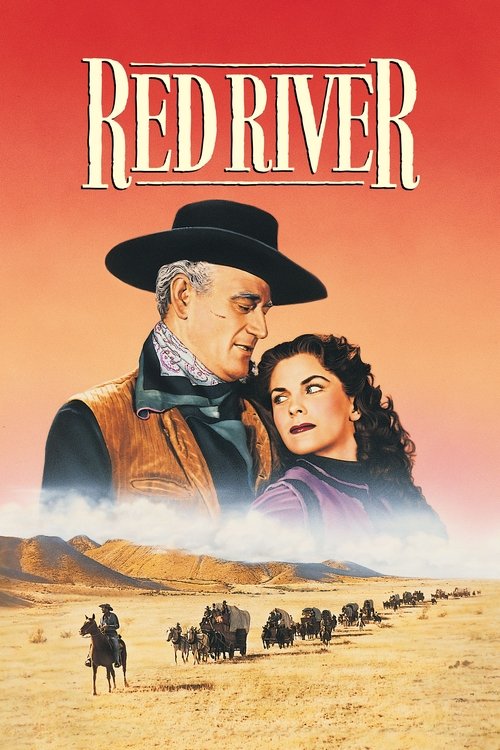
Red River1948
Hawks's masterpiece about a cattle drive and a power struggle between an aging tyrant and the younger man challenging him. Monument Valley cinematography; a moral reckoning wrapped in masculine ritual.
But It's nearly two hours of dialogue and tension before violence arrives. The pacing is classical, not modern.
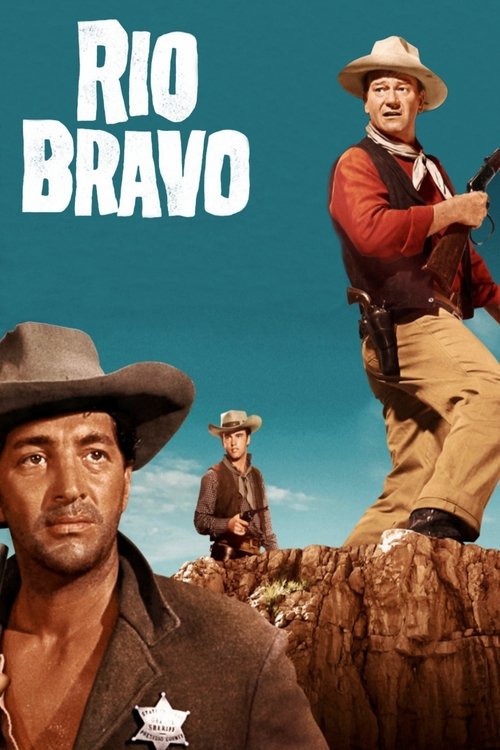
Rio Bravo1959
John Wayne, Dean Martin, Angie Dickinson, and Walter Brennan hold a town against an army. It's a siege film disguised as a Western—methodical, funny, deeply humane. Hawks at his warmest.
But It's leisurely and digressive by design. If you want plot momentum, you'll be frustrated.
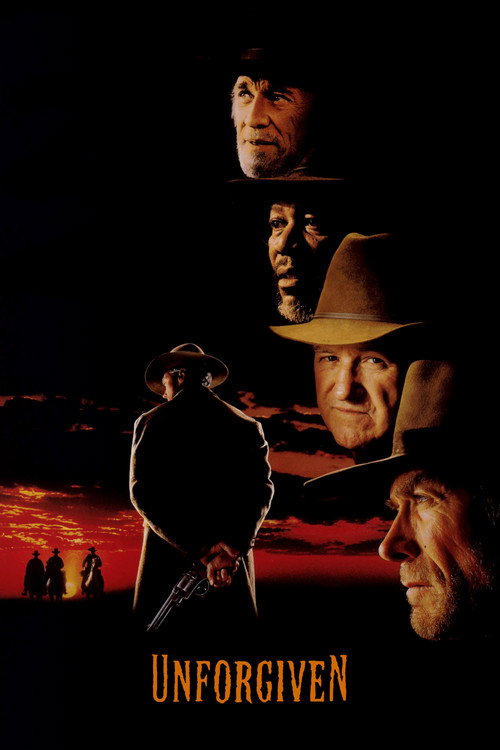
Unforgiven1992
A revenge Western about aging gunfighters confronting what violence actually costs. Clint Eastwood's meditation on the genre itself. Morally serious and visually stunning.
But It's meditative and often bleak. There's no glamour in the gunfighting. Some want their revenge stories to feel victorious, not hollow.
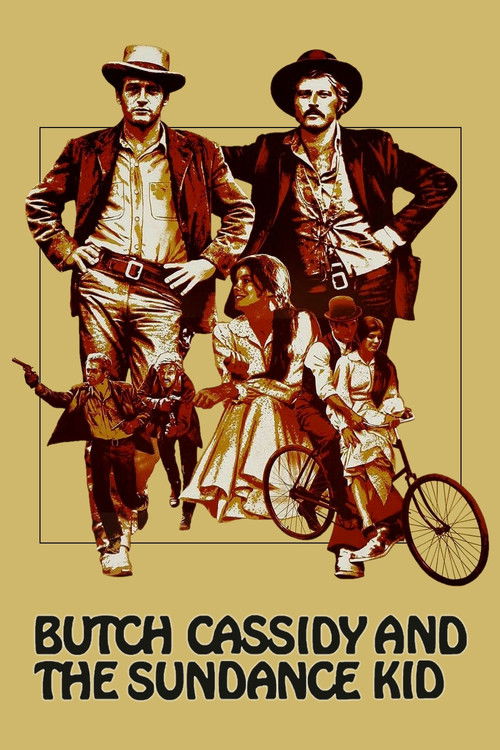
Butch Cassidy and the Sundance Kid1969
Paul Newman and Robert Redford as charismatic outlaws on the run. It's witty, modern in sensibility, and genuinely moving about friendship and mortality. The tone is lighter than *Quick and the Dead* but the bones are similar.
But The ending is downbeat. It's not a victory lap; it's an elegy for a certain kind of West.
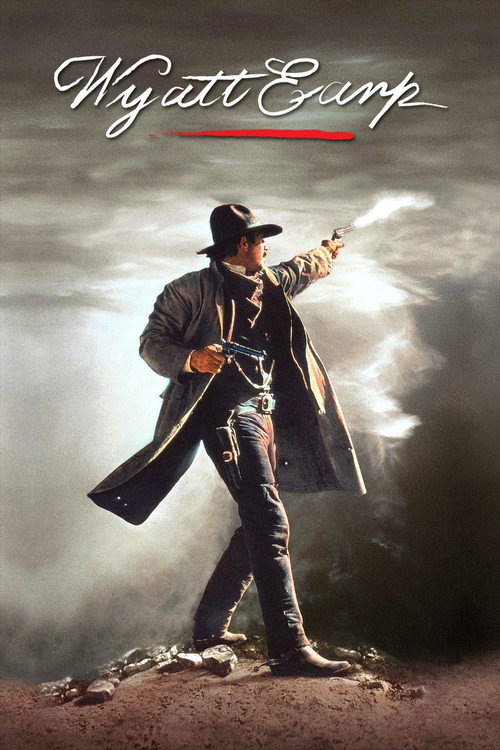
Wyatt Earp1994
Released the year before *Quick and the Dead*, this Lawrence Kasdan film is a revisionist Western biography with baroque violence, moral complexity, and a dreamlike aesthetic. Kevin Costner, Gene Hackman, Val Kilmer.
But It's bloated and unfocused; Kasdan bites off more than he can chew. Many viewers find it overlong and self-indulgent.
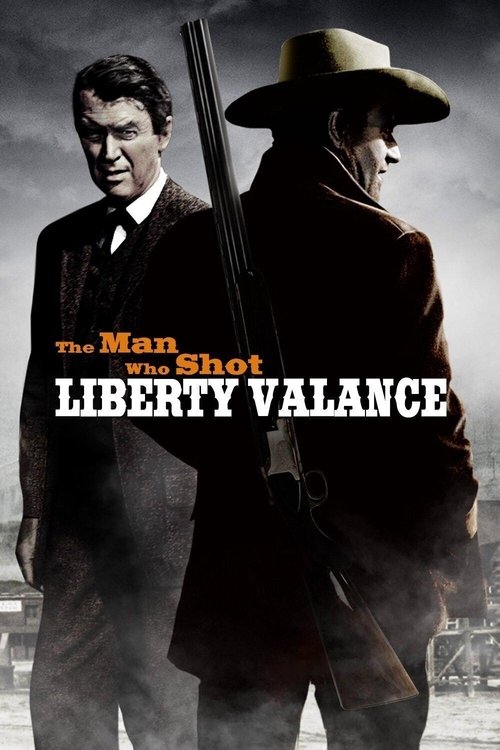
The Man Who Shot Liberty Valance1962
John Ford's meditation on legend versus truth. A Western about a young man who didn't kill who everyone thinks he did, and must live with that lie. It's philosophical and gorgeous in black and white.
But It's slow and elegiac. If you need action and momentum, this will feel static and mournful.
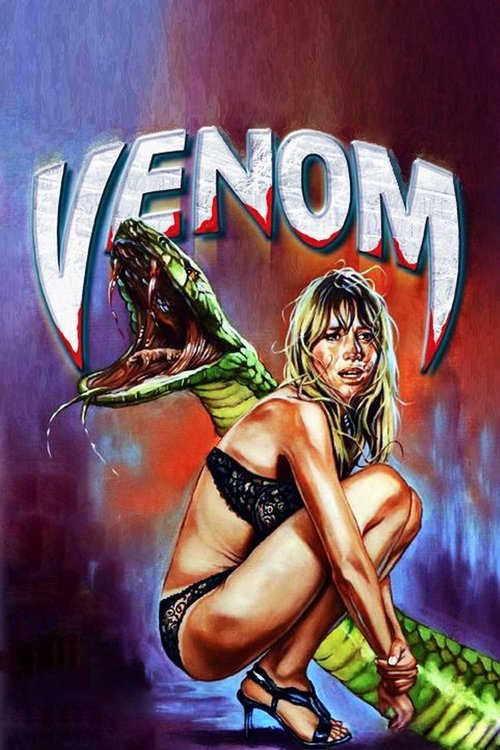
Venom1981
Both feature genre heroes who are unknowable and morally complicated. Both use violence as a language rather than a plot device. Both are confident B-movie entertainments that respect their audience's intelligence without patronizing them.
Piers Haggard's kidnap thriller: a boy, his mother, and a disgraced secret agent trapped in a townhouse with a black mamba. It's claustrophobic, visceral, and genuinely weird. Sterling Hayden, Klaus Kinski. Low-budget thriller craft at its best.
But It's dirty and unpleasant; there's no heroic sheen. It's also obscure and hard to find. Some may find it merely trashy rather than redeemingly so.
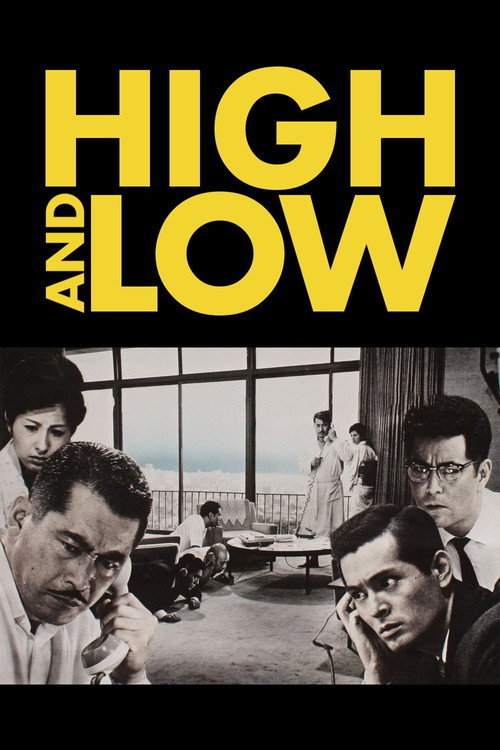
High and Low1963
Both feature heroes who are tested by circumstance in a town or closed space. Both treat violence and revenge as moral problems, not solutions. Both use visual composition and framing as moral argument—what you see and where the camera places you matters.
Kurosawa's kidnapping thriller: a man's son is snatched, and he must choose between his company and his child. Shot in widescreen black and white, it's about class, morality, and the cost of living by principle. Austere and gripping.
But It's a Japanese film from 1963 in black and white. The first half is almost entirely interior scenes and dialogue. Patience is non-negotiable.
People
Cast
 Sharon StoneEllen
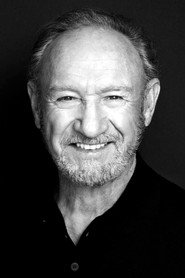 Gene HackmanHerod
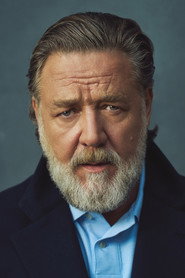 Russell CroweCort
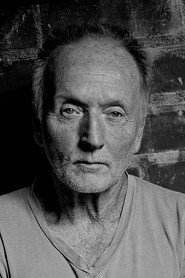 Tobin BellDog Kelly
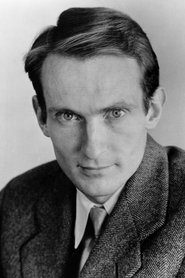 Roberts BlossomDoc Wallace
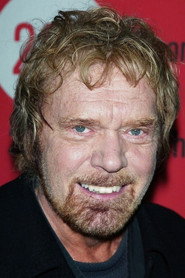 Kevin ConwayEugene Dred
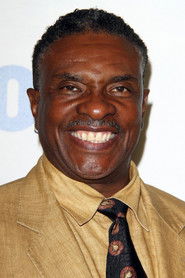 Keith DavidSergeant Cantrell
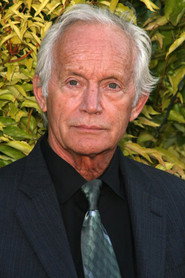 Lance HenriksenAce Hanlon
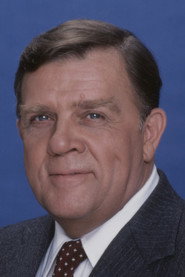 Pat HingleHorace
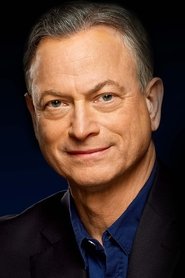 Gary SiniseMarshall
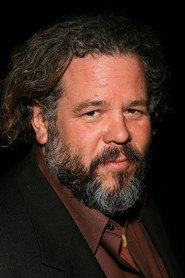 Mark Boone JuniorScars
Directing
- Sam RaimiDirector
- John CameronFirst Assistant Director
- Terry LeonardSecond Unit Director
Writing
- Simon MooreScreenplay
Production
- Chuck BinderCo-Producer
- Sharon StoneCo-Producer
- Robert TapertExecutive Producer
- Toby JaffeExecutive Producer
- Allen ShapiroProducer
- Joshua DonenProducer
- Patrick MarkeyProducer
- David PollisonProduction Assistant
- Karen HughesProduction Supervisor
- Patrick MarkeyUnit Production Manager
Recommended by
Navajo Joe, Extremities, Appaloosa, Machete, Hannie Caulder, Once Upon a Time in Mexico, Bad Girls, Desperado, Jonah Hex, Ghosts of Mars, Wyrmwood: Road of the Dead, Dust, The Missing, Posse, Lucky Luke, The Cisco Kid, Planet Terror, Lucky Luke, A Million Ways to Die in the West, Bandidas, Gunslinger