
Film
Ghosts of Mars
John Carpenter's Mars-set action horror about colonial cops discovering something far worse than the convict they came for—the ancient Martian natives, angry and ready for war. It's grimy, operatic, and deliberately antithetical to prestige sci-fi: blood over brains, practical effects over CGI subtlety, and a soundtrack that punches. For people who want their genre films to *feel* like something, not disappear into competence.
Should you watch it?
Watch it if you enjoy lean, pulpy siege movies where grimy practical gore and a cheerfully nasty tone matter more than polish or logic.
Skip it if you need coherent plotting, restrained scares or grounded acting; this is loud, rough and scrappy, and audiences have rated it poorly.
What it asks of you: Brief and brisk at 98 minutes, it wants your attention for a single sitting and a tolerance for noise, bluster and abrupt shifts in tone.
Not sure? Find tonight's pick in a minute.
If you liked this
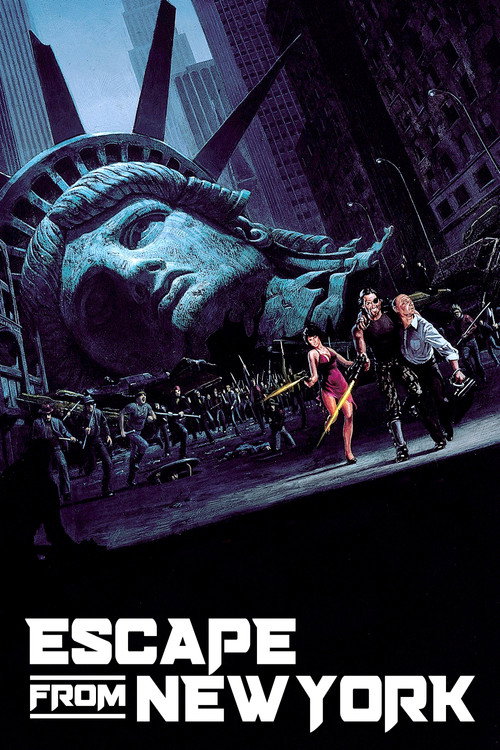
Escape from New York1981
Carpenter's prototype for the formula: a lawman descending into hostile territory for a rescue, wise-cracking supporting cast, synthesiser score that does half the work. Same DNA, same swagger.
But It's older and slower in ways that feel deliberate rather than cheap, which some viewers find punishing rather than atmospheric.
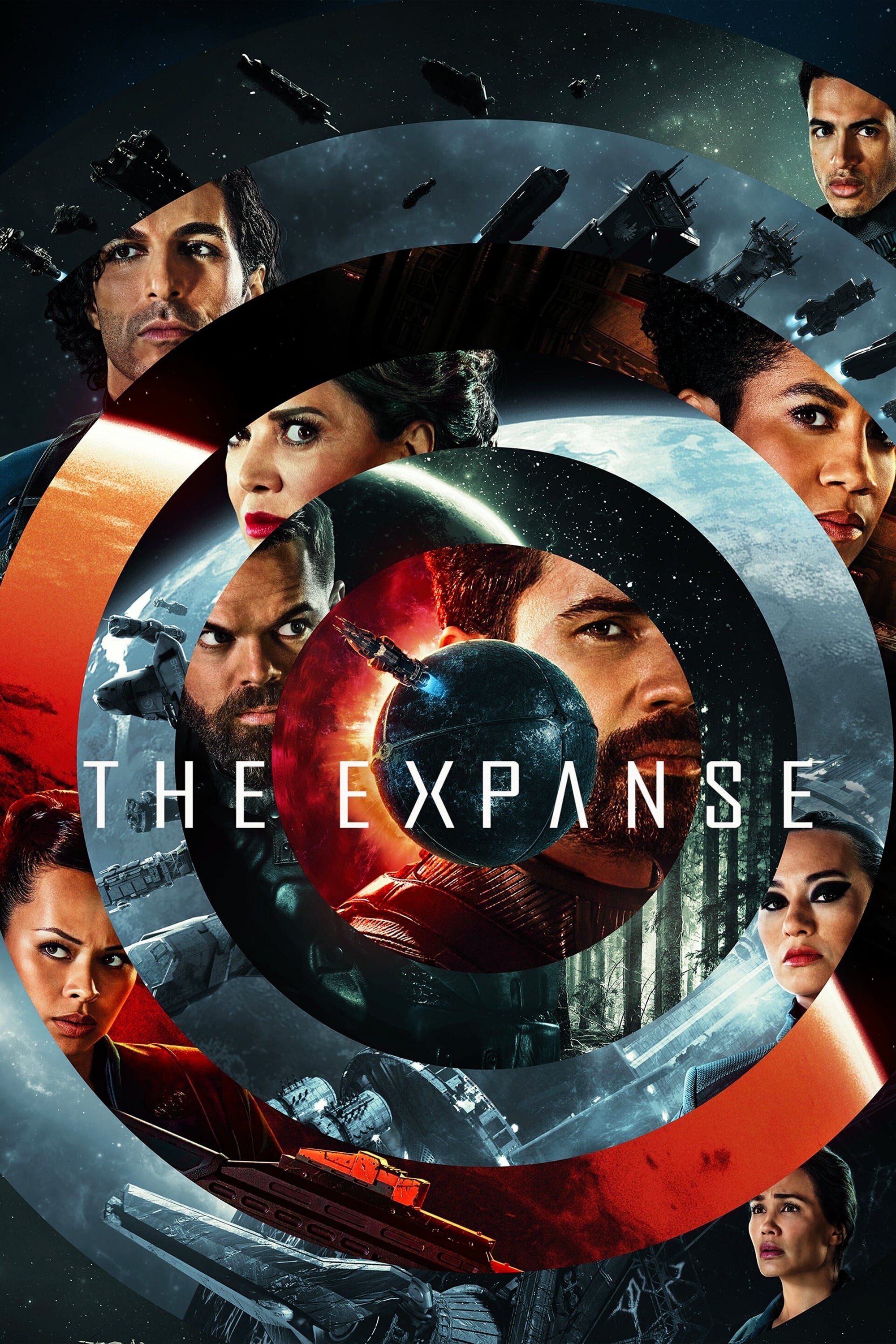
The Expanse2015
Colonial politics, rival factions, and Martian mystery—but grounded in hard sci-fi logic rather than pulp. A working-class space crew stumbling into things larger than them. Sprawling and generous with its universe.
But Nine seasons is a commitment, and the first few episodes privilege world-building over momentum. Patience required before it clicks.
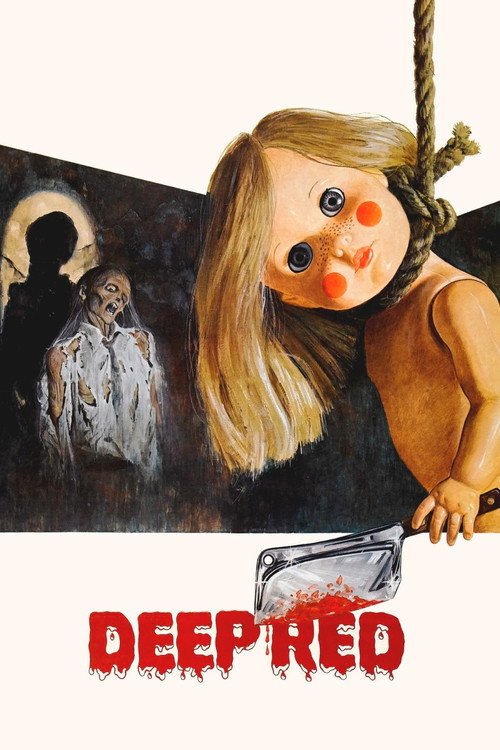
Deep Red1975
Dario Argento's masterclass in pure kinetic dread: sudden violence, gorgeous grotesqueness, logic suspended in favour of mood. Proves horror doesn't need jump-scares or explanation to burrow under your skin.
But It's Italian giallo—operatic, sometimes incoherent, and deeply uncomfortable. Subtitles, sexual violence, and a tonal strangeness that won't sit easy.
Not sure tonight? Get a pick in a minute, starting from Ghosts of Mars
The wildcard
Something you would not have found on your own.
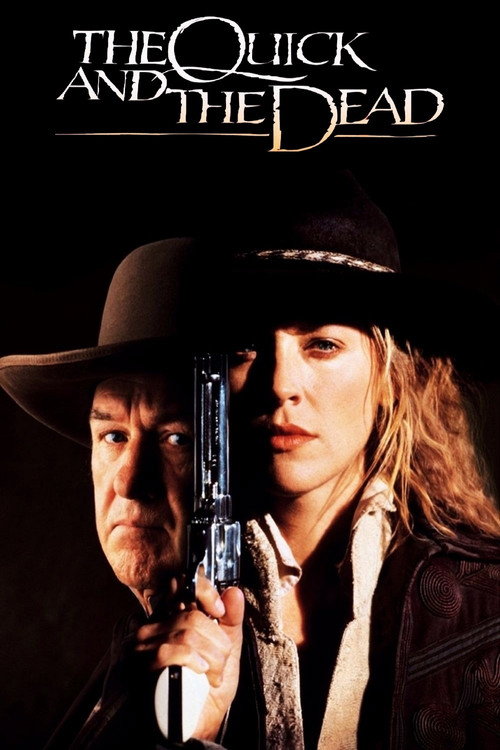
The Quick and the Dead1995
Both are genre exercises where visual excess and character swagger matter more than plot coherence or internal logic. Both say: *feel* this, don't just follow it.
Raimi's pulp western with Sharon Stone as a hired gun seeking revenge in a town ruled by a charismatic tyrant. Same operatic brutality, same refusal to let genre conventions calcify. Pure style over logic, and it thrives on it.
But It's visually garish and tonal, lurching between western and comic-book register. Gene Hackman chews scenery, Leonardo DiCaprio exists, and none of it makes conventional sense.
More like this (8)
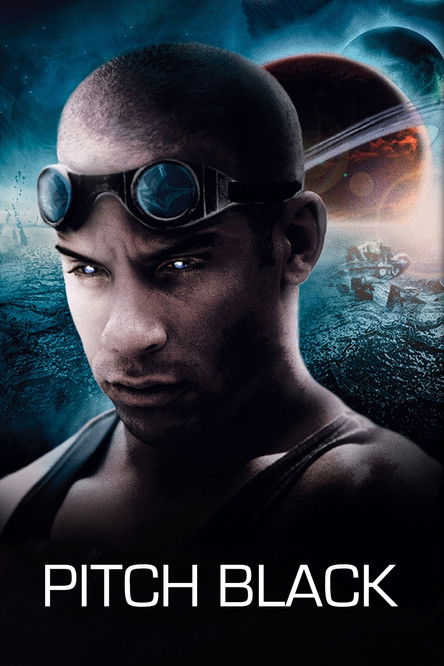
Pitch Black2000
Vin Diesel in a space prison escape with teeth. Lean and nasty, treating its B-movie premise with genuine craft. Alien danger, human danger, and a charismatic anti-hero—Carpenter's economy applied to Ridley Scott's fear.
But The sequels exist and are substantially worse, which can poison the original in retrospect. Also genuinely bleak about who survives.
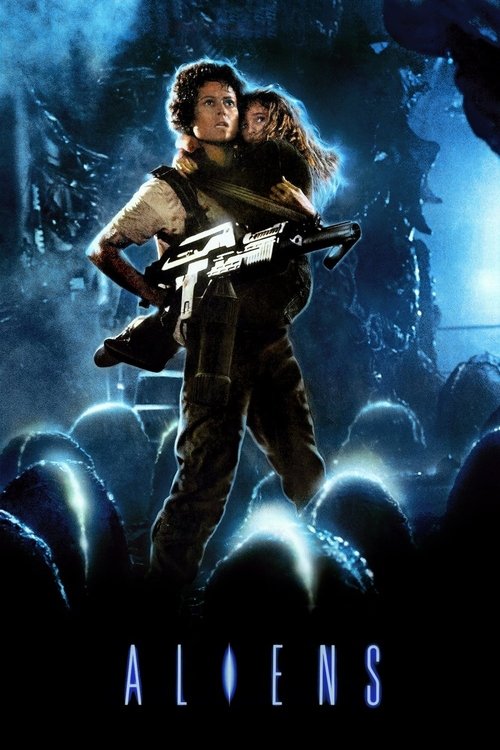
Aliens1986
Cameron's perfect demolition of *Alien*'s philosophy: more firepower, more bodies, more noise. A military unit against overwhelming odds in a place that doesn't care about their rank. The template action-horror still copies.
But It's massive and canonical now—the weight of its influence means it feels inevitable rather than surprising, and two-and-a-half hours is asking something.
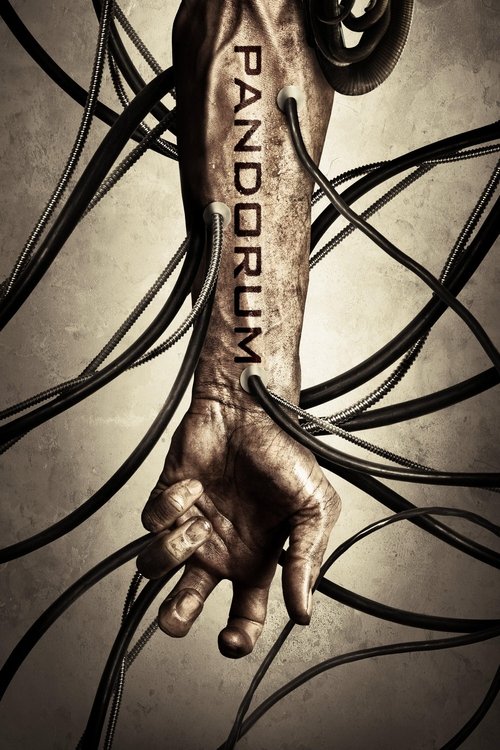
Pandorum2009
Deep-space claustrophobia where the real threat is psychological and social. Two men waking on a derelict ship with only fragments of memory. Reminds you that monster-horror works best when the space itself is a character.
But It's visually murky in ways that feel more like budget constraints than style. And the twist explanation lands softly when the atmosphere deserved harder answers.
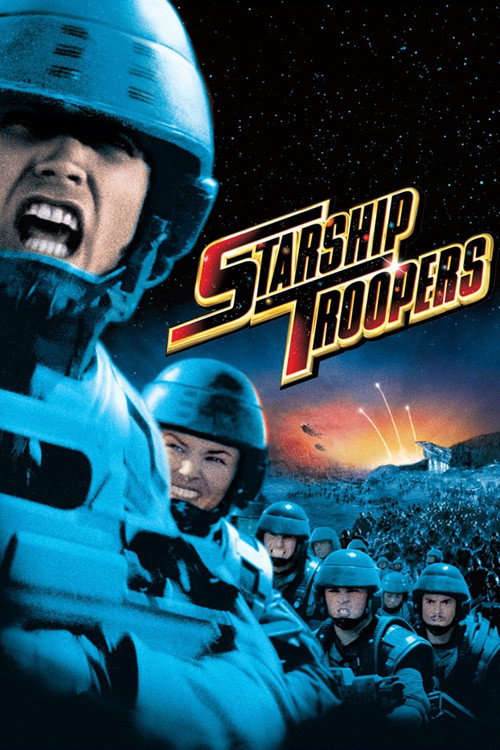
Starship Troopers1997
Paul Verhoeven making fascism *fun* while excoriating it. Militarism, propaganda, bugs that explode, and a satirical edge that doesn't announce itself. Genre thrills wrapped in genuine intellectual mischief.
But The satire comes in at odd angles; some viewers find it tries too hard and others miss it entirely. Also deeply weird about sexuality and violence.
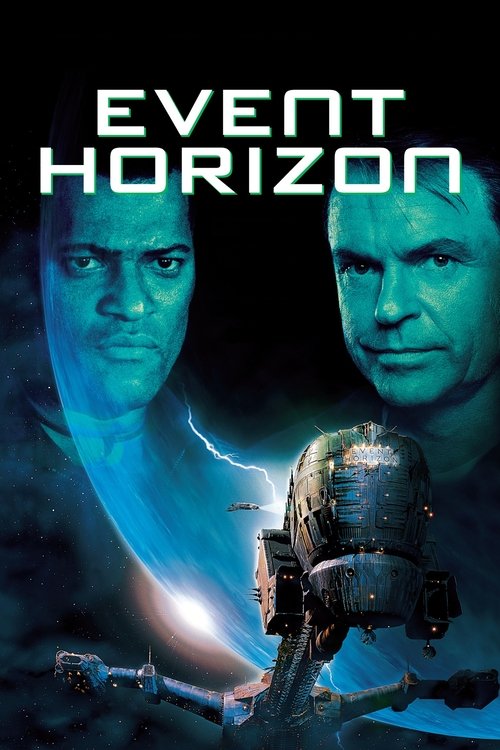
Event Horizon1997
A haunted house film set in a space station where architecture itself is the monster. Paul W.S. Anderson at his most genuinely unsettling, all hell and geometry. Practical, tactile, and visually baroque.
But The ending pitches into incoherence and regret. It's the work of a younger director making something too ambitious, which is either thrilling or frustrating depending on patience.
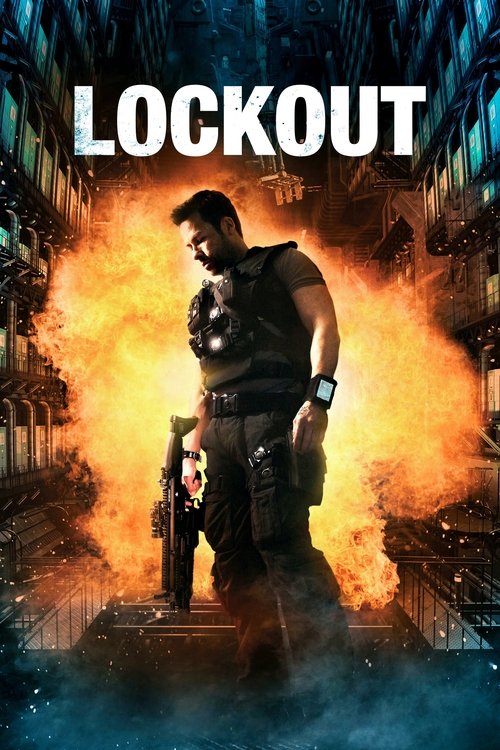
Lockout2012
A low-budget escape-from-prison-satellite film with genuine cheer. Guy Pearce doing a riff on Snake Plissken, practical effects, and a script that knows what it is. Sometimes lean genre filmmaking is exactly what you need.
But It's deeply minor and would evaporate from your memory inside a week. The action feels small-scale and the ambition never really arrives.
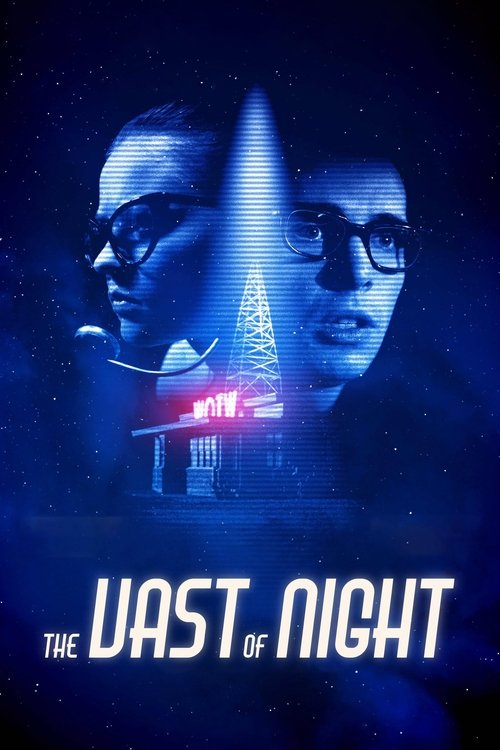
The Vast of Night2019
Both trust genre atmosphere over exposition, and both use their remote settings—Mars, a small town—as almost theological spaces where normal rules fray. Same faith in mood over mechanics.
A micro-budget science fiction film set in 1950s New Mexico about a radio operator and teenager chasing a mysterious frequency. Shot like a stage play, paced like a thriller, with genuine atmosphere built from sound design and dialogue rather than spectacle.
But It's deliberately quiet and slow-burn. No action sequences, minimal effects, and the final act doesn't resolve mystery into spectacle—it leaves you in ambiguity. Impatient viewers will feel starved.
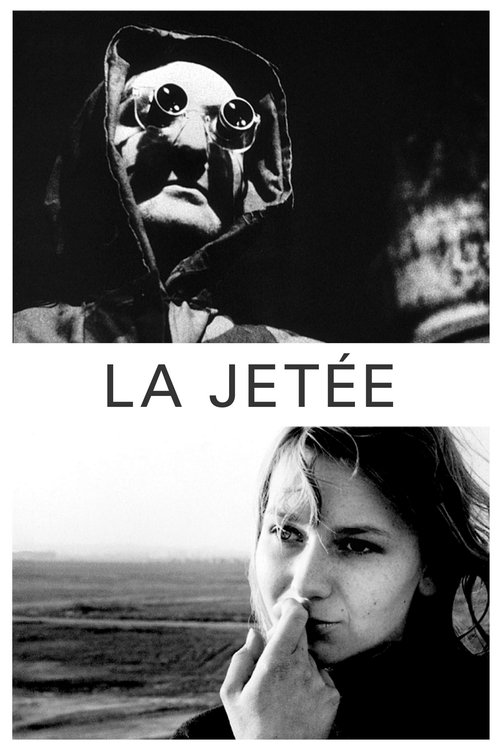
La Jetée1962
Both are SF films willing to abandon the genre's typical armature. Ghosts of Mars drops plot logic for feeling; La Jetée drops cinematic language itself. Both insist: what matters is what you *experience*, not what makes sense.
Marker's science fiction told almost entirely in still photographs, narration, and suggestion. A time-travel love story about memory and loss as an experimental film. Fifty minutes of pure cinema without conventional narrative crutches. Hypnotic.
But It's the inverse of action cinema—no movement, no dialogue, almost no spectacle. Requires active attention and comfort with melancholy. Easy to dismiss as art-house performance until it becomes devastating.
People
Cast
 Natasha HenstridgeLt. Melanie Ballard
 Ice CubeJames 'Desolation' Williams
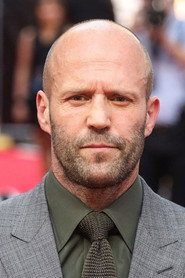 Jason StathamSgt. Jericho Butler
 Clea DuVallBashira Kincaid
 Pam GrierCommander Helena Braddock
 Joanna CassidyDr. Arlene Whitlock
 Richard CetroneBig Daddy Mars
 Rosemary ForsythInquisitor
 Liam WaiteMichael Descanso
- Duane DavisUno

 Rodney A. GrantTres
Directing
- John CarpenterDirector
- K.C. ColwellFirst Assistant Director
- Kim BernerScript Supervisor
- Darin RivettiSecond Assistant Director
- Chemen A. OchoaSecond Second Assistant Director
Writing
- John CarpenterWriter
- Larry SulkisWriter
Production
- Dulcy FreemanAssistant Production Coordinator
- Reuben CannonCasting
- Ayo DavisCasting Assistant
- Bob ShepherdExecutive Producer
- Theresa NeptuneExtras Casting
- Chris BustardExtras Casting Assistant
- Laura J. FoxFirst Assistant Accountant
- Derry FrostHead of Production
- Jennifer DunneLocation Manager
- Lisa W. StroutLocation Manager
- Kerry AndrewsPost Production Accountant
- Sandy KingProducer
- Sean SobczakProducer's Assistant
- Joseph J. MurphyProduction Accountant
- Angela AthaydeProduction Assistant
- David CummingsProduction Assistant
- Kevin McGuireProduction Assistant
- Roberta RiordanProduction Assistant
- Roderick PeyketewaProduction Assistant
- Shelly MongesProduction Assistant
- Stephanie LovellProduction Assistant
- Walter ClaytonProduction Assistant
- Cheryl MillerProduction Coordinator
- Gerald A. Vitatoe Jr.Production Secretary
- Eileen M. DennisSecond Assistant Accountant
- Kim KurumadaUnit Production Manager
Recommended by
Ouija, Supernova, Virus, Starship Troopers 2: Hero of the Federation