
Film
Ouija
A group of teenagers accidentally unleash something malevolent through a Ouija board and find themselves stalked by an angry spirit. It's a straightforward supernatural haunting film with jump scares and the usual teen horror dynamics. Best suited for viewers who want reliable spooks without ambition, and who can forgive formulaic plotting in pursuit of some genuinely unsettling moments.
Should you watch it?
Watch it if you enjoy a brisk, old-fashioned teen haunting where the fun is in the creeping set-pieces and a board game turned sinister, and you don't mind if the logic wobbles.
Skip it if you want scares that build through character and dread, since this leans on sudden noises and familiar beats, and the audience reaction has been lukewarm.
What it asks of you: Its running time is a brisk 89 minutes, so the setup moves quickly toward the scares, and it asks for only loose attention rather than studying every rule.
Not sure? Find tonight's pick in a minute.
If you liked this
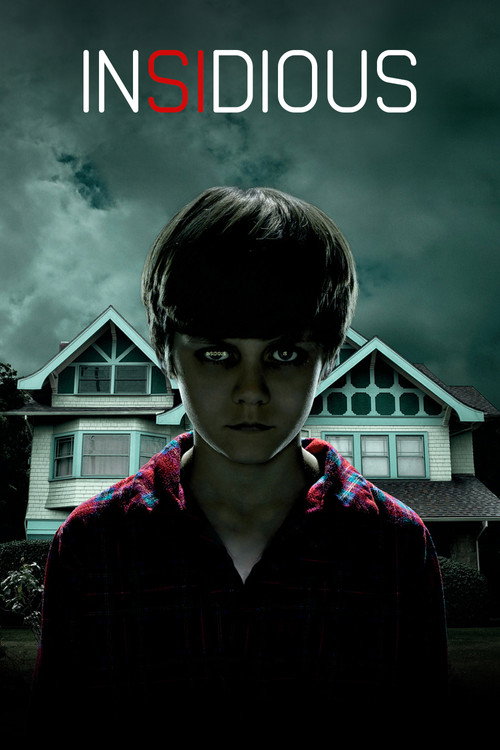
Insidious2011
An ordinary family moves into a house with a sinister presence, and the scares are precise and earned. Like Ouija, it trusts atmosphere and timing over gore, and builds genuine dread from the mundane.
But The plot hinges on some spiritual logic that can feel arbitrary. And once you've seen the central twist, the engine loses momentum.
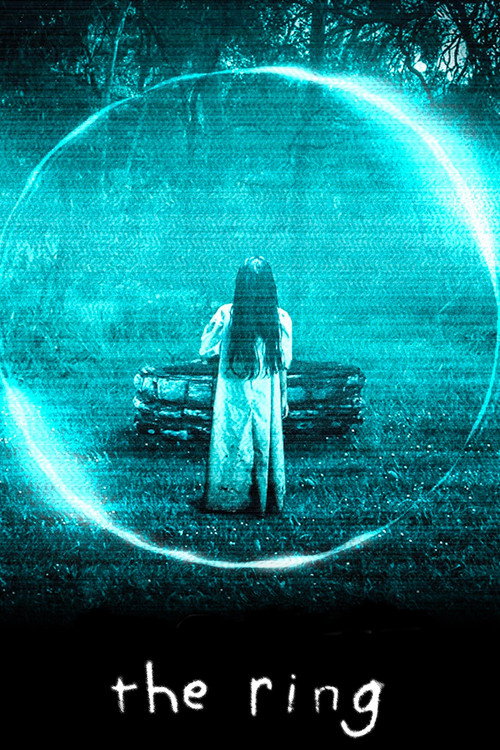
The Ring2002
A curse transmitted through media—a videotape instead of a board—with a similar hunt-for-answers structure. Intelligently shot, genuinely unsettling, and it proved supernatural horror could be smart and scary at once.
But The mythology gets convoluted across sequels. And the central conceit relies on you accepting some pretty shaky logic.
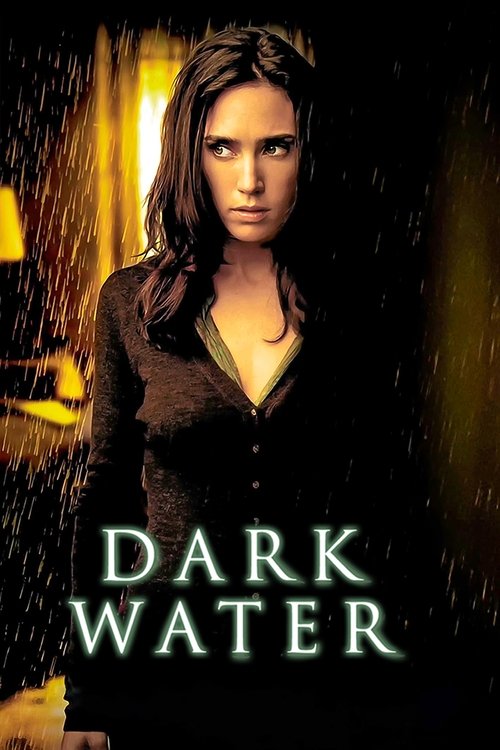
Dark Water2005
A mother and daughter haunted by malice in their apartment building. It's atmospheric without relying on jump scares, and the ghost has a tragic backstory that complicates the usual good-versus-evil setup.
But It's slow and deliberately eerie—if you want kinetic scares, this will feel like watching paint drip. The ending is downbeat and doesn't provide closure.
Not sure tonight? Get a pick in a minute, starting from Ouija
The wildcard
Something you would not have found on your own.
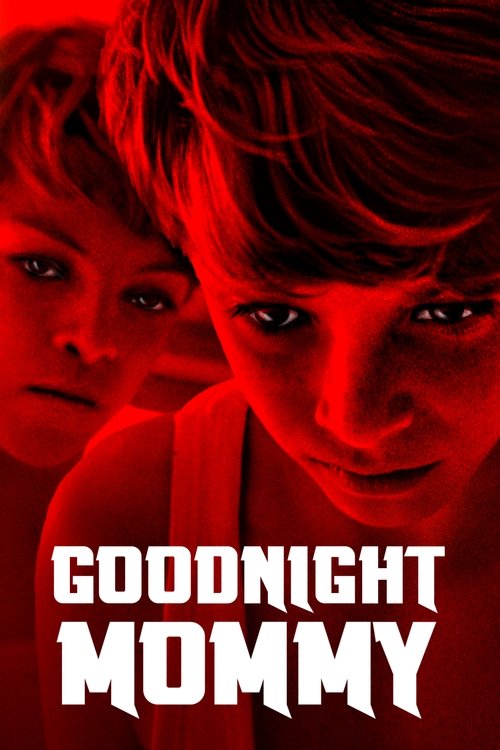
Goodnight Mommy2015
Both films use a central object or revelation as the engine of paranoia, and both trust the audience to piece together what's really happening rather than explaining everything. Both traffic in the idea that opening yourself to contact with something unseen has irreversible consequences.
An Austrian horror film about two boys who become convinced their mother has been replaced by an imposter. It's genuinely disturbing and builds to a twist that recontextualizes everything, with a visual precision that makes it linger.
But It's bleak, slow, and visually austere. The violence is shocking and purposeful but not gratuitous—still, it's not comfort food. And the final revelation is nihilistic.
More like this (8)
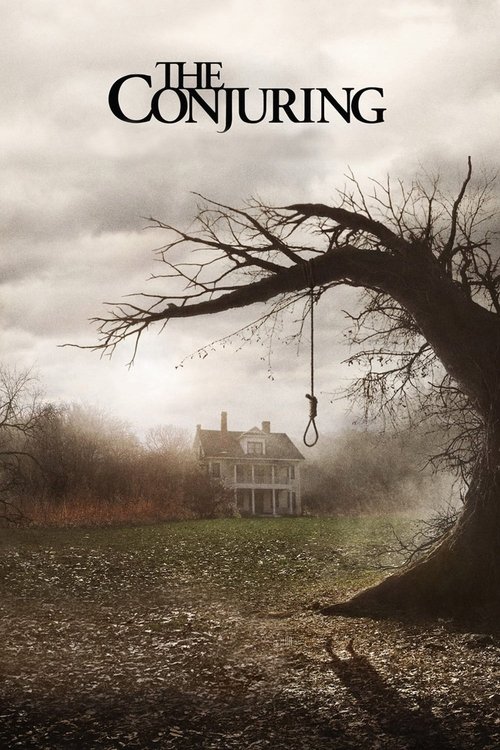
The Conjuring2013
James Wan directing a haunted house story with real craft: clever camerawork, a strong cast, and scares that land because they're set up properly. It's what Ouija aspires to be, executed at a higher level.
But It's longer and more talky than Ouija, with extended exposition. If you want pure teenage thrills, the serious tone might feel slow.
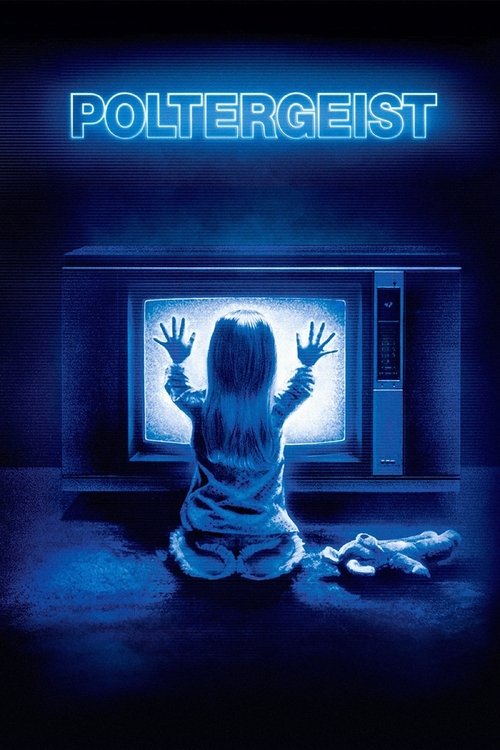
Poltergeist1982
A family plagued by a malevolent spirit in their home, but with genuine heart beneath the horror. Tobe Hooper's direction is assured, and the effects still hold up because the fear is character-first, not gimmick-first.
But It's nearly forty years old now, and some effects look dated. The pacing is deliberate—this is not a film that rushes.
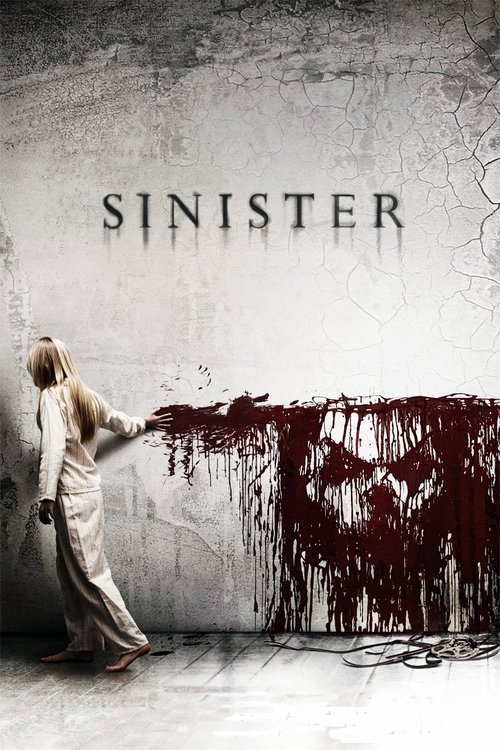
Sinister2012
A journalist investigates a string of family murders tied to an ancient evil, with atmosphere that creeps under your skin. It's restrained until it isn't, and the scares come from the dark corners of the frame.
But The twist is genuinely bleak and offers little comfort. Some viewers find the crime-scene imagery gratuitous, even by horror standards.
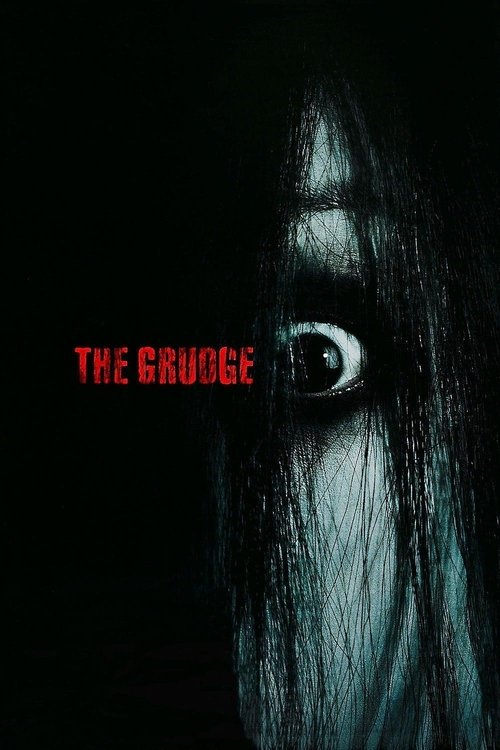
The Grudge2004
A curse that spreads from person to person, with a visual style that makes ordinary spaces feel hostile. Sarah Michelle Gellar carries it with credibility, and the scares are relentless without feeling cheap.
But The narrative is deliberately fractured and non-linear, which some find confusing rather than clever. And it assumes you're okay with the curse winning.
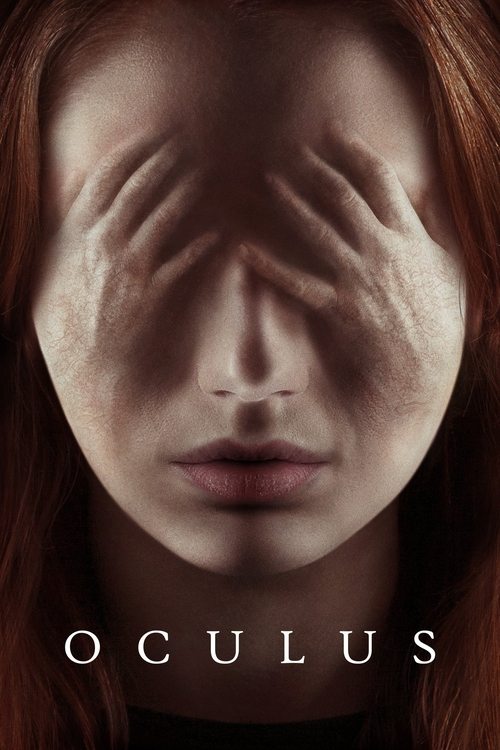
Oculus2014
A haunted mirror that blurs reality and delusion, shot and edited with genuine inventiveness. It's a simpler premise than Ouija but executed with more intelligence and visual flair.
But The plot twists on itself repeatedly, which can feel more manipulative than meaningful. And the ending is ambiguous in a way that frustrates some viewers.
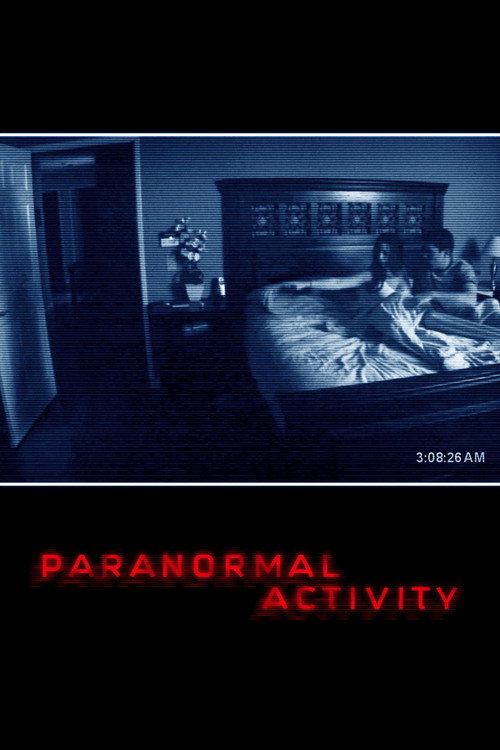
Paranormal Activity2007
Found-footage horror about a couple stalked by a presence in their home, made on a shoestring budget but genuinely effective. It proved that constraint breeds creativity, and that tension beats spectacle.
But It's static and repetitive by design—if you can't commit to the slow-burn pacing, it plays as tedious. And the handheld camera work induces motion sickness in some viewers.
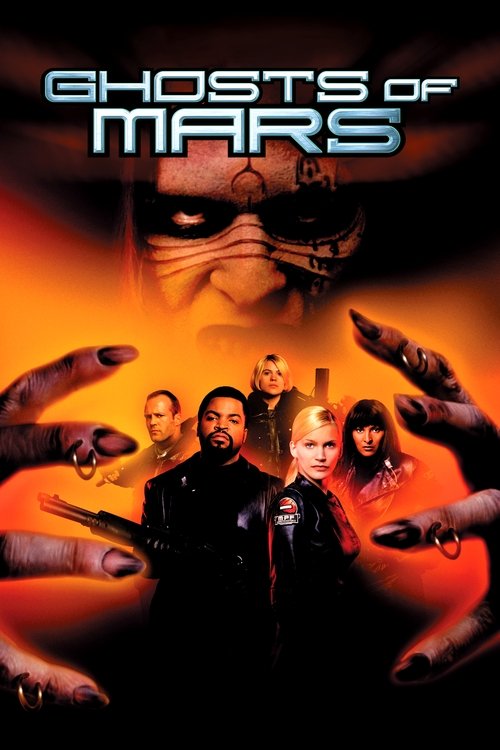
Ghosts of Mars2001
Both films feature a group of young people trapped with a supernatural force they don't understand, but Ghosts of Mars transposes the haunted-house dynamic into an sci-fi register. It's the same machinery in a different body, and proves that the structure works across genres when executed with confidence.
John Carpenter makes a sci-fi action-horror film about a mining colony on Mars overrun by angry spirits. It's visually inventive, gorgeously shot, and commits fully to its bonkers premise without apology or irony.
But It's campy in a way that will feel silly to some. The acting is deliberately broad, and the plot makes no sense if you think about it for more than five minutes.
Lake Mungo2009
Both use video footage as the primary vehicle for horror, and both build dread from the gradual revelation of truth hidden in plain sight. But Mungo inverts Ouija's approach entirely: instead of spectral action, it's contemplative and about the wounds the living carry. It proves that the same formal conceit can be a haunted-house movie or an elegy, depending on where you point the camera.
An Australian found-footage pseudo-documentary about a family grieving their daughter's drowning—and the strange footage that emerges after. It's quiet, intimate, and far more interested in loneliness and loss than jump scares.
But It's deliberately slow and formal, and the 'scares' are psychological rather than visceral. If you're watching Ouija for thrills, this will feel like watching a grief counseling session. It's a mood piece, not an experience.
People
Cast
 Daren KagasoffTrevor
 Matthew SettleAnthony Morris
 Olivia CookeLaine Morris
 Ana CotoSarah Morris
 Shelley HennigDebbie Galardi
 Bianca A. SantosIsabelle
 Douglas SmithPete
 Robyn LivelyMrs. Galardi
 Sierra HawkinsDoris Zander
 Lin ShayePaulina Zander
- Claudia Katz MinnickAlice Zander
- Afra Sophia TullyYoung Laine
Directing
- Stiles WhiteDirector
- James MoranFirst Assistant Director
- Renetta G. AmadorScript Supervisor
- Eric GlasserSecond Assistant Director
- Gregory J. Pawlik Jr.Second Assistant Director
Writing
- Juliet SnowdenScreenplay
- Stiles WhiteScreenplay
Production
- Terri TaylorAdditional Casting
- James MoranAssociate Producer
- Phillip DaweAssociate Producer
- Nancy NayorCasting
- Daniel PersitzCo-Producer
- Rick OsakoCo-Producer
- Brian GoldnerExecutive Producer
- Couper SamuelsonExecutive Producer
- Jeanette VolturnoExecutive Producer
- Juliet SnowdenExecutive Producer
- Stephen DavisExecutive Producer
- Kandice BillingsleyLocation Manager
- Andrew FormProducer
- Bennett SchneirProducer
- Brad FullerProducer
- Jason BlumProducer
- Michael BayProducer
- Laura AltmannProduction Supervisor
- Rick OsakoUnit Production Manager
Recommended by
Finders Keepers, Wish Upon, Lights Out, The Midnight Man, Witchboard