
Film
The Grudge
- Supernatural horror
- Fantasy
- Very dark
A supernatural curse spreads through Tokyo and beyond, marking its victims with inexplicable rage and terror before claiming them. Director Takashi Shimizu translates his own Japanese film into English, keeping the dread intimate and airless. It's slow-burn horror that trusts silence and performance over gore, made for people who find psychological disquiet more frightening than jump scares.
Should you watch it?
Watch it if you like horror built on dread and fragmented timelines rather than jump scares, and enjoy a slow-burn puzzle where the rules of the haunting reveal themselves in creeping, unsettling glimpses.
Skip it if you want a clear mythology or a heroine who fights back, since its scares rely on atmosphere, repetition and helplessness, which can wear thin over its tight running time.
What it asks of you: Expect a patient, deliberately scattered structure that jumps between days and characters, with dread building in short, bleak bursts; it is dim, quiet and very compact.
Not sure? Find tonight's pick in a minute.
If you liked this
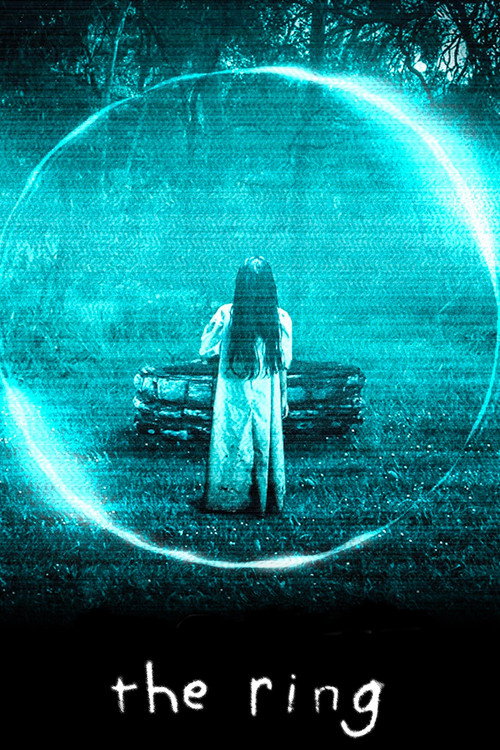
The Ring2002
Another J-horror remake that nails the creeping dread: a cursed videotape, seven days to live, imagery that burrows into your skull. Ring proves the formula works when you respect the source material's patience.
But Slower than modern horror expects, and the digital effects have aged visibly. If you need constant momentum, it drags.
Dark Water2002
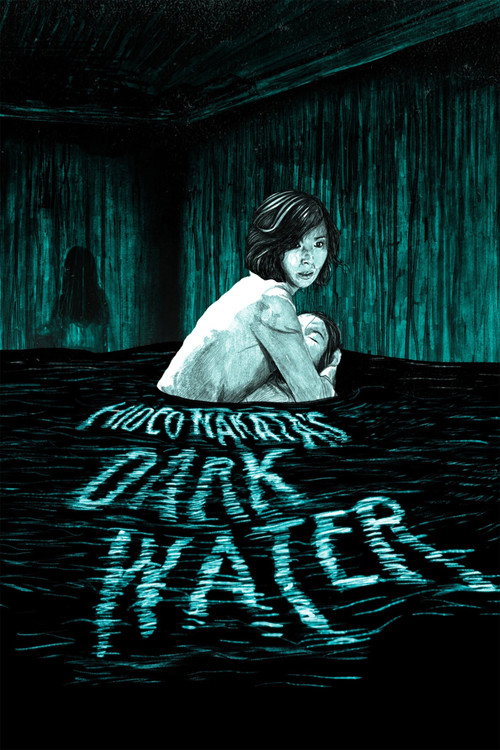
Shinji Aoyama's original Japanese film about a woman and daughter haunted by a flooded apartment building. Quieter than The Grudge, more grounded, devastating in its suggestion that the curse is also a mother's fear and exhaustion.
But Even more deliberate in pacing. The threat is less tangible, which is the point—but that makes it harder to engage with for some viewers.
Insidious2011
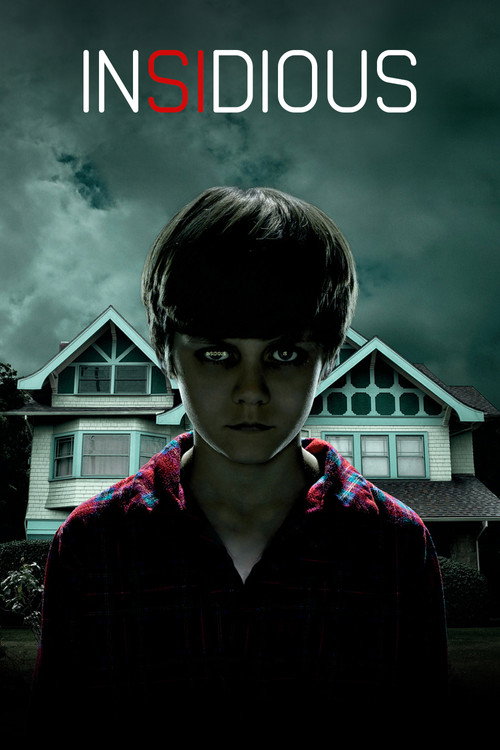
James Wan takes the haunting-as-slow-possession idea and finds new angles with it. Genuinely unsettling sound design and a family we care about at the center. Proof that studio horror could still be smart in the 2010s.
But More conventional structure than The Grudge. Once you know what's happening, it becomes a fairly standard escape narrative.
Not sure tonight? Get a pick in a minute, starting from The Grudge
The wildcard
Something you would not have found on your own.
Mulholland Drive2001
Both films distrust linear narrative and use temporal disorientation to make you feel contaminated by what you're watching. The horror comes from not being able to pin down the shape of things.
David Lynch's Los Angeles nightmare about identity, desire, and the cruelty of dreams. Like The Grudge, it uses dislocation and non-linear time to create mounting dread. The fear isn't supernatural—it's the fear of not knowing who you are.
But Deliberately refuses clarity. The story loops and contradicts itself. Frustrating if you're not willing to surrender to confusion as the point of the experience.

More like this (8)
The Descent2005
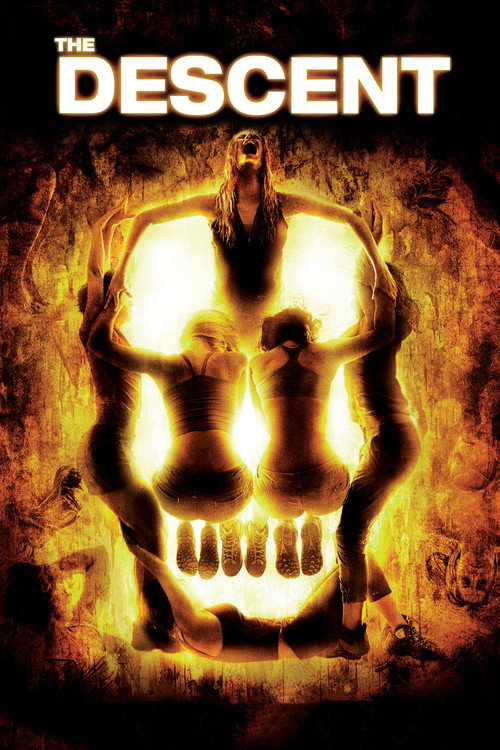
British claustrophobic horror that works because the scares feel earned and the character dynamics feel real. Phenomenal tension and a third act that earns your nerves being shredded.
But Genuinely gory and relentless. If The Grudge's psychological scares are your limit, this is too much meat and blood.
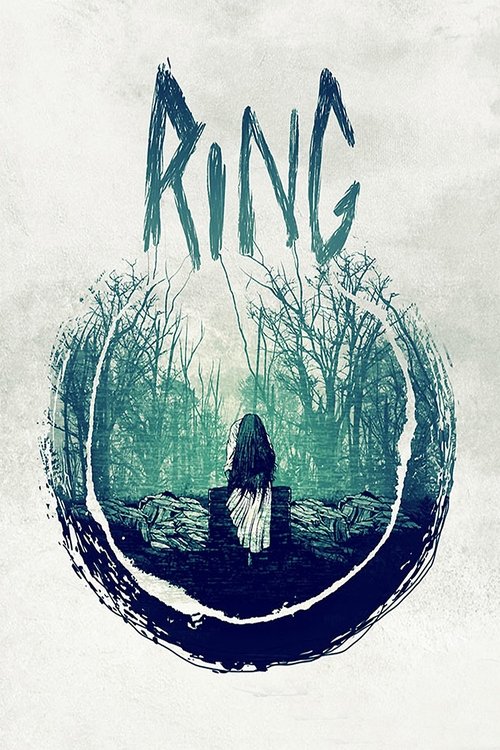
Ring1998
The original Japanese film that inspired The Ring remake. Hideo Nakata's version is spookier and stranger than its American counterpart, with a mythology that feels lived-in rather than explained.
But Subtitles, older video quality that some find dated rather than atmospheric. The pacing will test your patience if you like things moving faster.
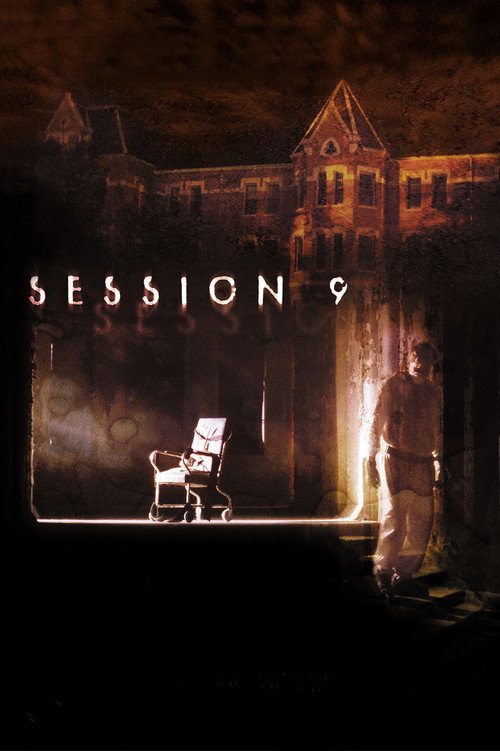
Session 92001
A crew clears out an abandoned psychiatric hospital and something goes wrong. Found-footage before that became a cliché, genuinely unsettling, shot in a real location that feels cursed by being real.
But Doesn't explain much of anything. If you need clarity and resolution, you'll leave frustrated. The horror is in what you don't understand.
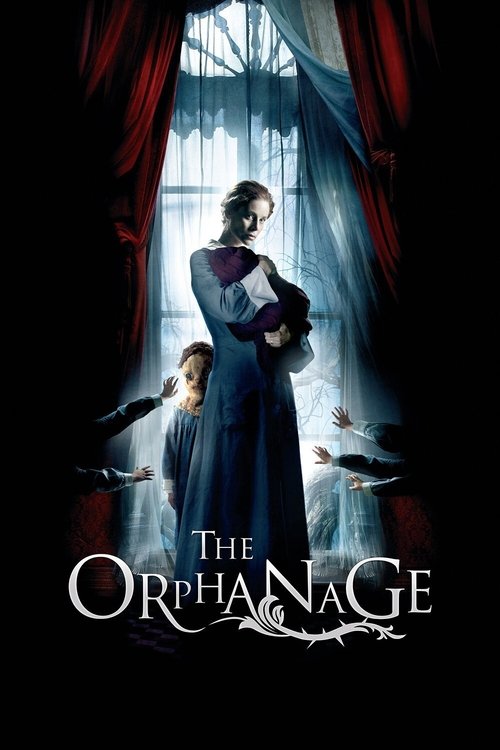
The Orphanage2007
Spanish ghost story about a woman returning to the orphanage where she grew up, now inhabited. Atmospheric, tragic, with a twist that recontextualizes everything. Genuine emotional weight underneath the scares.
But The pacing is European and contemplative. American horror audiences often find it slow-building to the point of feeling stuck.
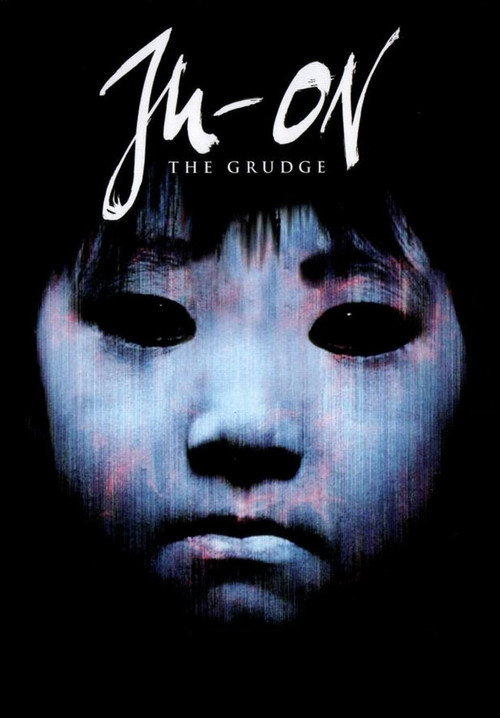
Ju-on: The Grudge2002
Takashi Shimizu's original Japanese film, made before the American remake. More fragmented and dreamlike in structure. Sees the curse as contamination spreading through space rather than a narrative you follow.
But Non-linear storytelling and a less familiar setting makes it harder to hold. No clear protagonist to follow—that's intentional and also alienating.
The Wailing2016
A South Korean mystery-horror that suggests something supernatural might be happening in a rural village, then spends two and a half hours making you question everything. Morally complex, visually stunning, genuinely original.
But Long, demanding, and the payoff is ambiguous rather than satisfying. It wants you to wrestle with it long after it ends; some people just want to know what happened.

Come and See1985
Both films use sensory overload—sound, performance, silence—to lodge psychological damage in the viewer. The Grudge is a ghost story; Come and See proves you don't need ghosts for true horror.
A Belarusian war film following a boy through the horrors of Nazi occupation. Unbearably intense, shot like a nightmare, with sound design that physically assaults you. One of cinema's great depictions of human capacity for evil.
But Not supernatural at all—the horror is historical and real. Graphically violent in ways that feel documentarian rather than cathartic. Some will find it obscene rather than enlightening.

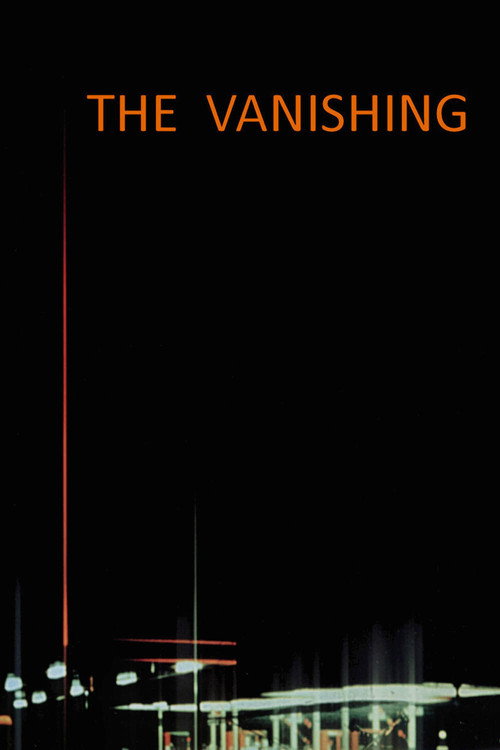
The Vanishing1988
Like The Grudge, it understands that the worst horror isn't being killed—it's being cursed to understand something about human nature that you can't un-know. Both suggest some contaminations are irreversible.
Dutch thriller about a woman who vanishes and her boyfriend's obsessive search. What makes it devastating isn't the crime, but what the perpetrator reveals about human curiosity and the cost of needing answers. Morally complex in ways that linger.
But The ending is bleak and offers no catharsis. If you watch horror to feel relieved when it ends, this provides no such mercy. It wants to infect your thinking.
People
Cast
 Sarah Michelle GellarKaren Davis
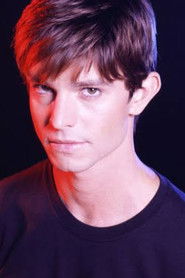 Jason BehrDoug McCarthy
 Takako FujiKayako Saeki
 Yuya OzekiToshio Saeki
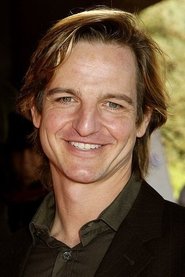 William MapotherMatthew Williams
 Clea DuVallJennifer Williams
 KaDee StricklandSusan Williams
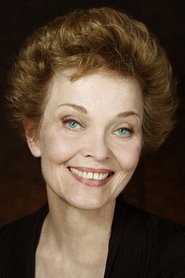 Grace ZabriskieEmma Williams
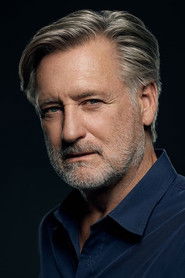 Bill PullmanPeter Kirk
 Rosa BlasiMaria Kirk
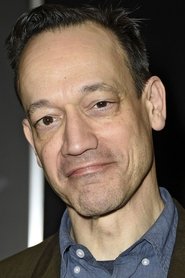 Ted RaimiAlex Jones
 Ryo IshibashiDet. Hideto Nakagawa
Directing
- Takashi ShimizuDirector
- Masanori AdachiFirst Assistant Director
- Kath ThomasScript Supervisor
- Chikara HigamiSecond Assistant Director
- Makoto MeguroThird Assistant Director
Writing
- Stephen SuscoWriter
- Takashi ShimizuWriter
Production
- Kelly WagnerCasting
- Nancy NayorCasting
- David BernadCasting Assistant
- Aubrey HendersonCo-Producer
- Michael KirkCo-Producer
- Shintaro ShimosawaCo-Producer
- Shannon GauldingExecutive In Charge Of Production
- Carsten H.W. LorenzExecutive Producer
- Doug DavisonExecutive Producer
- Joseph DrakeExecutive Producer
- Nathan KahaneExecutive Producer
- Roy LeeExecutive Producer
- Ray QuinlanLine Producer
- Satoshi FukushimaLine Producer
- Robert TapertProducer
- Sam RaimiProducer
- Takashige IchiseProducer
- Maureen MottramProduction Accountant
- David PollisonProduction Assistant
- Jennifer Y. CraigProduction Assistant
- Tobin AdamsProduction Coordinator
- Katsuhiro OgawaProduction Manager
- Ed LichtProduction Supervisor
Recommended by
Ring, Ju-on: The Grudge, Ouija, Sadako vs. Kayako, Unfriended, The Ring, The Curse of La Llorona, The Ring Two, Darkness Falls, The Seance, Shutter, Paranormal Activity 2