
Film
Dark Water
A single mother and her young daughter move into a crumbling, half-empty apartment block while fighting a bitter custody battle — and the stain spreading across their ceiling won't stop growing. Hideo Nakata trades jump scares for slow saturation: dread that seeps in like damp, built from exhaustion, guilt, and grief rather than shock. Quiet, sad, genuinely unsettling.
If you liked this
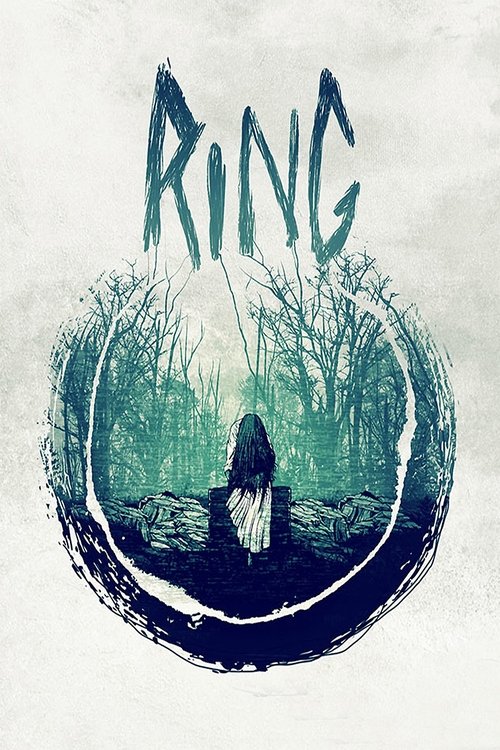
Ring1998
Same director, same patient dread, and the film that essentially invented the modern J-horror template Dark Water refines — cursed media instead of cursed plumbing, but the same slow horror-as-grief engine.
But You may already know the story through its American remake, which softens the impact of seeing the original.
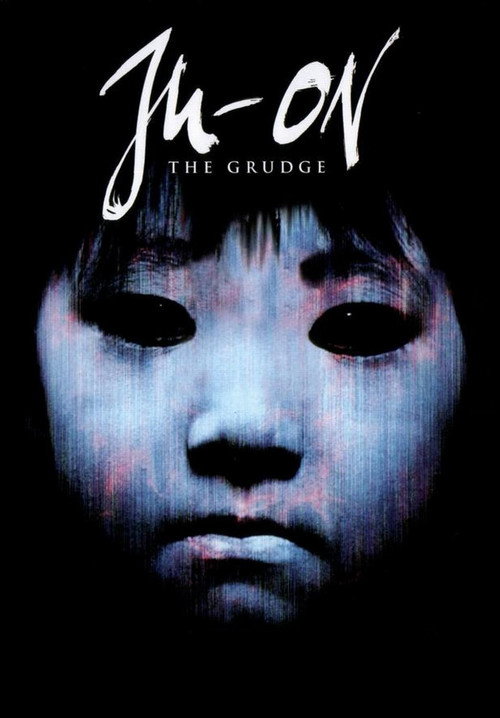
Ju-on: The Grudge2002
Another haunted domestic space from the same era of Japanese horror, built on fractured chronology and a house that remembers violence done inside it. Genuinely creepy, genuinely strange.
But Structurally fragmented and less emotionally grounded — it's scarier but colder than Dark Water.
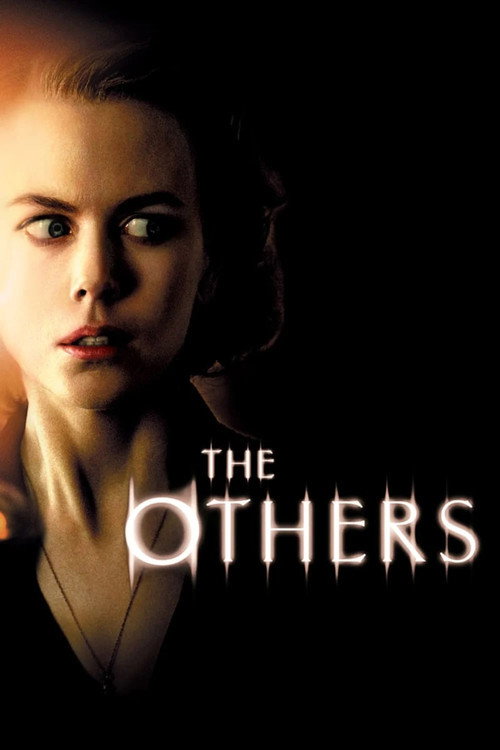
The Others2001
A mother, an isolated house, children, and a slow unraveling of what's actually happening within its walls. Elegant, restrained, and devastating by the end.
But Its twist is now widely known, which removes a layer of the experience for new viewers.
The wildcard
Something you would not have found on your own.
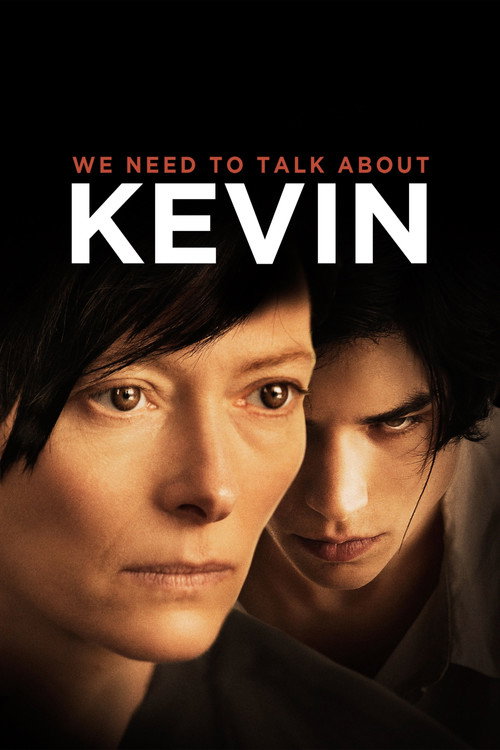
We Need to Talk About Kevin2011
Dark Water's dread is really about maternal exhaustion and dread of inadequacy; this film makes that subtext the entire text, no haunting required.
Strip away the ghost and you're left with the film's real subject: a mother drowning in guilt, isolation, and a fear she's failing her child that nobody around her will acknowledge. Formally daring, quietly devastating.
But No supernatural element at all, and considerably bleaker — this is horror with the metaphor removed.
More like this (8)
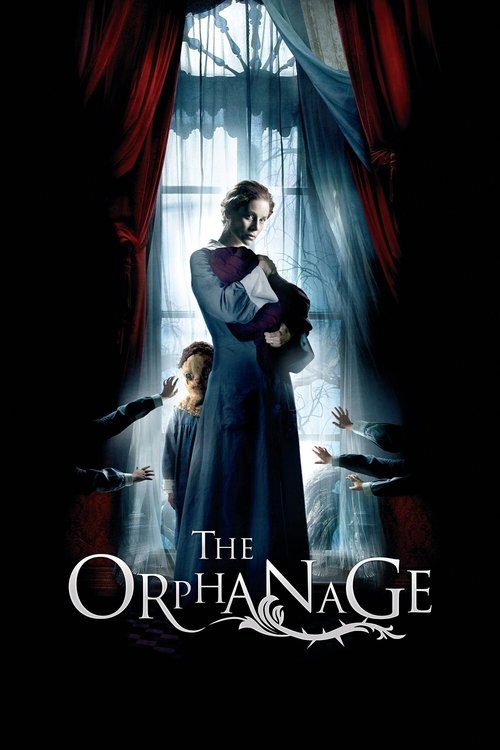
The Orphanage2007
A grieving mother, a decaying building with a past, and ghosts that are really about loss. Gorgeously shot Spanish horror with real heartbreak underneath the scares.
But It leans harder into outright horror imagery than Dark Water's slow psychological seep.
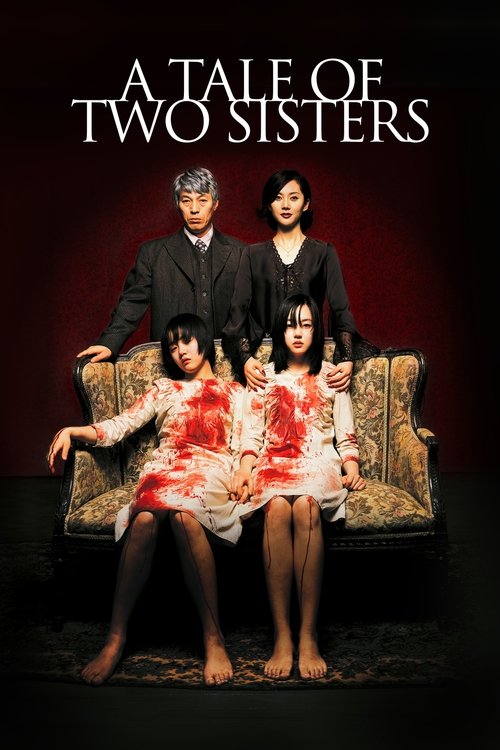
A Tale of Two Sisters2003
Korean horror at its most operatic — family trauma, an unreliable domestic space, and a structure that rewards a second watch once you understand what you saw.
But Deliberately disorienting; some viewers find the narrative trickery frustrating rather than illuminating.
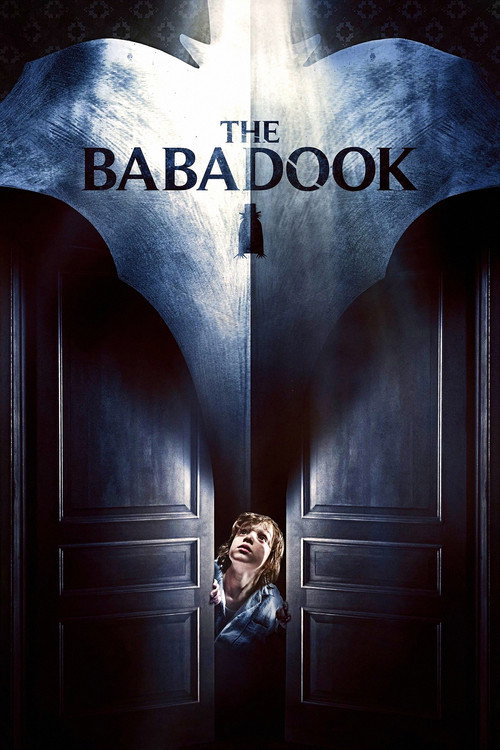
The Babadook2014
A single mother, an exhausted household, and a monster that's inseparable from her own unraveling. The closest modern equivalent to what Dark Water is doing emotionally.
But More claustrophobic and confrontational — it doesn't let you look away from the mother's breakdown.
Mama2013no page yet
A supernatural guardian, custody anxiety, and a maternal ghost story with real visual craft, produced by Guillermo del Toro. Effective, eerie, unexpectedly tender.
But Its back half tips further into conventional horror spectacle than the slow-burn opening promises.
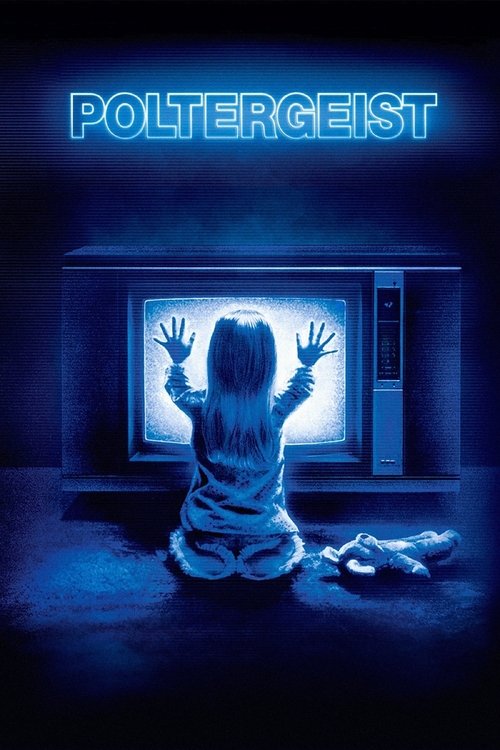
Poltergeist1982
The classic haunted-family-home template, still enormously effective — a family unable to escape a house that's turned against them, built on real dread rather than gore.
But Broader and more crowd-pleasing than Dark Water, with none of its quiet, mournful register.
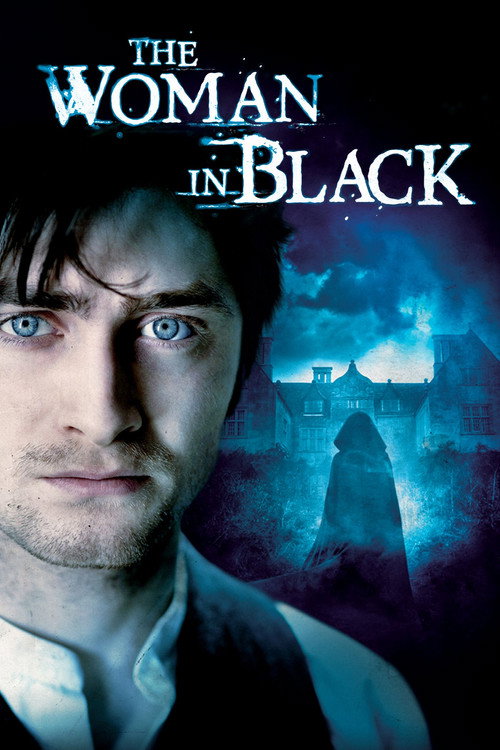
The Woman in Black2012
A gothic ghost story about maternal grief curdling into vengeance, set in a fog-bound English village. Handsome, old-fashioned, properly atmospheric.
But Its scares are more traditional jump-and-shadow — less interested in slow psychological erosion.
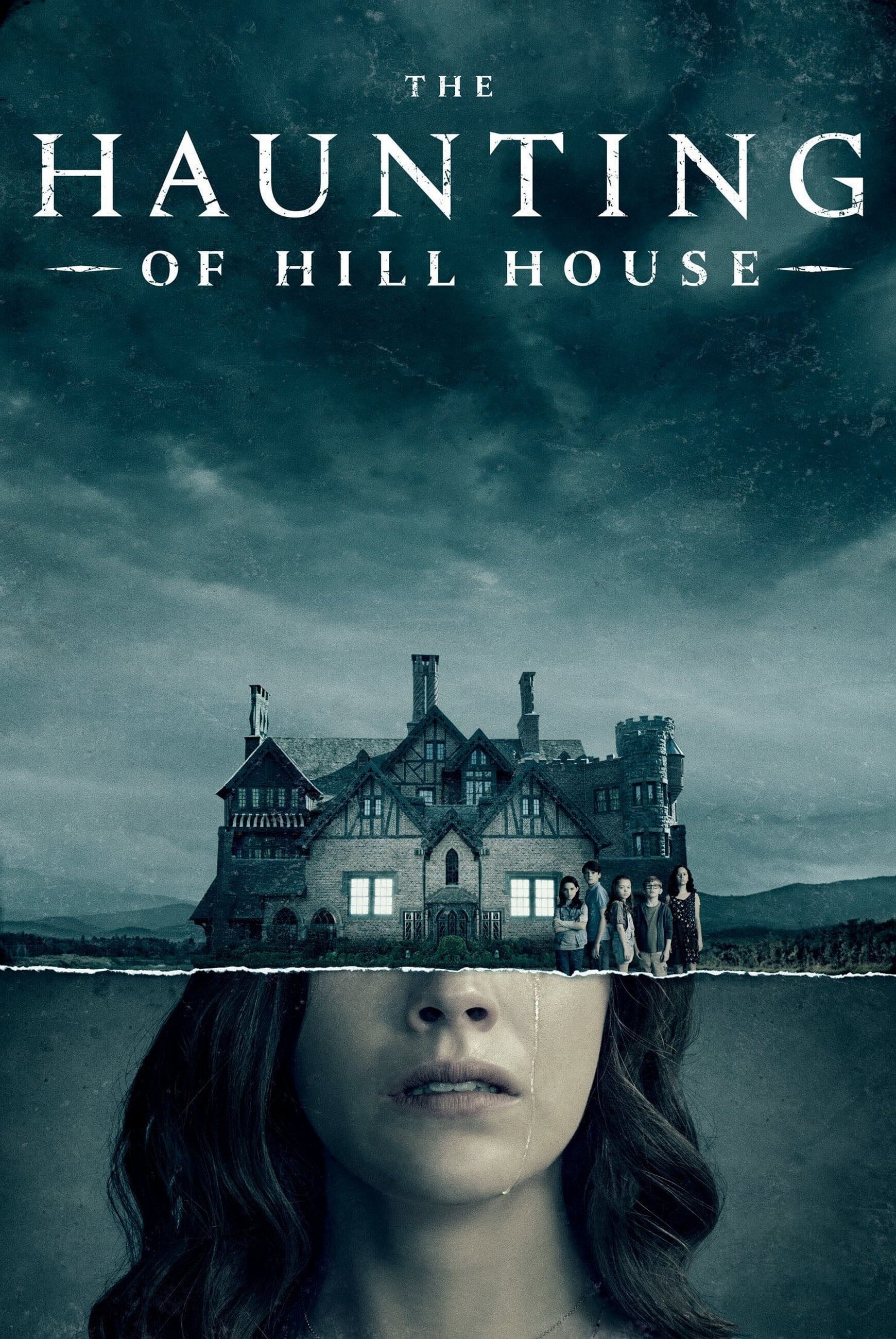
The Haunting of Hill House2018
Same architecture — a domestic space that literalises trauma and a mother figure at the centre of the damage — but stretched into long-form television instead of a tight ninety minutes.
A ten-hour miniseries about a family who lived in a house that damaged them permanently, told across two timelines with grief as the true haunting. Ambitious, moving, occasionally shattering.
But A serious time commitment, and its emotional bluntness in later episodes won't suit everyone.
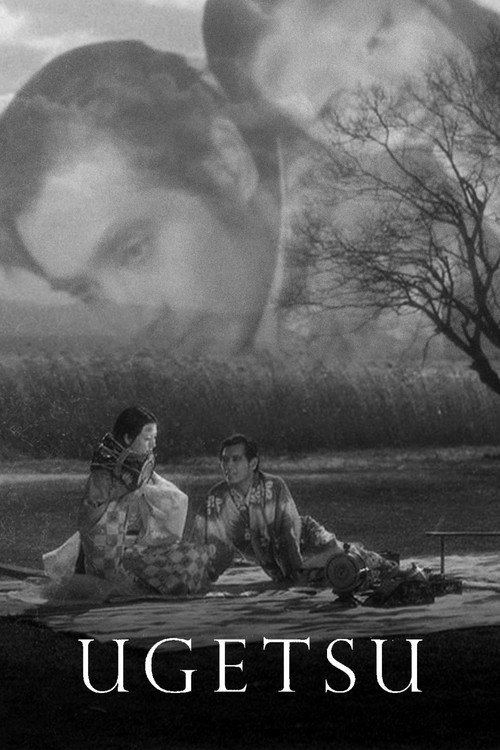
Ugetsu1953
The folkloric ancestor of Dark Water's brand of ghost: sorrowful rather than monstrous, arising from grief and domestic rupture rather than malice.
Kenji Mizoguchi's masterpiece about ghosts, desire, and domestic loss in war-torn feudal Japan, decades before J-horror had a name. Ravishing black-and-white filmmaking and genuinely haunting.
But Slow, formal, and rooted in classical Japanese cinema conventions — a very different pace and vocabulary than modern horror.
People
Cast
 Hitomi KurokiYoshimi Matsubara
 Rio KannoYoung Ikuko Matsubara
- Mirei OguchiMitsuko Kawai
 Asami MizukawaIkuko Hamada
 Fumiyo KohinataKunio Hamada
 Yuu TokuiOta
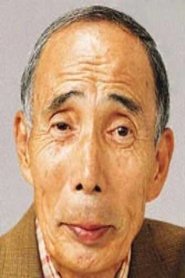 Isao YatsuKamiya
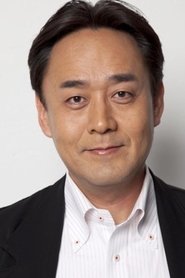 Shigemitsu OgiKishida
- Maiko AsanoYoung Yoshimi's Teacher
- Yukiko IkariYoung Yoshimi
 Shinji NomuraMediator
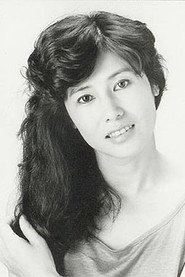 Kiriko ShimizuMediator
Directing
- Masaki AdachiAssistant Director
- Hideo NakataDirector
Writing
- Kōji SuzukiNovel
- Hideo NakataScreenplay
- Kenichi SuzukiScreenplay
- Takashige IchiseScreenplay
- Yoshihiro NakamuraScreenplay
Production
- Takashige IchiseProducer
- Katsuhiro OgawaUnit Production Manager