
Film
Whispering Corridors
A ghost returns to her school to avenge her death and protect the friends she left behind. This 1998 Korean horror film is atmospheric rather than jump-scare driven, exploring grief and institutional cruelty through a feminine lens. It's for anyone who wants their scares served with genuine emotional weight and doesn't mind subtitles.
Should you watch it?
Watch it if you like slow-burn school horror where the dread comes from cruelty between students and teachers rather than jump scares, and you don't mind a ghost story that cares more about the living.
Skip it if you want a scary, fast-moving spook show, since this one spends long stretches on friendships, school routine and quiet unease before anything jolts.
What it asks of you: Roughly an hour and three-quarters, unhurried and dim in tone, it asks you to sit with teenage loneliness and keep track of several classmates at once.
Not sure? Find tonight's pick in a minute.
If you liked this
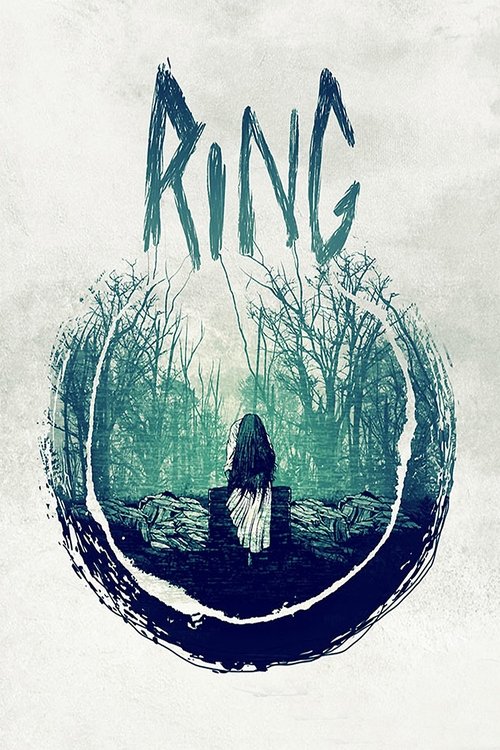
Ring1998
Released the same year, this Japanese masterpiece proves horror's best international moment was happening everywhere at once. A cursed videotape, a doomed protagonist, and dread that accumulates rather than explodes.
But The pacing is deliberately slow. If you need constant momentum, you'll find stretches that feel static.
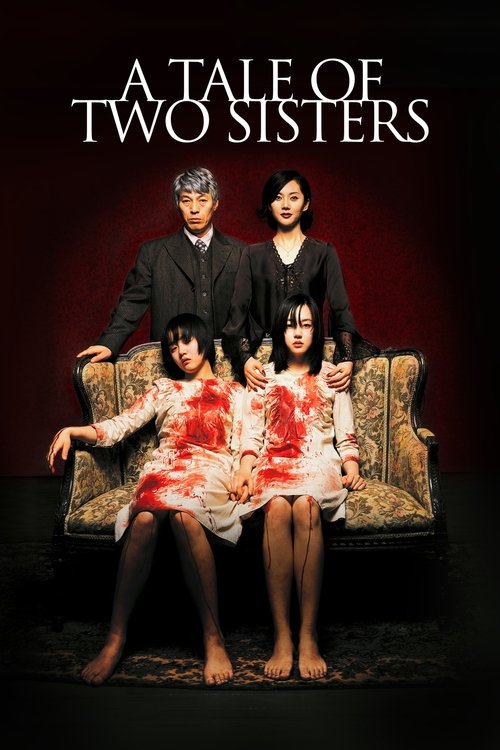
A Tale of Two Sisters2003
Another Korean horror film that prioritizes atmosphere and family trauma over gore. Visually stunning, psychologically complex, and genuinely unsettling in ways that linger long after the credits.
But The twist reframes everything—some find it brilliant, others feel cheated by the misdirection.
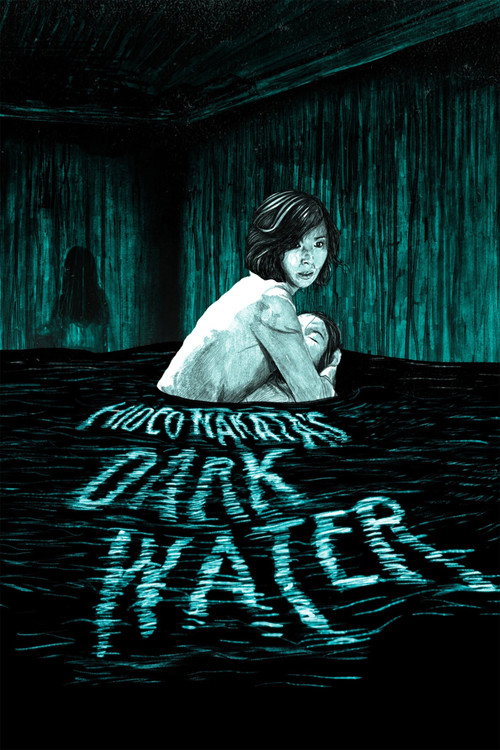
Dark Water2002
Japanese horror about a mother and daughter haunted in their new apartment. Like Whispering Corridors, it roots supernatural dread in real domestic anxiety and the vulnerability of women.
But The ending is deliberately ambiguous and somewhat bleak. There's no cathartic resolution if that's what you're after.
Not sure tonight? Get a pick in a minute, starting from Whispering Corridors
The wildcard
Something you would not have found on your own.
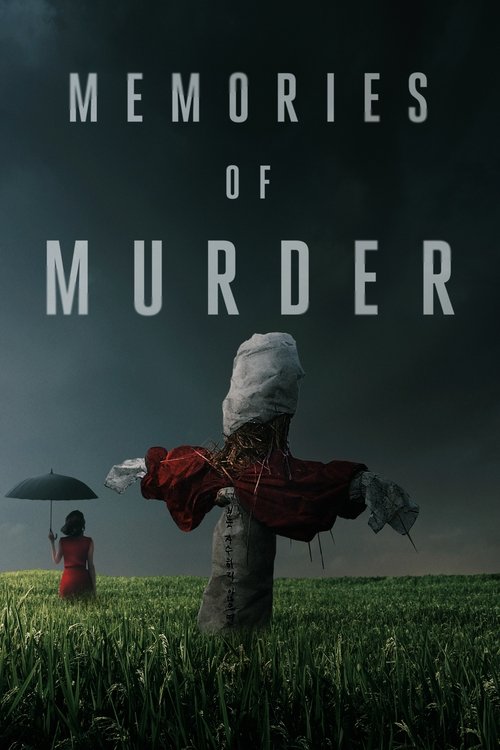
Memories of Murder2003
Both are 1990s-2000s Korean films about institutional corruption and injustice, one through supernatural horror, one through procedural crime. They're inverse approaches to the same cultural wound.
Bong Joon-ho's serial killer thriller shares Whispering Corridors' setting (1980s Korea) and its interest in institutional failure and the powerlessness of ordinary people. A masterpiece of suspense that uses the same cultural specificity for completely different effect.
But It's brutally violent and morally murky—no heroes, just systems failing and people suffering. The ending is deliberately frustrating.
More like this (7)
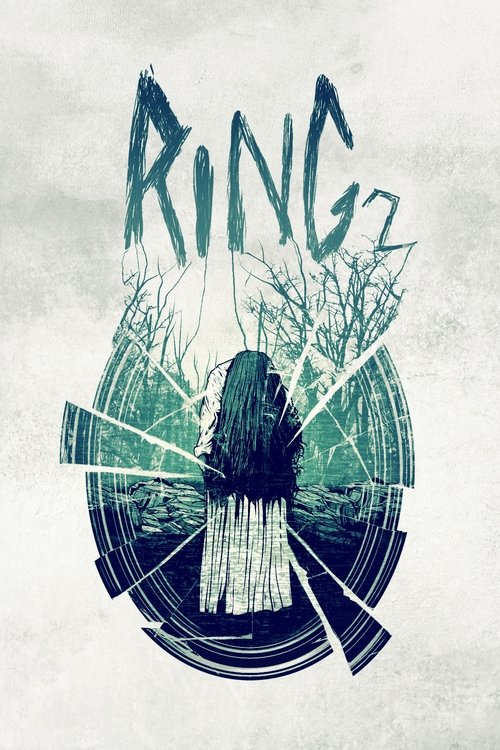
Ring 21999
The sequel deepens the mythology while exploring motherhood and sacrifice. It matches the original's restraint and adds emotional complexity that elevates it beyond typical sequelitis.
But You absolutely need to see Ring first. Watching this standalone will leave you baffled and frustrated.
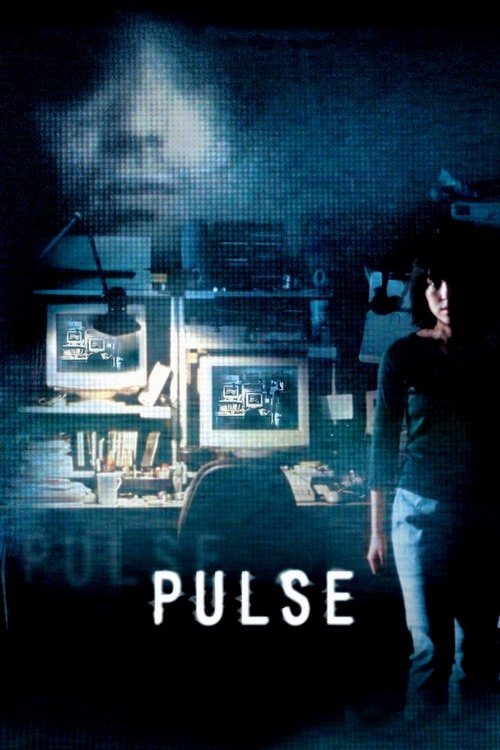
Pulse2001
Another Japanese horror gem about ghosts communicating through technology. It's eerie, philosophical, and captures millennial anxiety in ways that feel prescient now.
But It's relentlessly bleak with minimal catharsis. Some find it brilliant; others find it punishing.
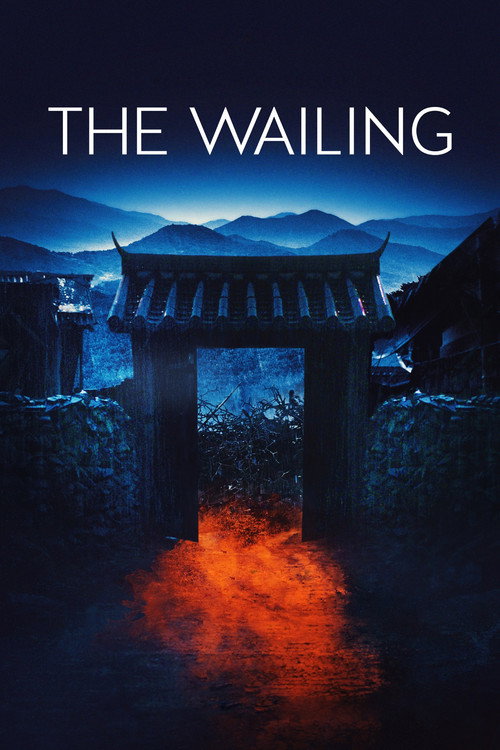
The Wailing2016
A Korean mystery-horror that builds on the foundation Whispering Corridors helped establish. Intricate, morally complex, and genuinely frightening without relying on cheap tricks.
But At nearly three hours, it demands patience. The narrative structure is deliberately confusing, and it doesn't hand you answers.
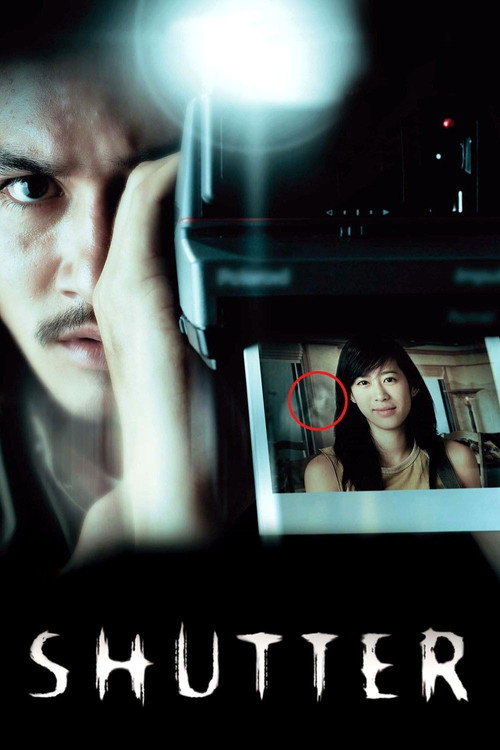
Shutter2004
Thai horror about a photographer haunted by a ghostly presence in his photographs. It has Whispering Corridors' interest in how the past intrudes on the present through visual evidence.
But The reveal, while effective, hinges on a specific cultural context some viewers find problematic in retrospect.
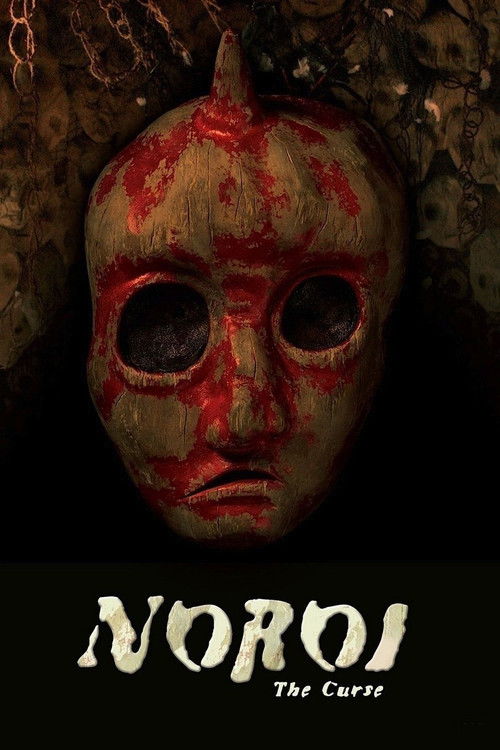
Noroi: The Curse2005
A Japanese found-footage horror that's genuinely intelligent and deeply unsettling. It builds dread through investigation and interconnected stories rather than spectacle.
But Found footage means shaky cameras and fragmented narrative. If that format annoys you, this won't convince you otherwise.
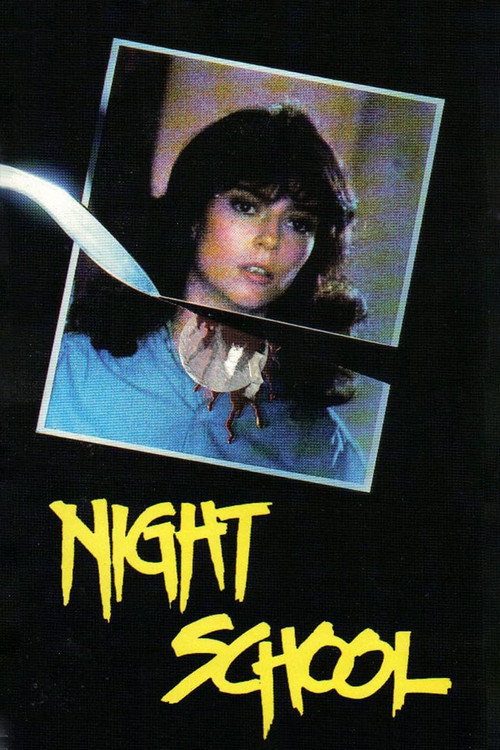
Night School1981
Both feature schools as places where girls die and nobody protects them. One is art house, one is grindhouse—same thesis, opposite registers.
An American slasher from the post-Halloween era where a killer stalks female students. It's schlocky where Whispering Corridors is artful, but both use the school setting as a pressure cooker of female vulnerability and institutional indifference.
But This is exploitation horror with minimal plot. It's cheap, it's trashy, and it takes itself far less seriously than Whispering Corridors.
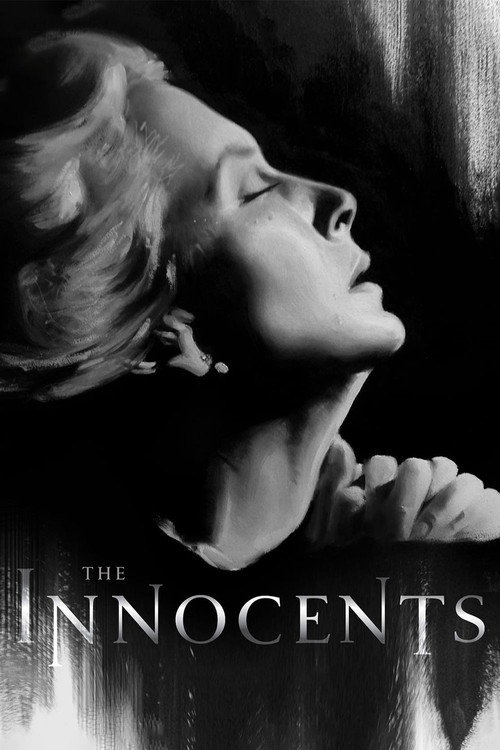
The Innocents1961
Both are about young women in institutional spaces (school, estate) where powerlessness and the past create psychological terror. Both refuse to explain themselves. One's Gothic ambiguity predates the Asian horror boom Whispering Corridors helped launch.
A British ghost story where two governesses may or may not be haunted at an English estate. Like Whispering Corridors, it's ambiguous about whether the supernatural is real or psychological, and it lingers in uncertainty rather than resolving.
But It's in black-and-white, from 1961, and moves at a stately pace. If you need contemporary production values and rapid editing, this will feel like a museum piece.
People
Cast
 Lee Mi-yeonHeo Eun-young
 Kim Gyu-riLim Ji-oh
 Choi Kang-heeYoon Jae-yi
 Park Jin-heePark So-young
 Yoon Ji-hyeKim Jung-sook
 Kim Min-joungChatter
 Lee Yong-nyeoPark Gi-suk
 Kim Yu-seokArt Teacher
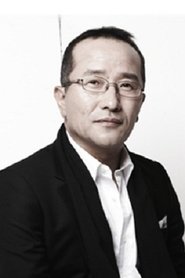 Yoo Yeon-sooP.E. Teacher
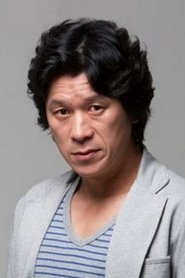 Kim Roi-haMath Teacher
 Shin YiBully
- Kim Yoon-JungCrying Girl
Directing
- Park Ki-hyungDirector
Writing
- Jung-Ok InWriter
- Park Ki-hyungWriter
Production
- Lee Choon-yunProducer
- Oh Ki-minProducer