
Film
Memento Mori
Other titles called Memento Mori: the 1992 film, the 2020 film, the film in development.
Memento Mori is a South Korean supernatural thriller that follows a ghost seeking revenge on those who tormented her, intercut with a living girl discovering her diary and falling into the same tragic currents. It's a haunting meditation on cruelty, first love, and the marks we leave on each other—tender and genuinely frightening in turns. For anyone who wants their scares wrapped in real emotion.
If you liked this
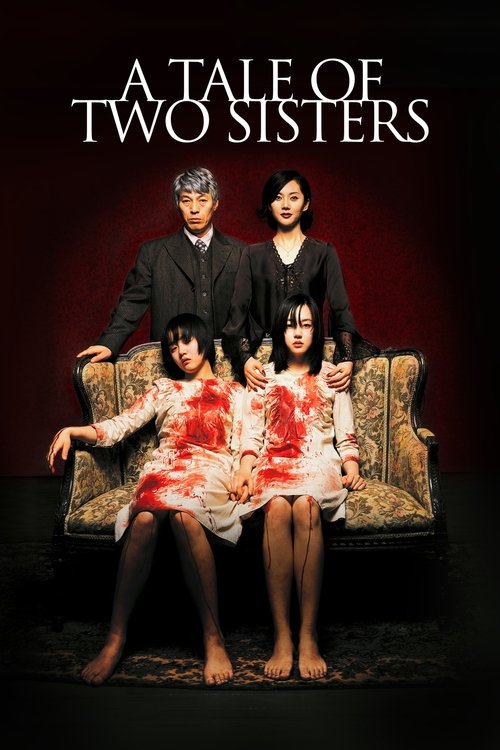
A Tale of Two Sisters2003
This Korean horror masterpiece uses family trauma and supernatural dread to the same devastating effect, building atmosphere through silence and suggestion rather than jump scares. Visual poetry married to genuine terror.
But The emotional weight is heavier than most horror; some viewers find the pacing deliberately slow, which can feel distant rather than immersive on a first watch.
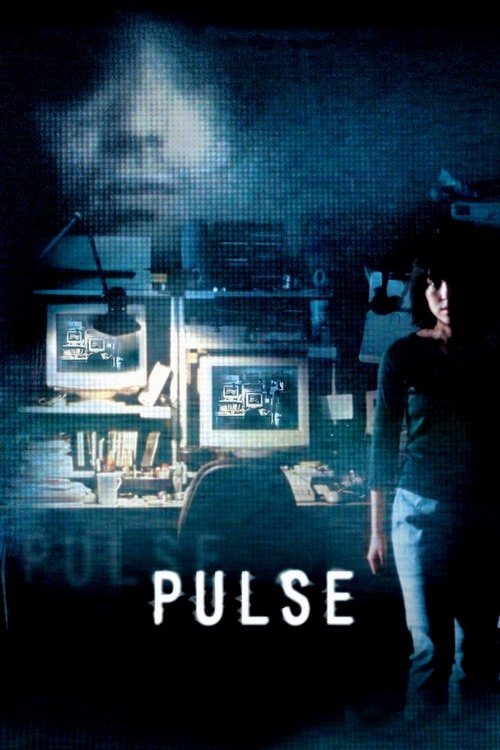
Pulse2001
Kiyoshi Kurosawa's haunting meditation on isolation and technology creates the same mood of existential dread. Both films treat ghosts as extensions of psychological and social failure rather than mere monsters.
But It's deliberately depressing and offers no catharsis; some will find it bleak rather than cathartic, with a deliberately muted visual palette.
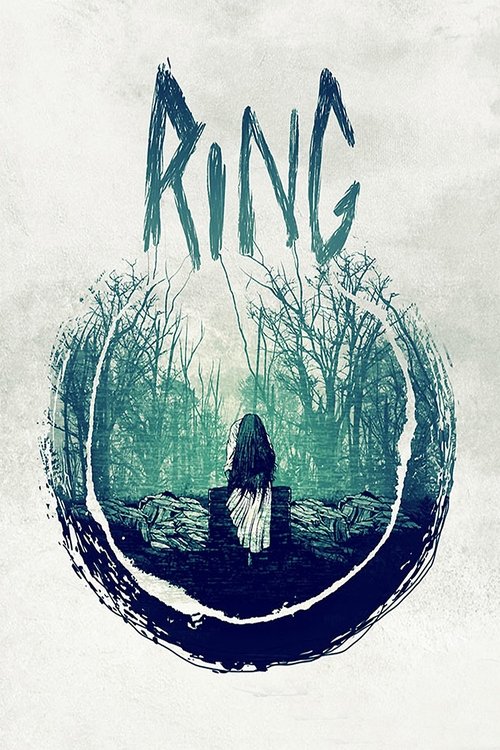
Ring1998
Released just before Memento Mori, this Japanese classic established how ghost stories could be about something real—trauma, guilt, the things we pass to the next generation. Both films make curses feel inevitable rather than magical.
But The pacing is patient to a fault for modern audiences; it unfolds on its own schedule and won't accelerate for your attention span.
Not sure tonight? Get a pick in a minute, starting from Memento Mori
The wildcard
Something you would not have found on your own.
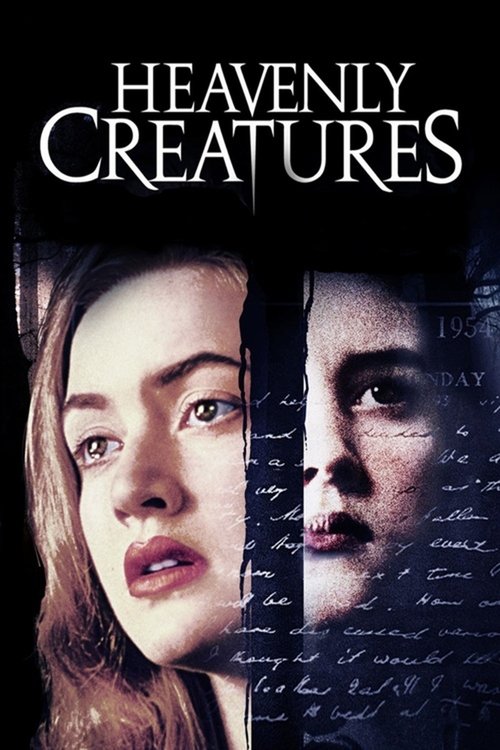
Heavenly Creatures1994
Both films center on girlhood relationships destroyed by external judgment, but where Memento Mori channels this into supernatural revenge, Heavenly Creatures shows what happens when the girls themselves become dangerous.
Peter Jackson's film about two girls whose intimate fantasy world turns lethal shares the DNA of Memento Mori—intense female bonds, institutional repression, and the gap between what the world sees and what actually happened. But it's told with baroque visual excess and darkly erotic energy instead of supernatural restraint.
But It's violent and transgressive in ways that unsettled audiences in 1994; it treats same-sex adolescent desire with seriousness rather than tragedy, which some find provocative rather than cathartic.
More like this (7)
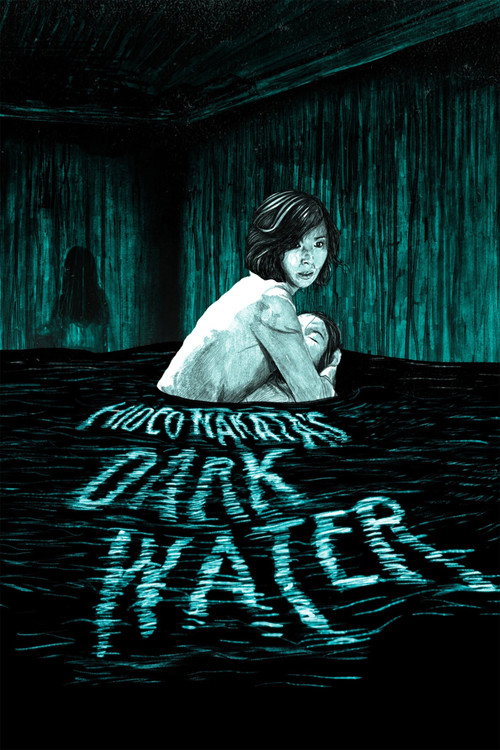
Dark Water2002
Another Kurosawa work that weaponizes atmosphere and maternal grief. Both films are interested in how vulnerability and love can be twisted into weapons by circumstance and cruelty.
But It's more melancholic than scary; if you want traditional horror beats, you'll be frustrated by how quietly things fall apart.
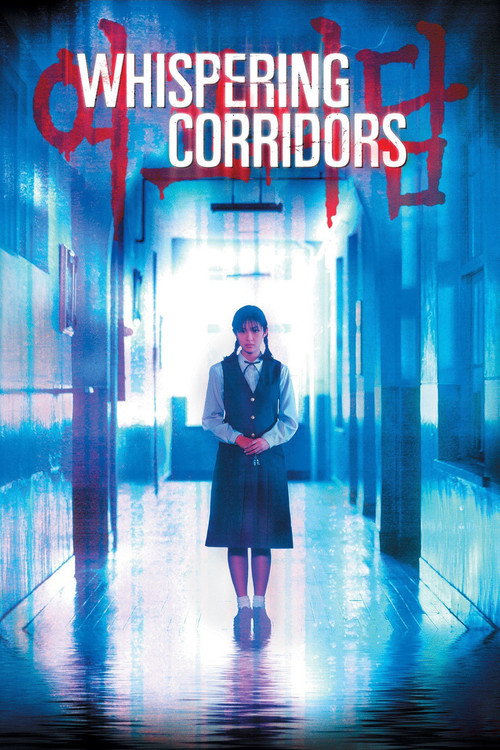
Whispering Corridors1998
The foundational Korean schoolgirl ghost story, set in the same institutional spaces as Memento Mori. Pioneering work in making educational settings feel genuinely sinister and haunted by history.
But It's rawer and less polished than later entries in the genre; some scares feel dated now, and the mythology is less cohesive than you might want.
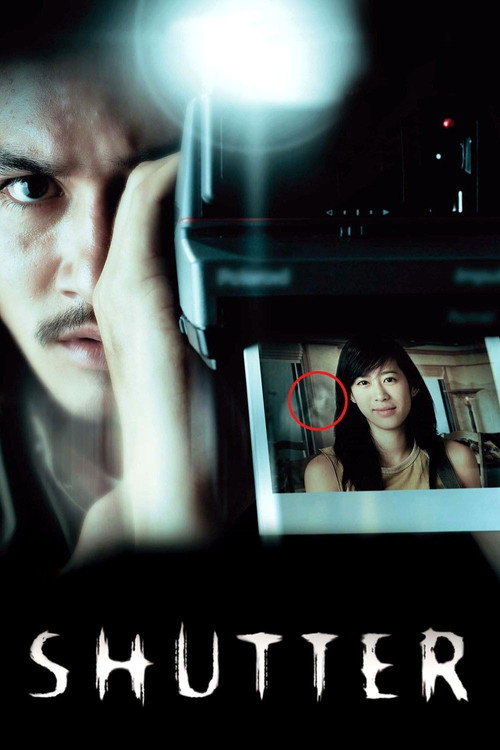
Shutter2004
Thai supernatural thriller about guilt made visible. Both films understand that the real horror isn't the ghost—it's realizing you deserved to be haunted, and that makes all the difference.
But The final twist is brutal and offers no redemption; some viewers find the ending nihilistic rather than cathartic, which can leave you unsettled in an uncomfortable way.
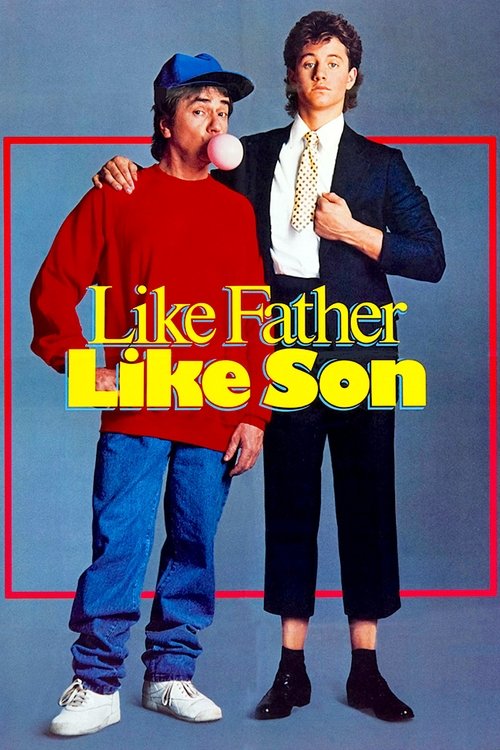
Like Father Like Son1987
Harrowing Korean drama about violence within institutions and families. Less supernatural than Memento Mori but equally committed to the idea that horror lives in what people do to each other.
But There is no genre comfort here—no supernatural resolution, just human damage. Some find it too bleak for entertainment; it demands something heavier than a film-night attitude.
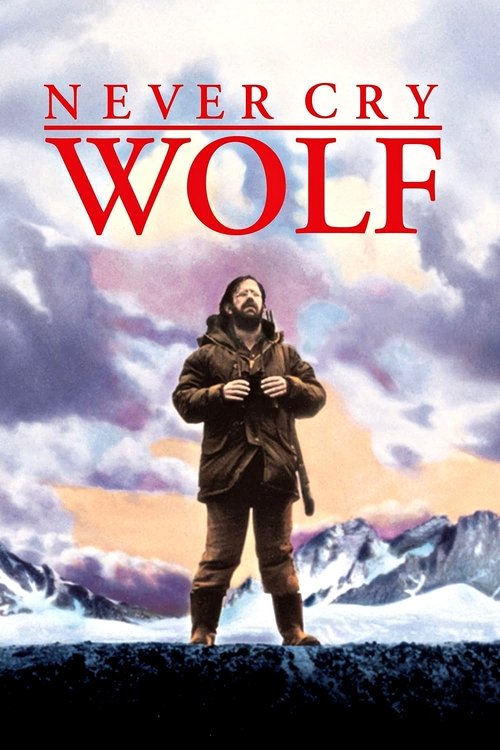
Never Cry Wolf1983
Korean psychological horror about obsession and rumor in a small community. Shares Memento Mori's understanding that the scariest ghost is the one everyone agrees to believe in.
But It's slow-burn to the point of frustration; much of the film is buildup with relatively few payoff moments, and the horror is more conceptual than visceral.
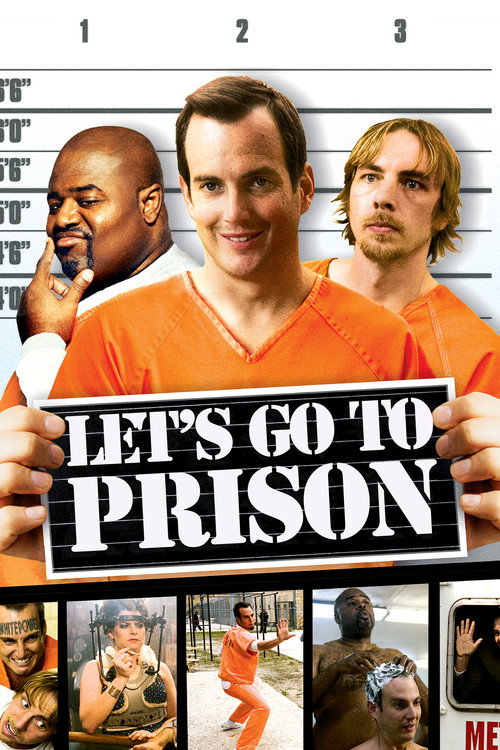
Let's Go to Prison2006
Same moral question about revenge and forgiveness, opposite register—this one asks if laughing at your tormentor is better than haunting them.
Completely different genre, completely different mood—a trashy, hilarious revenge comedy about two men bonding in prison. But the engine is identical: what do we owe to people who destroyed us? And what if befriending your tormentor undoes everything?
But It's crude and broad where Memento Mori is lyrical; you're choosing absurdist farce over dread. If you want horror-adjacent rather than horror, you'll be happy. If you want atmosphere, this kills it dead.
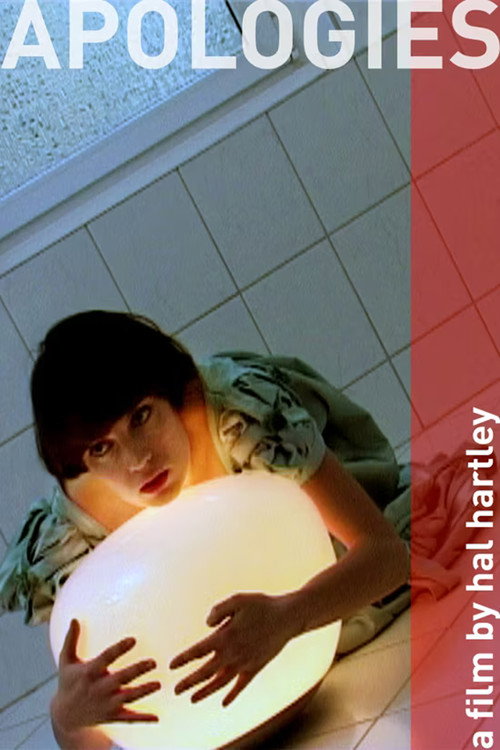
The Apologies2010
Memento Mori asks what the dead deserve from the living. The Apologies asks what the living owe to the dead—and doesn't let anyone off easy.
Israeli documentary series where people who bullied others in school now face their victims on camera, in real time. Unscripted, unbearably tense, no supernatural mediator—just the raw weight of apology refused and refused again. What Memento Mori imagines as ghost-story, this makes literal and immediate.
But No narrative satisfaction; some encounters end with nothing resolved. Watching actual people try to repair actual harm can feel more painful than any fiction, and leave you without closure.
People
Cast
 Kim Gyu-riMin-ah
 Park Ye-jinHyo-shin
 Rie Young-zinShi-eun
 Gong Hyo-jinJi-won
 Kim Jae-inYeon-an
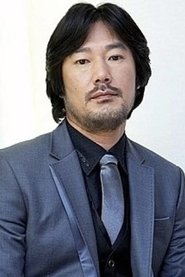 Baek Jong-hakGo Hyeong-seok
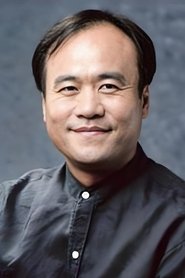 Maeng Bong-hakBiology Teacher
- Lee Hyun-soonTeacher
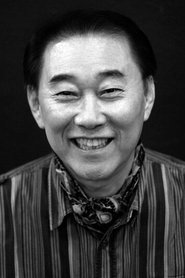 Jung Jin-gakVice Principal
- Kim Kyeong-jinGroup of Singer
- Lee Hye-miStudent
 Shin Hye-jungClassmate
Directing
- Kang Yi-kwanAssistant Director
- Kim Tae-yongDirector
- Min Kyu-dongDirector
Writing
- Kim Tae-yongWriter
- Min Kyu-dongWriter
Production
- Lee Choon-yunProducer
- Oh Ki-minProducer