
Film
Pulse
- Supernatural horror
- Fantasy
- Very dark
Pulse is a haunting Japanese horror film about urban isolation made tangible. Ghosts aren't monsters here—they're the lonely dead, leaking through the internet into a world that's already spiritually hollow. It's meditative and profoundly sad, less interested in scares than in capturing the particular dread of disconnection in a crowded city.
Should you watch it?
Watch it if you like horror that creeps in through empty rooms and quiet melancholy rather than jump scares, and are happy to let dread build over long, hushed stretches about loneliness in a crowded city.
Skip it if the pace is glacial and the scares are sparse, so if you need steady plot momentum or a clear explanation for everything, the slow, murky logic will frustrate you.
What it asks of you: Long silences and a sprawling, low-key middle stretch nearly two hours, and close attention to mood pays off more than tidy story beats.
Not sure? Find tonight's pick in a minute.
If you liked this
Ring1998
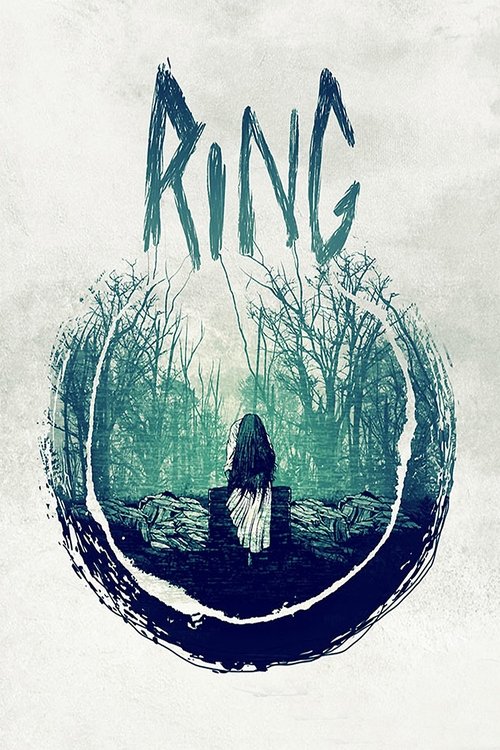
Hideo Nakata's other masterpiece of technology-as-terror. A cursed videotape kills you in seven days. Like Pulse, it transforms ordinary objects into vectors of dread and finds horror in the banality of modern life.
But The American remake overshadowed it for Western audiences. The pacing is slow and deliberate, which some find meditative and others find draggy.
Dark Water2002
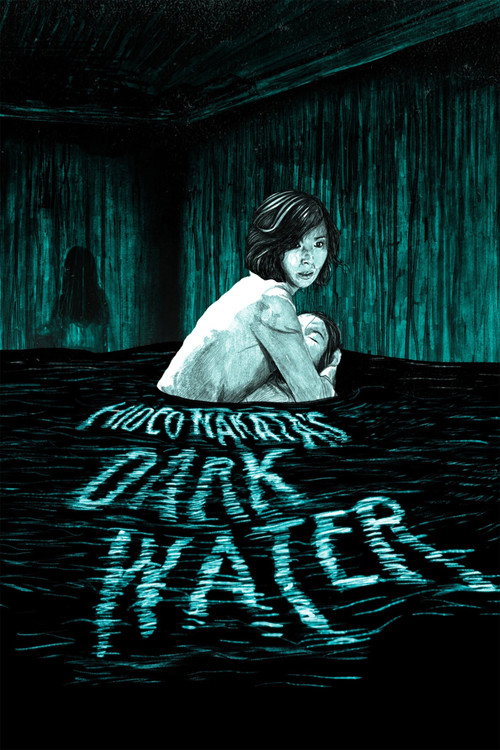
Another Nakata film exploring Japanese urban decay and supernatural melancholy. A mother and daughter move into a haunted apartment building. The horror is inseparable from poverty, desperation, and neglect.
But It's bleak without being cathartic. The ending offers no comfort or justice, which is precisely the point but won't satisfy everyone.
Ring 21999
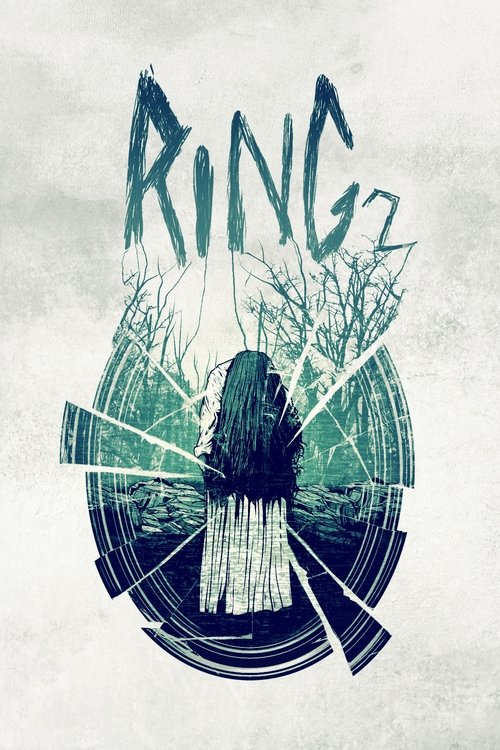
Nakata doubles down on the curse narrative with deeper mythology and more inventive kills. If you loved the first Ring, this expands the world without feeling redundant.
But It's a direct sequel, so it assumes you've seen the original. Some find it bloated compared to the lean first film.
Not sure tonight? Get a pick in a minute, starting from Pulse
The wildcard
Something you would not have found on your own.
Synecdoche, New York2008
Both treat urban isolation as a kind of supernatural haunting, and both suggest that the modern world is already a simulation we're trapped in.
Charlie Kaufman's fever dream about a theater director building a life-size replica of New York inside a warehouse. Like Pulse, it's about the impossibility of connection and the way technology and artifice replace genuine encounter. Both films ask: what do we lose when we try to simulate living instead of actually living?
But It's maximalist and digressive, demanding multiple viewings. Kaufman's emotional logic is internal; if you're looking for clarity, you'll find opacity.

More like this (7)
Ju-on: The Grudge2002
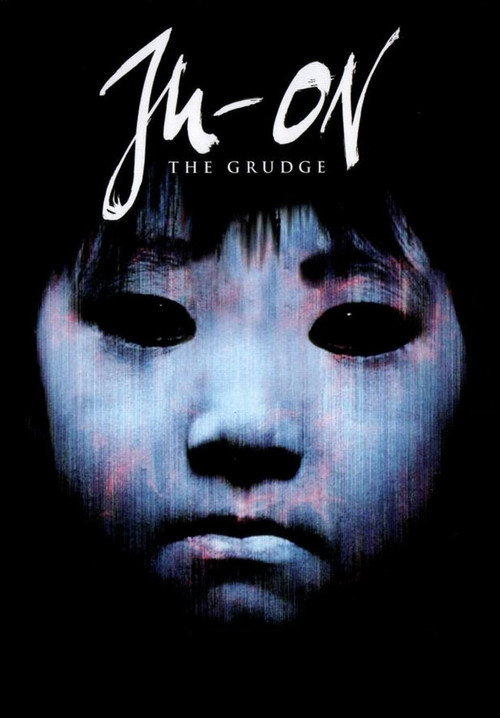
Takashi Shimizu's non-linear haunted house film. A house absorbs the rage of those who die there, and that rage spreads. Genuinely frightening with an unsettling visual language.
But The fractured timeline can feel gimmicky. It's more interested in shock moments than sustained dread, which reads differently depending on what you want from horror.
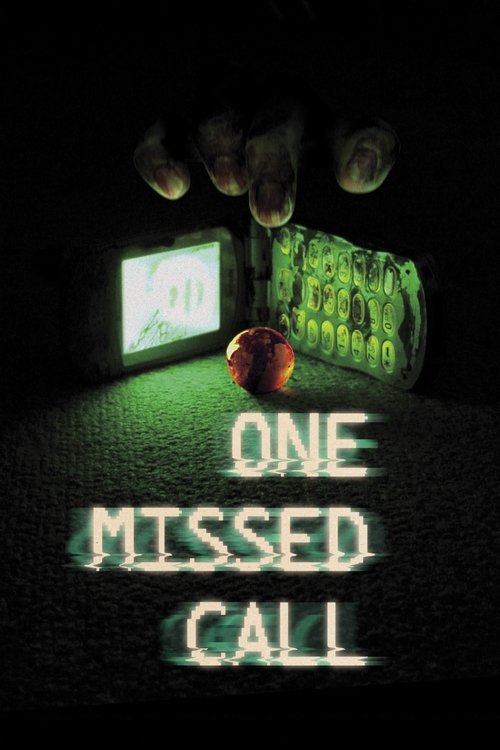
One Missed Call2003
Takashi Miike's curse-via-cell-phone thriller. Death comes through your mobile phone with a preview of your own death. Slick, propulsive, and silly in the best way.
But It's campy in a way Pulse isn't. If you want intimacy with dread rather than spectacle, this errs too far toward the latter.
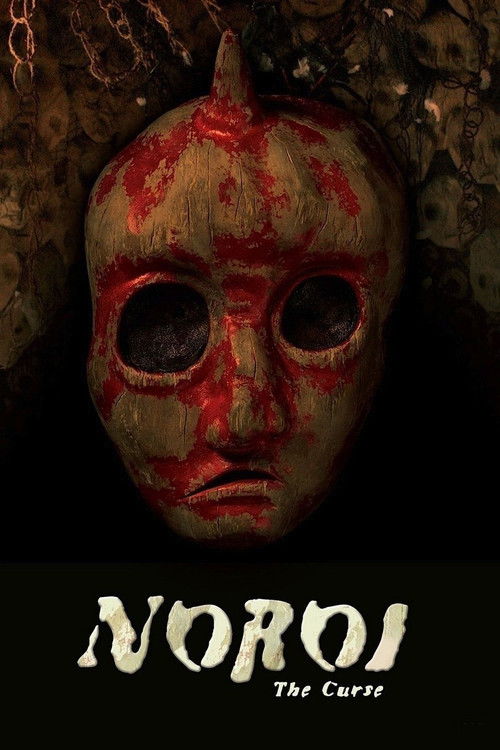
Noroi: The Curse2005
Found-footage horror before it was trendy, told as a documentary about a paranormal investigator's obsession. It accumulates dread methodically and pays off with genuine unease.
But It's long and requires patience. The found-footage style hasn't aged gracefully, and the subtitles demand active attention.
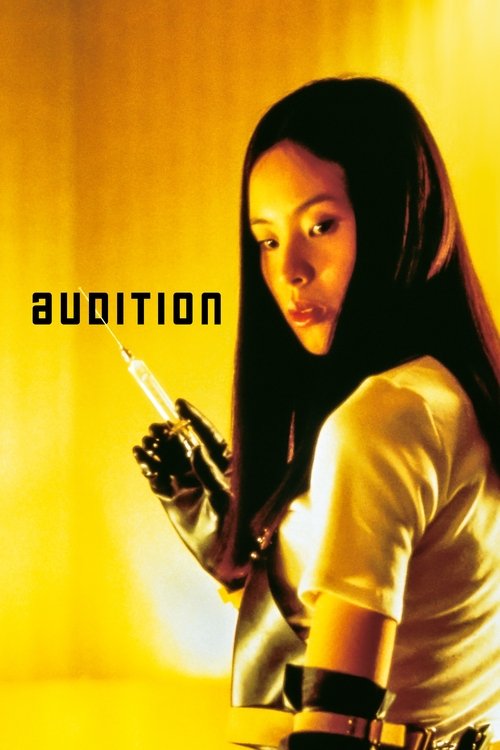
Audition2000
Takashi Miike's meditation on desire, loneliness, and violence. A widower holds fake auditions to find a wife. The tonal shift is brutal and it asks hard questions about connection.
But The violence is graphic and the film doesn't flinch from it. The tone whiplash is intentional but disorienting; some find it pretentious.
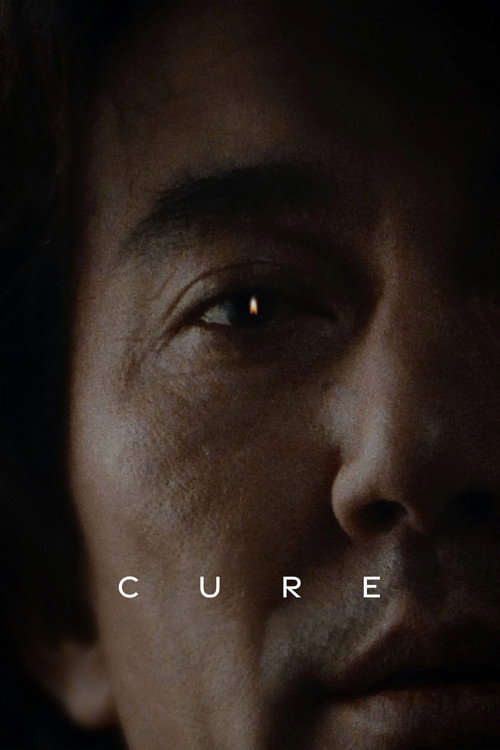
Cure1997
Kiyoshi Kurosawa's detective thriller about a serial killer with no motive. It's about contagion—how violence spreads through suggestion and proximity. Intellectually rigorous and deeply unsettling.
But It's glacial and philosophical. There's minimal plot momentum; it's more interested in mood and implication than resolution.
Harakiri1962
Both Pulse and Harakiri see suicide not as individual pathology but as a rational response to a society that has already killed something essential in its members. Both films refuse to judge the dead.
Masaki Kobayashi's samurai masterpiece about honor, poverty, and institutional cruelty. A ronin requests permission to commit ritual suicide at a feudal lord's palace. Formally perfect, morally devastating. It's about the violence of a system that makes people feel they have no choice but to disappear.
But It's a 1960s black-and-white Japanese film with a grim subject. There is no catharsis, only the precise anatomy of despair.

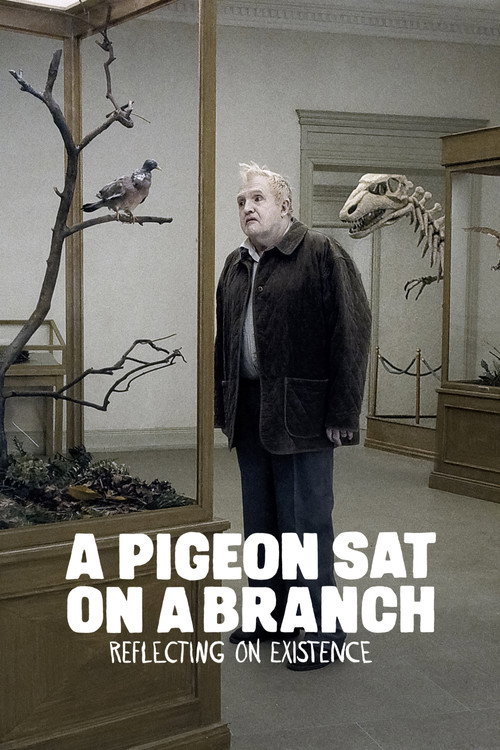
A Pigeon Sat on a Branch Reflecting on Existence2014
Both films locate horror not in supernatural events but in the texture of modern life itself—the cumulative weight of disconnection, the queasy feeling of being surrounded by people who are fundamentally alone.
Roy Andersson's Swedish deadpan masterpiece. Tableaux of mundane suffering in a gray modern world: toy salesmen, office workers, the ordinary cruelties of existence. It's hilarious and heartbreaking in equal measure, and it captures the same spiritual vacancy that Pulse does, but through comedy instead of horror.
But It's a tone you either surrender to or resist. If you want narrative momentum, character arcs, or conventional film language, this will feel like watching paint dry on purpose.
People
Cast
 Kumiko AsoMichi kudo
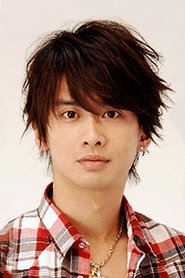 Haruhiko KatoRyosuke Kawashima
 KoyukiHarue Karasawa
 Kurume ArisakaJunko Sasano
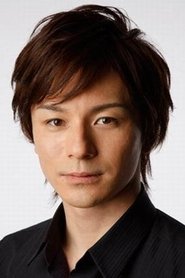 Masatoshi MatsuoToshio Yabe
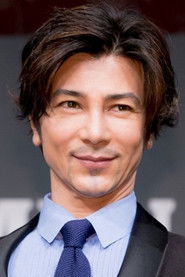 Shinji TakedaYoshizaki
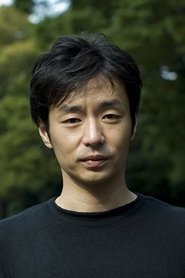 Kenji MizuhashiTaguchi
 Shun SugataBoss
 Akiko KitamuraWalking ghost
- Ken FurusawaConvenience Store Employee
- Teruo OnoDoroningen
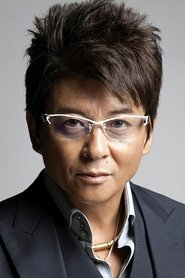 Show AikawaEmployee
Directing
- Takeshi FurusawaAssistant Director
- Kiyoshi KurosawaDirector
- Mikiko KoyamaScript Supervisor
Writing
- Kiyoshi KurosawaWriter
Production
- Yasuyoshi TokumaExecutive Producer
- Atsuyuki ShimodaProducer
- Hiroshi YamamotoProducer
- Ken InoueProducer
- Seiji OkudaProducer
- Shun ShimizuProducer
Recommended by
Ring, Ju-on: The Grudge, Oops! Mysterious Sounds, Host, One Missed Call, Ring 2, Cure, Uzumaki, Noroi: The Curse, A Snake of June, The Ring, Visitors, Marebito, Phone, Hospital, Suicide Club, The Eye, Decay, The Signal, Frankenstein's Army, Carved: The Slit-Mouthed Woman, Three... Extremes, Afterimages, The Ring Two, Noriko's Dinner Table, The Spiral, Memento Mori, Whispering Corridors, Innocent Curse, Gamera 3: Revenge of Iris, Possessed, Nightmare Detective, The Rope Curse