
Film
Hospital
Other titles called Hospital: the 1970 film, the 2017 series (BBC Two).
A Malaysian horror film about a young nurse tormented by mysterious whispers in the hospital where she works. Atmospheric and grounded in the mundane dread of an ordinary workplace haunting, it's for viewers who prefer creeping unease to jump scares, with a strong sense of place and cultural specificity that gives it real weight.
Should you watch it?
Watch it if you enjoy slow-building supernatural dread in a single, claustrophobic setting, where the unease comes from whispers and empty corridors rather than gore.
Skip it if you need a plot that explains itself, since this leans on mood and ambiguity and may feel thin when its ideas stay half-formed.
What it asks of you: It runs a brisk eighty-odd minutes and asks you to stay patient with atmosphere, staying close to one young woman's unease while the film holds its breath.
Not sure? Find tonight's pick in a minute.
If you liked this
The Wailing2016
A Korean horror masterpiece that builds dread through ambiguity and folk-horror atmosphere. Like Hospital, it trusts the audience and lets unease accumulate through suggestion rather than spectacle.
But Three hours long, narratively complex, and it deliberately refuses to offer easy answers or comfort. Some find the pacing deliberate to the point of taxing.

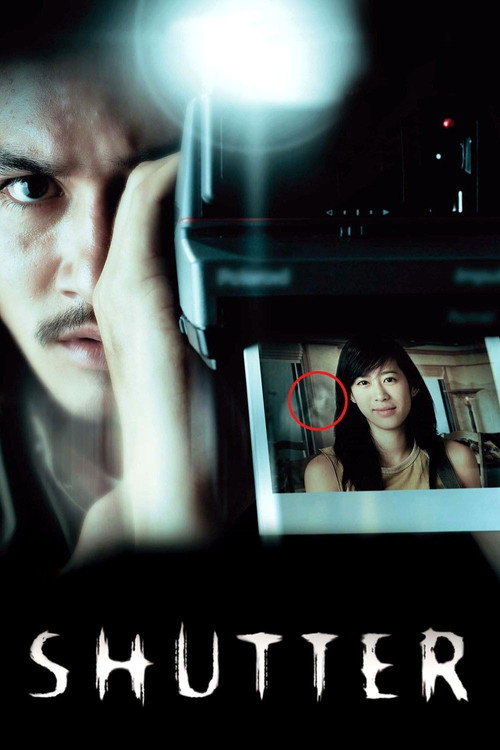
Shutter2004
A Thai ghost story that defined modern Asian horror by making the haunting deeply personal and rooted in guilt. It has the same quiet, creeping dread and visual sophistication that Hospital aims for.
But The twist is well-known now if you've been in horror circles. The pacing is slow and won't appeal if you need constant momentum.
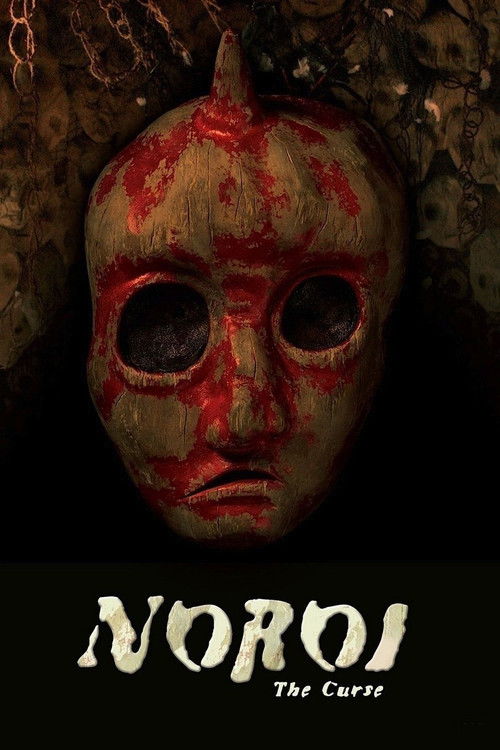
Noroi: The Curse2005
A Japanese found-footage horror that builds an intricate mythology through small, disturbing details. It shares Hospital's commitment to atmospheric horror over gore, and rewards patient viewing.
But Found-footage format feels dated now, and the film's structure is deliberately fragmented. It demands active engagement rather than passive watching.
Not sure tonight? Get a pick in a minute, starting from Hospital
The wildcard
Something you would not have found on your own.
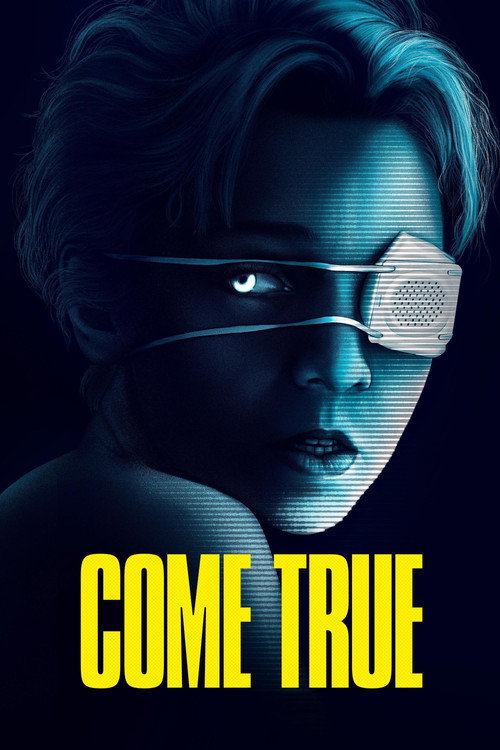
Come True2020
Both use institutional settings not as backdrop but as character: the hospital and the lab are sources of wrongness because of what they represent about control, medical authority, and vulnerability.
A Canadian sci-fi horror about sleep studies and pharmaceutical surveillance that feels like hospital-set sci-fi. It shares Hospital's interest in institutional unease and has a dreamlike visual language that's completely original.
But Very slow, very strange, and the ending is deliberately ambiguous in ways that infuriate some viewers. Looks like a student film, which bothers people who equate budget with quality.
More like this (7)
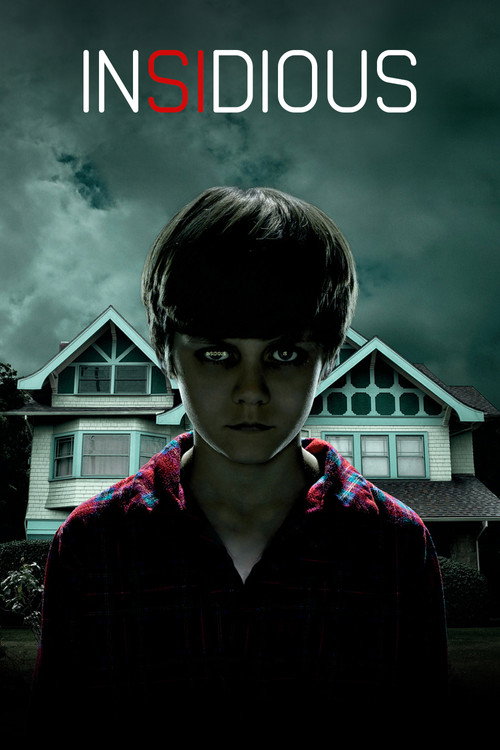
Insidious2011
Proves that modern horror can be genuinely frightening without relying on gore or cynicism. It has real craft in its sound design and visual composition, much like Hospital's technical confidence.
But It does lean on jump scares more than Hospital does, and some of the later mythology gets baggy. The sequels are much less interesting.
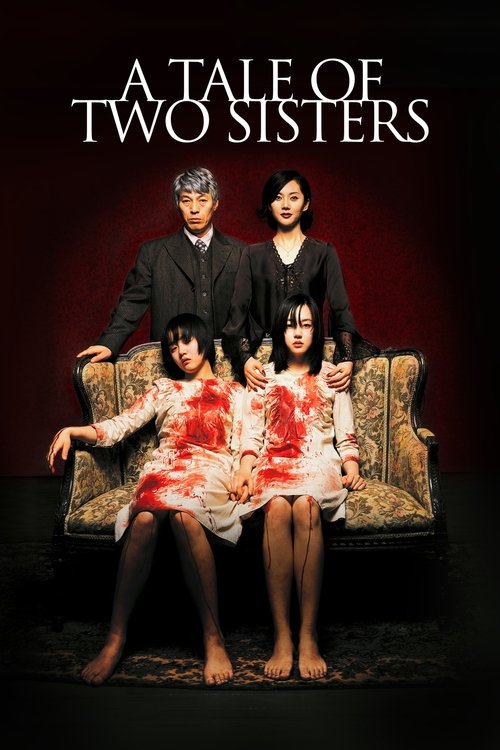
A Tale of Two Sisters2003
A South Korean psychological horror about family trauma wrapped in fairytale imagery. It shares Hospital's interest in how institutional spaces and family dysfunction create genuine horror.
But Deliberately cryptic and refuses to explain itself. If you need clarity about what's real and what's supernatural, this will frustrate you.
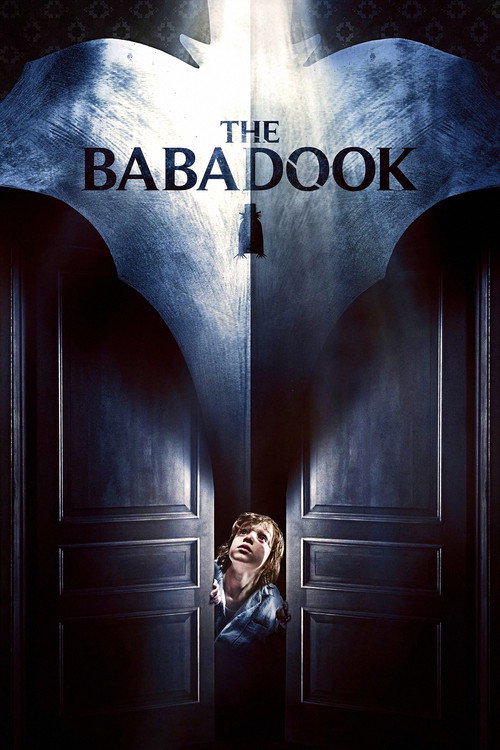
The Babadook2014
Australian horror that uses the supernatural as a vehicle for grief and maternal anxiety. It's character-driven, visually inventive, and has the same intelligence Hospital brings to the genre.
But Slow-burn to an extreme—some viewers find it ponderous. The ending may feel insufficiently final if you want closure.
Under the Skin2014
Scarlett Johansson in an atmospheric sci-fi horror about alienation and the uncanny. Like Hospital, it trusts silence and strangeness, and builds dread through mood rather than plot.
But Deliberately obscure, with minimal dialogue and a cryptic narrative. Many people find it pretentious or simply boring rather than frightening.

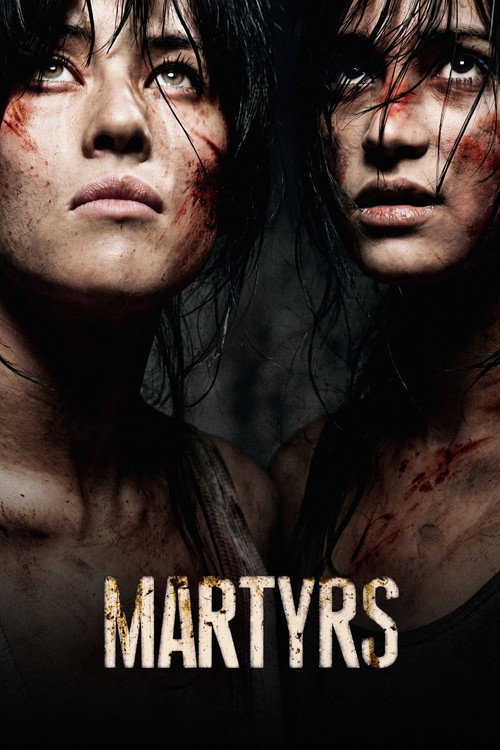
Martyrs2008
A French-Canadian extreme horror with genuine philosophical depth about suffering and belief. It's shocking but never exploitative, and shares Hospital's willingness to take itself seriously.
But Genuinely brutal and upsetting—not for viewers who prefer their horror fun or escapist. It demands emotional stamina and offers no catharsis.
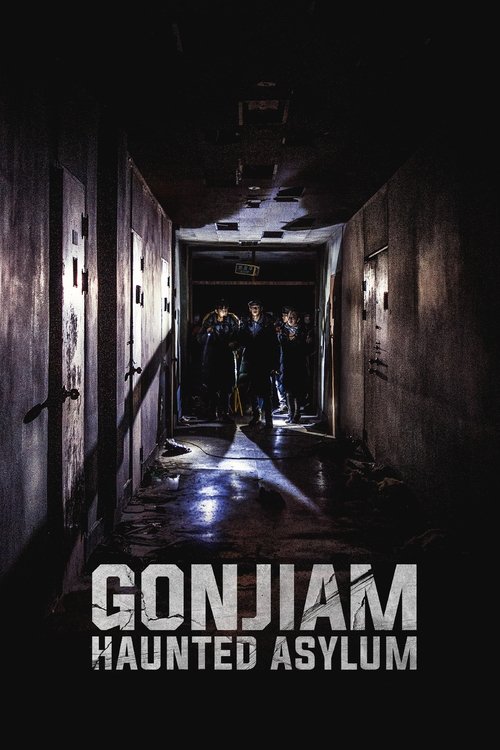
Gonjiam: Haunted Asylum2018
A Korean found-footage horror that updates the format with social media and streaming elements. It has energy and scares, and understands institutional spaces as sources of genuine wrongness.
But Found-footage can feel gimmicky, and the social-media angle already feels dated. The scares sometimes rely on volume and motion rather than subtlety.
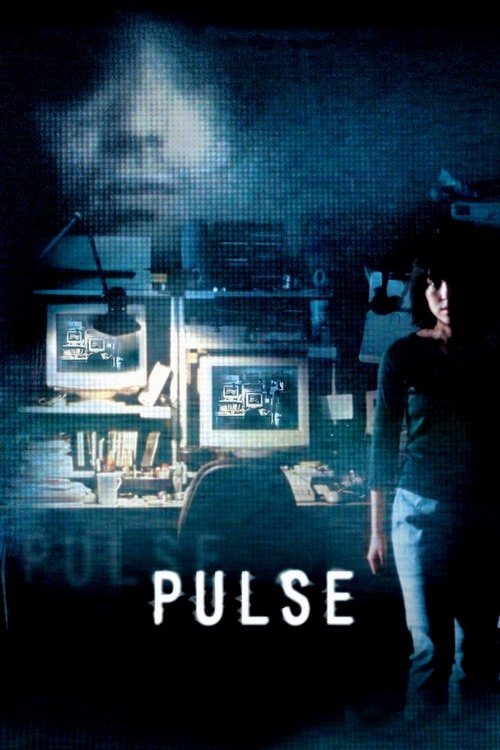
Pulse2001
Both films locate true horror in isolation and disconnection—the supernatural emerges from loneliness and the failure of human connection. The hauntings are symptoms, not causes.
Kiyoshi Kurosawa's masterpiece about loneliness and technology creating a haunting so profound it becomes philosophical. It's visually stunning and emotionally devastating in a way that transcends the supernatural premise.
But Requires patience and emotional openness. The horror is existential rather than visceral, and some find it depressing rather than entertaining.
People
Cast


Directing
- Azaromi GhozaliDirector