
Film
Come True
Come True is a slow-burn sci-fi horror film about an 18-year-old who enrolls in a sleep study that gradually reveals something far stranger than insomnia. It's visually stunning but narratively cryptic—think arthouse nightmare rather than jump-scare thriller. For viewers who prize atmosphere and unsettling imagery over explanation.
Should you watch it?
Watch it if you like slow-burn science fiction horror that trusts atmosphere, dread and stillness over jump scares, the way a dream-logic thriller unspools one unsettling image at a time.
Skip it if you need a brisk plot or regular payoffs, since this film is patient to the point of sparseness and its scares arrive quietly rather than in bursts.
What it asks of you: Around a hundred and five minutes of close, hushed attention, mostly at night and in cramped rooms, with the unease building gradually instead of being delivered in big set pieces.
Not sure? Find tonight's pick in a minute.
If you liked this
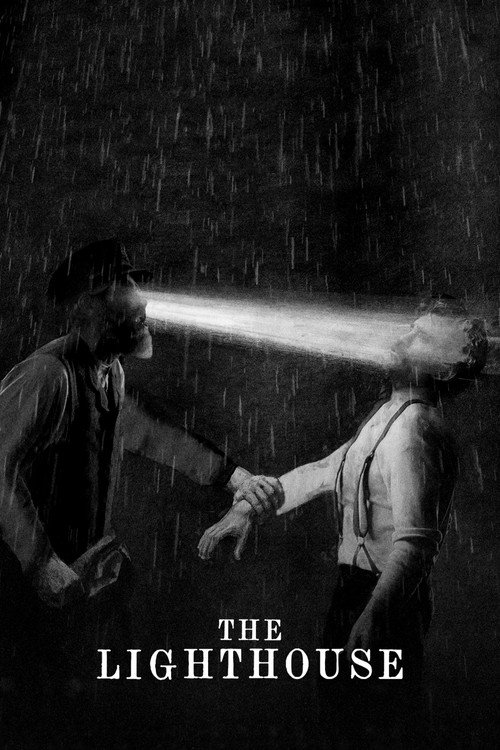
The Lighthouse2019
Hallucinatory, hypnotic, and deeply unnerving. Two men in isolation descend into psychological torment through gorgeously composed black-and-white cinematography. Shares Come True's commitment to dread over clarity.
But Deliberately oblique and slow. The monochrome visuals and arthouse pacing will feel impenetrable if you want straightforward narrative answers.
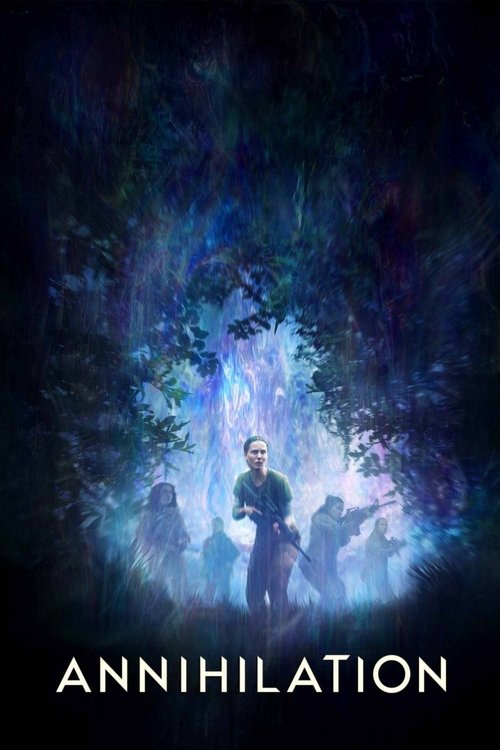
Annihilation2018
Scientists enter a mysterious zone where reality bends in beautiful, horrifying ways. Like Come True, it trusts the audience to sit with strangeness rather than explaining everything. Visually sumptuous and deeply unsettling.
But The ending refuses conventional resolution. Many viewers find the ambiguity frustrating rather than satisfying, and the pacing is deliberately languid.
Mulholland Drive2001
A dreamlike mystery that spirals into nightmare logic. David Lynch crafts sequences that feel hypnotic and wrong in ways that linger. Both films prize mood and visual storytelling over plot comprehension.
But Nearly three hours of intentional opacity. If you need narrative coherence and clear answers, this will feel like a waste of your time.

Not sure tonight? Get a pick in a minute, starting from Come True
The wildcard
Something you would not have found on your own.
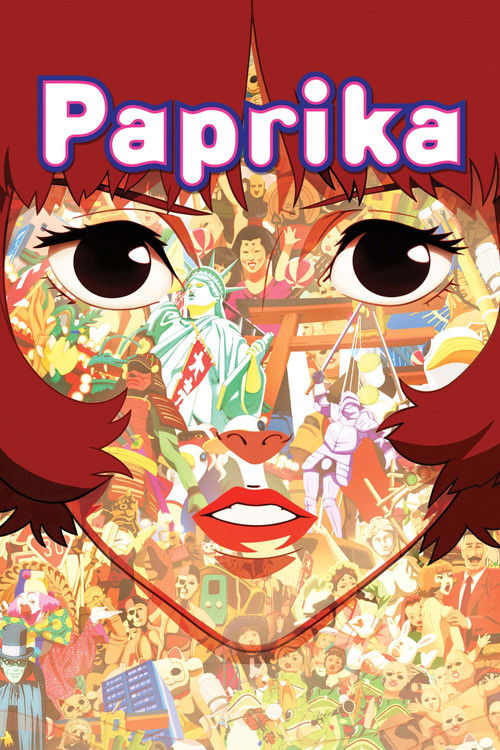
Paprika2006
Both films use dreams and sleep research as a gateway to reality-fracturing horror. Paprika approaches it with surreal wonder; Come True approaches it with creeping dread. They're the same story told in opposite registers.
Satoshi Kon's anime masterpiece about dreams bleeding into reality through experimental technology. Visually inventive and thematically dense, it explores the same territory—sleep, consciousness, loss of identity—but with boundless imaginative energy rather than cold dread.
But Anime format and a non-linear plot structure that demands active viewing. If subtitled animation feels too distant or the narrative seems fragmented, it will frustrate rather than enchant.
More like this (8)
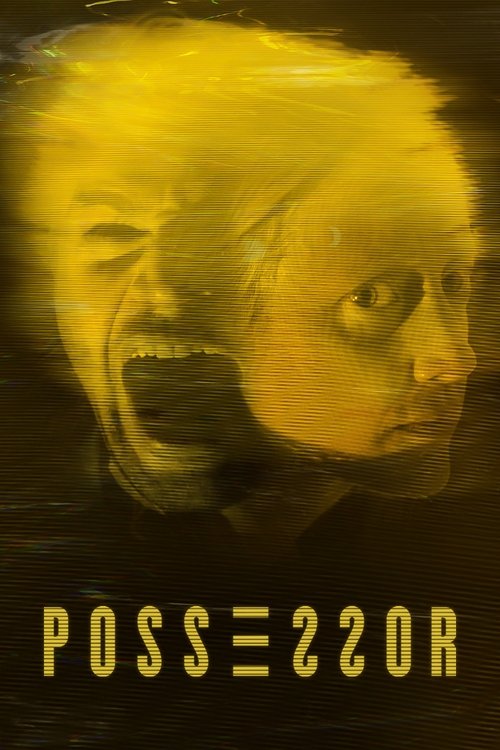
Possessor2020
Body horror and sci-fi dread wrapped in gorgeous but disturbing cinematography. Brandon Cronenberg shares Come True's willingness to alienate viewers in pursuit of visceral atmosphere and thematic depth.
But Graphic violence and sexual content. Some sequences are genuinely difficult to watch; the discomfort is intentional, not accidental.
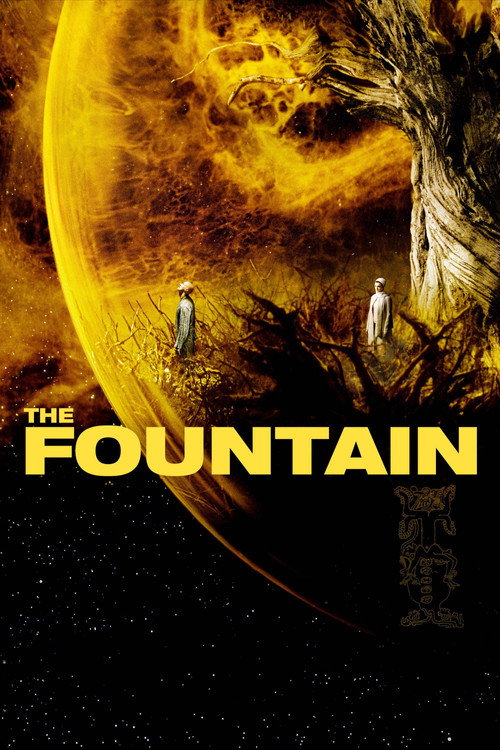
The Fountain2006
Darren Aronofsky's three-timeline meditation on love and death. Experimental, visually extraordinary, and deliberately cryptic. Both films prioritize feeling over understanding.
But Three hours of stunning but frustratingly vague storytelling. Many found it pretentious on release; it rewards patient viewers and defeats those seeking clarity.
Under the Skin2014
Scarlett Johansson in an alien-encounter film that's more meditative horror than sci-fi thriller. Sparse dialogue, unsettling imagery, and a refusal to explain itself. Slow cinema that trusts atmosphere entirely.
But Almost dialogue-free and glacially paced. Long stretches feel like experimental video art; many viewers find it tedious rather than hypnotic.

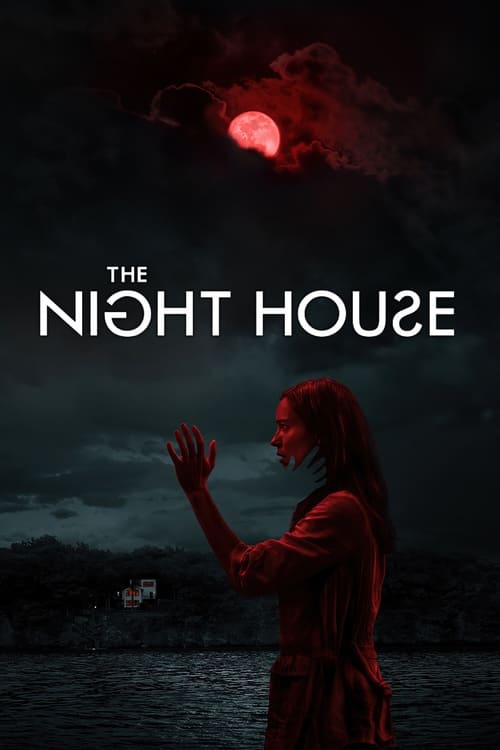
The Night House2021
A widow unravels in her late husband's mysterious house. Grief becomes horror becomes existential dread. Like Come True, it blurs psychological deterioration with genuine supernatural strangeness.
But The tonal shift from intimate grief-drama to horror-thriller feels uneven to some. Rebecca Hall's performance carries much of it, which won't work for everyone.
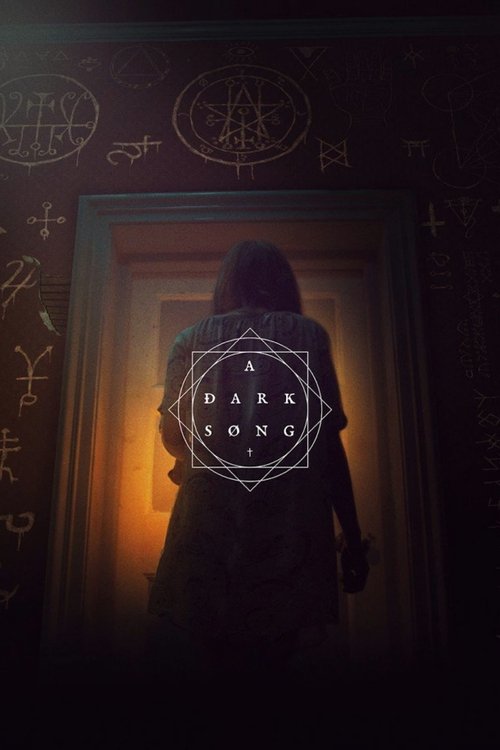
A Dark Song2016
A woman hires an occultist for a ritual of unknowable purpose. Intimate, strange, and deeply moving. Both films inhabit a space between science, spirituality, and psychological breakdown.
But Barely anything happens for long stretches. The payoff is philosophical rather than dramatic, which many find anticlimactic.
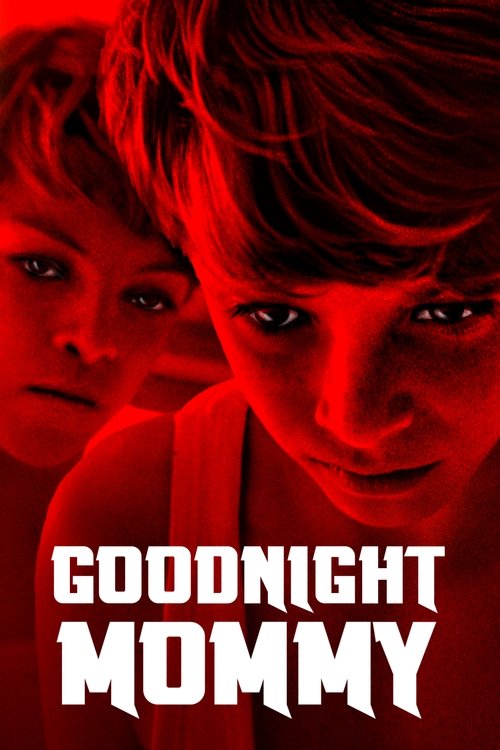
Goodnight Mommy2015
A deeply unsettling Austrian horror film about a mother's face hidden behind bandages. Gorgeous production design and a twist that recontextualizes everything. Austrian arthouse horror shares Come True's visual ambition.
But Child abuse is central to the narrative. The content is disturbing in ways that extend beyond horror convention, which will alienate many viewers entirely.
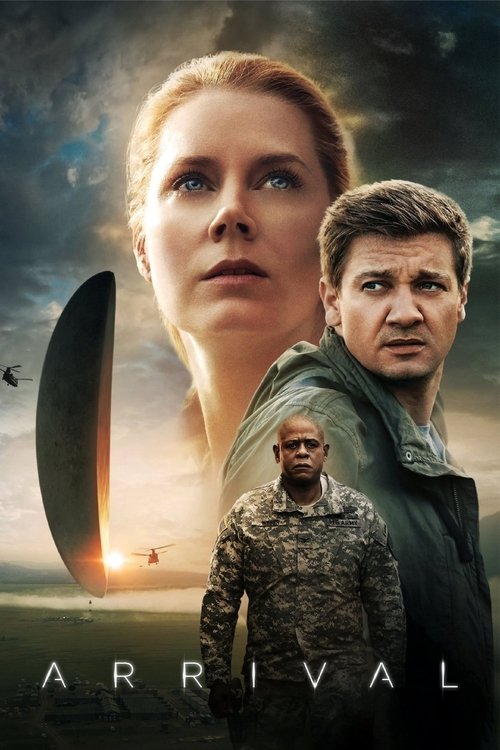
Arrival2016
Both use an outsider protagonist experiencing something beyond normal reality to explore altered consciousness and the limits of human comprehension. But where Come True stays claustrophobic and surreal, Arrival opens outward toward transcendence.
Linguistic science fiction about communication with aliens. Luminous, meditative, fundamentally about perception and how language shapes reality. It shares Come True's investment in ideas over action and its visual sophistication.
But Deceptively slow for a mainstream sci-fi film. Heavy on dialogue and concept, light on plot momentum. The emotional core won't resonate if you're seeking spectacle.
Synecdoche, New York2008
Both films trap their protagonist in a state of compromised consciousness where the boundary between external experiment and internal collapse becomes impossible to locate. Come True suggests the horror through imagery; Synecdoche builds an entire city from it.
Charlie Kaufman's film about a theater director whose life and art collapse into one another. Nightmarish production design, performances dissolving into unreliability, reality fragmenting under psychological pressure. Like Come True but at feature length and in full color—a descent into existential horror disguised as metatheatrical comedy.
But Nearly two and a half hours of deliberate confusion. Philip Seymour Hoffman's character is largely unsympathetic, and the film's refusal to clarify what's real makes it exhausting for many viewers.

People
Cast
 Julia Sarah StoneSarah
 Landon LiboironJeremy
 Carlee RyskiAnita
 Christopher HeatheringtonDr. Meyer
 Tedra RogersZoe
 Brandon DeWynMichael
- John TaskerLyle
- Austin BakerWill
 Shane GhostkeeperAaron
 Caroline BuzankoEmily
 Orin McCuskerPeter
Directing
- Anthony Scott BurnsDirector
Writing
- Anthony Scott BurnsScreenplay
- Anthony Scott BurnsStory
- Daniel WeissenbergerStory
Production
- Michelle WongBusiness Affairs Coordinator
- Susan BristowCasting
- Nicholas BechardCo-Producer
- Andrea HatzinikolasExecutive Producer
- Bob CroweExecutive Producer
- Christopher WallaceExecutive Producer
- Karyn NolanExecutive Producer
- Vincenzo NataliExecutive Producer
- Brent KawchuckLine Producer
- Brent KawchuckProducer
- Mark SmithProducer
- Steven HobanProducer
- Howard Duff GordonProduction Coordinator
Recommended by
The Changeling, Wendy, Swimming with Sharks, Tales from the Hood, Smile, Speak No Evil, Frailty, Barbarian, Funny Games, Case 39, Knock at the Cabin, Safe, The Loved Ones, The Invisible Man, Ghost Stories, Storm of the Century, Gerald's Game, Inland Empire, Hostel, Hellraiser, Wrong Turn, The Wicker Man, The Devil and Father Amorth, The Island, Enough, The Black Phone, The Sentinel, Rare Exports: A Christmas Tale, The Good Son, Rest Stop, Bug, Skinamarink, XX, Prevenge, Lost River, Condemned, Phobia, The Rental, Oxygen, The Little Girl Who Lives Down the Lane, The House of the Devil, We Are Still Here, The Living and the Dead, Eden Lake, Music Box, Hager, Candyman, Gretel & Hansel, Deadly Tag, Before I Wake, BLOOM, The Hole, Lights Out, Oscar Wilde's the Nightingale and the Rose, Vanishing Act, The Apology, Deliver Us from Evil, The Last Great Wilderness, Milena, The Eyes of My Mother, Seek, Dread, Proxy, Hide and Seek, Khuda Haafiz, Luz, Chained, Maniac, The Presence, Evolution, The Alchemist Cookbook, Freak Out, Julien Donkey-Boy, Hospital, The Mutilator, The Boy Behind the Door, The Incident, The Hole, The Ninth Configuration, The Woman, Pod, Fall, Pinocchio: Unstrung, Never Let Go, V/H/S/2, The Pact, Lair, Sator, The Devil's Candy, The Seasoning House, Found, Citadel, The Twin, The Facility, ChromeSkull: Laid to Rest 2, Don't Leave the Kids Alone, Five Nights at Freddy's, A Boy's Life, The Oregonian, Flux Gourmet, Dark Water, Await Further Instructions, The Innocents, Last Breath, The Midnight Man, Psycho II, Kidnapped, Baskin, The Dreamcatcher, The Pool, Psycho III, The Funhouse, Darkroom, Happy New Year, A Good Woman Is Hard to Find, Let Me In, Dangerous Dreams, The Matriarch, See No Evil, Animalistic, Pizza, The Monitor, The Monster, The Farm, The Ring Two, Let Me Out, Blackwater, Dead Souls, Phony, Asylum Blackout, House on Haunted Hill, The Basement, The Great Alligator, Torment, The Final Girl Support Group, The Strange Thing About the Johnsons, Slipstream, Varathan, Three on a Meathook, The Trap, Aalavandhan, The Beast, The Clinic, Ares, Kimi, In Limbo, The Locker Room, The Seance, Demonte Colony, Crawl Space, Madness, The Survivalist, Fear Itself, Eerie, Possessed, Sick Boy, The Shelter, 3 Sisters, Still Life, Deadgirl, The Art of Dying, Trespassers, Watcher, Hokum, A Death in the Gunj, Grip of the Strangler, Macabre, The Decline, Trap, See No Evil 2, Three Bloody Photographs, The Collector, The Last Winter, Honeydew, The Girl We Let In, Braid, Headless Body in Topless Bar, Good Boy, Haunted, Bait, Exhuma, Pizza, Couple in a Hole, Laid to Rest, Best Day Ever, The Forest, Southbound, Saw III, Caviar, 1408, The Guardian, We Are What We Are, The Exorcist: Believer, Hunting Season, Noise, Troll, Bandh Darwaza