
Film
Dread
- Horror
- Serial killer
- Very dark
A found-footage horror film about three students documenting human fears, derailed when one reveals himself as a sadistic manipulator. Cheap, grimy, and genuinely uncomfortable—less interested in scares than in the slow dawning that you're watching someone break. For people who want their horror to feel like a descent into something real and ugly.
Should you watch it?
Watch it if you respond to a bleak, tightly focused premise that lets unease build across a handful of characters, and you're happy to sit with discomfort instead of waiting for relief.
Skip it if you have no appetite for graphic cruelty, or want horror that moves briskly; this one is grim, deliberate and often hard to watch.
What it asks of you: Settle in for a patient runtime of just under two hours, where the grimness arrives slowly and you're expected to stay with it rather than look away.
Not sure? Find tonight's pick in a minute.
If you liked this
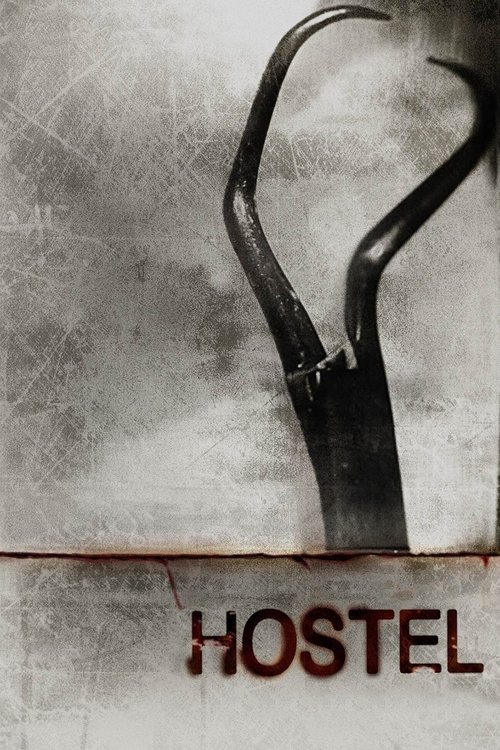
Hostel2006
Eli Roth's breakthrough about tourists trapped in a torture facility. Like Dread, it's fascinated by the psychology of cruelty and willing to make you complicit in watching it unfold.
But The torture sequences are explicit and prolonged. It's designed to sicken, and it succeeds—some will find that exhausting rather than effective.
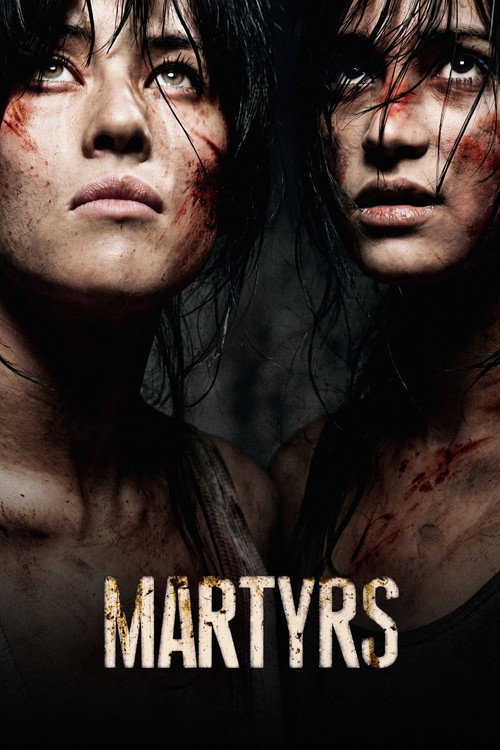
Martyrs2008
A French horror film about two women hunting the people who tortured them, evolving into something stranger and more philosophical about suffering itself. Both films use shock as a gateway to real dread.
But Relentlessly bleak and violent. It doesn't offer catharsis or answers, which some viewers find punishing rather than profound.
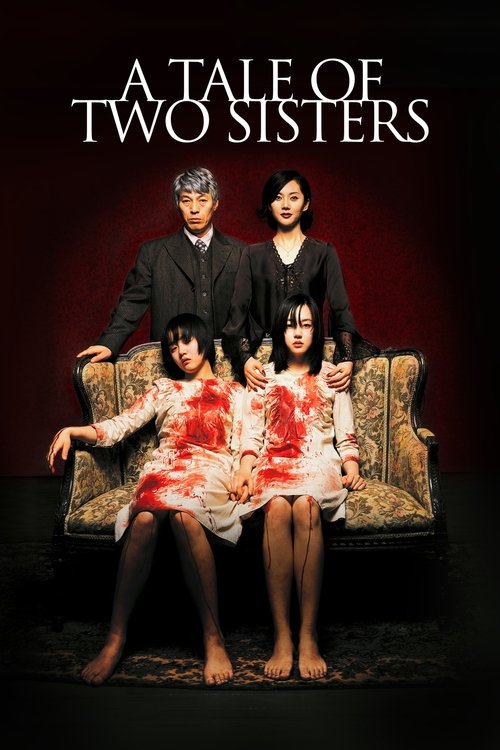
A Tale of Two Sisters2003
Korean horror about two girls and a stepmother, mixing supernatural dread with the slow realization that something else is happening entirely. Shares Dread's interest in what's unsaid and the horror in perception itself.
But Deliberately oblique. It rewards attention but resists clarity, and the twist may frustrate anyone wanting straightforward answers.
Not sure tonight? Get a pick in a minute, starting from Dread
The wildcard
Something you would not have found on your own.
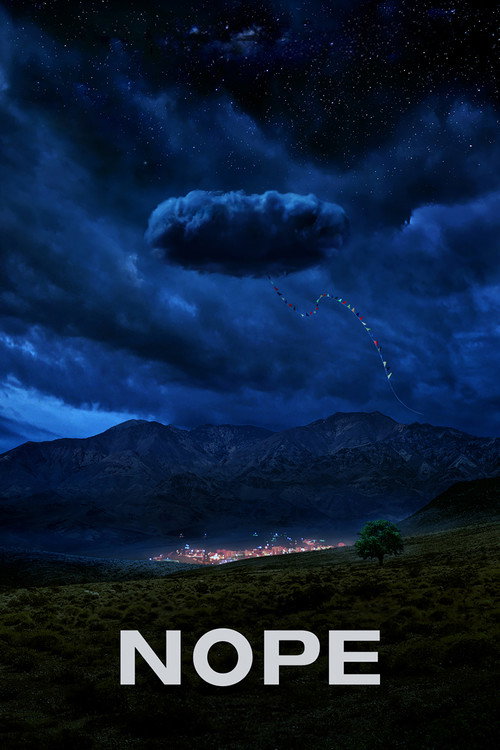
Nope2022
Both structure themselves around obsessive documentation and the act of witnessing something that changes you. Both are fundamentally about what looking costs.
Jordan Peele's science-fiction thriller about a phenomenon no one wants to look at directly. Both films understand that horror lives in refusal—in what you're not supposed to see and what happens when you keep looking anyway. Dread documents fear; Nope IS a creature made of it.
But Very long, very slow, very much interested in spectacle and cinematography over plot momentum. If you want propulsive narrative, you'll feel the patience required.
More like this (8)
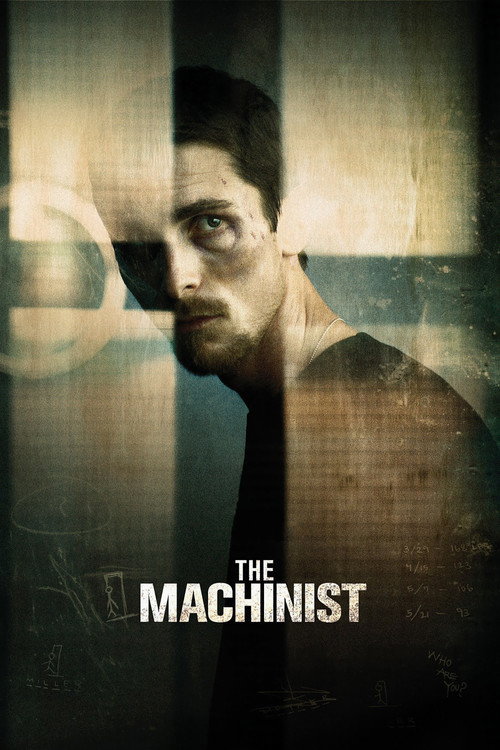
The Machinist2004
Christian Bale in a psychological thriller about a sleepless factory worker whose reality fragments. Like Dread, it's about the horror of losing grip on what's real, and what someone can do to you psychologically.
But Slow and repetitive by design. The narrative is linear and predictable if you're paying attention, which some find tedious.
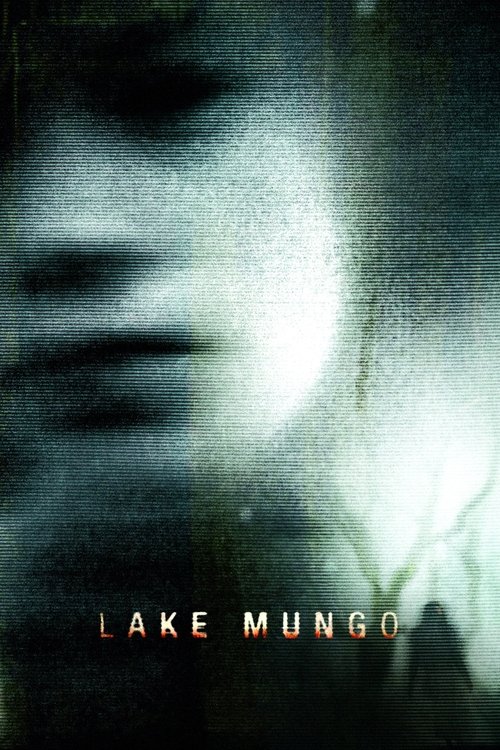
Lake Mungo2009
A fake documentary about a girl's drowning that peels back layers of family secrets and truth. Found-footage horror that earns its revelations through patience and a genuine sense of wrongness.
But Quietly paced and deliberately understated. If you're waiting for jump scares or dramatic moments, it will feel slow and unresolved.
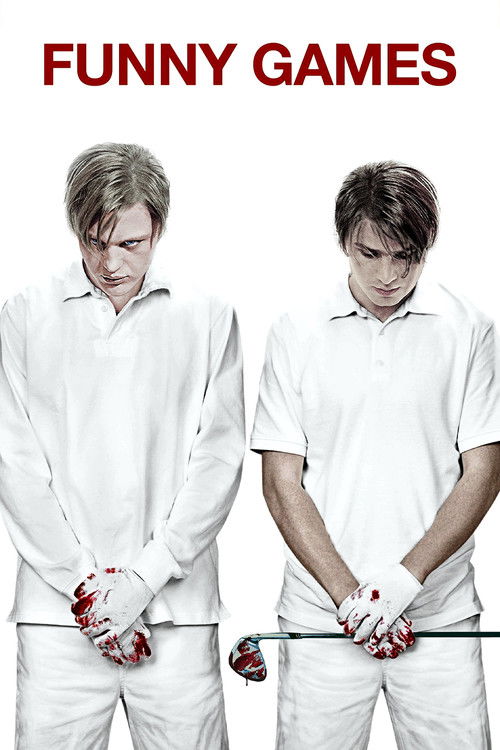
Funny Games2008
Michael Haneke's home-invasion film about two men tormenting a family, which breaks its own frame to question your pleasure in watching violence. Shares Dread's interest in cruelty as spectacle and your complicity.
But Deliberately antagonistic toward the viewer. Haneke wants you uncomfortable and is willing to bore you to get there. Easy to resent on principle.
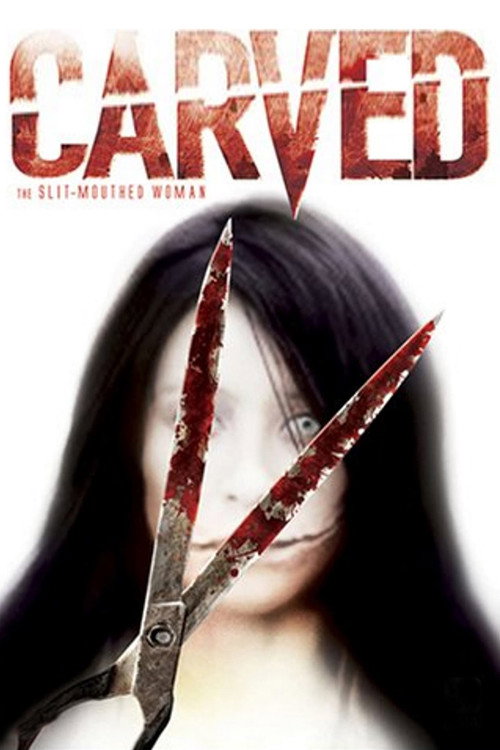
Carved: The Slit-Mouthed Woman2007
Japanese torture-horror about a disfigured woman exacting revenge. Extremely nasty, low-budget, and committed to the grimy aesthetic Dread shares—body horror and escalating psychological torment.
But Poorly paced and the dubbing is atrocious. Gore for its own sake, without much narrative intelligence behind it.
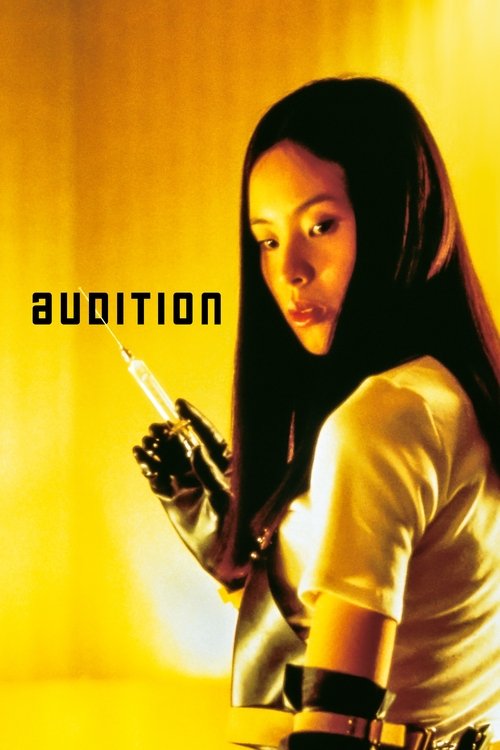
Audition2000
Takashi Miike's film about a man auditioning women for a fake film role, turning into a nightmare of obsession and torture. The shift from mundane to horrific mirrors Dread's own slow-burn corruption.
But Bizarre tonal shifts and an extremely unpleasant final act. The graphic content feels gratuitous to some, and the story doesn't always justify the violence.
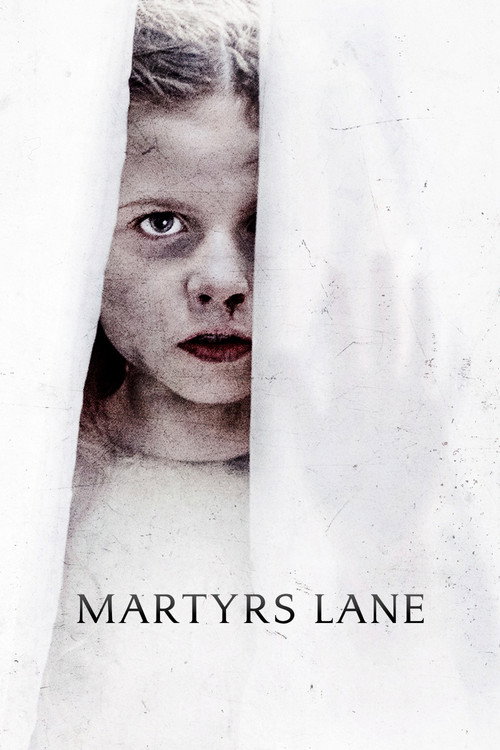
Martyrs Lane2022
A quieter, more melancholic British horror about a girl encountering a ghost, evolving into something about grief and self-harm. Less brutal than Dread but exploring similar territory: how trauma distorts perception.
But Understated to the point of narrative vagueness. The horror is interior and slow, leaving some viewers feeling nothing much happens.
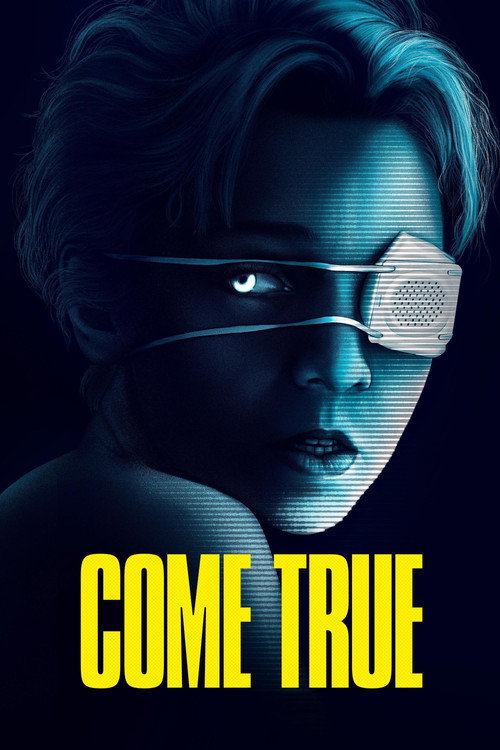
Come True2020
Both films violate their subjects under the guise of study. Both are about the horror of being documented, observed, and used—but this one filters it through dream-logic and sound design instead of found-footage.
An experimental sci-fi film about a girl volunteering for a sleep study that goes wrong, told mostly through dreamscapes and fragmented visuals. Like Dread, it's about violation and the slow erasure of self, but through surrealism instead of realism—the horror is abstract and visual rather than visceral.
But Deliberately vague and non-narrative. It's mood and image over plot. Long stretches require patience with abstraction rather than story logic.
Come and See1985
Both reject the idea that horror cinema should be enjoyable. Both use form to make you complicit in witnessing cruelty. Both believe the camera itself is a weapon.
Elem Klimov's Russian war film about a boy witnessing atrocity, told with overwhelming sensory assault. Utterly different aesthetic and era, but the same belief that cinema can break you—that watching is a form of suffering, and the audience earns every second of it.
But Not horror, but more brutal than most horror. Extremely graphic depictions of violence and suffering. The experience is closer to ordeal than entertainment, which is entirely the point.

People
Cast
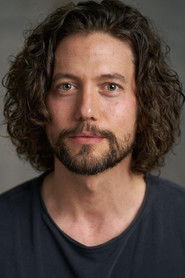 Jackson RathboneStephen Grace
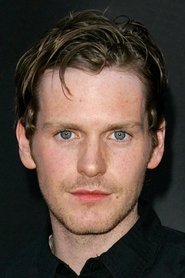 Shaun EvansQuaid
 Hanne SteenCheryl Fromm
 Laura DonnellyAbby
 Jonathan ReadwinJoshua Shaw
 Vivian GrayTabitha Swan
- Carl McCrystalAxe Man
- Steven ClarkeBruno
- Adam DavenportAlex Hustler
 Elissa DowlingTamsin Kendall
 Paloma FaithClara Thornhill
 Erin GavinValerie
Directing
- Anthony DiBlasiDirector
- Helene OosthuizenScript Supervisor
Writing
- Anthony DiBlasiScreenplay
- Clive BarkerShort Story
Production
- Gail StevensCasting
- Adrian PolitowskiExecutive Producer
- Anthony DiBlasiExecutive Producer
- Nadia KhamlichiExecutive Producer
- Jonathan WicksLocation Manager
- Charlotte WallsProducer
- Clive BarkerProducer
- Joe DaleyProducer
- Jorge SaraleguiProducer
- Lauri ApelianProducer
- Nigel ThomasProducer