
Film
Martyrs
A French torture-horror about childhood trauma and the mythology we build around suffering. Relentless, deeply unsettling, and genuinely interested in the philosophical weight of its own cruelty. For viewers who want cinema that doesn't flinch and can sit with ugliness as a legitimate artistic choice.
Should you watch it?
Watch it if you can stomach extreme horror that treats suffering as a question about faith and endurance, and you want a film that stays with you long after the credits roll.
Skip it if you want horror that builds scares or relies on suspense; this one is relentless, graphic and bleak, and its brutality is the point rather than a flourish.
What it asks of you: Ninety-nine minutes of escalating dread with almost no relief, so settle in for a punishing, deliberately airless experience that rewards patience more than it entertains.
Not sure? Find tonight's pick in a minute.
If you liked this
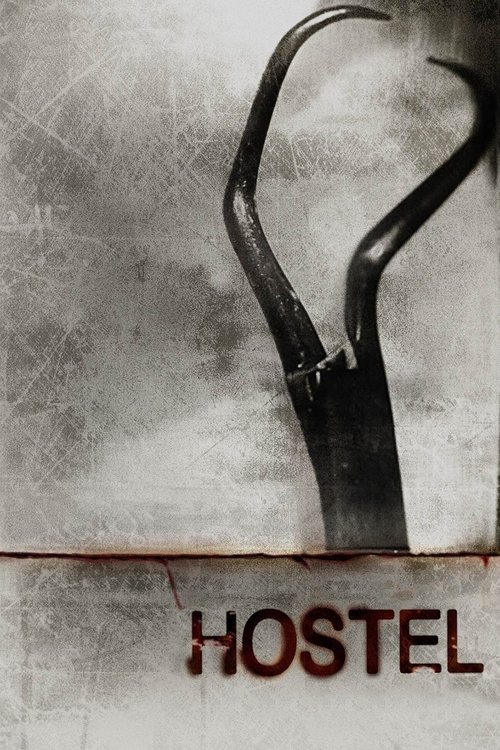
Hostel2006
Eli Roth's transgressive horror about American tourists in peril abroad. Like Martyrs, it uses elaborate torture sequences to provoke moral questions about spectatorship and desensitization, though with more genre fun.
But The torture is graphic enough to feel gratuitous rather than purposeful, and the social commentary is blunter than the French approach.
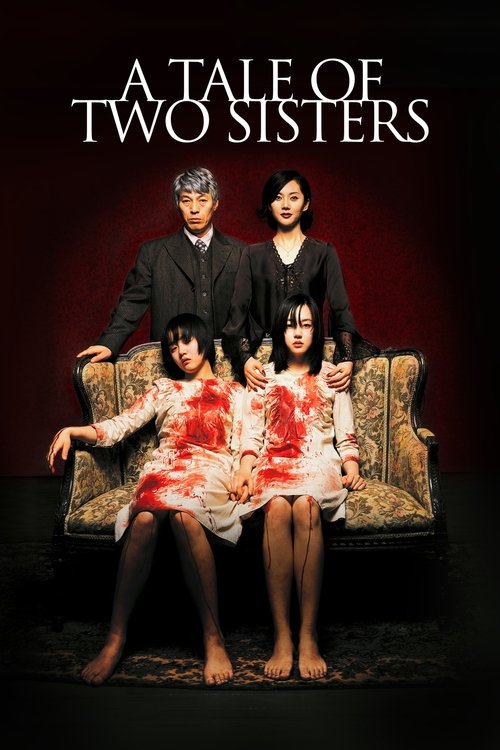
A Tale of Two Sisters2003
Korean horror that uses a fairy-tale structure to explore familial violence and madness. Visually stunning and metaphorically rich in ways that echo Martyrs' interest in suffering as mythology.
But The ambiguity of what's real can frustrate viewers looking for clear narrative answers.
Requiem for a Dream2000
Aronofsky's descent into addiction and delusion. It shares Martyrs' commitment to subjective horror and visual language that makes psychological torment as visceral as physical pain.
But The montage-heavy style and repetitive structure can feel manipulative, and the despair is relentless without philosophical payoff.

Not sure tonight? Get a pick in a minute, starting from Martyrs
The wildcard
Something you would not have found on your own.
Come and See1985
Both films argue that cinema's refusal to sanitize human cruelty is a moral act, not a transgressive one.
Elem Klimov's Soviet war film about a boy's annihilation. Like Martyrs, it uses formal extremism to render spiritual devastation as visually and psychically concrete as physical mutilation. A masterwork about how institutional machinery grinds souls.
But It is historically brutal—depicting WWII atrocities with unflinching detail. The despair is total and offers no redemption. Some will find it exploitative.

More like this (6)
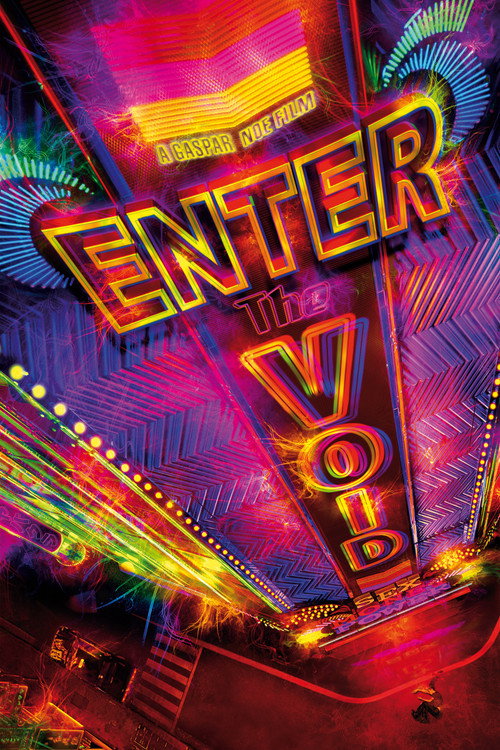
Enter the Void2010
A hallucinatory nightmare filmed almost entirely from a first-person perspective. If you're drawn to Martyrs' willingness to use extreme formal choices to create genuine unease, this is essential.
But The psychedelic pacing and near-unwatchable visual style will alienate most viewers. It's not a film you watch—it's something you endure.
The Wailing2016
A South Korean thriller that builds an architecture of guilt, faith, and paranoia across three hours. Like Martyrs, it trusts the audience to hold moral ambiguity and refuses easy answers about suffering and redemption.
But The length and narrative complexity demand active engagement. It's a puzzle box that may feel cold rather than cathartic.

Audition2000
Takashi Miike's transformation of a romance into a graphic nightmare about masculine cruelty. The tonal shift is brutal, and the violence—when it comes—carries real philosophical weight about objectification.
But The torture sequence is disturbing without context, and viewers looking for genre thrills rather than moral weight might feel it crosses a line.

Kes1970
Ken Loach's documentary-realist portrait of a boy finding grace through a hawk while his environment closes in. It explores childhood cruelty and institutional failure with the same unsentimental clarity as Martyrs.
But It's quiet, working-class British cinema from the 1960s. If you came for shock value, this will feel slow and understated.

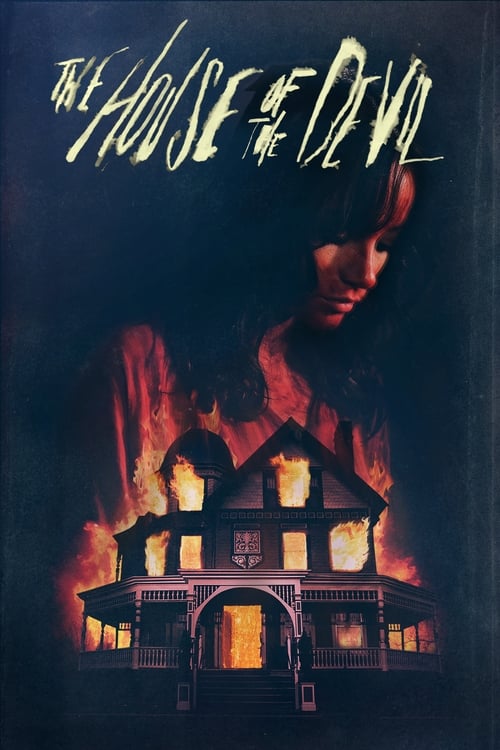
The House of the Devil2009
A period-set occult horror with genuine dread. Though far less graphic than Martyrs, it shares an interest in how institutional evil (here, a cult) operates within a veneer of normalcy.
But The slow-burn approach and jump-scare-free methodology may feel too restrained if you want the visceral intensity of Martyrs.
Possession1981
Both use the uncanny and grotesque as the visual language of interior trauma; both refuse psychological realism to get at emotional truth.
Andrzej Żuławski's fractured, operatic horror about a marriage and an octopus-thing. The connection: both use surreal, grotesque imagery to render psychological and spiritual states visible. Possession makes the abstract (dissolution, possession, love as parasitism) *body*.
But It's incomprehensible by conventional logic and revels in theatrical excess. The tone is hysterical rather than cold, which can read as campy rather than tragic.

People
Cast
 Morjana AlaouiAnna Assaoui
 Mylène JampanoïLucie Jurin
 Catherine BéginMademoiselle
 Robert ToupinFather
 Patricia TulasneMother
 Juliette GosselinMarie
 Xavier DolanAntoine
 Jean-Marie MonceletÉtienne
- Jessie PhamYoung Lucie
- Erika ScottYoung Anna
- Louise BoisvertAnna's Mother (voice)
- Isabelle ChasseCreature
Directing
- Pascal LaugierDirector
Writing
- Pascal LaugierWriter
Production
- Helene RousseCasting
- Simon TrottierCo-Producer
- Frédéric DoniguianExecutive Producer
- Marcel GirouxExecutive Producer
- Richard GrandpierreProducer
- Donald TetreaultProduction Manager
- Daniel LangloisUnit Manager
Recommended by
Annabelle: Creation, Audition, We're All Going to the World's Fair, Vivarium, Red State, The Perfection, Funny Games, Chernobyl Diaries, Curse of Chucky, Titus, Lights Out, As Above, So Below, The Loved Ones, Terrified, The American Nightmare, V/H/S, American Mary, Trouble Every Day, Hostel, The Cell, Hellraiser, Wrong Turn, Hell House LLC, Cannibal Holocaust, Gonjiam: Haunted Asylum, The Black Phone, Wolf Creek, Day of the Woman, The Human Centipede (First Sequence), Blood on Satan's Claw, Irreversible, Terrifier 2, Skinamarink, The Sadness, Killing Ground, Cabin Fever, Condemned, The Tunnel, Inferno, I Spit on Your Grave 2, La Petite Mort 2: Nasty Tapes, The Midnight Meat Train, Ghostland, The Autopsy of Jane Doe, Inside, Turistas, Frontier(s), High Tension, Eden Lake, Saint Maud, Barbarians, The Nun, Occult, Satan, Contracted, Guinea Pig Part 2: Flower of Flesh and Blood, Cold Prey, A Serbian Film, Dread, Proxy, The Horde, Marebito, Freak Out, Hospital, Stigmata, Grotesque, The Hole, The Woman, Pod, V/H/S/2, The Dark and the Wicked, The Seasoning House, Citadel, The Collection, Blind Beast, The Facility, Silent Hill: Revelation 3D, ChromeSkull: Laid to Rest 2, Don't Leave the Kids Alone, Hellevator: The Bottled Fools, We Are the Flesh, Hellbound, Hidden, Await Further Instructions, Last Breath, The Signal, Sick Nurses, Kidnapped, Baskin, Demon, Maléfique, Anatomy, Compound Fracture, D@bbe 4: The Possession, The Matriarch, See No Evil, Three... Extremes, The Watcher, Animalistic, Pizza, The Mad Hatter, The Farm, Afflicted, The Morning After, Dead Souls, Black Christmas, The Den, Darkroom, Torment, The Baby's Room, Sweet Home, The Strange Thing About the Johnsons, Dracula 3D, High Lane, He's Out There, The Maid, The Clinic, Ares, The Bay, Breathe, Crawl Space, Madness, Piggy, The Institute, Concrete, Eerie, The Guard Post, Them, Sick Boy, The Shelter, Deadgirl, The Borderlands, Evidence, Macabre, Lake Bodom, Evil Dead Trap, Three Bloody Photographs, The Collector, A Candle for the Devil, Amusement, Come Back to Me, [REC]², [REC]³ Genesis, Creep, Mirrors, Saw II, Laid to Rest, Livid, Bedevilled, The Rope Curse, Borderland, Criminal Lovers, The Visit, Nightmare Cinema, The Burning Moon, Saw III, The Executioners, The Stendhal Syndrome, We Are What We Are