
Film
Irreversible
Gaspar Noé's brutal reversal of linear storytelling: a rape, a revenge, and the countdown backward to the moment before everything broke. Told in reverse, it strips away catharsis and forces you to watch cause collapse into effect. Devastating and formally audacious. For viewers willing to sit with unbearable things.
Should you watch it?
Watch it if you want cinema that dares you to sit through its cruelty, and you're drawn to bold, formally daring films that treat moral rot as something to be stared at rather than resolved.
Skip it if you need some mercy in your stories, since its violence is prolonged and graphic, and the cruelty can feel punishing rather than illuminating.
What it asks of you: Expect long, unbroken takes, a restless camera, a pounding soundtrack, and the patience to endure scenes that refuse to look away.
Not sure? Find tonight's pick in a minute.
If you liked this
Requiem for a Dream2000
Aronofsky's descent into addiction and despair across four lives, cut to a pounding rhythm that mirrors psychological unraveling. You feel the story, not just watch it.
But Relentlessly bleak and graphic. The final sequences are designed to destroy you, and they work.

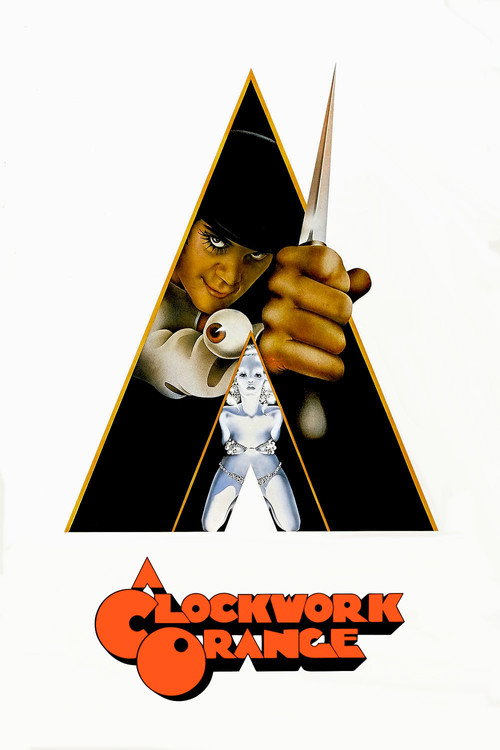
A Clockwork Orange1971
Kubrick's formal mastery applied to violence and coercion: shocking, beautiful, morally muddled. Proves a controversial film can still demand to be reckoned with.
But The sexual violence is not tasteful or distant. Some find Kubrick's cool aesthetics make brutality feel seductive rather than cautionary.
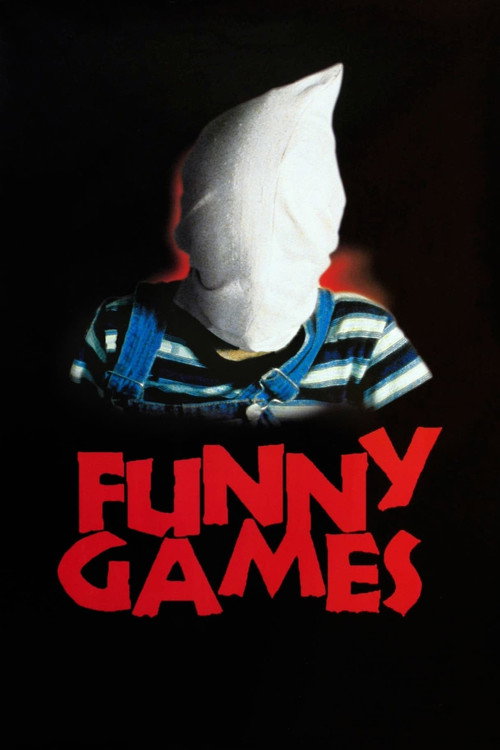
Funny Games1997
Haneke's Austrian original: home-invasion thriller that despises the audience's hunger for violence. Brilliant, hostile, and it knows exactly what you came for.
But Deliberately antagonistic to the viewer. Some see it as self-righteous; others feel toyed with rather than challenged.
Not sure tonight? Get a pick in a minute, starting from Irreversible
The wildcard
Something you would not have found on your own.
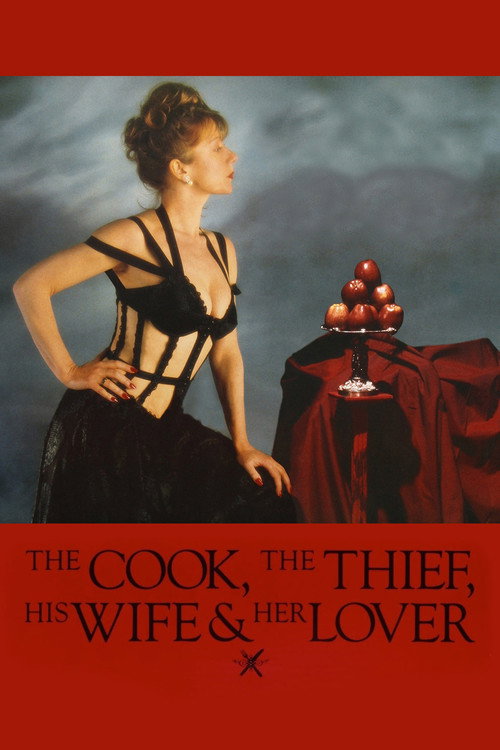
The Cook, the Thief, His Wife & Her Lover1989
Both use non-linear or formally alienating storytelling to force complicity; both refuse to let you feel okay about watching. Both believe form itself can be a moral statement.
Greenaway's operatic nightmare: baroque compositions of violence, desire, and humiliation, shot like a Baroque painting in motion. Formal brilliance in service of moral disgust.
But Deliberately repellent. The artifice is so extreme some find it cold; the cannibalism scene will alienate most viewers instantly.
More like this (7)
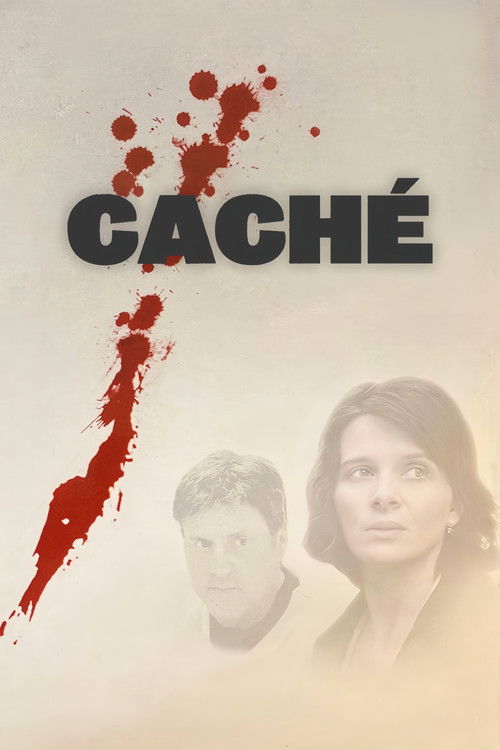
Caché2005
Haneke again: a couple tormented by unmarked videotapes, guilt, and the question of who they really are. Paranoia builds through restraint and suggestion.
But Slow-burn dread, minimal resolution. The ambiguity frustrates some viewers; others find it cowardly.
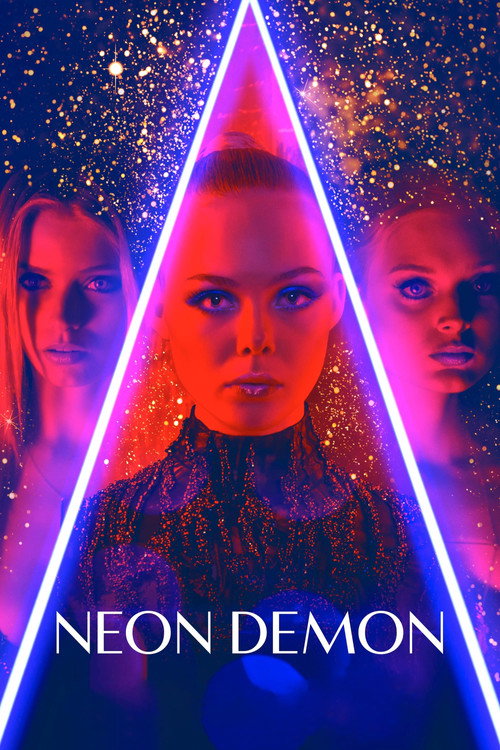
The Neon Demon2016
Refn's fever dream about beauty, consumption, and Los Angeles. Visually obliterating, featuring a supporting performance of pure menace from Jena Malone.
But Story matters less than mood and image. The pacing is glacial; the nihilism total. Not everyone wants their cinema this ornamental.
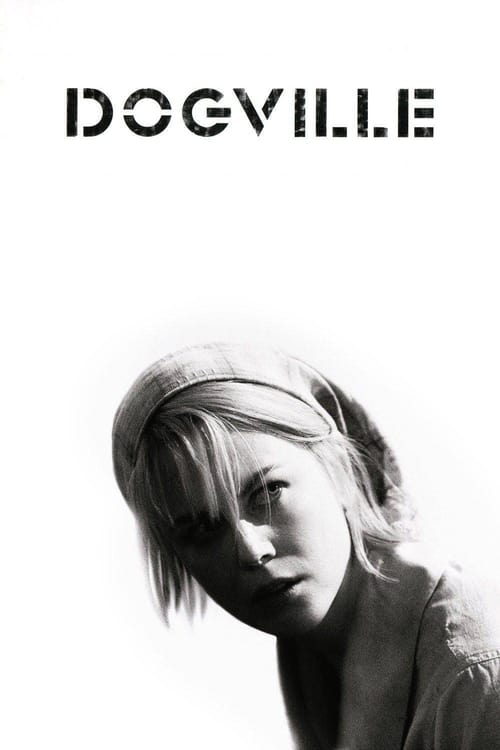
Dogville2003
Von Trier on minimalist soundstages exploring American hypocrisy and the ease with which civilization turns on the vulnerable. Narratively bold, politically urgent.
But Aggressively austere aesthetically. The final act performs violence as a corrective, which some find morally troubling rather than cathartic.
Martyrs2008
Pascal Laugier's French extremity landmark: two girls, one's past, and a cult's philosophy of transcendence through suffering. Formal mastery applied to transgression.
But Among the most graphic films ever made. The violence is not contextual flavor; it is the text itself. Most viewers will find it unwatchable.

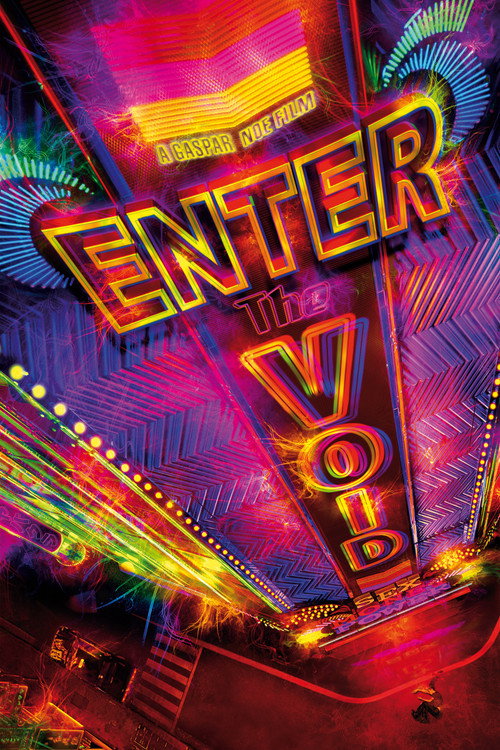
Enter the Void2010
Noé's hallucinogenic first-person afterlife in neon Tokyo. If you loved his formal ambition in Irreversible but wanted more transcendence and less despair, this is it.
But Two hours of disorienting POV footage and saturation colors. Many experience it as migraine rather than cinema.
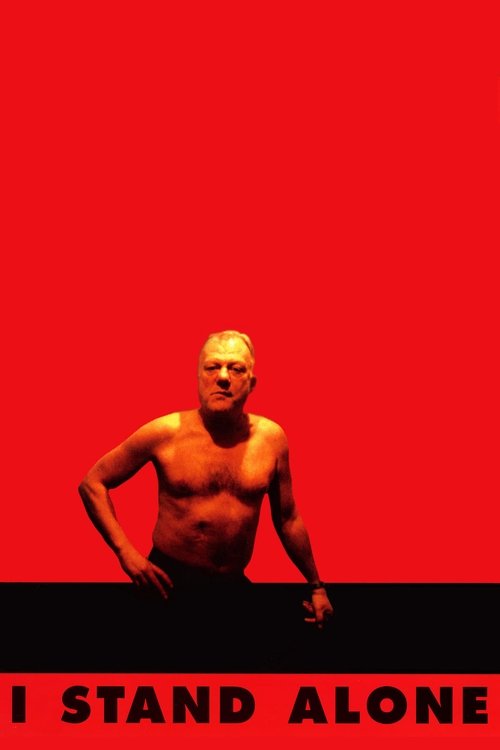
I Stand Alone1999
Same director, one film earlier. If Irreversible crystallized his obsessions, this is where they started forming. A chance to see how he makes meaning from degradation.
Gaspar Noé's own debut: a butcher's spiral into loneliness and rage across Paris, told in raw handheld close-ups. The DNA of everything he'd do after, still burning with novice fury.
But Structurally messier than Irreversible. The monologue is punishing; the misogyny is not ironic. This is Noé before he became a formalist—more primitive, harder to defend.
A Prophet2009
Both track how revenge and trauma corrode you from inside. Both show that entering the machinery of violence changes you before it changes anyone else. Both understand that justice and vengeance are not synonyms.
Audiard's prison drama: a boy enters the system innocent and emerges transformed by violence and survival. Moral intelligence without sentimentality; power dynamics rendered with surgical precision.
But Slower than its reputation suggests. The violence, though real, is not the point—the bureaucracy of degradation is. Some want more action, less patience.

People
Cast
 Monica BellucciAlex
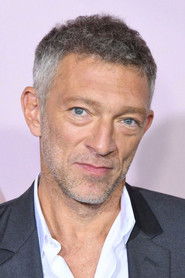 Vincent CasselMarcus
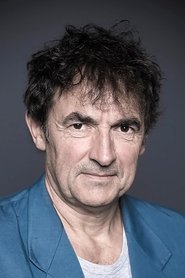 Albert DupontelPierre
 Jo PrestiaThe Tapeworm
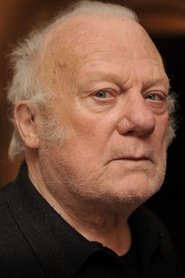
- Stéphane DrouotStéphane
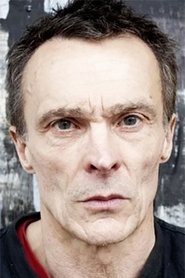 Jean-Louis CostesFistman
- Mick GondouinMick
- Mourad KhimaMourad
- Layde HellalLayde
- Dominique NatoCommissioner
- Michel FescheTaxi Driver
Directing
- Julien SelleronAssistant Director
- Gaspar NoéDirector
- Olivier Théry-LapineyFirst Assistant Director
- Stephane DerderianFirst Assistant Director
Writing
- Gaspar NoéWriter
Production
- Jacques GrantCasting
- Brahim ChiouaCo-Producer
- Gaspar NoéCo-Producer
- Richard GrandpierreCo-Producer
- Vincent CasselCo-Producer
- Emmanuel GateauConsulting Producer
- Christophe RossignonProducer
Recommended by
Crash, The Brave One, Batman: Under the Red Hood, Extremities, Climax, The Last House on the Left, Salò, or the 120 Days of Sodom, Thriller: A Cruel Picture, The Center of the World, Inside, A Serbian Film, In the Fog, Wolves at the Door, Justice League: Crisis on Two Earths, The Crimson Rivers, Titus Andronicus, Paanch, Baise-moi, The Last House on the Left, Knock Knock, Aftermath, Concrete, The Burning Moon, City Rats, Faces of Death