
Film
The Brave One
Other titles called The Brave One: the 1956 film.
Jodie Foster plays a radio host turned vigilante after a vicious assault leaves her shattered. It's a taut, morally murky thriller about trauma and the seductive logic of revenge—how violation transforms someone into their own worst fear. Propulsive and uncomfortable, it asks hard questions it doesn't entirely answer.
Should you watch it?
Watch it if you want a grim, morally knotted crime drama where the pleasure lies in watching a character's inner unraveling and the ethical unease it stirs, rather than in the action beats.
Skip it if you need a clear hero's arc or a satisfying sense of justice; the film stays murky about what it thinks, and its violence is tough to sit through without flinching.
What it asks of you: Settle in for just over two hours of brooding, mostly quiet scenes punctuated by sharp bursts of violence, with little relief and plenty of uncomfortable silence.
Not sure? Find tonight's pick in a minute.
If you liked this
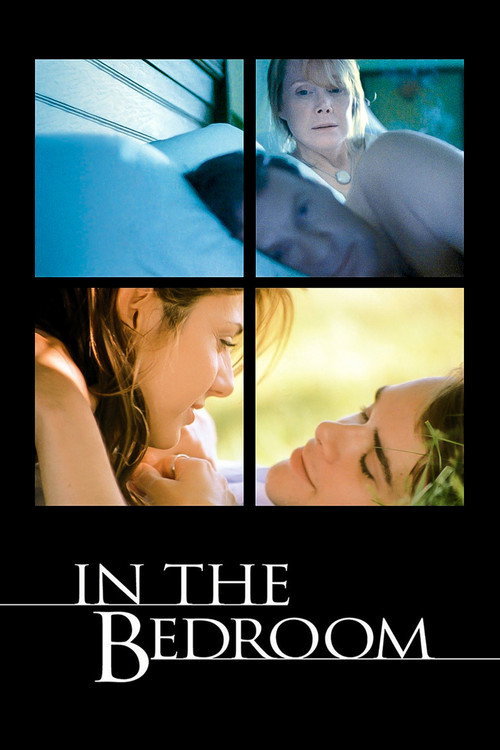
In the Bedroom2001
A grieving couple pursues the man responsible for their son's death. Like *The Brave One*, it's a measured exploration of how loss corrodes restraint and turns ordinary people toward vengeance, with performances that break your heart.
But It's deliberately slow and emotionally exhausting. The climax arrives quietly, not with the catharsis revenge fantasies usually promise.
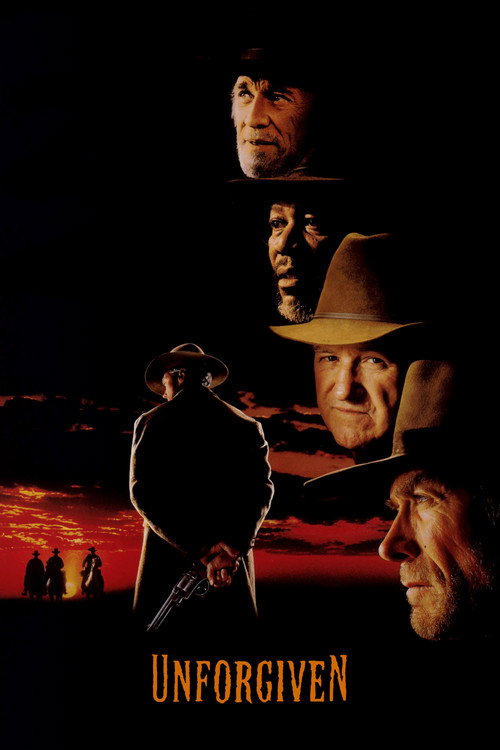
Unforgiven1992
Clint Eastwood's aging outlaw dragged back into violence one last time. Both films interrogate the mythology of the avenger and suggest that violence is never as clean or redemptive as we want it to be.
But It's a Western, which might feel distant, and its meditation on morality moves at a deliberate pace.
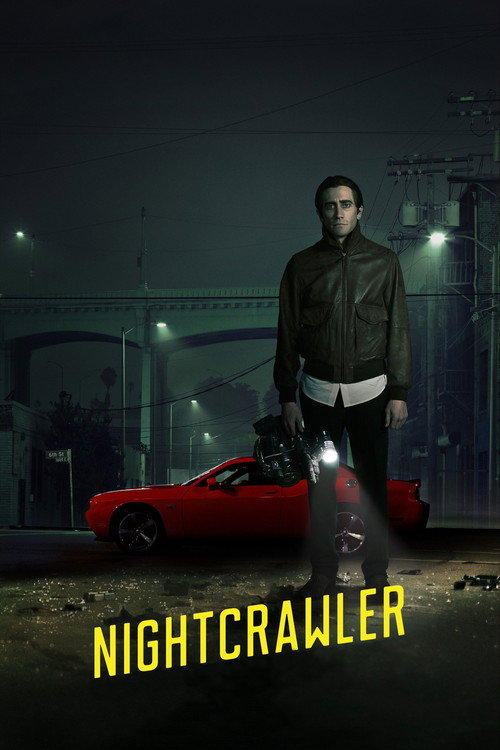
Nightcrawler2014
Jake Gyllenhaal as an amoral stringer who films crime scenes for news stations. Like *The Brave One*, it's a character study about someone who slips into a dark logic and justifies increasingly disturbing choices to themselves.
But The protagonist is reprehensible and the film never lets you off the hook with easy judgment or sympathy.
Not sure tonight? Get a pick in a minute, starting from The Brave One
The wildcard
Something you would not have found on your own.
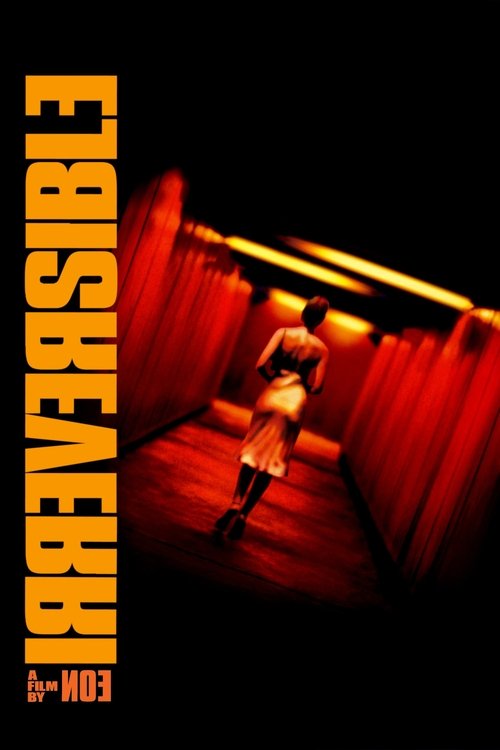
Irreversible2002
Both films are shaped by a violent act and its psychological aftermath, but where *The Brave One* asks what happens after, *Irréversible* asks what comes before—they're mirror images of trauma's architecture.
Gaspar Noé's devastating film about assault and its aftermath, told in reverse chronological order. It doesn't offer revenge as a solution; instead it shows time moving backwards toward the moment before trauma, making the temporal structure itself an expression of grief and the desire to undo what cannot be undone.
But It contains one of cinema's most brutal and extended depictions of sexual violence. It's not cathartic or comfortable. Many find it unwatchable by design.
More like this (8)
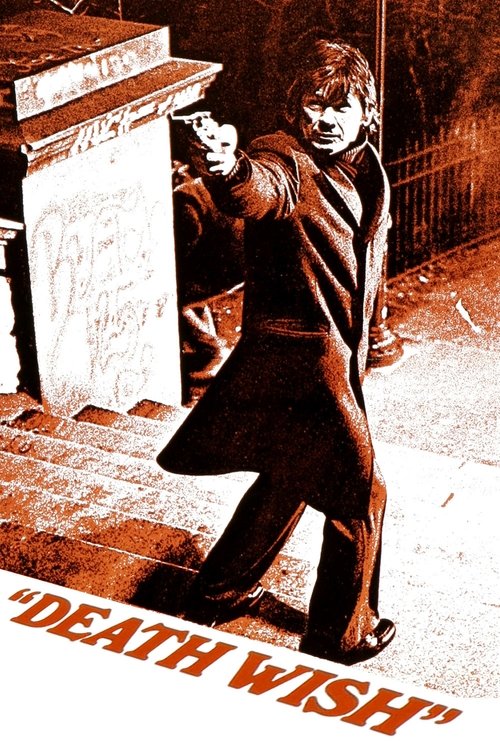
Death Wish1974
Charles Bronson as a man whose family is violated, who becomes a street vigilante. It's the spiritual ancestor of *The Brave One*—the same story told with 1970s grit and an unflinching view of how violence begets violence.
But It's dated and crude by modern standards, and its politics are complicated in ways the film doesn't fully reckon with.
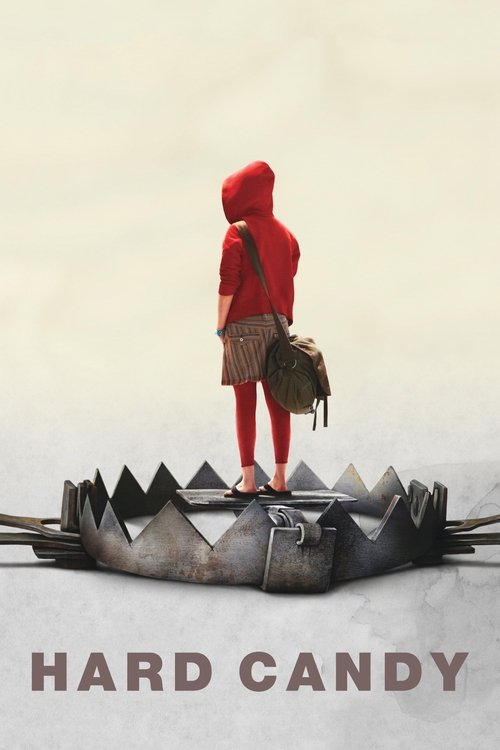
Hard Candy2006
A teenage girl turns the tables on a predator with methodical precision. It shares *The Brave One*'s interest in how violation can transform someone into an instrument of retribution, and it's genuinely unsettling.
But It's deliberately provocative and the violence is intimate and hard to watch. Some will find it exploitative rather than interrogative.
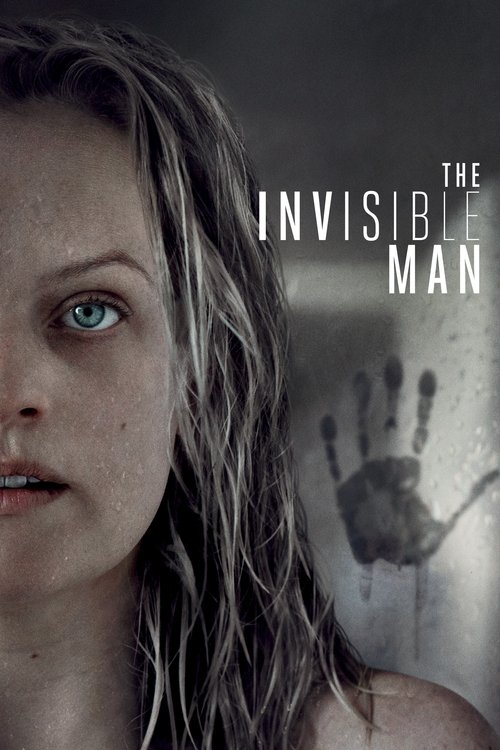
The Invisible Man2020
Elisabeth Moss plays a woman terrorized by an abusive ex who's found a way to become invisible. It recasts abuse as a thriller and examines how violation makes you question your own sanity and judgment—a different angle on the same wound.
But It's science fiction dressed as psychological drama, which some find gimmicky. The metaphor can feel heavy-handed.
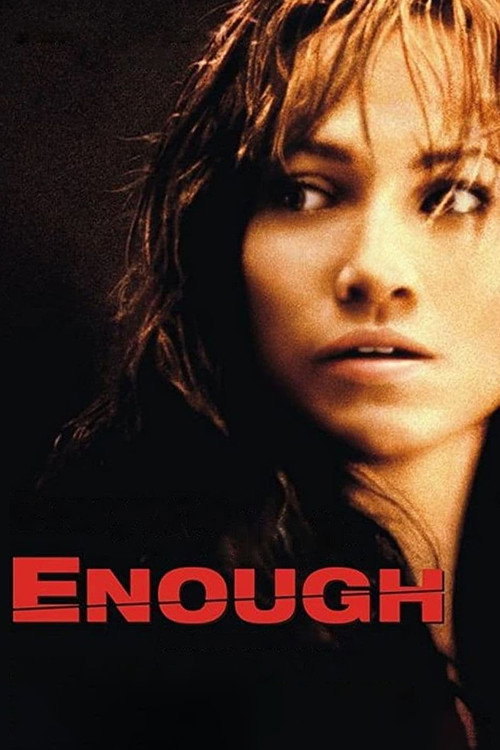
Enough2002
Jennifer Lopez plays an abused woman who stops running and starts fighting back. It's pulpier than *The Brave One* but animated by the same question: when does survival become something darker?
But It's more conventional thriller than moral interrogation, and the script doesn't always match the commitment of the performances.
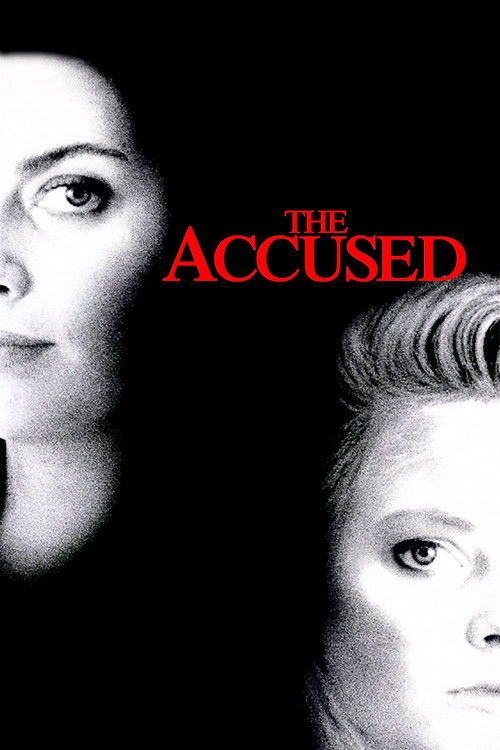
The Accused1988
Jodie Foster herself in a harrowing film about a woman who fights for justice after assault. It's a legal thriller, not a revenge thriller, but it grapples with the same violation and the question of what constitutes accountability.
But The assault scene is graphically depicted and remains difficult to watch. It's trauma cinema, not entertainment.
A Prophet2009
A young man enters prison and systematically transforms himself into someone dangerous and calculating. It's a character study about moral degradation and the logic of survival in a hostile system—thematically aligned with *The Brave One*.
But It's French, subtitled, and nearly two and a half hours. The prison world is opaque and sometimes hard to parse.

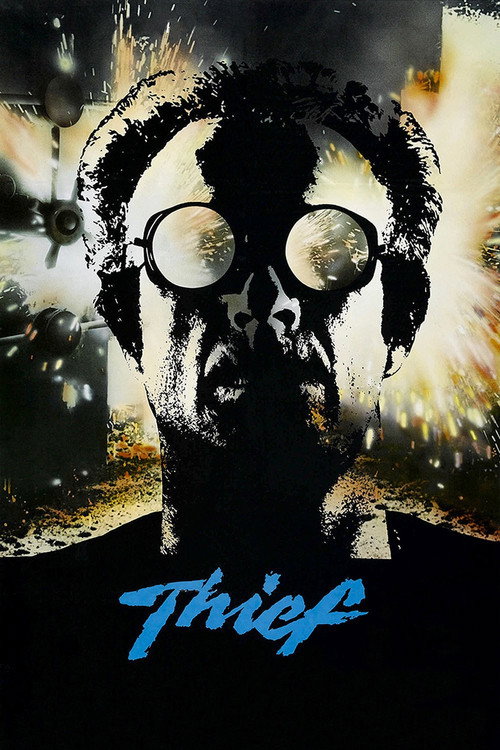
Thief1981
Both protagonists are people trying to maintain a public identity (radio host, professional thief) that collapses under pressure, forcing them back toward violence as the only language they now fluently speak.
Michael Mann's neon-soaked masterpiece about a professional criminal trying to build a normal life before being pulled back into the underworld. It shares *The Brave One*'s preoccupation with how an identity forged in violence can never be fully shed, even when you want it gone.
But It's stylized 1980s Mann—cool and distant rather than emotionally immediate. The plot is familiar crime-film machinery. Some will find it too aestheticized to feel real.
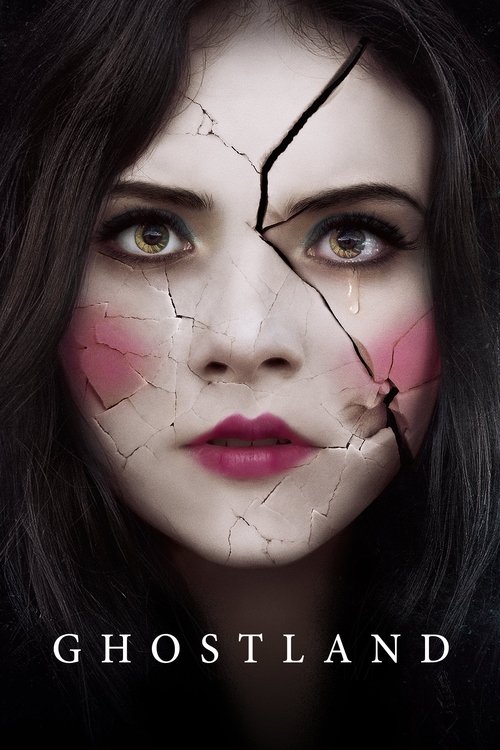
Ghostland2018
Both films use the protagonist's perspective to blur the line between actual retribution and the revenge fantasies that trauma breeds, asking whether the distinction even matters if the psychological wound is the same.
Pascal Laugier's haunted-house film that's actually a trauma narrative told through genre. Two sisters survive a home invasion; years later, the film suggests the line between memory, fantasy, and revenge is porous and unreliable—what you remember doing might not be what happened.
But It's deliberately disorienting and the twist asks you to reframe everything you've watched. If you hate unreliable narratives or ambiguity about what's real, this will frustrate you deeply.
People
Cast
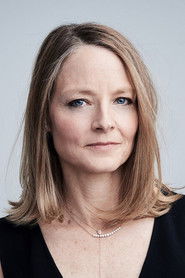 Jodie FosterErica Bain
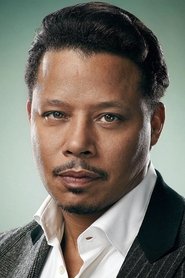 Terrence HowardDetective Mercer
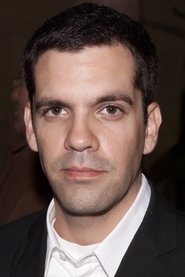 Nicky KattDetective Vitale
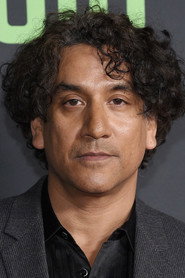 Naveen AndrewsDavid Kirmani
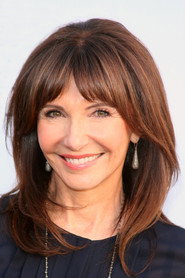 Mary SteenburgenCarol
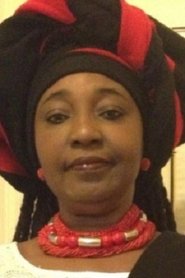 Ene OlojaJosai
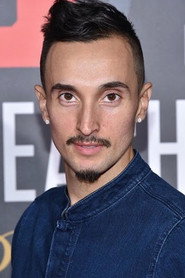
- Blaze FosterCash
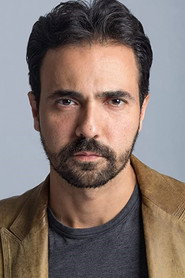 Rafael SardinaReed
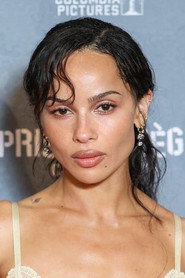 Zoë KravitzChloe
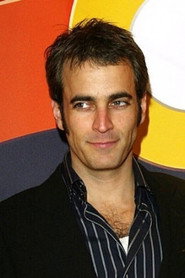 Gordon MacDonaldMurrow
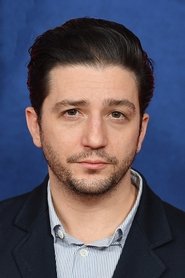 John MagaroEthan
Directing
- Neil JordanDirector
- Richard PatrickFirst Assistant Director
- Mary CybulskiScript Supervisor
- Michael PittSecond Assistant Director
Writing
- Bruce A. TaylorScreenplay
- Cynthia MortScreenplay
- Roderick TaylorScreenplay
- Bruce A. TaylorStory
- Roderick TaylorStory
Production
- David H. KramerADR Voice Casting
- Aaron AuchAssociate Producer
- Laura RosenthalCasting
- Rori BergmanCasting Assistant
- Ali FarrellCasting Associate
- David GambinoCo-Producer
- Bruce BermanExecutive Producer
- Dana GoldbergExecutive Producer
- Herb GainsExecutive Producer
- Jodie FosterExecutive Producer
- Robert T. StriemLocation Manager
- Joel SilverProducer
- Susan DowneyProducer
- Sonny RitscherProduction Accountant
- Ellen HoulihanProduction Assistant
- Joe CicchesiProduction Assistant
- Kramer LucasProduction Coordinator
- Max A. ButlerProduction Secretary
- Sara FlammProduction Supervisor
- Herb GainsUnit Production Manager
- Ray QuinlanUnit Production Manager