
Film
Baise-moi
- Crime
- Very dark
A furious, stylistically uncompromising French film about two women who meet by chance and embark on a spree of sex and violence across Paris. Shot with deliberate harshness and minimal plot, it's an assault on the senses designed to provoke discomfort. For viewers interested in transgressive cinema as provocation rather than entertainment.
Should you watch it?
Watch it if you want a raw, unpolished crime story that treats its furious outlaws as people with a grievance, and you can take brutal violence and explicit sex without needing either one redeemed.
Skip it if you need warmth, a clear moral frame or a story that earns its shocks; this is confrontational, sexually explicit and rarely lets you settle into it.
What it asks of you: Seventy-seven minutes, and it moves quickly and bluntly, with little breathing room and few quiet moments; expect to stay alert from the first scene onward.
Not sure? Find tonight's pick in a minute.
If you liked this
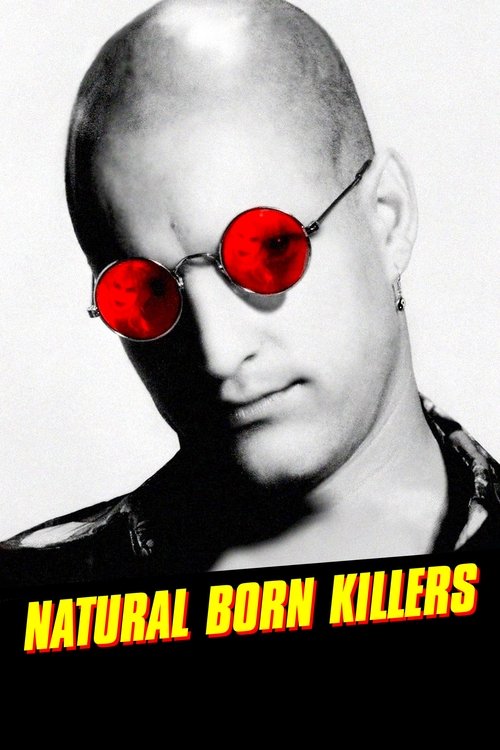
Natural Born Killers1994
Oliver Stone's gleeful road movie about lovers on a killing spree. It has the same anarchic energy and media-baiting impulse, with a soundtrack that never stops screaming.
But Stone's film is glossier and more interested in spectacle than Baise-moi. If you want provocation without style, this might feel too calculated.
A Prophet2009
Jacques Audiard's masterpiece about a prisoner's rise inside a brutal system. Raw, visceral, and absolutely unsentimental about violence and power.
But It's a three-hour prison drama with subtitles. No sex, fewer shock tactics, much more patience required.

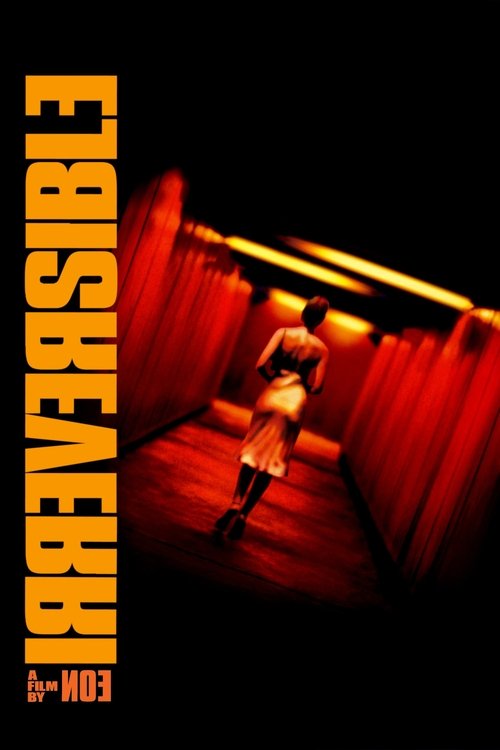
Irreversible2002
Gaspar Noé's equally notorious French film that forces you to sit with extreme ugliness. Both films reject comfort and narrative convention in service of their rage.
But It's genuinely harder to watch. If you found Baise-moi testing, this will test you further. Noé is less playful.
Not sure tonight? Get a pick in a minute, starting from Baise-moi
The wildcard
Something you would not have found on your own.
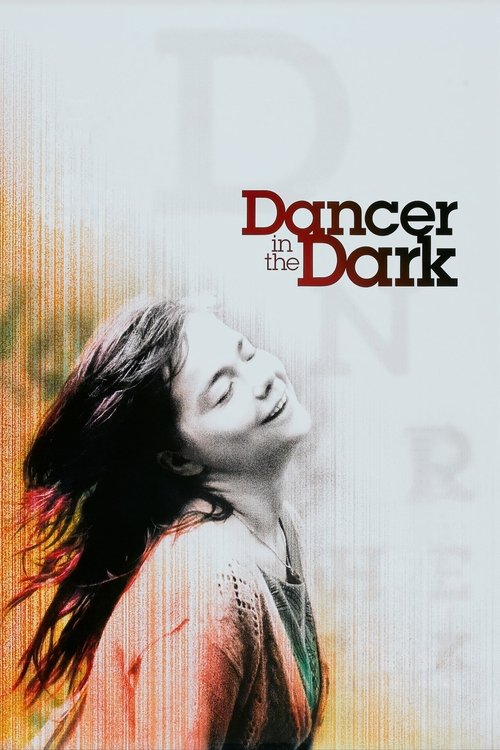
Dancer in the Dark2000
Both 2000 European films starring non-traditional actresses, both about women meeting violence head-on. Baise-moi says yes; Dancer in the Dark says no. Same moment, opposite philosophies.
Lars von Trier's Icelandic film is also from 2000 and also features a woman trapped by circumstance and brutality. It's a musical—devastated songs interrupt documentary-style suffering—and it's arguably even more agonizing to watch.
But It reaches for tragedy and Brechtian alienation rather than shock value. The transgression is formal and emotional, not visceral. Demands you feel, not just register discomfort.
More like this (8)
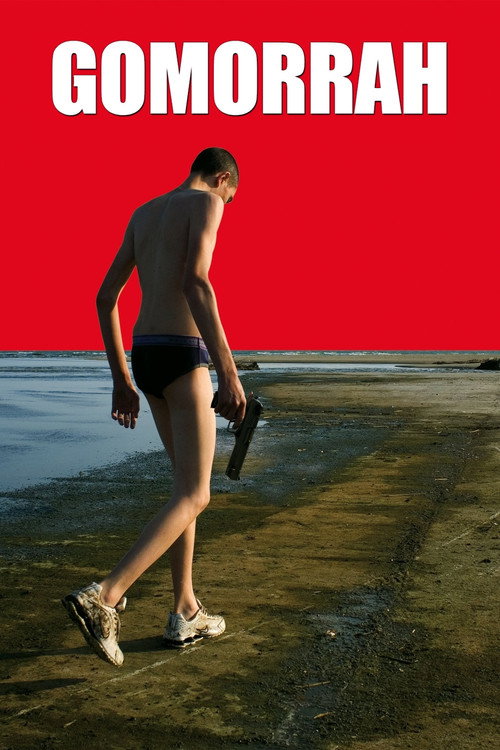
Gomorrah2008
Matteo Garrone's Neapolitan crime saga treats organized violence as quotidian and unglamorous. Bleakly observed, structurally bold, genuinely dangerous feeling.
But Slower paced. This is social realism about crime, not nihilistic provocation. The register is altogether different.
In the Mood for Love2000
Wong Kar-wai's 2000 masterpiece is the opposite pole: gorgeous, measured, about longing rather than violence. Both are radical interventions in cinema from the same year.
But If you're seeking transgression, this is its elegant refusal. Patience required; beauty instead of shock.

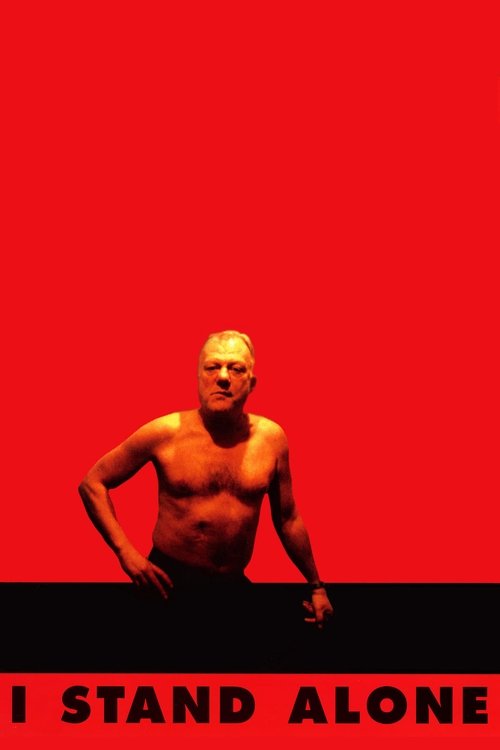
I Stand Alone1999
Gaspar Noé again, a solo monologue of hatred and isolation that predates Baise-moi. The same commitment to misanthropy, with only a voice and a man.
But Even more austere. If Baise-moi felt thin on story, this is thinner still.
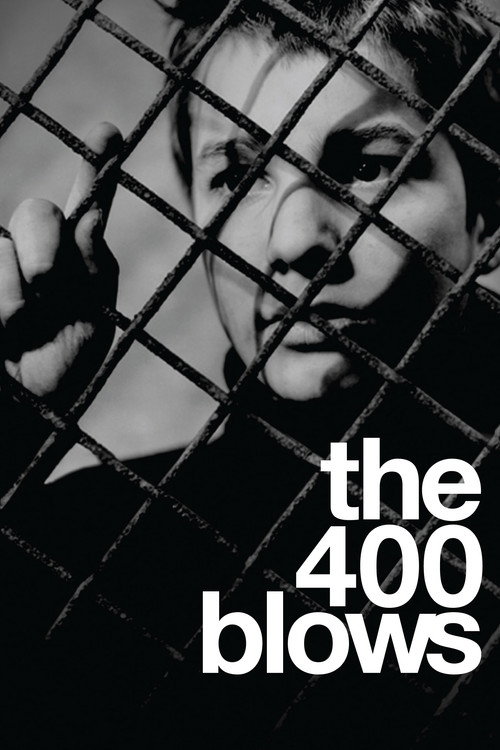
The 400 Blows1959
Truffaut's portrait of a young drifter trapped in adult systems. Different era, different genre, but the same French cinema DNA—observation over judgment.
But Entirely gentle. A coming-of-age film from the French New Wave. You'll have to trust that cinema is cinema.
Under the Skin2014
Jonathan Glazel's alien fable uses minimal dialogue and maximum unease. Both films are about presence and mood over narrative satisfaction.
But Much slower, much stranger, and the violence is metaphorical. Some find it pretentious rather than radical.

Requiem for a Dream2000
Aronofsky's descent into addiction and degradation. Frantic editing, no heroes, no redemption. The same commitment to ugly truth, different structure.
But Actually has emotional weight and characters you invest in. If you wanted pure surface and transgression, this wants your heart too.

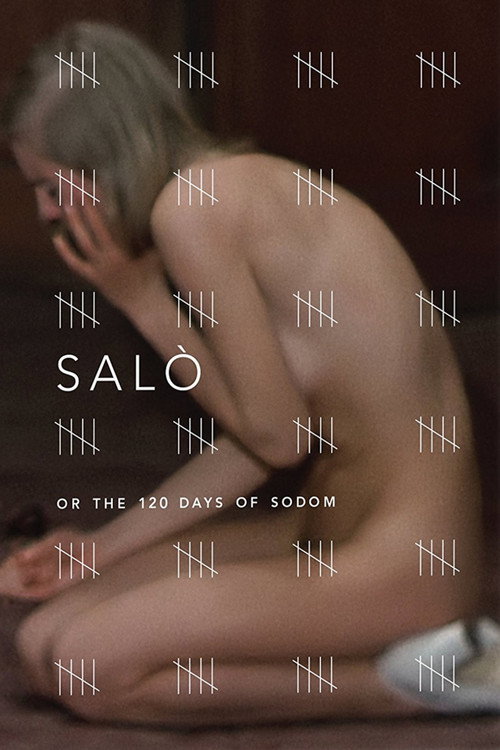
Salò, or the 120 Days of Sodom1976
Both use explicit sex and violence as weapons against bourgeois cinema. Both are banned or contested. But Pasolini is a poet; Virginie Despentes is angrier and less forgiving. One is political; one is pure fury.
Pasolini's notorious final film is transgression with serious intent—an allegory about fascism using extreme content as language. If you're interested in provocation as argument, not just provocation for its own sake.
But Genuinely horrific, not just shocking. Harder to defend aesthetically, harder to enjoy. Made by someone with something urgent to say via obscenity.
The Holy Mountain1973
Both are artefacts of their director's vision with no regard for commercial cinema. Both are defended by cultists and dismissed by everyone else. Both use the body as text. Both believe cinema should unseat you.
Jodorowsky's surrealist odyssey is maximalist where Baise-moi is minimal, but both reject narrative sense and audience comfort. Sexual, violent, inexplicable, made by an artist who wants to bypass your brain entirely.
But A 93-minute avant-garde riddle. No plot resolution, intentional obscurity, the opposite of clarity. If you wanted provocation to lead somewhere, this leads nowhere—which is the point.

People
Cast
 Karen LancaumeNadine

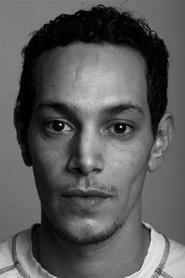 Ouassini EmbarekRadouan
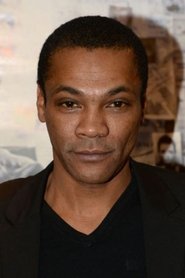 Adama NianeMan in Pool Hall
 Marc BarrowHotel Receptionist
- Patrick EudelineFrancis
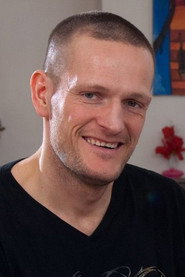 Ian ScottRapist
 Zenza RaggiBig Guy
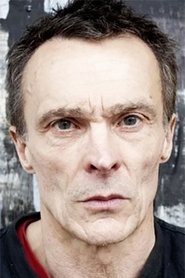 Jean-Louis CostesMan in Swinger Club
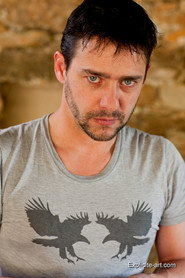 TitofCute Guy
 Delphine McCartyRoommate
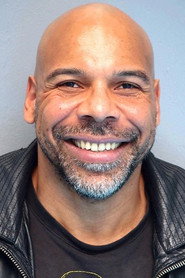 Patrick Kodjo TopouWanted
Directing
- Coralie Trinh ThiDirector
- Virginie DespentesDirector
Writing
- Virginie DespentesNovel
- Coralie Trinh ThiScreenplay
- Virginie DespentesScreenplay
Production
- Dominique ChironExecutive Producer
- Philippe GodeauProducer