
Film
Dancer in the Dark
Lars von Trier's devastating musical about a Czech factory worker going blind, caring for a sick son, and slowly crushed by circumstance. Björk gives a raw, aching performance; the film intercuts grim realism with sudden, heartbreaking song-and-dance sequences that transform despair into art. It's visionary and punishing—for those ready to have their hearts broken.
Should you watch it?
Watch it if you love musicals bent out of shape, where the rhythm of machinery becomes the score for a hard life, and you can take a story that keeps tightening.
Skip it if you want a light evening or a gentle pace, since this is long, bleak and unrelenting, with few moments that let the air out.
What it asks of you: 140 minutes of sustained unease, shot with a jittery handheld camera, where the mood tightens in long stretches rather than releasing you.
Not sure? Find tonight's pick in a minute.
If you liked this
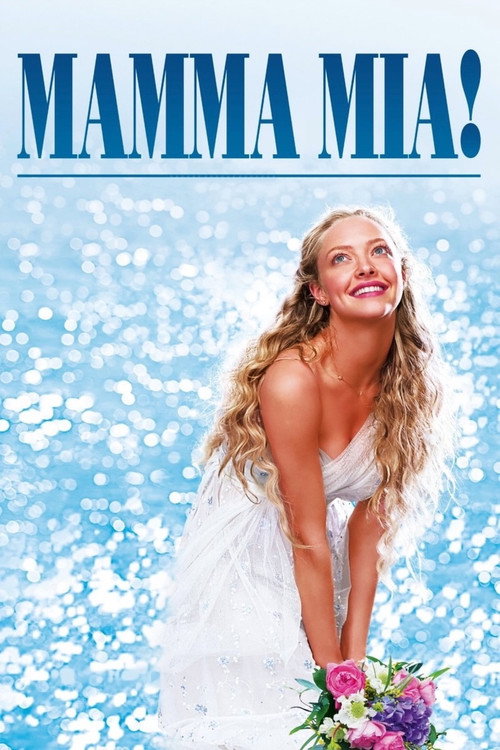
Mamma Mia!2008
A joyful, sun-drenched musical that proves the genre can heal rather than wound. If you loved how *Dancer in the Dark* uses music as emotional release, this shows the opposite side—pure euphoria and community. It's the antidote.
But Agnetha and Frida deserve better than Meryl Streep and Pierce Brosnan. It's broad, obvious, and unashamed of either fact.
Requiem for a Dream2000
Another 2000 masterpiece about people crushed by circumstance and addiction, told with kaleidoscopic formal ambition. It has the same refusal to look away, the same sense of inexorable tragedy, but without the musical breaks—just relentless, hypnotic style.
But Darren Aronofsky's maximalism can feel exploitative. The four-way descent is grueling in a way that some will find self-pitying rather than tragic.

Singin' in the Rain1952
The greatest argument for what musicals can do: transform the world through movement and sound. It has the structural opposite of *Dancer*—pure artifice and joy—but that same belief that songs contain truth reality can't express alone.
But It's 1952 optimism from a studio system. If you're coming from von Trier, the cheerfulness might feel naive or even obscene.

Not sure tonight? Get a pick in a minute, starting from Dancer in the Dark
The wildcard
Something you would not have found on your own.
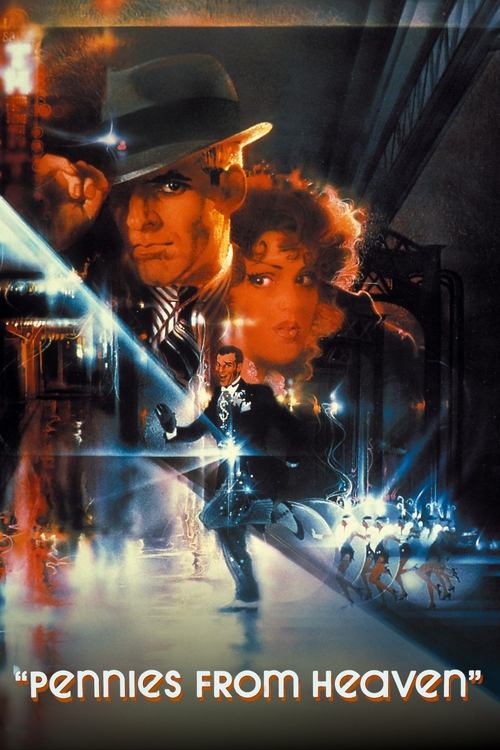
Pennies from Heaven1981
Both use musical interludes as the only honest escape from a world that has failed their characters. Both films insist that beauty is not relief—it's the thing that makes suffering unbearable.
Dennis Potter's musical drama: Depression-era teachers and sheet-music salesmen interrupted by sudden, transcendent big-band numbers. It's *Dancer in the Dark's* exact ancestor—the same collision of grinding reality and impossible beauty, but in '30s monochrome.
But It's structurally uneven and feels airless. Some will find it sentimental rather than tragic, and the ending has aged poorly.
More like this (6)
The Seventh Seal1957
Bergman's medieval masterpiece about mortality and meaning, shot in stark black-and-white. Like *Dancer*, it's formally gorgeous and philosophically unsparing, built from images you can't unsee. A perfect companion piece.
But It moves slowly and expects you to sit with existential dread for two hours. Death plays chess with a knight. If that doesn't intrigue you, nothing will.

Mulholland Drive2001
Naomi Watts gives a performance of fractured yearning in David Lynch's Los Angeles nightmare. Like *Dancer*, it uses performance and dreams to explore how fragile happiness is, but through noir and paranoia instead of musicals.
But The narrative collapses halfway through and never reforms. If you need plot resolution, you'll leave frustrated.

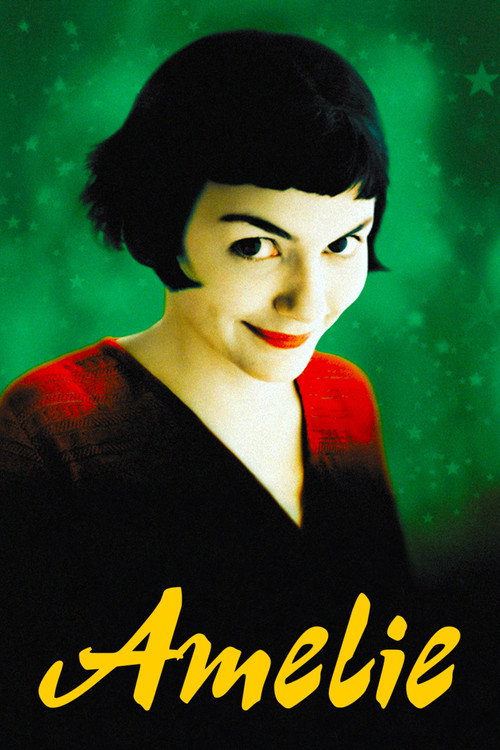
Amélie2001
Jeunet's whimsical Paris fantasy uses visual invention and magical realism to show how small acts of kindness matter. It's earnestly hopeful where *Dancer* is tragic, but both believe art and imagination can redeem ordinary suffering.
But It's relentlessly cute and whimsical. After *Dancer in the Dark*, the saccharine may feel insulting rather than comforting.
Stalker1979
Tarkovsky's slow, meditative sci-fi about desire and meaning. It has *Dancer's* formal ambition and refusal to comfort, building philosophical weight through long takes and silence rather than song. Hypnotic.
But Twelve minutes of it is a man in a train. If you don't love Tarkovsky's pace, this will test you severely.

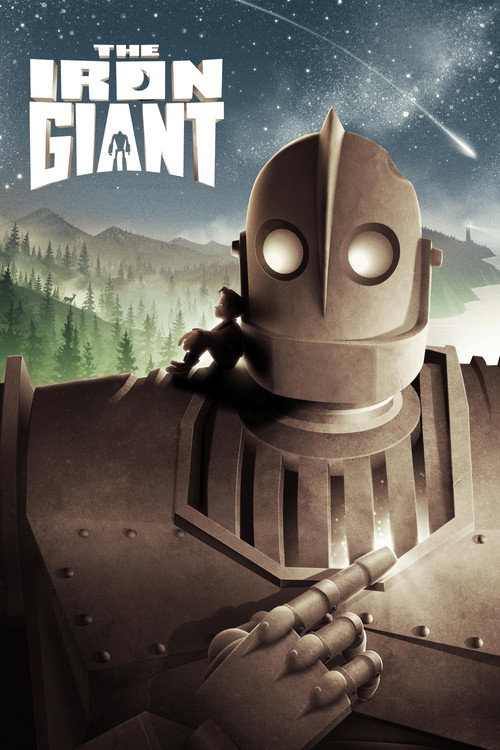
The Iron Giant1999
An animated film about a boy protecting a giant robot, shot through with Cold War anxiety and the fantasy that love can prevent tragedy. It has *Dancer's* heartbreak and formal beauty, but channels it into something almost gentle.
But It's a family film, which can feel lightweight if you're seeking the existential weight of von Trier. The resolution is hopeful in a way that might feel naive.
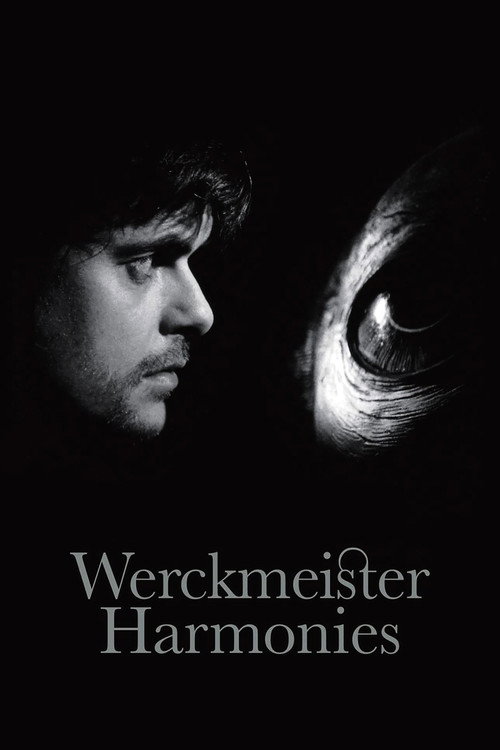
Werckmeister Harmonies2001
Both are released in the same year and both insist that formal beauty and narrative despair can coexist. Both believe cinema itself—the *look* of things—is where meaning lives.
Béla Tarr's Hungarian monochrome epic about a whale arriving in a town and the apocalypse that follows. Shot in 30-minute takes, it's hypnotically formal and philosophically bleak. No one makes despair as visually gorgeous as Tarr.
But It's black-and-white, 145 minutes, Hungarian, and almost plotless. There are long scenes of nothing. It asks more patience than most viewers have.
People
Cast
 BjörkSelma Jezkova
 Catherine DeneuveKathy
 David MorseBill Houston
 Peter StormareJeff
 Joel GreyOldrich Novy
 Cara SeymourLinda Houston
- Vladica KosticGene Jezkova
 Jean-Marc BarrNorman
 Vincent PatersonSamuel
 Siobhan Fallon HoganBrenda
 Željko IvanekDistrict Attorney
 Udo KierDr. Porkorny
Directing
- Linda DaaeContinuity
- Lars von TrierDirector
- Anders RefnFirst Assistant Director
- Caroline Sascha CogezSecond Assistant Director
- Anders RefnSecond Unit Director
Writing
- Lars von TrierLyricist
- SjónLyricist
- Lars von TrierWriter
Production
- Khalil Al HarbitiAssistant Location Manager
- Jonas OvertonAssistant Unit Manager
- Anja GrafersAssociate Producer
- Els VandevorstAssociate Producer
- Finn GjerdrumAssociate Producer
- Fridrik Thor FridrikssonAssociate Producer
- Mogens GladAssociate Producer
- Poul Erik LindeborgAssociate Producer
- Tero KaukomaaAssociate Producer
- Torleif HaugeAssociate Producer
- Avy KaufmanCasting
- Joyce NettlesCasting
- Lars JönssonCo-Executive Producer
- Marianne SlotCo-Executive Producer
- Peter Aalbæk JensenExecutive Producer
- Chris SangerExecutive Producer's Assistant
- Peter GardeFinance
- Malte ForssellLine Producer
- Tony GrobLine Producer
- Daniel GyllingLocation Manager
- Leo PescaroloProducer
- Vibeke WindeløvProducer
- Cecilie RuiProducer's Assistant
- Charlotte PedersenProducer's Assistant
- Pia NielsenProducer's Assistant
- Carsten SparwathProduction Assistant
- Cecilie KølpinProduction Assistant
- Charlotte PedersenProduction Assistant
- Louise GrosellProduction Coordinator
- James WilsonProduction Executive
- Malini AhlbergProduction Manager
- Andreas MartinsenProduction Runner
- Christian TafdrupProduction Runner
- Mattias AnderssonProduction Runner
- Mario LocurcioPublicist
- Roger FairesSecond Unit Location Manager
- Line SpanningTravel Coordinator
- Anders BarleboUnit Manager
- Joakim HöglundUnit Manager
Recommended by
4 Months, 3 Weeks and 2 Days, P-Valley, Stoker, Dogville, Apostasy, The Rose Seller, Lilya 4-ever, The Sweet Hereafter, The Broken Circle Breakdown, The Magdalene Sisters, Kevin Can F**k Himself, Southland Tales, Studio 54, The Glass Castle, Biutiful, Breaking the Waves, Mysterious Skin, Ladybird Ladybird, Black Beauty, A World Apart, Renaissance: A Film by Beyoncé, Godspell, East Side Story, Staying Alive, The Laramie Project, Yuli, Polytechnique, I Stand Alone, The Runaways, Hadewijch, Stormy Weather, L.I.E., Lords of Chaos, I Lost My Body, Vox Lux, The Cement Garden, The War Zone, Love Exposure, Under the Skin, West Side Story, The Stoning of Soraya M., Pleasure, Exotica, Summer Interlude, Vivre Sa Vie, London Road, Le Bal, The Snapper, Dreams of a Life, Oasis, Her Body, The Whale, Consuming Spirits, Matador, Harsh Times, I Am a Girl, King of Devil's Island, The Prosecutor, the Defender, the Father and his Son, Copacabana, Baise-moi, M4M: Measure for Measure, Party Girl, EastEnders: E20, The Present, Fat Girl, Ballerina, The Crime of Padre Amaro, 24 Weeks, Angela, Little Voice, The Art of Losing, Naná, My King, Before the Frost, The Cup, White Material, Street Kings, Shadowboxer, Berlin Blues, Romance & Cigarettes, The Long Farewell, Lipstick, Kisses, Always, Claire Dolan, I'm So Excited!, Delta, The Child, Wallander: The Photographer, Open Hearts, The Story of Piera, Rigoletto, The Invisibles, Madeinusa, High School Musical 3: Senior Year, Daisy Diamond, Bullhead