
Film
Madeinusa
- Social drama
- Strange
Madeinusa is a provocative Peruvian drama about a young woman in an isolated mountain village where a bizarre religious custom permits lawlessness during Easter weekend. Director Claudia Llosa crafts a surreal, unsettling portrait of tradition, desire, and the violence lurking beneath community bonds. Challenging and deliberately transgressive, it's for viewers willing to sit with discomfort.
If you liked this
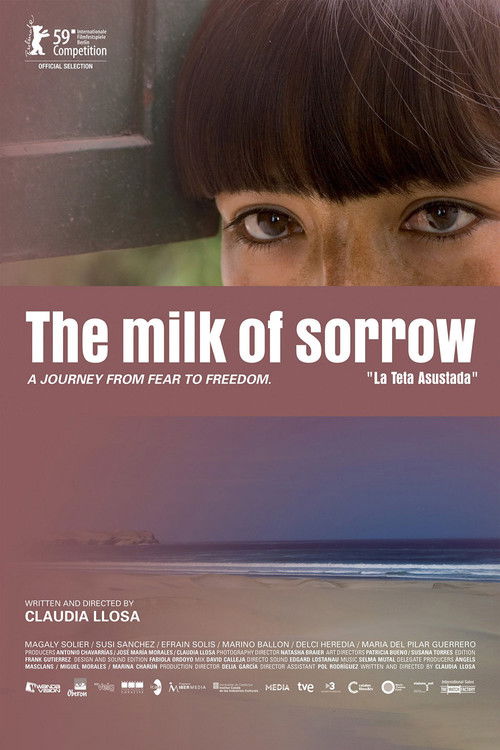
The Milk of Sorrow2009
Claudia Llosa's follow-up is equally visionary but more formally restrained, exploring trauma and memory through magical realism. Her signature style—haunting, deliberately paced, symbolism-dense—matures here into something more accessible without losing its strangeness.
But The narrative is oblique and the pace meditative. If you want plot clarity and conventional storytelling, this will frustrate you.
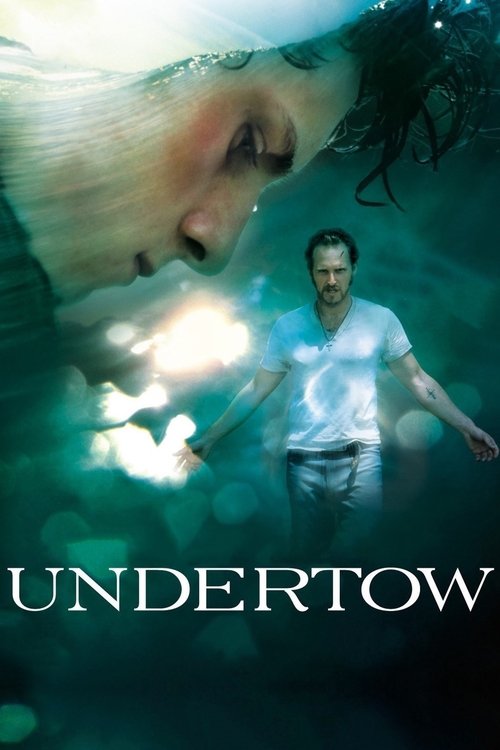
Undertow2004
A Colombian drama about a machismo-bound man, his lover, and the violence that erupts when desire threatens tradition. Like Madeinusa, it's unflinching about sexuality and power, set in a claustrophobic community where unspoken rules dominate.
But Brutally bleak and sexually explicit. The ending offers no catharsis, only resignation and loss.
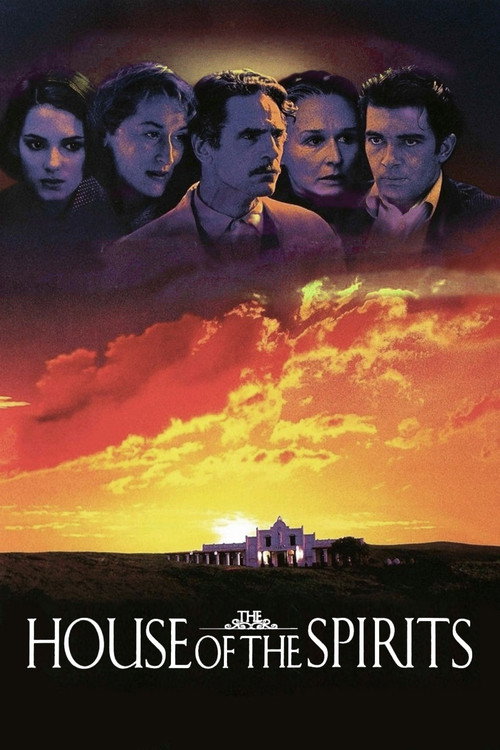
The House of the Spirits1993
Isabel Allende's multigenerational saga spans decades and political upheaval in South America, balancing magical realism with intimate family drama. It has Madeinusa's interest in how tradition binds and wounds communities across time.
But Star-studded Hollywood adaptation that, while beautiful, smooths rough edges and settles into conventional melodrama by the end.
Not sure tonight? Get a pick in a minute, starting from Madeinusa
The wildcard
Something you would not have found on your own.
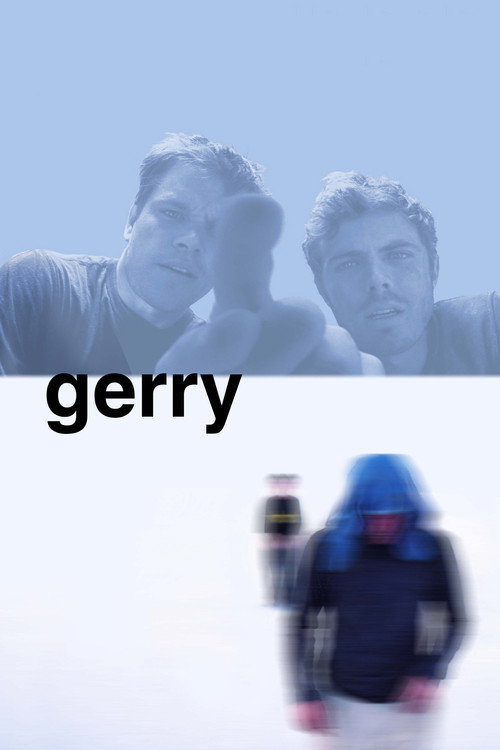
Gerry2002
Both films use extreme formal choices—Madeinusa's surrealism, Gerry's minimalism—to make viewers complicit in discomfort. Both ask what it means to be trapped by choice versus circumstance.
Gus Van Sant's nearly wordless film follows two young men hiking deeper into wilderness until they're genuinely lost. Like Madeinusa, it's a study in how freedom and confinement blur, and how isolation reveals character. The repetition of landscape becomes hypnotic ritual.
But Almost nothing happens. You watch people walk for 103 minutes. Most audiences find it punishing.
More like this (7)
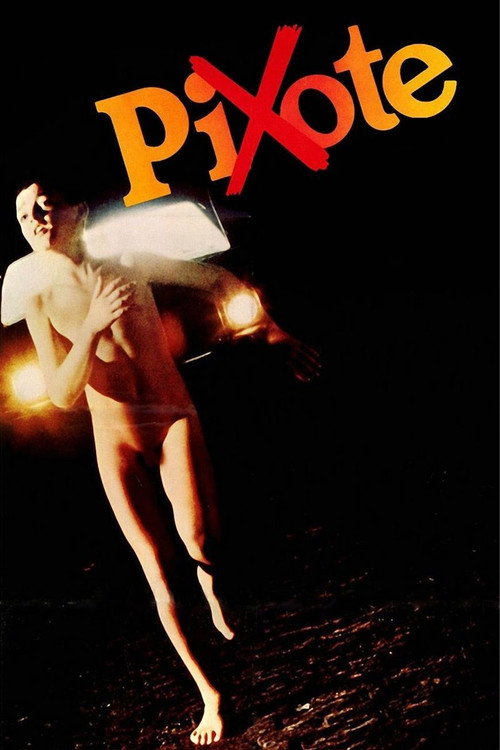
Pixote1980
Hector Babenco's Brazilian masterpiece follows street children in São Paulo with unflinching empathy and rage. Like Madeinusa, it examines how systems fail the vulnerable and how desperation produces unexpected cruelty.
But Deeply depressing and occasionally exploitative in its documentation of child suffering. The violence is casual and numbing.
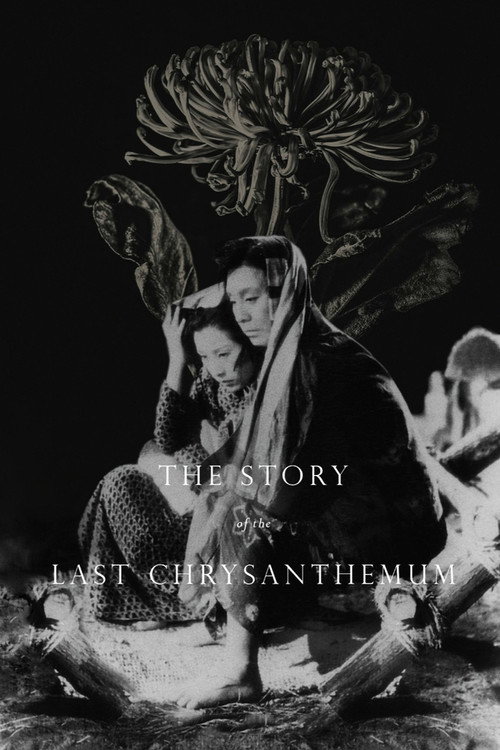
The Story of the Last Chrysanthemum1939
Kenji Mizoguchi's Japanese melodrama uses tradition and artistic obsession to explore how communities destroy those who don't conform. Formally graceful but thematically brutal, with Madeinusa's interest in ritual as both meaning-making and oppression.
But Nearly three hours, shot in 1939. The pacing is glacial and the emotional manipulation deliberate.
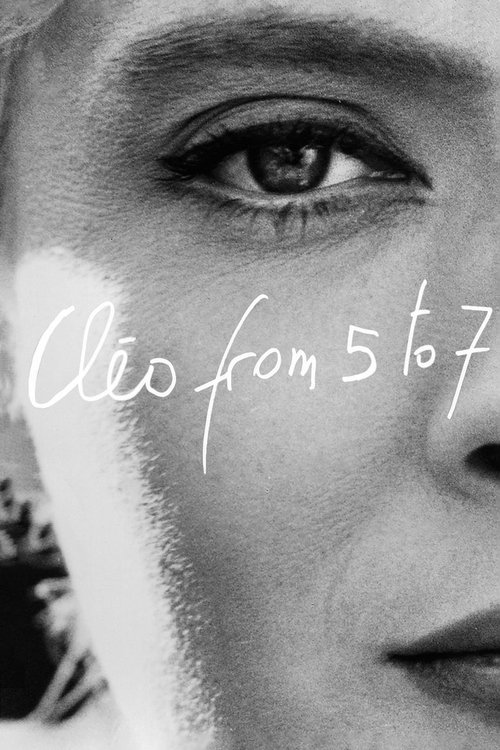
Cléo from 5 to 71962
Agnès Varda's real-time Paris film follows a woman waiting for test results, capturing anxiety, beauty, and the arbitrary rituals we use to feel control. Both films examine how communities and customs contain and constrain their inhabitants.
But Plot is minimal. If you're looking for incident or resolution, you'll find the slow-cinema approach maddening.
The Night of the Hunter1955
Charles Laughton's only directorial effort is a fever dream about faith, hypocrisy, and predation in rural America. Like Madeinusa, it uses expressionist visuals and symbolic language to suggest how religion becomes a mask for violence.
But The tonal shifts are jarring—it moves between noir, horror, and melodrama without warning. Some find it tonally inconsistent.

Winter Light1963
Bergman's chamber piece about faith, doubt, and community in a small Swedish village explores how meaning collapses when examined too closely. Both films are interested in how tradition anchors and destroys small societies.
But Austere, philosophical, and emotionally cold. It's a thinking film, not a feeling one, and offers no comfort.

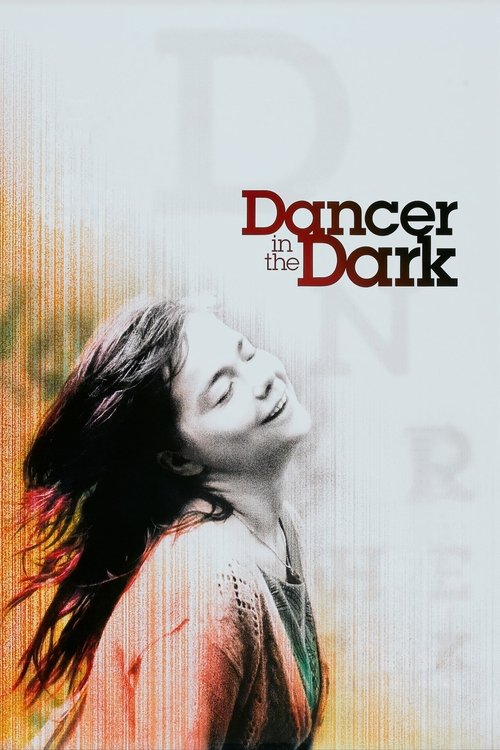
Dancer in the Dark2000
Both use genre (musical vs. surrealist-realism) to express psychological states and social entrapment. Both films ask: what sustains us when the world wants us broken?
Lars von Trier's Björk vehicle is a musical about a woman grinding through poverty and blindness, finding ecstasy in choreography until reality crashes in. It shares Madeinusa's obsession with the gap between ritual/fantasy and lived cruelty.
But Emotionally devastating. The tonal whiplash between musical fantasy and grinding realism is intentional and brutal. Björk's performance is raw to the point of difficult.
The Wailing2016
Both films use community ritual and religious fervor as a lens for moral chaos. Both suggest that shared belief systems can justify atrocity, and that knowing the truth may not resolve anything.
Na Hong-jin's Korean horror-thriller investigates a village crisis through faith, doubt, and competing interpretations of the same events. Like Madeinusa, it's obsessed with how community bonds enable violence and how truth dissolves under pressure.
But Nearly three hours, ambiguous ending, and the horror builds through insinuation rather than action. Patience required.

People
Cast
 Magaly SolierMadeinusa
- Carlos J. de la TorreSalvador
- Yiliana ChongChale
- Melvin QuijadaMauro
- Vicento Llauca TrejoRelojero
Directing
- Claudia LlosaDirector
Writing
- Claudia LlosaWriter
Production
- Bárbara AcostaCasting
- Antonio ChavarríasProducer
- Claudia LlosaProducer
- José María MoralesProducer