
Film
The Story of the Last Chrysanthemum
A 1939 Japanese melodrama about an actor in late 19th-century Tokyo who abandons his privileged position and his family's legacy to forge his own path, taking his servant lover with him. Visually sumptuous and emotionally restrained, it's a story of genuine sacrifice and the cost of artistic integrity, told with the deliberate pacing of classical theatre.
Should you watch it?
Watch it if you are moved by patient, stylised period drama where the ache lives in gesture, costume and the gap between stage performance and private feeling, rather than in plot turns.
Skip it if you want brisk storytelling or a lot of incident, since this is a slow, quiet film that lingers on rehearsal, conversation and mood for long stretches.
What it asks of you: Settle in for well over two hours at an unhurried pace, with long held scenes that let each exchange play out in full.
Not sure? Find tonight's pick in a minute.
If you liked this
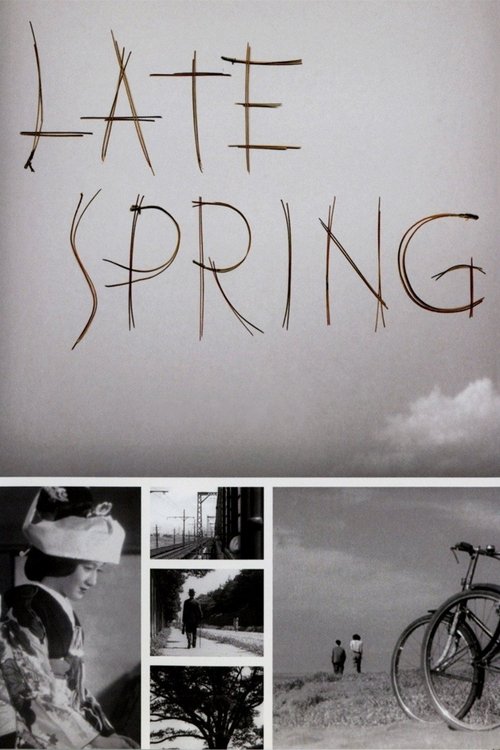
Late Spring1949
Ozu's masterpiece about duty, family and the quiet devastation of change. Like Chrysanthemum, it moves slowly and breaks your heart without raising its voice. A film that trusts you to feel what matters.
But If you need plot momentum or obvious drama, this will feel glacially slow. It's a film about nothing happening, beautifully.
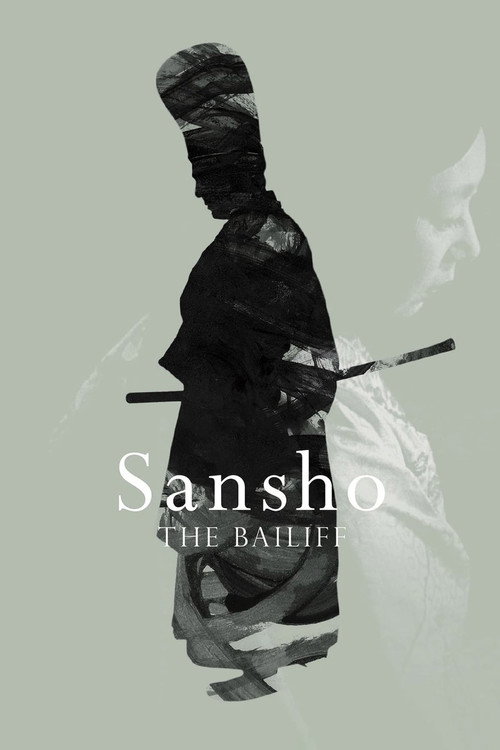
Sansho the Bailiff1954
Mizoguchi again—another epic about the cost of principle and human dignity under systems designed to crush them. Sweeping, tragic, and made with the same visual grandeur as Chrysanthemum.
But It's darker and heavier. The suffering is less romanticized, which means it hits harder and hurts longer.
Tokyo Story1953
Another gentle masterpiece about family, love, and the passage of time. The emotional architecture is similar: small moments that accumulate into something devastating. Ozu's greatest work.
But The slowness isn't a style choice—it's the point. If you want to be entertained rather than moved, skip it.

Not sure tonight? Get a pick in a minute, starting from The Story of the Last Chrysanthemum
The wildcard
Something you would not have found on your own.
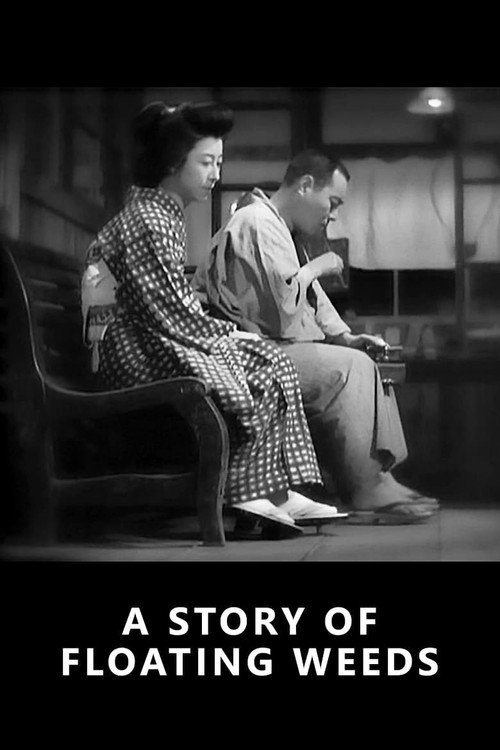
A Story of Floating Weeds1934
Both films examine the theatre world's hierarchies and ask what happens when an actor insists on being seen for who they really are, not what they represent. One is romantic tragedy; the other finds comedy and humanity in the same moral question.
Ozu's precursor to his postwar masterpieces—a film about an itinerant theatre troupe, performance, family, and the gap between public reputation and private worth. It shares Chrysanthemum's world of actors and pretence, but asks the same questions Mizoguchi would.
But It's fragmentary and episodic in ways that can feel loose if you expect narrative construction. The humour is gentle and deadpan.
More like this (8)
The Leopard1963
An Italian epic about the end of a world, told with operatic beauty and profound melancholy. Like Chrysanthemum, it's about dignity and change in a dying aristocracy, shot with painterly precision.
But It's nearly three hours and unapologetically grand. Some find it stuffy rather than sublime.

Harakiri1962
Masaki Kobayashi's shattering film about samurai honour and the cruelty of rigid systems. Japanese cinema's moral questioning at its most powerful, with a visual style as striking as Mizoguchi's.
But It's bleak and brutal. The beauty serves a devastating argument, not comfort.

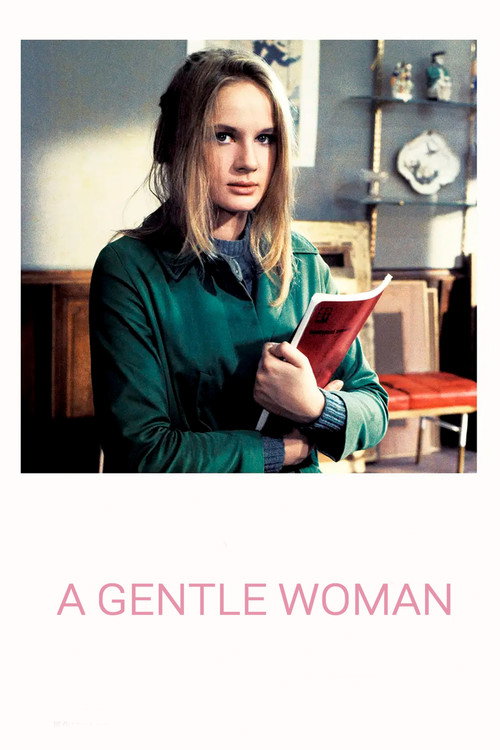
A Gentle Woman1969
Bresson's film about a marriage fractured by quiet, unnamed suffering. Like Chrysanthemum, it finds tragedy in restraint—what is never said matters more than dialogue.
But Bresson demands absolute attention and offers no conventional satisfaction. Some will call it austere; others will call it cold.
In the Mood for Love2000
Wong Kar-wai's meditation on love, longing and the beauty of things unsaid. The visual lyricism echoes Mizoguchi; the emotional core is similarly about desire held in check by circumstance and propriety.
But It's more stylized than Chrysanthemum, less interested in narrative momentum. The plot serves the mood, not the other way around.

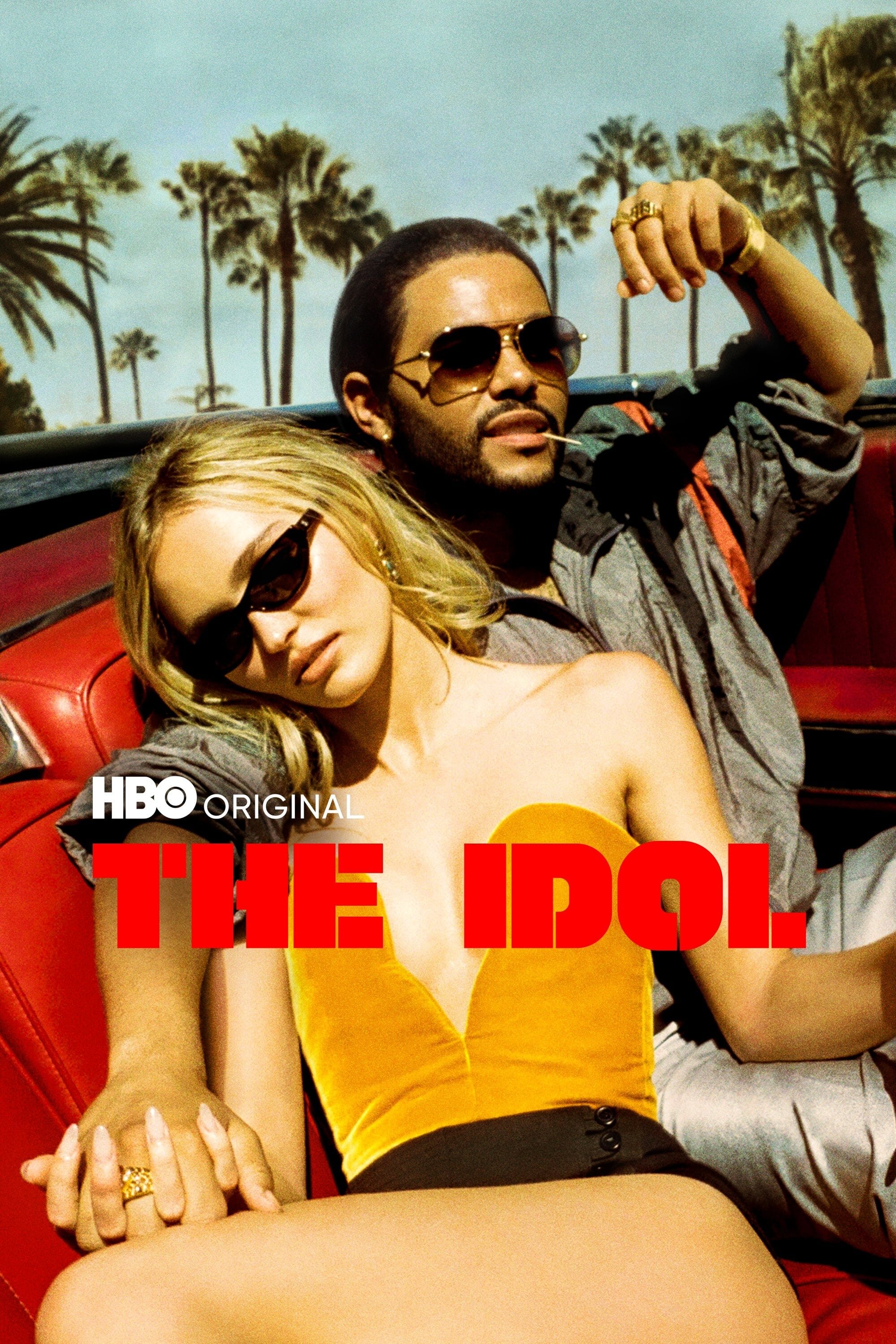
The Idol2023
A miniseries about an artist discovering her own worth beyond the family name that made her. It has Chrysanthemum's core question—who are you when you strip away what you inherited?—in a contemporary Korean setting.
But Modern K-drama sensibility means some melodrama and sentiment. It's warmer and less austere than the original impulse.
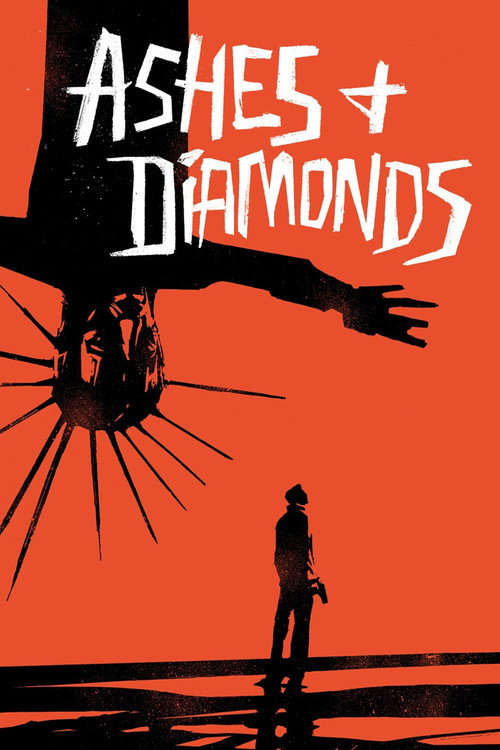
Ashes and Diamonds1958
Andrzej Wajda's Polish masterpiece about a young man caught between duty and desire, between old worlds and new ones. Political rather than romantic, but built on the same tragic architecture.
But It's about WWII Poland and historical trauma. If you're seeking escape rather than confrontation with history, look elsewhere.
The Ballad of Little Jo1993
Both films are about an outsider deliberately severing ties with their assigned social role—the inherited identity that defined them—to build an authentic self from nothing. Both take that choice seriously as tragedy.
Maggie Greenwald's western about a woman who passes as a man to survive alone in the frontier—a complete genre transplant (American frontier instead of Japanese theatre, 1880s-1890s instead of Meiji) that's fundamentally about rejecting your inherited place and choosing who you want to become, whatever the cost.
But It's a small, deliberately unglamorous film. The romance is secondary to the larger act of reinvention, which some will find cold.

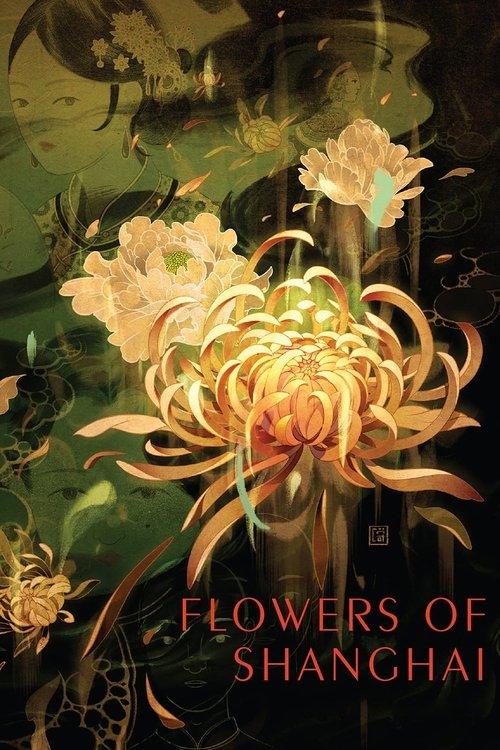
Flowers of Shanghai1998
Both films depict worlds where appearance, status and performance are everything, and examine what happens when someone chooses authenticity over their assigned role in that system. Both are visually baroque and emotionally spare—the opposite of what you'd expect.
Hou Hsiao-hsien's chamber piece about courtesans in 1880s Shanghai—a world of performance, beauty, and coded emotion as rigidly formal as the Japanese theatre world. Shot in tableaux, stunningly composed, emotionally intricate beneath absolute surfaces.
But It's static and painterly to the point where plot feels irrelevant. Long, unbroken scenes of people in rooms talking around feeling rather than expressing it.
People
Cast
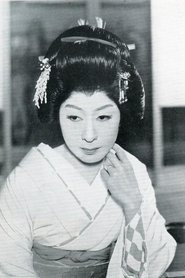 Shōtarō HanayagiKikunosuke Onoue
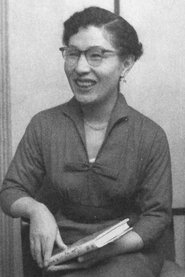 Kakuko MoriOtoku
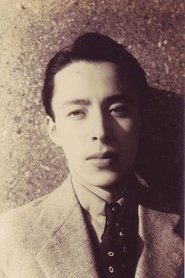 Kōkichi TakadaFukusuke Nakamura
- Kinnosuke TakamatsuMatsusuke Onoue
- Gonjurô KawarazakiKikugoro Onoue
- Benkei ShiganoyaMasseur Genshun
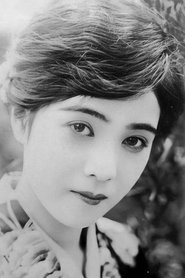 Kikuko HanaokaGeisha Konaka
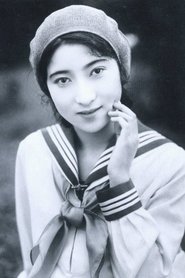 Nobuko FushimiGeisha Eiryu
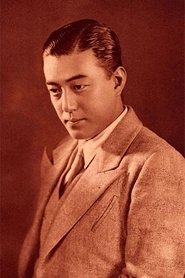 Ichiro YukiHotel lodger
- Tokusaburo ArashiShikan Nakamura
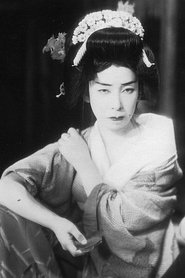 Yōko UmemuraOsata
- Ryôtarô KawanamiEiju Dayu
Directing
- Masami HanaokaAssistant Director
- Tazuko SakaneAssistant Director
- Kenji MizoguchiDirector
Writing
- Shôfû MuramatsuNovel
- Matsutarō KawaguchiScreenplay
- Yoshikata YodaScreenplay
Production
- Shintarô ShiraiProducer
- Tadaoto KainoshōResearcher
Recommended by
Bacurau, The Bad Kids, The Woman Who Left, The Shop on Main Street, Utamaro and His Five Women, Madeinusa