
Film
A Gentle Woman
- Drama
- Tragic romance
- Slow-burning
Bresson's austere masterpiece follows a man haunted by his wife's unexplained suicide, reconstructing their marriage in fragments of memory and regret. Spare, almost sculptural filmmaking—dialogue minimal, gestures loaded with meaning. For viewers who want cinema that respects silence and moral ambiguity over easy catharsis.
Should you watch it?
Watch it if you are drawn to austere films that trust silence and small gestures, where a face held still in a doorway says more than any speech, and a mournful inner monologue is the point.
Skip it if you need a story that keeps moving, since this is largely a husband turning over memories of his marriage, and its stillness can feel like waiting rather than storytelling.
What it asks of you: Only about eighty-five minutes, but slow and sparse: long unhurried takes, little dialogue, and a voiceover that circles back on itself, so you must lean in.
Not sure? Find tonight's pick in a minute.
If you liked this
Jeanne Dielman, 23, quai du Commerce, 1080 Bruxelles1976
Chantal Akerman's three-hour portrait of domestic routine and unspoken despair. Like Bresson, she finds tragedy in the quotidian—the weight of repetition, the erosion of self through obligation.
But It moves at the pace of real life, which means it barely moves at all. Patience is non-negotiable.

The Seventh Seal1957
Bergman's meditation on mortality, faith, and what we owe each other. Both films are philosophical rather than emotional—death is not an event but a question to live inside.
But Bleak, deliberate, and sometimes cryptic. No catharsis, no neat answers.

Tokyo Story1953
Ozu's elegy for time passing and bonds quietly fracturing. Like Bresson, he finds devastation in small moments—a conversation, a glance, the space between words.
But Extremely slow and reflective. Viewers who need plot momentum will find it unbearably patient.

Not sure tonight? Get a pick in a minute, starting from A Gentle Woman
The wildcard
Something you would not have found on your own.
The Leopard1963
Both films treat marriage and class as prisons. Both are composed in long, meditative scenes where emotion lives beneath surfaces. Both mourn what cannot be saved.
Visconti's elegy for a dying order, told through the interior lives of aristocrats. Burt Lancaster as a man watching the world change around him, mourning beauty he cannot save. Gorgeous but remorseful.
But Three-hour period drama in Italian. It's a museum piece in the best and worst sense—admired but distant.

More like this (7)
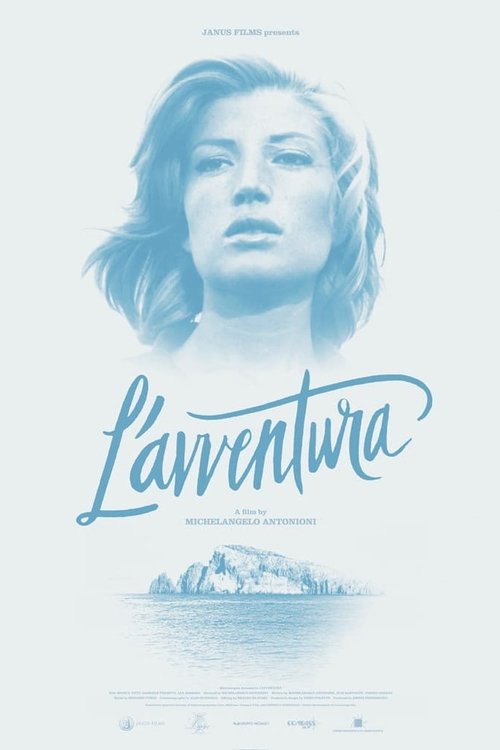
L'Avventura1960
Antonioni's mystery about absence and the failure of human connection. A woman vanishes and the search itself becomes irrelevant—grief and indifference occupy the same space.
But Deliberately frustrating. It withholds resolution and asks you to sit with not knowing.
Winter Light1963
Bergman's bleak inquiry into faith, love, and the inadequacy of human consolation. Spare, intimate, morally unforgiving—two people trying to reach each other and failing.
But Relentlessly grim. No beauty to soften the bleakness, no release at the end.

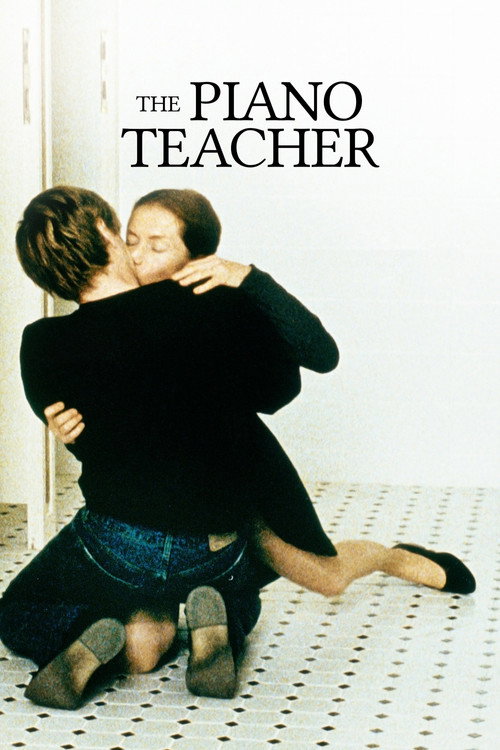
The Piano Teacher2001
Haneke's portrait of a woman fractured by desire and control. Like Bresson, he treats human behaviour with clinical precision and moral severity—no psychology, just action and consequence.
But Contains explicit content and psychological abuse. Haneke's coldness can feel like cruelty rather than wisdom.
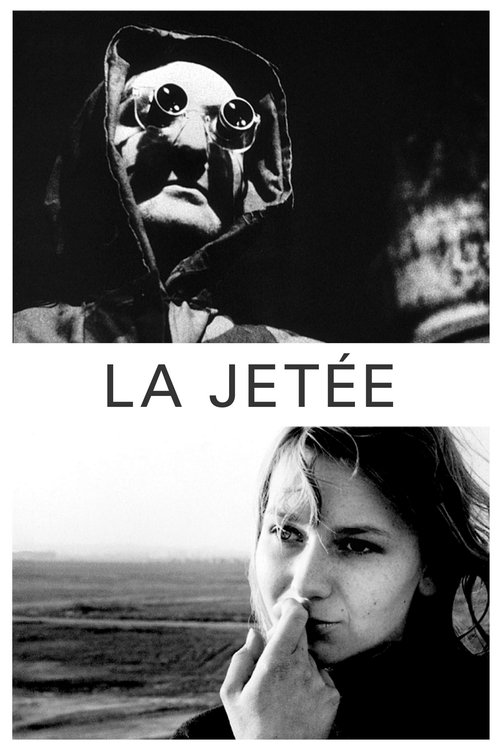
La Jetée1962
Marker's science fiction poem made almost entirely of still photographs. Meditation on memory, loss, and time—the same territory as Bresson, compressed into 28 minutes of pure intensity.
But Surreal and fragmented. Its meaning stays just out of reach, which is the point but not for everyone.
Stalker1979
Tarkovsky's spiritual journey into doubt and desire. Long, hypnotic, morally complex—cinema as philosophy. Shares Bresson's belief that cinema can explore states of consciousness rather than plot.
But Over two hours of walking and talking. Patience is a prerequisite; engagement is not guaranteed.

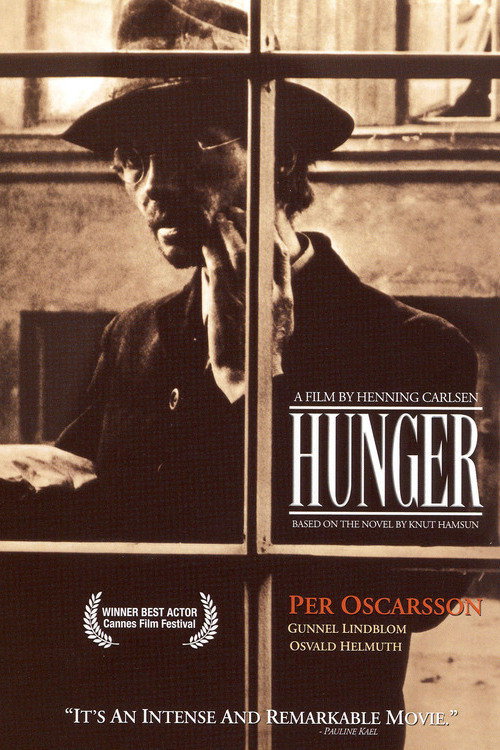
Hunger1966
Henning Carlsen's adaptation of Knut Hamsun's novel. A man's slow disintegration into poverty and madness, filmed with Bressonian austerity. Brutally honest about human fragility.
But Bleak, repetitive, and deeply uncomfortable. The protagonist's degradation offers no insight or redemption.
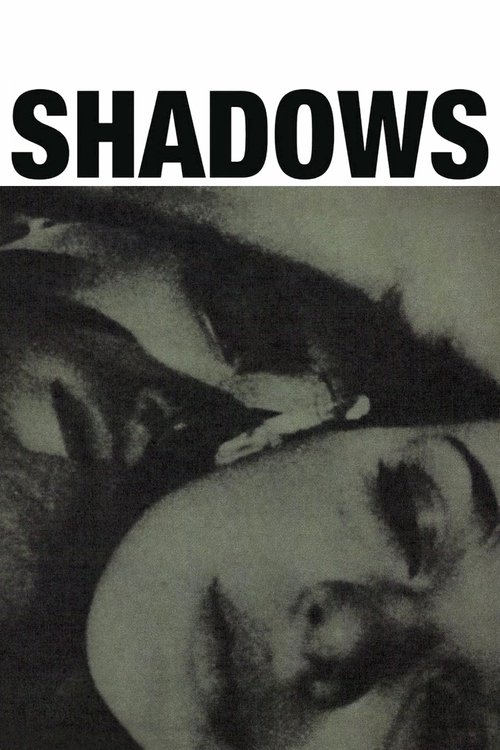
Shadows1960
Both filmmakers reject psychology and explanation. They observe human contradiction and moral failure without judgment or solution. Both trust the audience to find meaning in gesture and silence.
Cassavetes' improvised, jazz-like drama of three Black siblings navigating race and identity in New York. Raw, intimate, formally radical—nothing like Bresson's aesthetic, but the same hunger to capture interiority and shame.
But Shot on 16mm with non-professional actors, it's grainy and sometimes technically messy. The narrative is deliberately loose and counterintuitive.
People
Cast
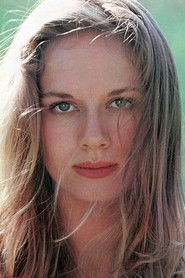 Dominique SandaElle
- Guy FranginLuc, son mari
 Jeanne LobreAnna, la bonne
 Claude OllierLe médecin
 Jacques KébadianLe dragueur
- Gilles SandierLe maire
 Dorothée BlanckL'infirmière
Directing
- Jacques KébadianAssistant Director
- Robert BressonDirector
Writing
- Fyodor DostoevskyShort Story
- Robert BressonWriter
Production
- Mag BodardProducer
Recommended by
My Night at Maud's, Shame, A Story of Floating Weeds, Satantango, Sunday Bloody Sunday, The Story of the Last Chrysanthemum, I've Loved You So Long, Love on the Run, War and Peace, Morphine, Penda's Fen, The Munekata Sisters, The Second Circle, Ennio, The Lunatics, Odd Obsession, The Smiling Madame Beudet, Maddalena