
Film
Sunday Bloody Sunday
A 1971 drama about two people—a divorced woman and a middle-aged doctor—who share an affair with the same charismatic younger man. It's tender, frank, and occasionally uncomfortable, examining how desire and loneliness can coexist with clear-eyed acceptance. For anyone interested in adult relationships depicted without sentiment or judgment.
Should you watch it?
Watch it if you are drawn to character studies where the drama lives in unspoken compromises, long pauses and conversations that never quite say what they mean.
Skip it if you need a clear plot with momentum, since this is talky, cool and deliberately restrained, and its emotional temperature stays low enough to frustrate some viewers.
What it asks of you: Around 110 minutes of restrained, dialogue-heavy scenes with few set pieces; it asks you to sit with ambivalence and stay patient rather than be swept along.
Not sure? Find tonight's pick in a minute.
If you liked this
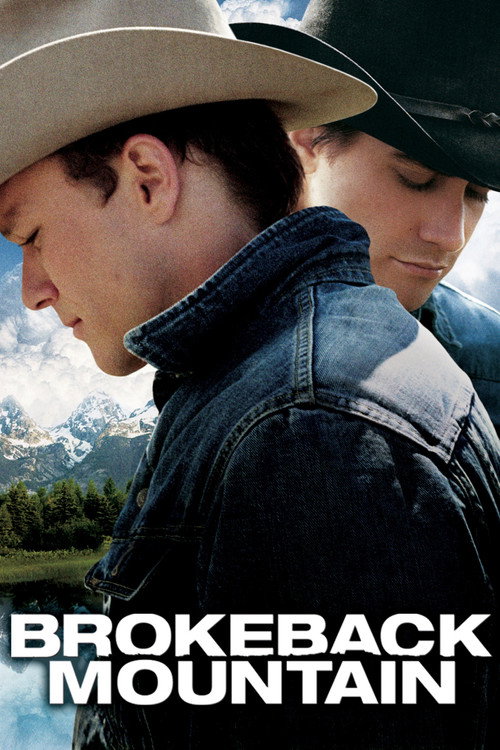
Brokeback Mountain2005
A similarly restrained portrayal of people caught between social expectation and genuine feeling. It shares the same refusal to melodramatize desire, and the same ache of compromise.
But The emotional weight is relentless. There's no catharsis here, only the slow recognition of what can't be changed.
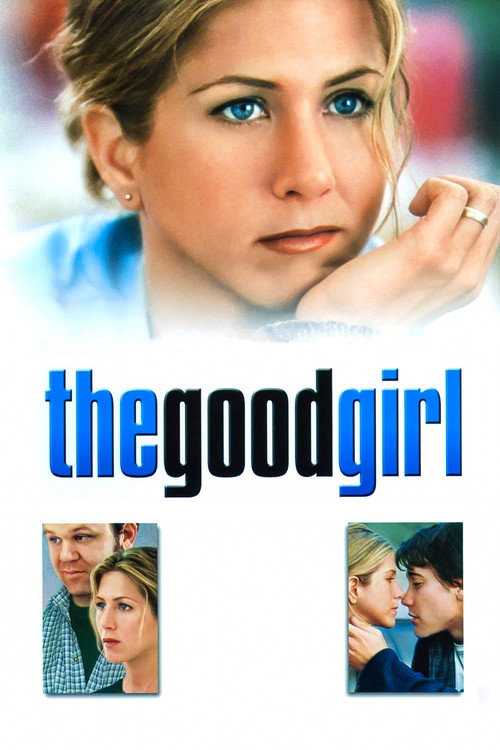
The Good Girl2002
Another film about infidelity and self-deception in everyday life, shot with unflinching clarity. It's acerbic where Sunday Bloody Sunday is tender, but shares that same commitment to showing how people rationalize what they want.
But It's bleaker and less sympathetic. If you want warmth, you won't find it here.
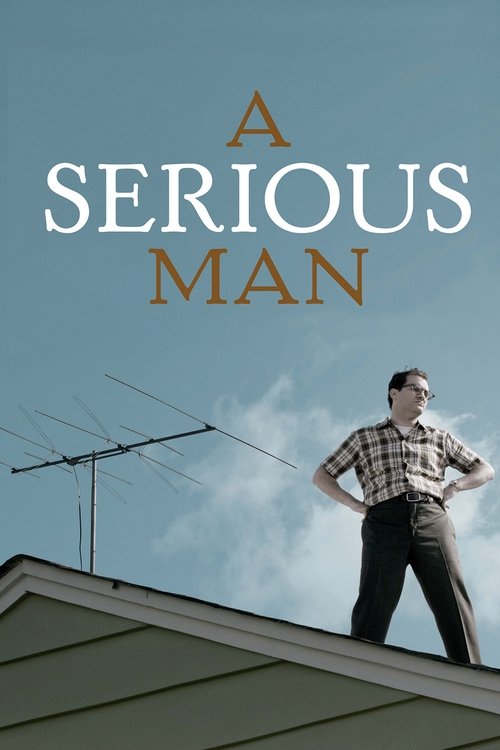
A Serious Man2009
Shares the same interest in ordinary unhappiness—marriage, desire, the gap between who we are and who we thought we'd be. It's mordant where Sunday is gentle, but equally uncompromising about life's refusals.
But It's hostile and deliberately frustrating. The Coens offer no comfort, and the comedy is dark to the point of cruelty.
Not sure tonight? Get a pick in a minute, starting from Sunday Bloody Sunday
The wildcard
Something you would not have found on your own.
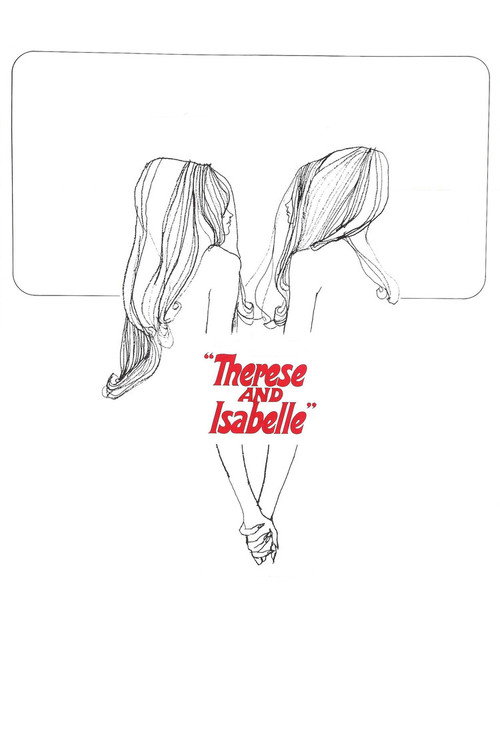
Therese and Isabelle1968
Both are unmissily frank about sexuality and emotional life in ways that were unusual for their era. Both refuse to punish their characters for wanting.
A rarely shown French film about desire between two women at a girls' school, made with extraordinary sensuality and no apology. It's from the same moment as Sunday Bloody Sunday but approaches similar material—desire outside social bounds, the vulnerability of wanting—with a completely different aesthetic.
But It's obscure, sometimes awkwardly paced, and the historical context of lesbian representation in '60s French cinema means it can feel both daring and limited at once. It's also surprisingly difficult to find.
More like this (8)
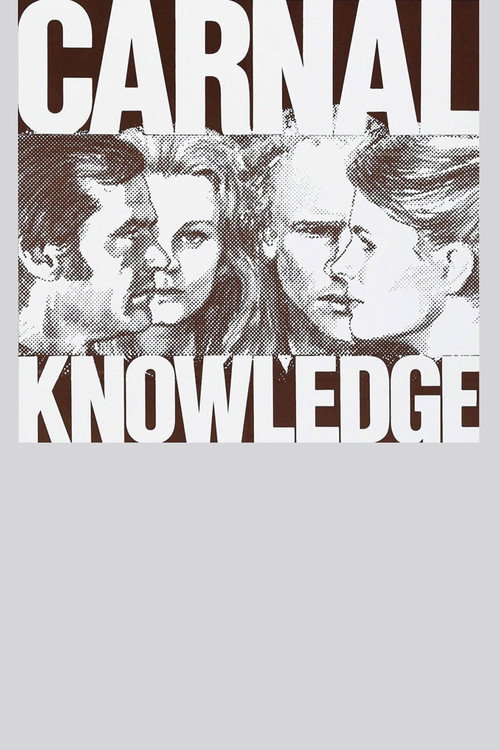
Carnal Knowledge1971
Released the same year, it's another film about men, women, and the sexual choreography between them. Neither censorious nor sentimental—just deeply interested in how people actually behave.
But It's dated in its attitudes and occasionally hard to watch. The sexual content is graphic by '70s standards and some of it hasn't aged well.
An Unmarried Woman1978
Paul Mazursky's comedy-drama about a woman rebuilding her life after divorce. It has Sunday's warmth and intelligence, and the same belief that adult life deserves serious, unglamorous attention.
But It can feel earnest and talky. The '70s softness that works so well here sometimes tips into sentimentality.

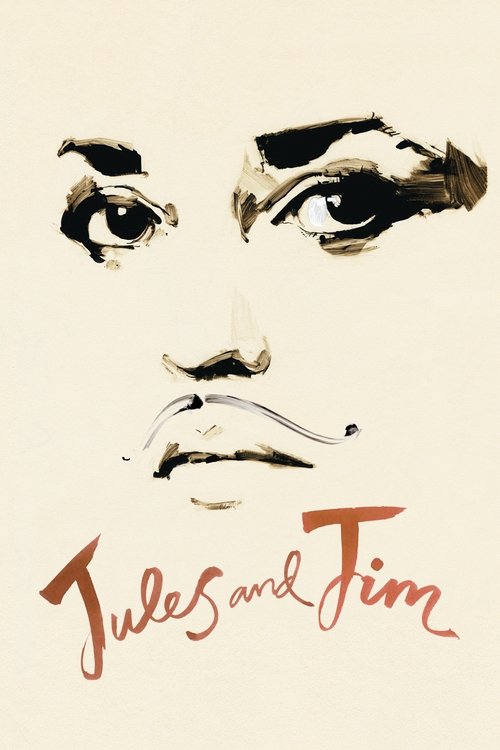
Jules and Jim1962
Truffaut's meditation on love, desire, and the impossible triangle. It moves with grace and melancholy, asking whether two people can really share one.
But It's from an earlier era and carries some of that romanticism Sunday Bloody Sunday deliberately strips away. The woman is also more symbol than person.
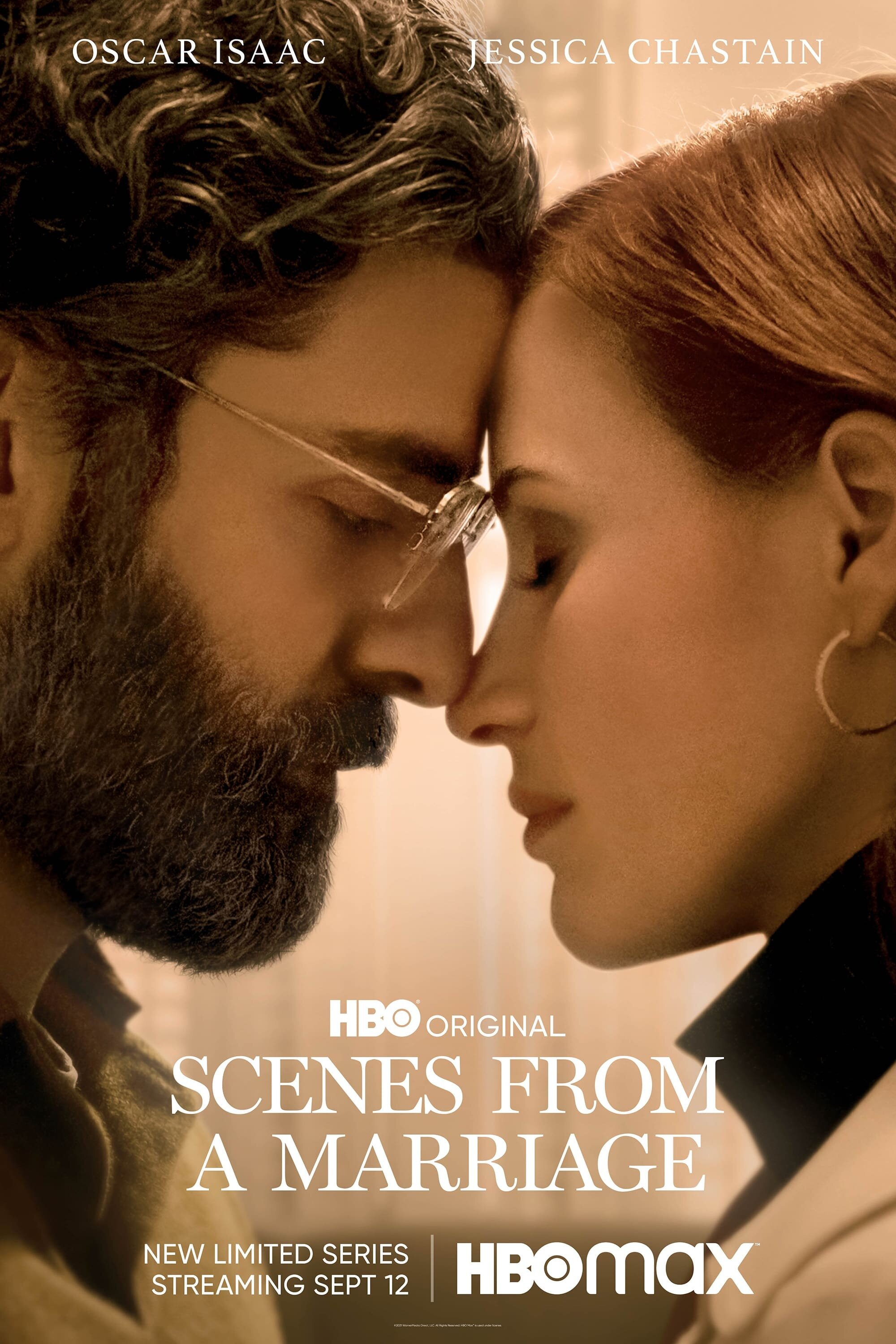
Scenes from a Marriage2021
Bergman's glacial examination of a marriage over time. It shares Sunday's refusal to judge or comfort, and the same belief that the small moments between people contain everything that matters.
But It's slow, austere, and emotionally punishing. Some people find it profound; others find it a chore.
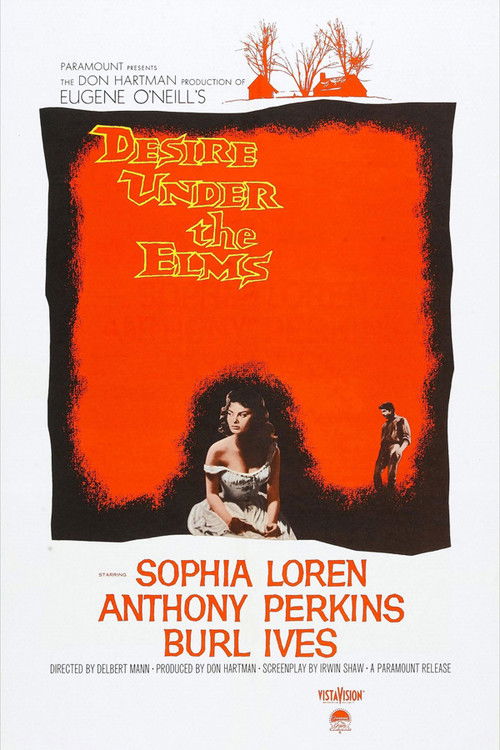
Desire Under the Elms1958
A period drama about a woman caught between two men, shot with unusual frankness about sex and power. It takes its characters' desires seriously in ways that were almost radical for the '50s.
But The performances can feel theatrical. It's also a Tennessee Williams adaptation of O'Neill, which means occasionally overwrought emotion underneath the restraint.
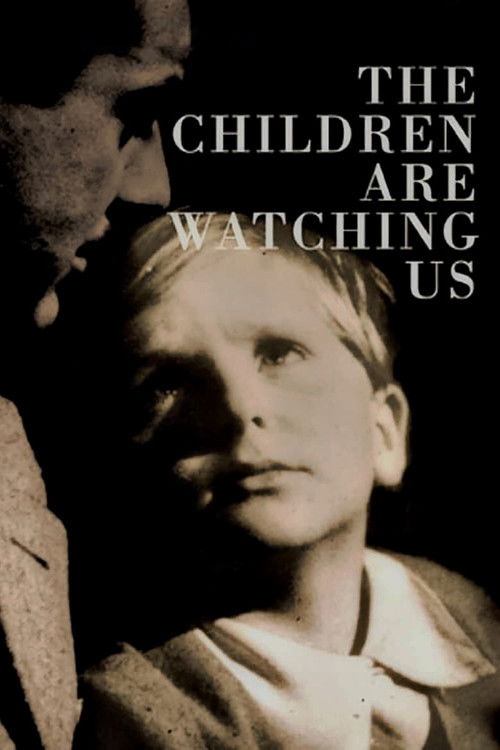
The Children Are Watching Us1943
An Italian neorealist drama about infidelity and its aftermath. It's earlier and more morally severe than Sunday, but shares the same commitment to showing how adult desires affect the people around them.
But It's bleak and unadorned to the point of austerity. There's no warmth, and the ending offers no redemption.
Certified Copy2010
Both are about the adult recognition that what we want and what we can have are often not the same thing. Both find something close to grace in that acceptance.
A Kiarostami film about two strangers who spend a day together in Italy, slowly building an intimate, elusive connection. It's about desire and performance and the gap between what we are and what we pretend—but it's shot in luminous color and moves with a kind of gentle inevitability.
But It's deliberately obtuse about plot. The dialogue is sometimes cryptic, and the film asks you to work for meaning rather than handing it to you.

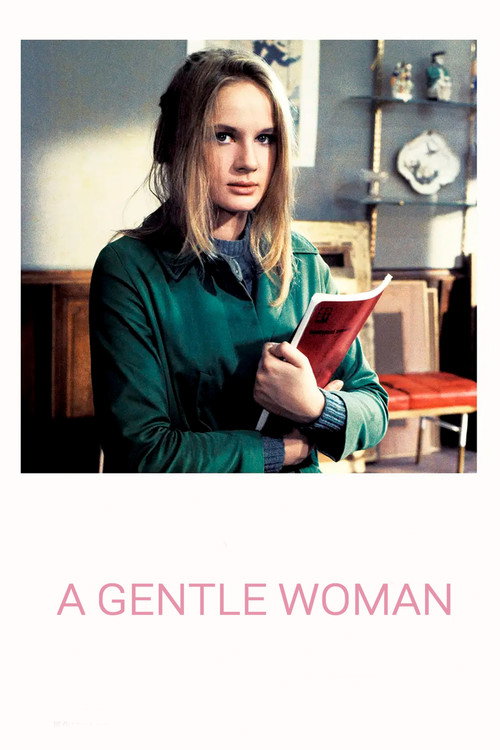
A Gentle Woman1969
Both use restraint as a form of intensity. Both trust their audience to feel the emotion underneath the formal distance. Both are about people reaching across unbridgeable gaps.
Bresson's austere adaptation of Dostoevsky about a woman struggling to reach a distant husband. It's made in his signature sparse, almost abstract style—nothing wasted, everything suggesting depths. It shares Sunday's interest in loneliness within closeness.
But It's extremely austere and formal. If you want emotional clarity or conventional narrative, you will not find it. Some find Bresson transcendent; others find him punishing.
People
Cast
 Peter FinchDr. Daniel Hirsh
 Glenda JacksonAlex Greville
 Murray HeadBob Elkin
 Peggy AshcroftMrs. Greville
 Tony BrittonGeorge Harding
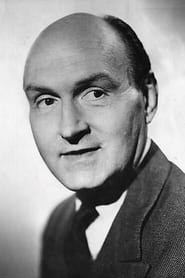 Maurice DenhamMr. Greville
 Bessie LoveAnswering Service Lady
 Vivian PicklesAlva Hodson
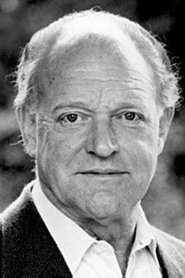 Frank WindsorBill Hodson
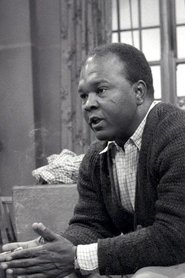 Thomas BaptisteProf. Johns
 Richard PearsonPatient
 June BrownWoman Patient
Directing
- John SchlesingerDirector
Writing
- Penelope GilliattScreenplay
Production
- Edward JosephAssociate Producer
- Miriam BrickmanCasting
- Joseph JanniProducer
Recommended by
Tea and Sympathy, The Deep Blue Sea, Betrayal, Women in Love, Laughter in the Dark, Prick Up Your Ears, Surviving Picasso, The Mark, The Sweeney, The Actress, A Man of No Importance, The Sergeant, The Leather Boys, I'll Cry Tomorrow, The Fox, A Bigger Splash, Accident, Cal, The Music Lovers, The Harrad Experiment, Waterloo Road, Caravaggio, Vaudeville, The Grass Is Singing, Staircase, Violent Playground, The Big Breaker, A Question of Adultery, Nighthawks, Nijinsky, The Affair, The Third Sex, My Lover, My Son, A Question of Attribution, 3 Into 2 Won't Go, Dance with a Stranger