
Film
Waterloo Road
Other titles called Waterloo Road: the 2006 series (BBC iPlayer).
A taut 1945 wartime drama about a soldier who goes absent without leave to confront the black-market spiv seducing his wife. It's a portrait of class tension and fractured loyalty on the home front, driven by restrained performances and genuine moral ambiguity about who, exactly, deserves blame. For anyone who loves the grittier side of British cinema.
Should you watch it?
Watch it if you enjoy wartime British home-front dramas where a marriage under strain carries more weight than the battles, and a tight 73-minute runtime suits a story that moves straight to its point.
Skip it if you want the war on screen, since the fighting stays offstage and the film is really about a husband's anger, a wife's guilt and the people around them in a small English town.
What it asks of you: It runs barely over an hour and rarely hurries, so it asks you to sit with long stretches of talk and simmering resentment rather than expecting action to carry you along.
Not sure? Find tonight's pick in a minute.
If you liked this
Brief Encounter1945
Released the same year, this explores illicit desire and emotional betrayal with the same poignant restraint. Celia Johnson and Trevor Howard's stolen moments capture the ache of wartime separation and impossible choices.
But It's a romance first, not a drama of conflict. If you want confrontation rather than longing, this will frustrate you.

The Third Man1949
Post-war Vienna, moral corruption, and a protagonist discovering the man he trusted is something else entirely. The zither score and Vienna's rubble are unforgettable, and the moral reckoning cuts deeper than any action.
But It's slower and more baroque than Waterloo Road. The mood is existential rather than domestic, which some find abstract.

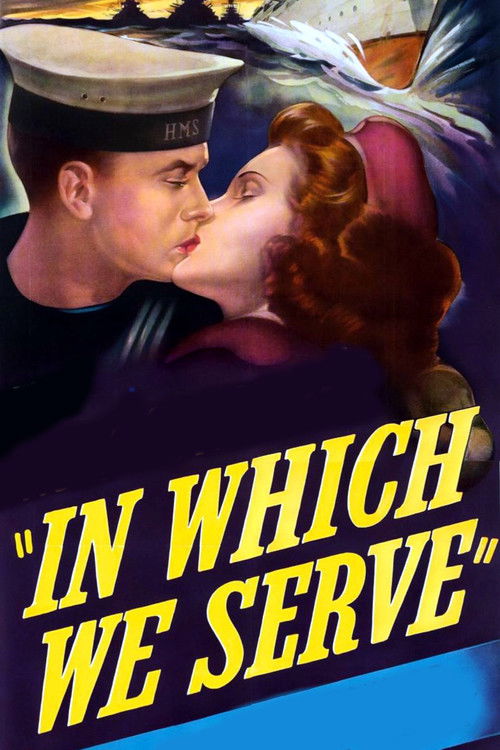
In Which We Serve1942
Coward's wartime ensemble drama about duty, sacrifice, and what the war takes from ordinary people. It has the same documentary precision about working lives and the same refusal to make patriotism simple.
But It's reverent about the Navy and Empire in ways that haven't aged as gracefully. The propaganda elements show.
Not sure tonight? Get a pick in a minute, starting from Waterloo Road
The wildcard
Something you would not have found on your own.
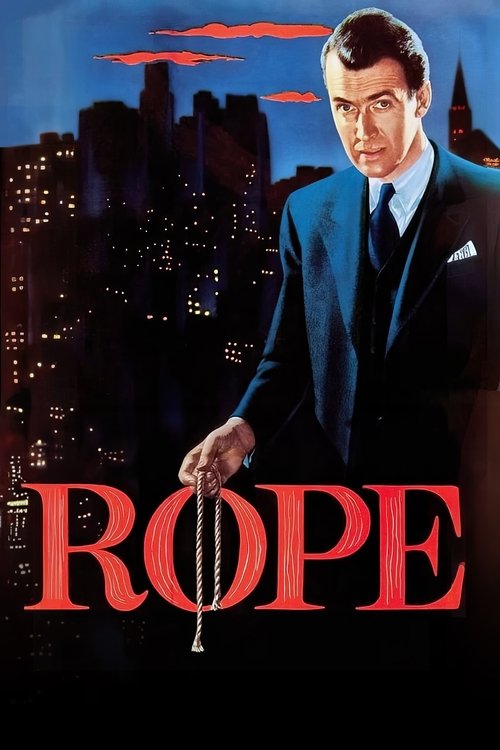
Rope1948
Both use the claustrophobia of a small setting to amplify moral dread. Neither needs action to generate tension; both trust the audience to sit with guilt.
Hitchcock's real-time chamber piece about two men who commit murder and must hide it from a dinner guest. Like Waterloo Road, it's about men facing moral consequence in confined spaces, but it makes the camera itself a character, never cutting for 80 minutes.
But It's a technical experiment that can feel suffocating and artificial. The stagy dialogue and fixed perspectives won't appeal to anyone seeking naturalism.
More like this (8)
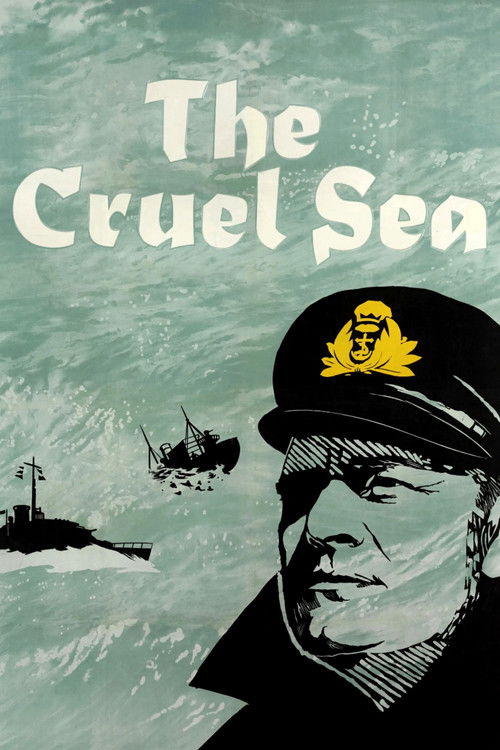
The Cruel Sea1953
Another tale of men at war, class tensions, and moral compromise. Jack Hawkins' captain must make impossible decisions, and the film treats every consequence seriously without melodrama.
But It's longer and grittier, focused on combat survival rather than the home front. If you want intimacy, this is too vast.
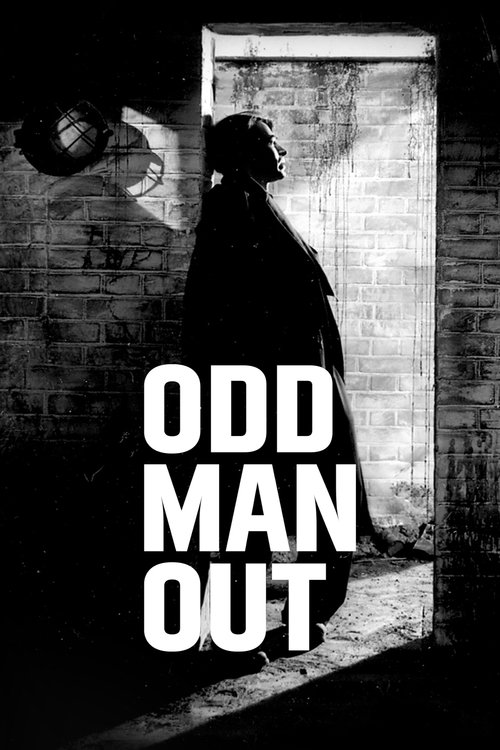
Odd Man Out1947
James Mason as a fugitive hunted through a city. Like Waterloo Road, it's about a man isolated by circumstances and watched by society, explored through shadows and moral ambiguity.
But It's Irish politics and noir, not domestic drama. The tone is darker and more stylised than Waterloo Road's realism.
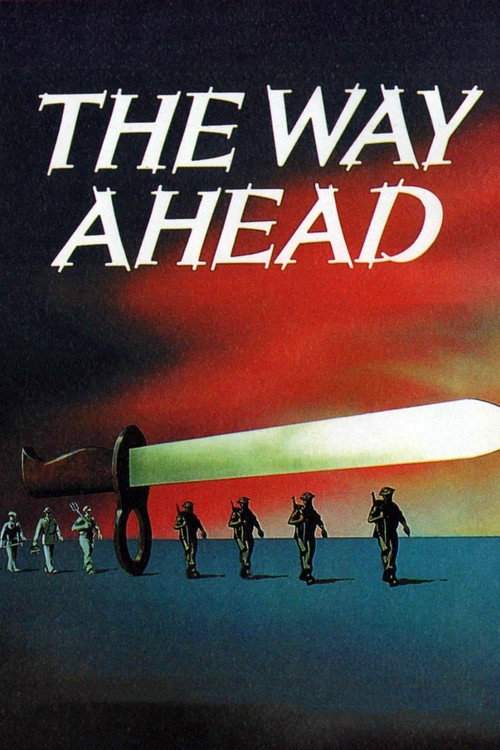
The Way Ahead1944
David Niven and a cast of civilians-turned-soldiers learning discipline and purpose. It captures the peculiar class collisions of wartime Britain with humour and genuine affection for ordinary men.
But It's more hopeful and lighter in touch. If you're drawn to Waterloo Road's bleakness, this may feel too warm.
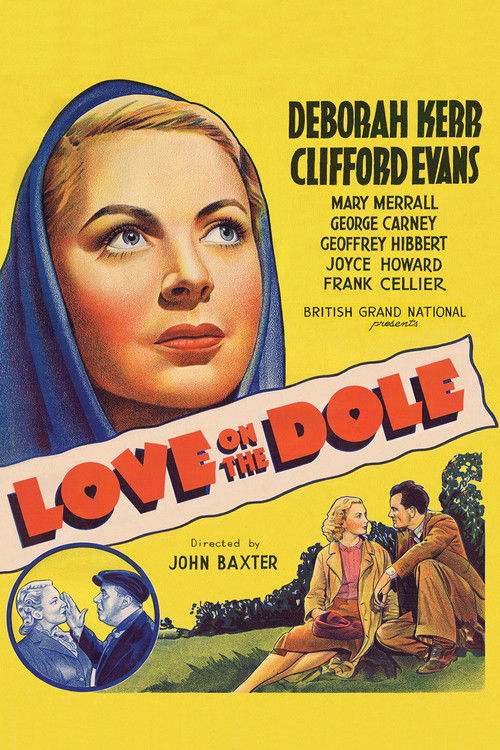
Love on the Dole1941
Pre-war Manchester poverty and the choices people make when they have nothing. The same attention to working-class detail and the same refusal to blame individuals for systemic failures.
But It's more explicitly about economic desperation. The romance plot may feel ancillary to the poverty at its centre.
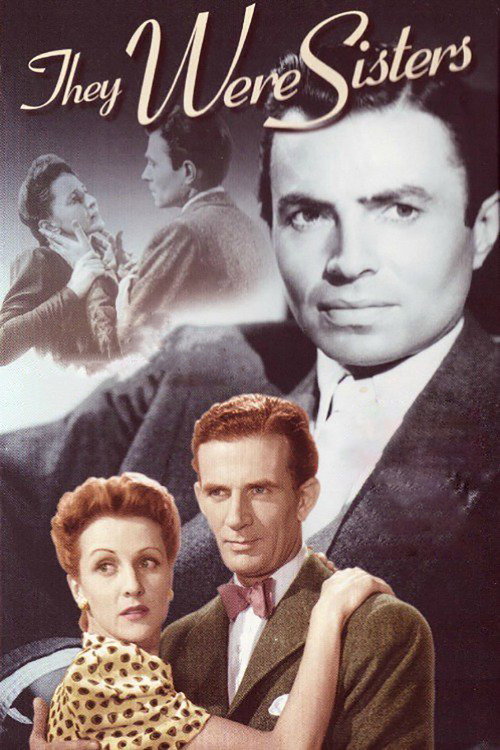
They Were Sisters1945
Released the same year, another study of infidelity and domestic violence among the middle and working classes. It has the same frank approach to marriage as a trap.
But It's a woman's ensemble piece, not focused on a single man's crisis. The structure is deliberately fragmented.
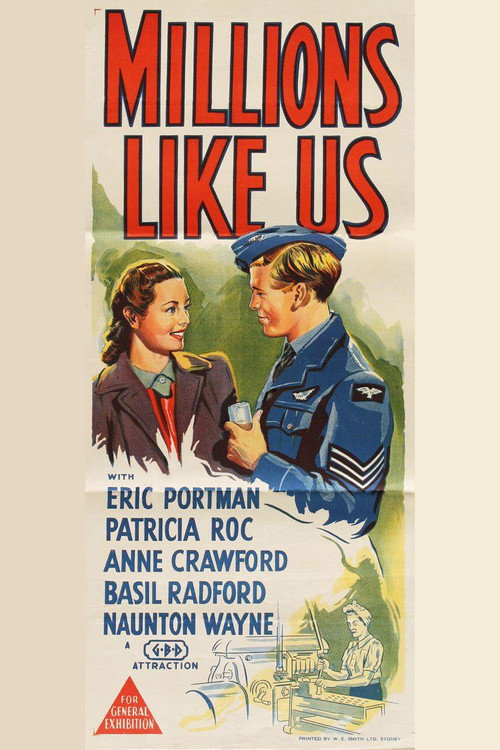
Millions Like Us1943
Women in a munitions factory during wartime, their loves and losses, their resilience. It captures the social texture of Britain at war without sentimentality.
But It's an ensemble and a love story, not a moral crisis. The tone is more documentary and less dramatically charged.
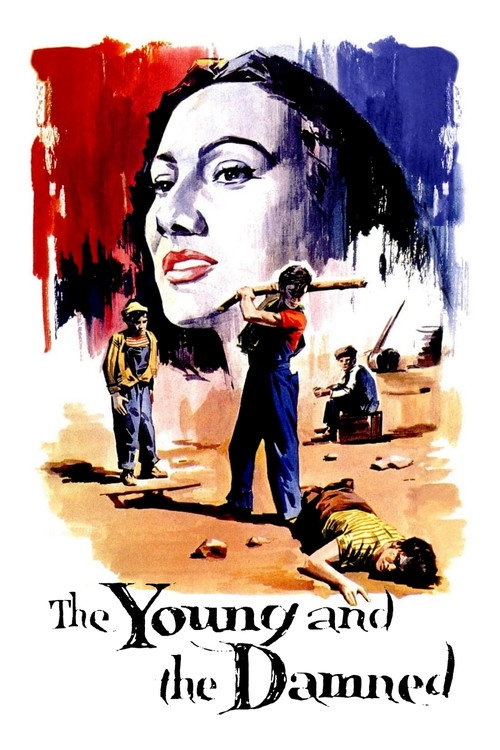
The Young and the Damned1950
Both see poverty and desperation as the real culprit, not individual vice. Both refuse to make their protagonists sympathetic—they show how circumstances unmake people.
Buñuel's Mexican street children in poverty and petty crime, shot with documentary precision and surrealist dream sequences. It has Waterloo Road's unflinching look at working-class desperation and moral compromise, but set in a wholly different world.
But It's hallucinatory and sometimes brutal. The surrealism will alienate anyone who wants social realism untouched. Spanish-language with subtitles.
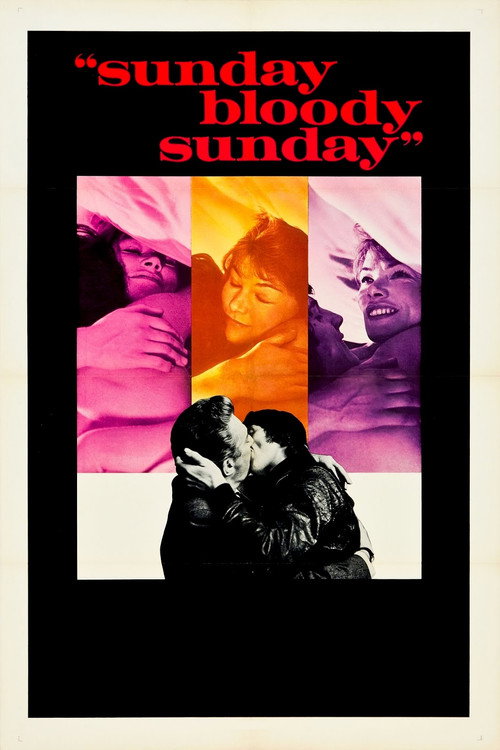
Sunday Bloody Sunday1971
Both are about the wreckage desire leaves behind. Neither offers villains, only people caught in impossible situations. Both refuse the comfort of moral judgment and ask you to live with that discomfort.
John Schlesinger's study of infidelity, desire, and betrayal among the middle class. A woman and a man love the same beautiful, unreliable young man, and the film watches how they make peace with it. Gorgeously shot, utterly modern in its sexual honesty.
But It's 1971 gay and bisexual content that some will find uncomfortable. It's also slow and introspective—plot matters far less than mood and feeling. It won't satisfy anyone wanting resolution.
People
Cast
 John MillsJim Colter
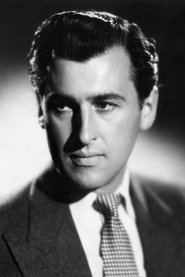 Stewart GrangerTed Purvis
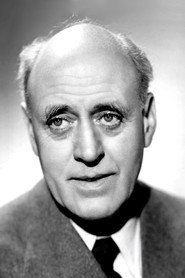 Alastair SimDr. Montgomery
 Joy SheltonTillie Colter
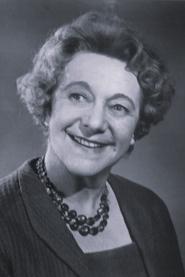 Alison LeggattRuby
 Jean KentToni
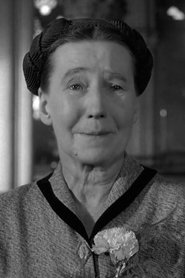 Beatrice VarleyMrs. Colter
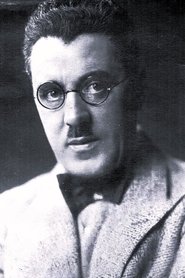 George CarneyTom Mason
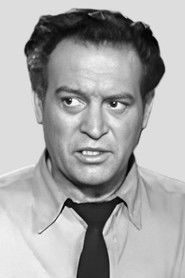 Leslie BradleyMike Duggan
- Ben WilliamsCpl Lewis


Directing
- Sidney GilliatDirector
Writing
- Val ValentineStory
- Sidney GilliatWriter
Production
- Maurice OstrerExecutive Producer
- Edward BlackProducer