
Film
The Young and the Damned
- Street-gang crime
- Social drama
- Very dark
Buñuel's debut feature captures Mexico City's street children in unflinching neorealist detail—poverty breeding violence, violence breeding numbness. It's grimy and alive, shot with documentary immediacy, watching morality erode in real time. Essential cinema, not a comfortable watch. For anyone who believes film can excavate truth.
If you liked this
Bicycle Thieves1948
Italian neorealism's masterpiece: a father searching for his stolen bike becomes an examination of desperation and compromise. Every frame teaches you something about how cinema reveals character through circumstance.
But Slow, deliberately paced, and ends on a note of such quiet defeat that it can feel like punishment rather than catharsis.

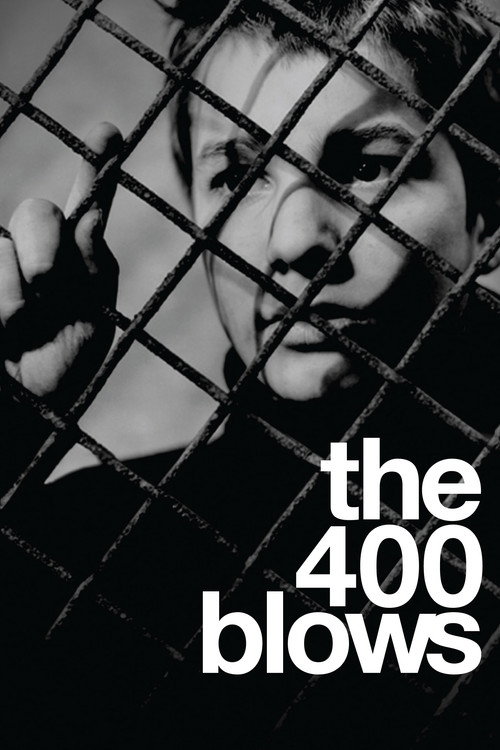
The 400 Blows1959
Truffaut's semi-autobiographical story of a neglected boy adrift in Paris—warmer than Buñuel but equally observant. Childhood as a form of vagrancy, seen with tenderness and fury.
But The famous final image divides people. Some find it profound, others feel manipulated by the freeze-frame's implication.
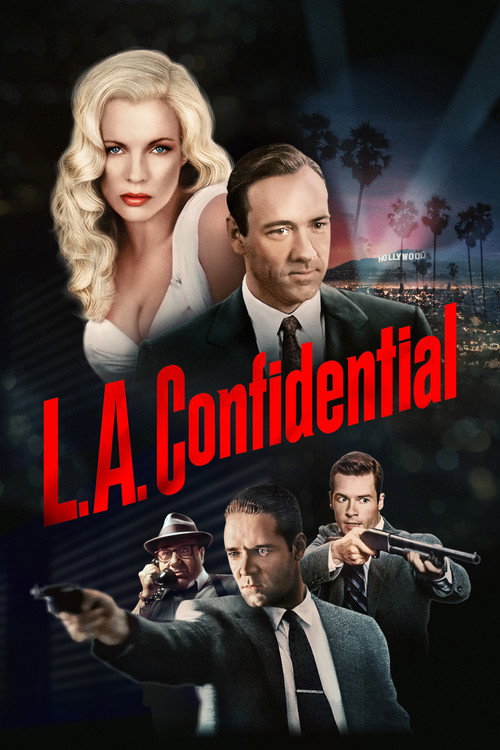
L.A. Confidential1997
Corruption and lost youth in post-war Los Angeles. A cop drama with genuine weight, showing how good men compromise themselves incrementally until they barely recognize their own reflection.
But Ensemble cast and interlocking plot can feel overstuffed if you're not tracking three storylines at once. Stylish to the point of glossiness.
Not sure tonight? Get a pick in a minute, starting from The Young and the Damned
The wildcard
Something you would not have found on your own.
Vivre Sa Vie1962
Both chart the slow destruction of a young person through poverty and systemic indifference, but Godard fragments his lens where Buñuel stays close. One shows the machinery of corruption; the other deconstructs how we watch it happen.
Godard's film of a young Parisian woman forced into sex work—told in twelve tableaux like a modern Stations of the Cross. It shares Buñuel's moral clarity about economic violence, but channels it through radical formal rupture. Chapter headings, direct address, pop music, sudden shifts in tone. Philosophy meets prostitution.
But Refuses narrative coherence or emotional payoff. Feels like an essay in film form, and a difficult one. Subtitled, and Godard's distancing techniques can feel cold.

More like this (7)
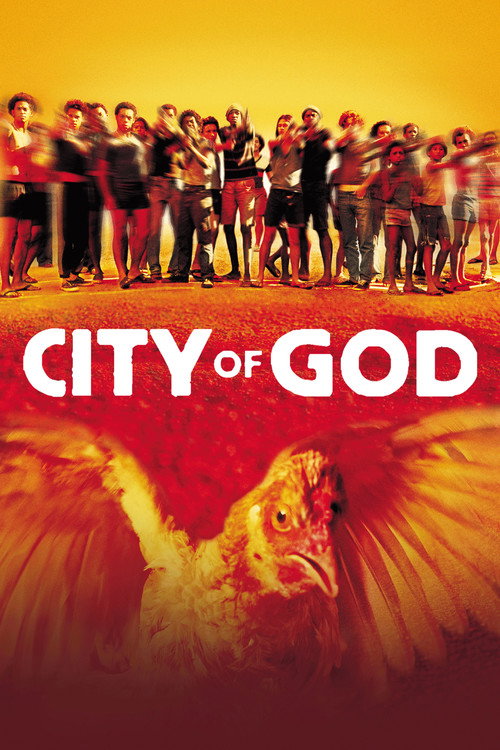
City of God2002
Rio's favelas through the eyes of children living in gang violence. Kinetic, visually inventive, yet never lets you forget the real devastation underneath the style.
But The formal ambition—choppy editing, whip-pans, narrator voice-over—can feel showy. Graphic violence becomes almost a visual language, which isn't for everyone.
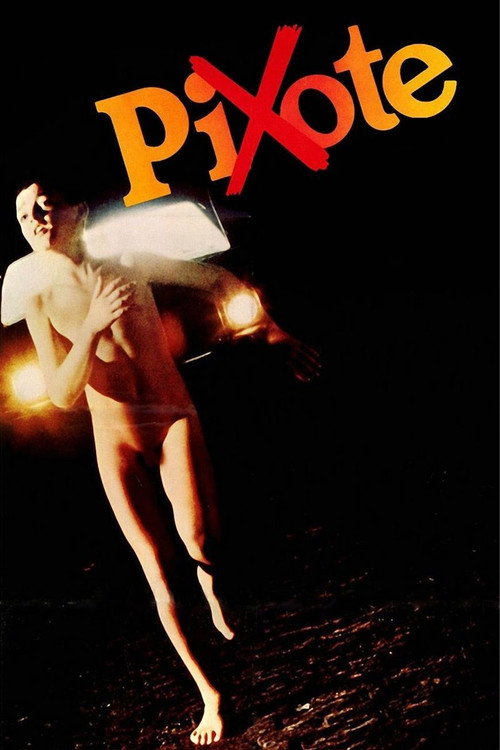
Pixote1980
A Brazilian street orphan's descent into crime and sex work. Brutally honest about childhood abandonment and the logic of survival. Uses a non-professional cast with devastating effect.
But Sexual abuse of a child is depicted. Hard to watch by design, and the bleakness offers no redemptive arc.
Kes1970
Ken Loach's film about a Yorkshire working-class boy and his only relationship—with a hawk he trains. Small in scope, enormous in empathy. Shows how circumstance throttles possibility.
But Regional accent and dialect can be challenging. The ending is bleak and sudden, which some find insufferable.

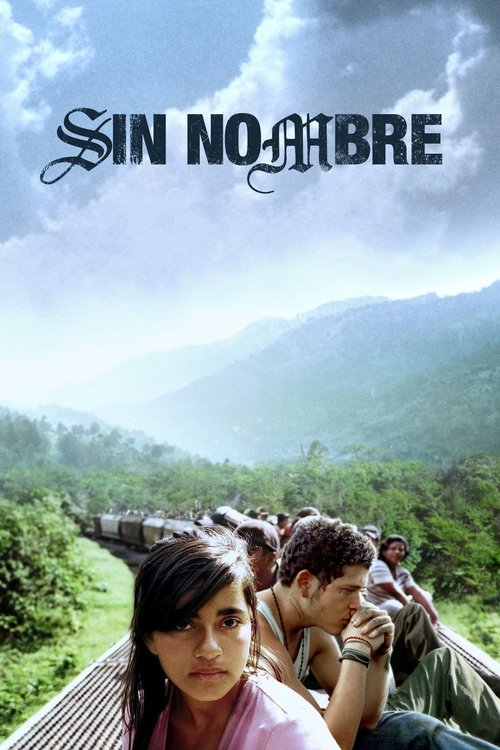
Sin Nombre2009
Central American gang violence seen through a teenage girl's desperate journey north. Contemporary neorealism—dirty, specific, and morally uncompromising.
But Grim subject matter with minimal dialogue. The pacing is slow and meditative when you might want catharsis. Subtitled.
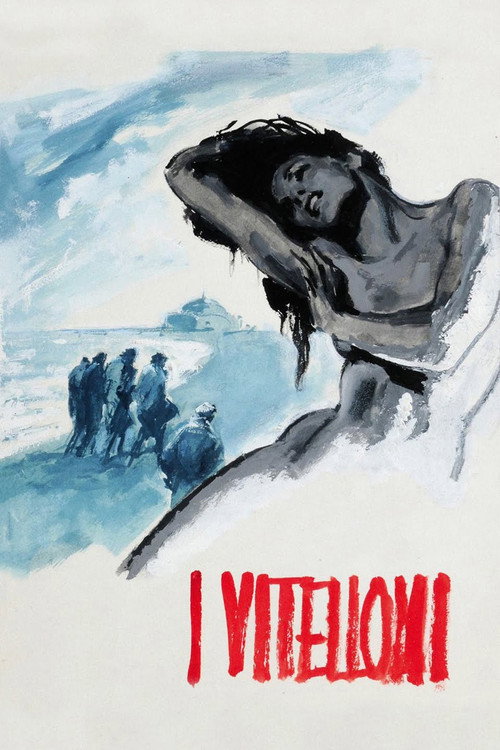
I Vitelloni1953
Fellini's portrait of aimless young men in a small Italian town—morally adrift without quite being criminals. Sharper and funnier than Buñuel, but probing the same questions about wasted potential.
But Episodic structure; nothing is resolved. For a 1953 film, the misogyny can sting. Requires patience with Italian pacing.
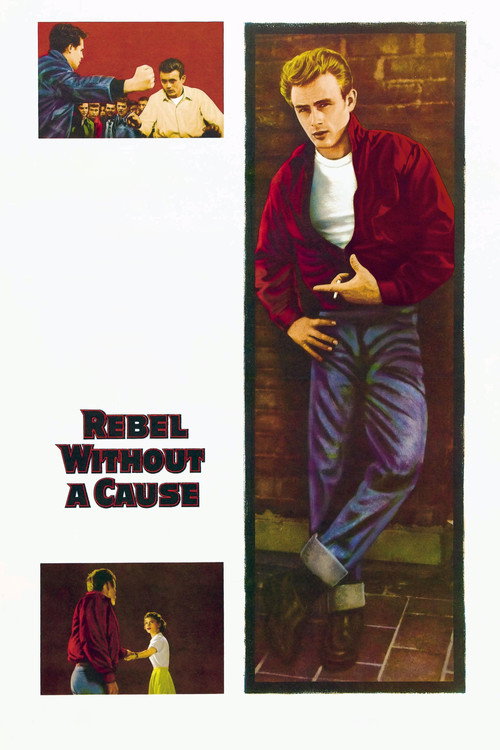
Rebel Without a Cause1955
Dean's teenage alienation in 1950s America. Iconographic, yes, but genuinely moving about generational disconnect and the violence that erupts when no one listens.
But Melodramatic compared to Buñuel's documentary eye. The Freudian parent stuff feels dated. It's become so culturally embedded it's hard to see fresh.
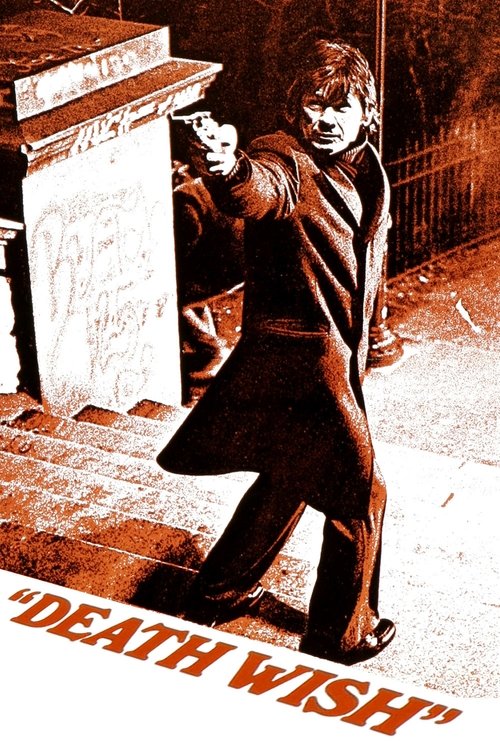
Death Wish1974
Both show violence as a logical response to systemic abandonment, but from opposing social positions. Buñuel's children are violent because there's no alternative; Bronson is violent despite alternatives existing. Same engine, opposite class. One is tragedy; the other is a descent into moral disease.
Charles Bronson's vigilante architect takes Manhattan's crime into his own hands after his daughter is assaulted. Seems like the opposite of Buñuel—the privileged man taking brutal action instead of being destroyed by circumstance. But it's actually a fever-dream about the same equation: how violence breeds violence, how systems fail, how people rationalize cruelty as justice. Grimy, unflinching 1970s urban cinema.
But It *looks* like a revenge thriller, and it's easy to mistake its fascination with vigilantism for endorsement. The misogyny is embedded in the plot, not just the era. Violently cynical in ways that can feel exploitative.
People
Cast
 Estela IndaMother
 Miguel InclánCarmelo
 Alfonso MejíaPedro
 Roberto CoboJaibo
 Alma Delia FuentesMeche
 Francisco JambrinaSchool Principal
- Jesús García NavarroFather
- Efraín ArauzCacarizo
- Sergio VirelRuffian
- Jorge PérezPelón
- Javier AmézcuaJulián
- Mario RamírezOjitos
Directing
- Ignacio VillarealAssistant Director
- Luis BuñuelDirector
Writing
- Luis AlcorizaScreenplay
- Luis BuñuelScreenplay
Production
- Antonio de SalazarAdministration
- Óscar DancigersProducer
- Fidel PizarroProduction Director
- Federico AmérigoProduction Manager
Recommended by
A Great Day in Harlem, Finding Kukan, Zazie dans le Métro, Waterloo Road, India Cabaret, The Hoodlum Priest, A Place to Live, Henri-Georges Clouzot's Inferno, Neecha Nagar, Mexican Bus Ride