
Film
A Place to Live
- Very dark
- Slow-burning
A 1941 documentary that follows a boy through Philadelphia's slums, capturing the grinding reality of urban poverty with unflinching clarity. Seventeen minutes of social witness filmmaking—no sentiment, no flourish, just the texture of lives constrained by housing failure. Essential viewing for anyone interested in how documentary cinema can indict systemic failure.
Should you watch it?
Watch it if you are drawn to sober, plainspoken social documentaries where the camera simply watches ordinary rooms and lets the silence do the arguing.
Skip it if you want a documentary that moves on or offers a way out, since this stays with hardship and its narrator's voice rather than any change or relief.
What it asks of you: A brief sitting of roughly seventeen minutes, slow and unhurried, staying in cramped rooms and letting the discomfort build without relief or escape.
Not sure? Find tonight's pick in a minute.
If you liked this
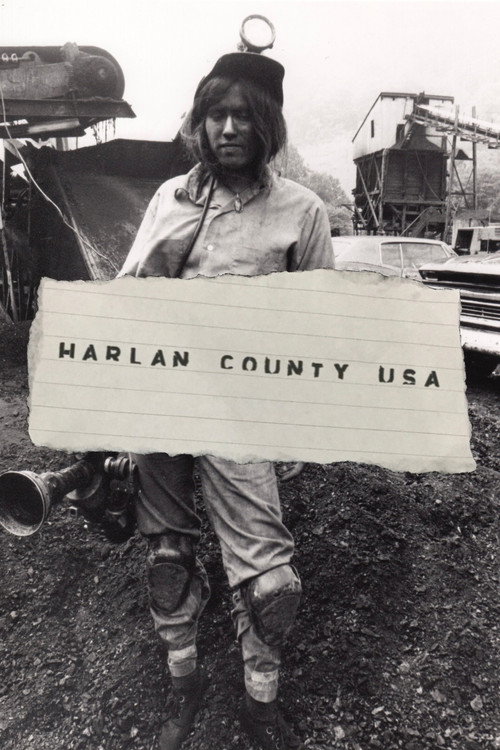
Harlan County U.S.A.1976
Barbara Kopple's immersive documentary of a Kentucky coal miners' strike captures dignity and fury in working-class struggle with the same unflinching eye. The specificity of place and economic desperation will feel immediately familiar.
But It's three and a half hours of conflict without resolution, and the brutality is genuine and exhausting. Not a comfortable sit.
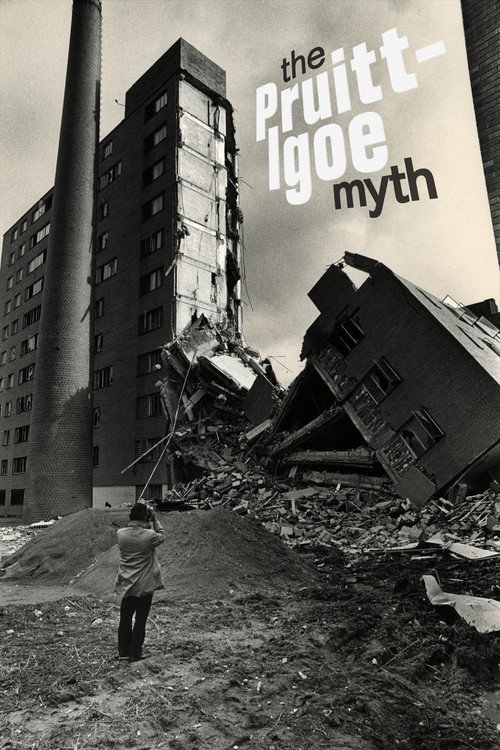
The Pruitt-Igoe Myth2012
A direct companion to "A Place to Live"—Pruitt-Igoe was supposed to be the solution to exactly the housing crisis this 1941 film documents. Watching how utopian housing becomes dystopia is devastating and clarifying.
But It's partly about architecture and urban planning, which can feel abstract until you realize the stakes are people's lives. Some will find the pacing slow.
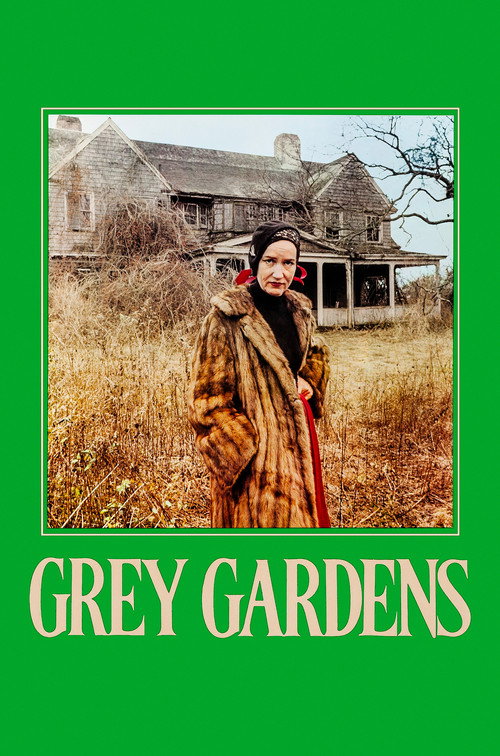
Grey Gardens1976
The Maysles brothers turned their camera on two women living in squalor in a crumbling mansion. Like "A Place to Live," it refuses to look away or impose pity. What emerges is stranger and more human than sentiment allows.
But It's voyeuristic in ways that will make some viewers deeply uncomfortable. The subjects are presented without their full consent to the final product's impact.
Not sure tonight? Get a pick in a minute, starting from A Place to Live
The wildcard
Something you would not have found on your own.
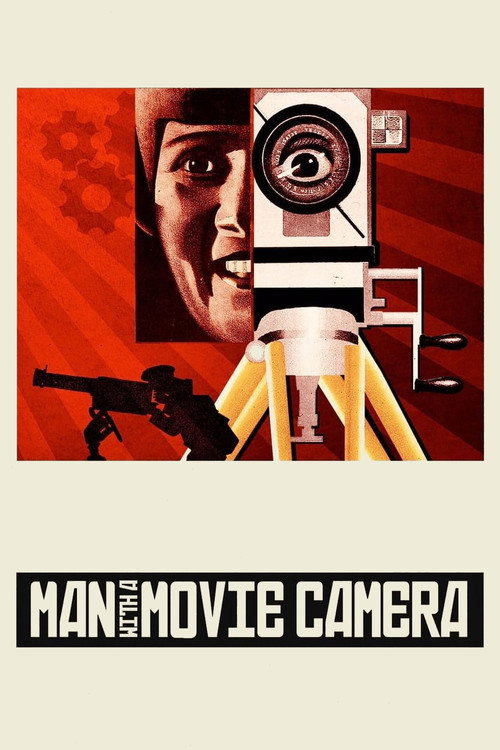
Man with a Movie Camera1929
Both are love letters to cities captured at street level, but where "A Place to Live" indicts through restraint, Vertov celebrates through exuberance. They're opposite philosophies of the documentary image, equally committed to truth.
Dziga Vertov's Soviet documentary symphony films a city—streets, work, leisure—with radical formal invention and celebration of ordinary life. It shows what documentary cinema can be: style and substance unified. The energy is infectious.
But It's a silent film from 1929 with no traditional narrative. The formal experimentation can feel impenetrable without active engagement. The ideology matters, which some will find dated.
More like this (7)
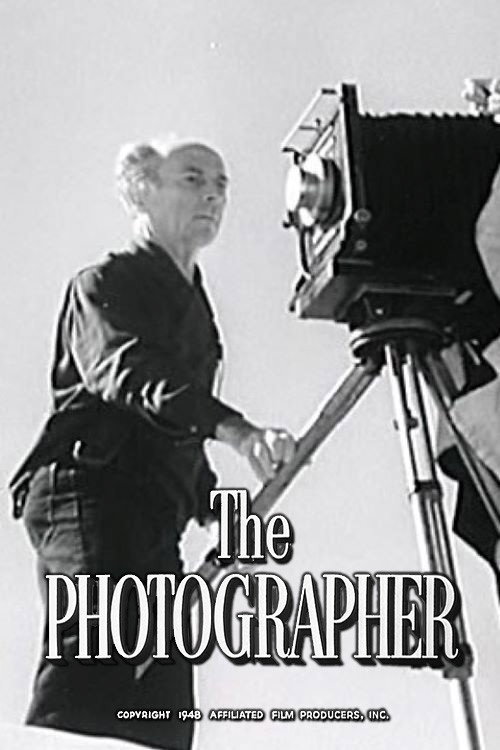
The Photographer1948
Paul Strand's documentary about a photographer documenting rural poverty shares the same commitment to showing rather than telling. The restraint and respect for dignity within desperation is quietly powerful.
But It's quiet and observational in a way that demands active attention. There's no narrative arc to carry you through.
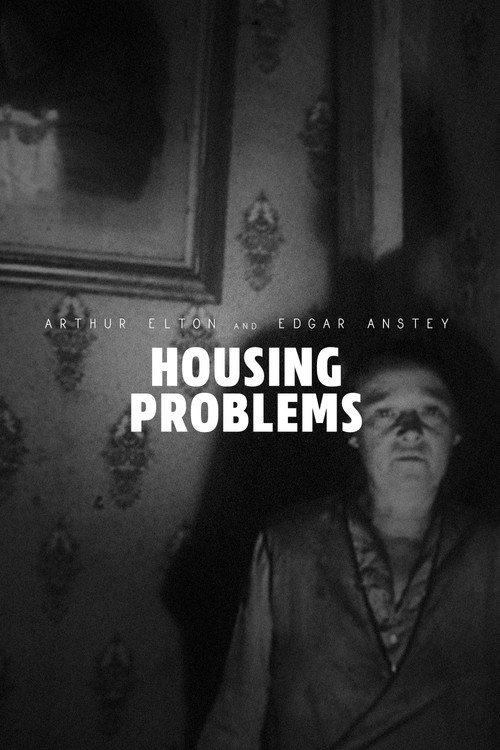
Housing Problems1935
A British documentary where slum residents speak directly to camera about their conditions. It's an ancestor of direct cinema, and the voices unfiltered carry more weight than any narration could muster.
But The sound recording is poor and the accents will require concentration. Some will find the pacing frustratingly slow.
The Nightcleaners1975
Bernadine Svigals and Judy Whitaker filmed striking nighttime cleaners in London. The film is formally experimental but grounded in material struggle. A different formal approach to the same commitment.
But The experimental structure and hand-processed film stock make it feel deliberately difficult. It rewards patience but doesn't court it.
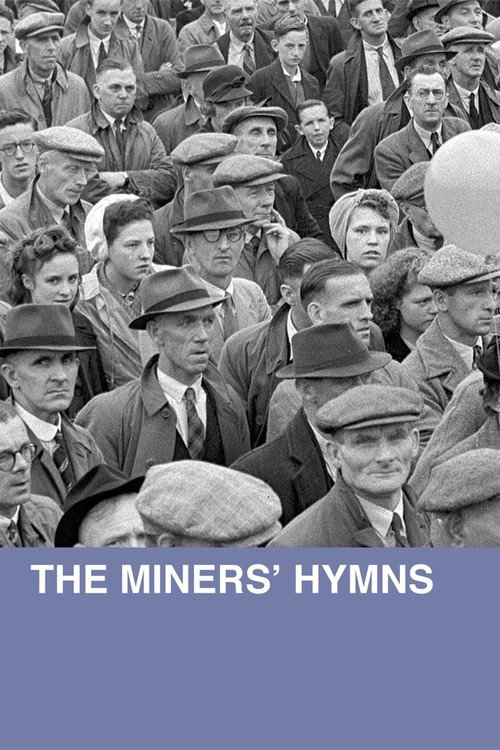
The Miners' Hymns2012
Bill Morrison and Milder Hatten combine archival footage of Yorkshire miners with compositions by Johann Johannsson. It's about labor, dignity, and community under erasure. Visually and sonically haunting.
But It's more poetic than explanatory. If you need context spelled out, you'll find the abstractness frustrating.
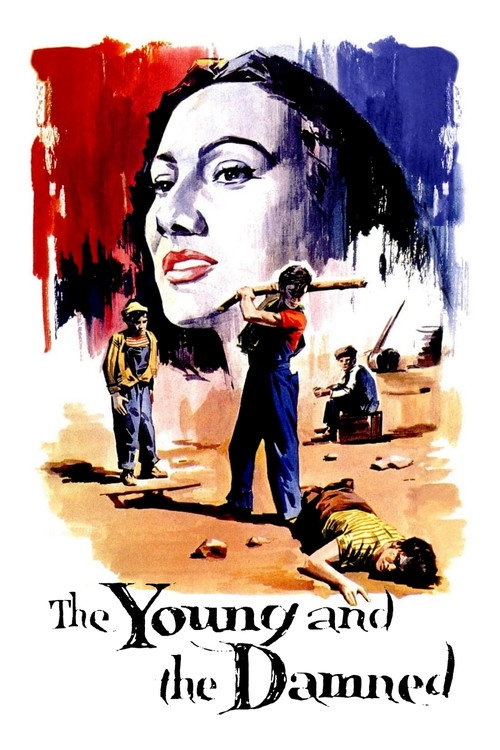
The Young and the Damned1950
Buñuel's unflinching look at Mexico City street children shares the same sociological eye. It's fiction but filmed with documentary rigor, and it has a dreamlike power that documentary alone doesn't reach.
But The cruelty depicted is real and shocking, especially toward the end. It's not remotely comforting viewing.
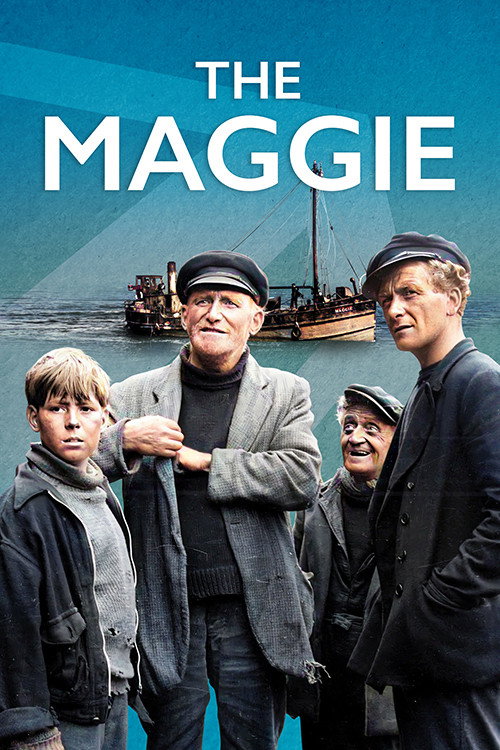
The 'Maggie'1954
Mackendrick proves that the working poor can be subjects of comedy without becoming objects of mockery. Both films grant their characters full complexity and worth—"A Place to Live" through testimony, "The Maggie" through celebration of their cunning and refusal.
Alexander Mackendrick's comedy about a stubborn Scottish tugboat captain and a wily cargo-runner is set among the docks and working-class ports. Except it's hilarious, vulgar, utterly alive. It finds joy and wit in working-class life without patronizing it.
But It's a comedy, which might feel trivializing if you come expecting social realism. The Scottish accents and slang require adjustment. The tonal whiplash from "A Place to Live" will feel jarring.
The Ascent1977
Both films refuse sentimentality about human suffering. "A Place to Live" shows poverty as systemic fact; "The Ascent" shows courage and sacrifice as radical acts. Neither asks for tears—they ask for recognition of what humans endure and resist.
Elem Klimov's Soviet film about two partisans in occupied Belarus is shot in stark black-and-white and moves into something almost spiritual. Suffering, sacrifice, and the body under extremity. It's visually overwhelming and morally uncompromising.
But It's a bleak and painful film about wartime execution. Not a comfort. The Soviet context is heavy, and it's formally austere in ways that challenge Western viewers.

People
Cast
- Bill WattsNarrator
- Frieda N. BlankThe Mother
- William KesselringThe Boy