
Film
The Pruitt-Igoe Myth
A rigorous, sympathetic documentary about the Pruitt-Igoe housing complex in St. Louis—from its 1950s optimism through its catastrophic decline and 1972 demolition. Balancing architect ambitions against the lived experience of residents, it asks how policy, racism, and disinvestment destroyed a place meant to uplift. Essential viewing for anyone who thinks urban problems are inevitable rather than chosen.
Should you watch it?
Watch it if you find yourself drawn to documentaries that take a single failed building and use it to unpick how cities, money and politics got to where they are, with residents' memories carrying as much weight as the policy arguments.
Skip it if you want a brisk, tightly edited story with a clear protagonist; this is a sober, argumentative essay in film form that lingers on statistics, planning debates and archival talk.
What it asks of you: It runs under ninety minutes and asks for steady concentration rather than emotional release, moving between talking heads, old footage and dense historical argument at a measured pace.
Not sure? Find tonight's pick in a minute.
If you liked this
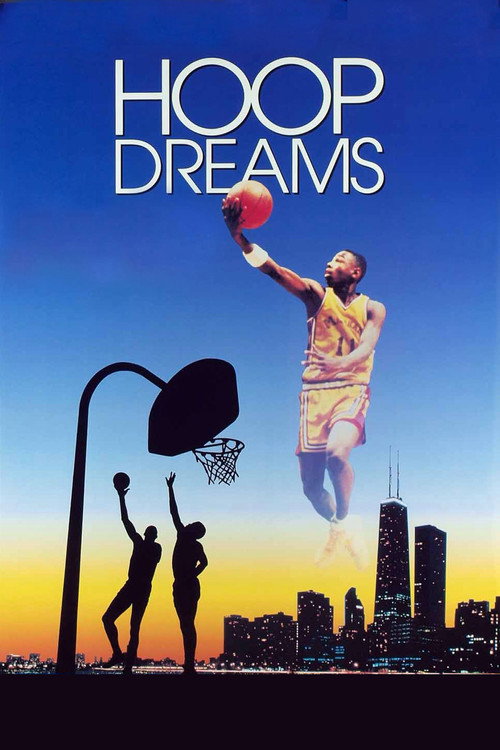
Hoop Dreams1994
Two basketball players' parallel trajectories through class, race, and institutional betrayal reveal how American systems funnel opportunity upward. Deeply human filmmaking about structural inequality that feels earned rather than sermonized.
But It's 171 minutes and requires patience with subjects' lives rather than plot mechanics. Some sections drift when tighter editing would help.
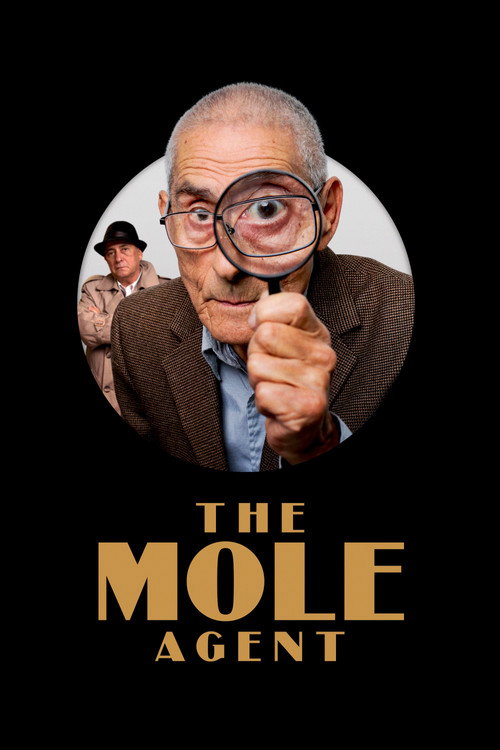
The Mole Agent2020
A Chilean spy film that's also a profound meditation on invisibility, aging, and what we owe the forgotten. Formally inventive, morally complex, and genuinely moving without ever manipulating you.
But It's understated to the point of obliqueness. You'll need to sit with ambiguity and resist wanting the story to resolve into something clearer.
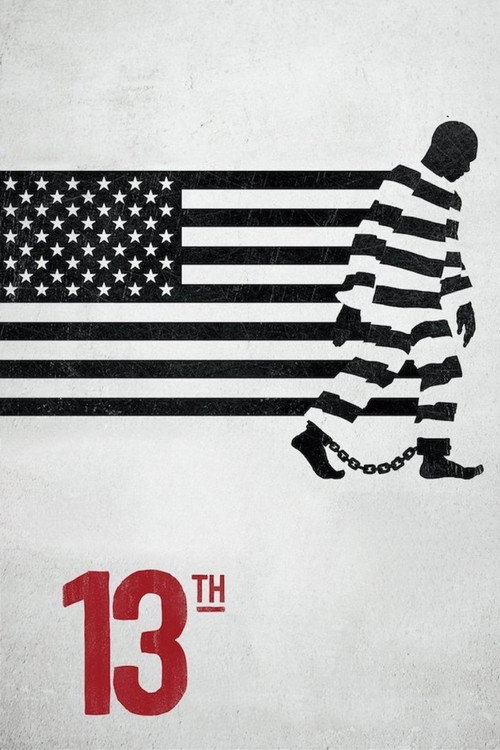
13th2016
Ava DuVernay traces the direct line from slavery through mass incarceration with forensic clarity and moral fury. Visually sophisticated and narratively propulsive; this is essential American history most of us weren't taught.
But It can feel like a sermon. The editing is designed to convince you of its argument, which means viewers resistant to that argument may feel bludgeoned.
Not sure tonight? Get a pick in a minute, starting from The Pruitt-Igoe Myth
The wildcard
Something you would not have found on your own.
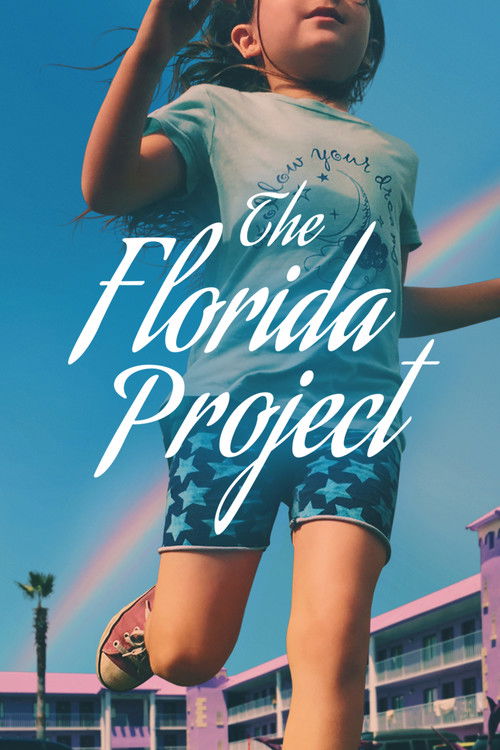
The Florida Project2017
Like Pruitt-Igoe, it centres the humanity of people living in institutional housing and asks us to see their full selves rather than their circumstances. But instead of documentary forensics, it uses wonder and a child's eye. Same subject, completely different emotional register.
A magical-realist film about childhood in motels housing the working poor near Disney World. It's funny and heartbreaking and visually gorgeous, told from the kids' point of view rather than adults' despair. One of the finest films about American poverty ever made.
But It's defiantly unsentimental about its subjects and refuses to offer a redemptive ending. You watch families persist in precarity without rescue. The joy onscreen might feel unbearable alongside the circumstances.
More like this (7)
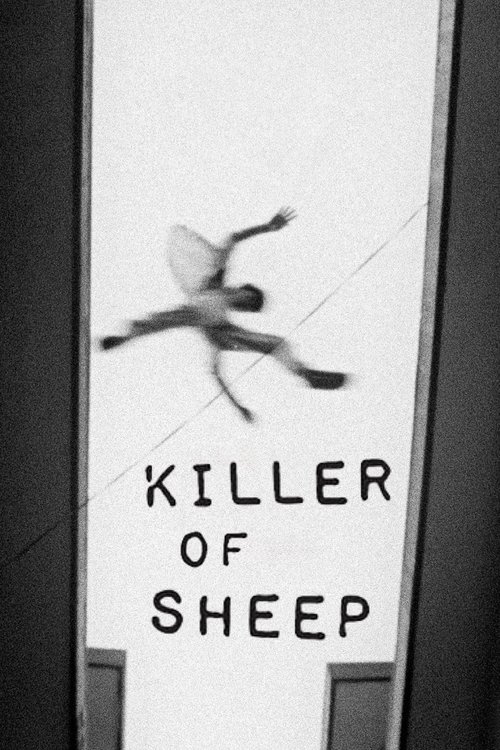
Killer of Sheep1978
Sam Greenidge's portrait of a Black family in Watts, LA—quiet, gorgeous, alive with feeling. It captures dignity and joy alongside struggle in ways most 'issue' films completely miss. A masterpiece of American cinema.
But There's minimal plot and it moves at its own pace. You're watching someone's life, not a story arc. Patience required.
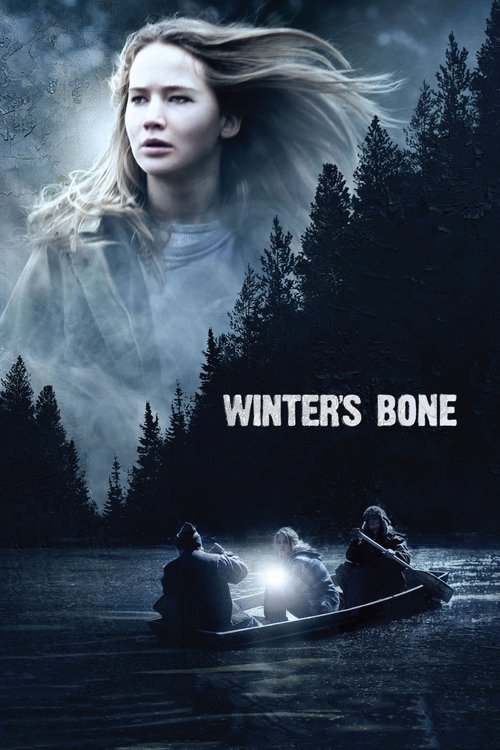
Winter's Bone2010
A young woman searches for her disappeared father in rural Ozark poverty with intelligence and grit. Austere filmmaking that respects its characters' intelligence and refuses to condescend to rural suffering.
But It's bleak and slow. There's no redemptive arc waiting—just a girl trying to survive her family's choices and her region's abandonment.
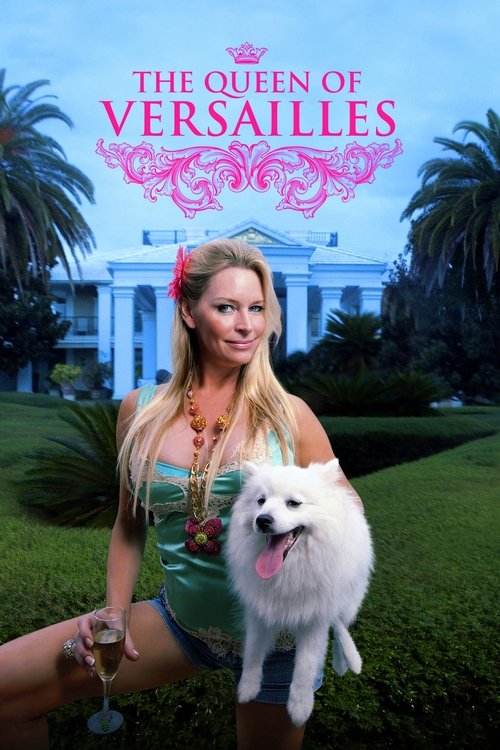
The Queen of Versailles2012
A documentary about a billionaire family building an obscenely huge mansion that crashes into the 2008 financial crisis. It becomes a strange, unintended portrait of wealth, class, and what money actually buys.
But The filmmakers seem almost satirical about their subjects' obliviousness, and some viewers will find that tone lazy. Others may find the depiction of the wife sympathetic in ways that feel unearned.
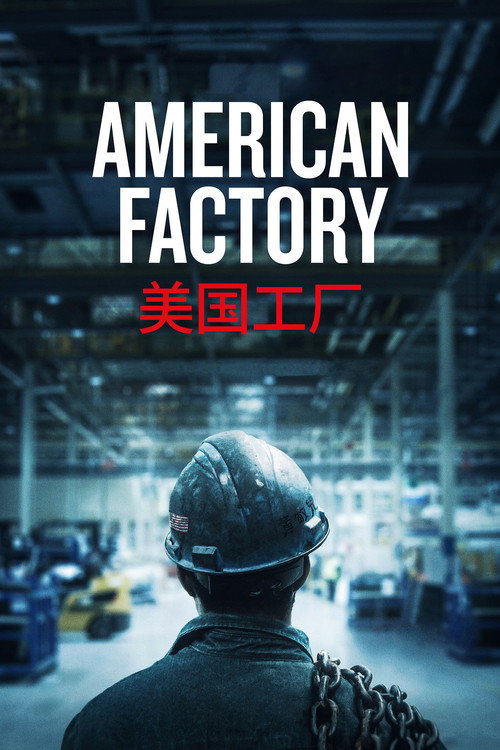
American Factory2019
A Chinese factory reopens a shuttered Ohio plant. It's a brilliant, intimate look at labor, class, cultural collision, and what 'job creation' actually means for working people. Both sides are human and the tensions are real.
But It doesn't resolve. There's no villain to blame or hero to champion—just competing systems and people caught between them. Some find that unsatisfying.
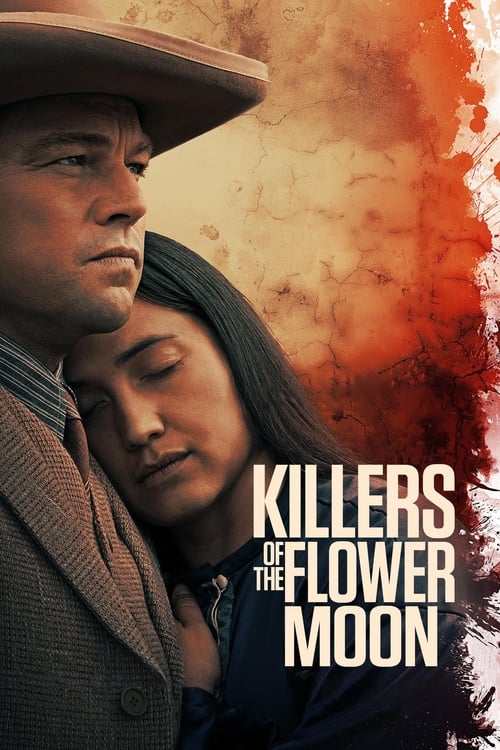
Killers of the Flower Moon2023
Scorsese examines the Osage murder conspiracy—a stunning historical crime story about how American wealth was built on Indigenous genocide. Visually magnificent and morally unsparing.
But It's nearly three and a half hours and can feel slow in the middle. Scorsese's baroque style may feel at odds with the documentary restraint the subject demands.
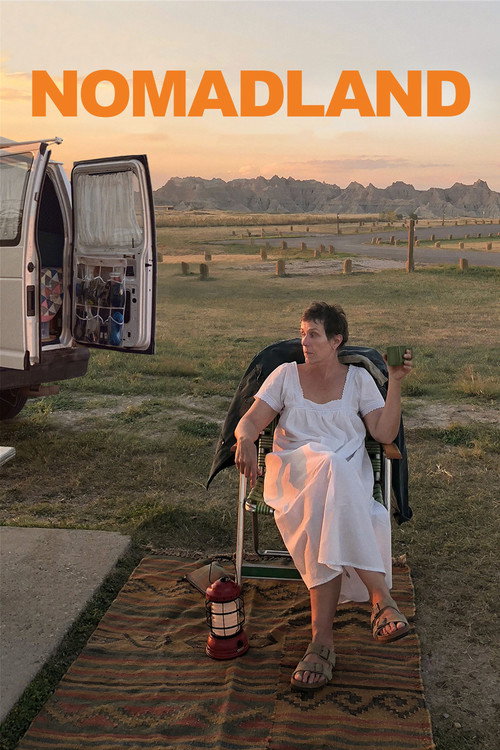
Nomadland2021
Chloé Zhao follows real people living in vans across America after economic collapse. It's meditative, tender, and refuses either to romanticize poverty or make victims of its subjects. A poem about invisibility and survival.
But There's no plot and very little dramatic arc. If you need narrative momentum or clear character development, this will feel like watching footage rather than watching a film.
The Seventh Seal1957
Both use a specific location and moment—Pruitt-Igoe's implosion, the plague ravaging a kingdom—to ask larger questions about how societies organize themselves and who survives. Both end with demolition/death as a kind of mercy. One is documentary clarity; one is existential metaphor. Both are about inevitability and choice.
Bergman's medieval allegory about death, faith, and the persistence of human striving across a ravaged landscape. A masterpiece that's haunting and strangely life-affirming. It's slow cinema that earns every second.
But It's overtly philosophical and European and in black-and-white. If you're allergic to 1950s art cinema or symbolic thinking, you'll find it impenetrable. It will not entertain you.

People
Directing
- Chad FreidrichsDirector
Writing
- Chad FreidrichsWriter
- Jaime FreidrichsWriter
Recommended by
Show Me a Hero, Good Times, High-Rise, Anthropocene: The Human Epoch, Dark Days, Rubble Kings, Abstract: The Art of Design, Project Nim, Detropia, No Impact Man, The Black Power Mixtape 1967-1975, Small Town Gay Bar, American Hollow, Escape Fire: The Fight to Rescue American Healthcare, Trouble the Water, Dinosaur 13, Waging A Living, Owned: A Tale of Two Americas, American Restoration, A Time for Burning, Salvage Dawgs, Eames: The Architect and the Painter, Rams, The Art of the Steal, Free Angela and All Political Prisoners, The Act of Reading, An Open Book, Bauhaus: The Face of the Twentieth Century, Design Is One, Citizen Jane: Battle for the City, Schooling the World: The White Man's Last Burden, Requiem for Detroit?, Battle for Brooklyn, Urbanized, Berkeley in the Sixties, The Brain with David Eagleman, The City, Drugs, Inc., The Real Dirt on Farmer John, Let It Fall: Los Angeles 1982-1992, Ninth Floor, Stink!, A Place to Live, Sketches of Frank Gehry, Cathedrals of Culture, The Social Life of Small Urban Spaces