
Film
Schooling the World: The White Man's Last Burden
A provocative documentary that questions the assumption that Western schooling is universally beneficial. Through interviews and footage from indigenous communities worldwide, it examines how modern education disrupts traditional knowledge systems, cultural transmission, and sustainable ways of living. Essential viewing for anyone involved in development work, education policy, or international aid—and genuinely uncomfortable in the best way.
If you liked this
The Social Dilemma2020
Like Schooling, it exposes how institutions we assume are neutral—here, social media platforms—reshape societies in invisible ways. Combines expert testimony with compelling argument about cultural and psychological impact.
But Occasionally didactic, and some arguments feel familiar if you've already thought critically about technology's role in society.
Killing Us Softly 4: Advertising's Image Of Women2010
Uses advertising as a lens to examine how dominant culture colonizes consciousness. Same investigative spirit and moral clarity about systems we're trained not to question.
But Focused narrowly on gender and advertising; less global scope than Schooling the World's reach across continents.
The Pruitt-Igoe Myth2012
Deconstructs a development project (public housing) that failed catastrophically, revealing how good intentions and flawed assumptions destroyed communities. Rigorous, compassionate, quietly furious.
But American-specific story about urban policy; won't resonate if you're mainly interested in global development issues.
Not sure tonight? Get a pick in a minute, starting from Schooling the World: The White Man's Last Burden
The wildcard
Something you would not have found on your own.
The Story of Stuff2007
Both trace how Western industrial systems engineer consent by making their logic seem natural and inevitable. One does it through indigenous education; the other through consumer culture. Same mechanism, different institution.
Annie Leonard's brisk, funny animated explainer about consumption, waste, and the systems that manufacture desire. Same DNA as Schooling—exposing the hidden assumptions built into 'normal' life—but through a completely different medium and register. Shorter, breezier, but equally radical in scope.
But Animated and almost cheerful in delivery; some find the accessibility glib compared to documentary's weight.
More like this (6)
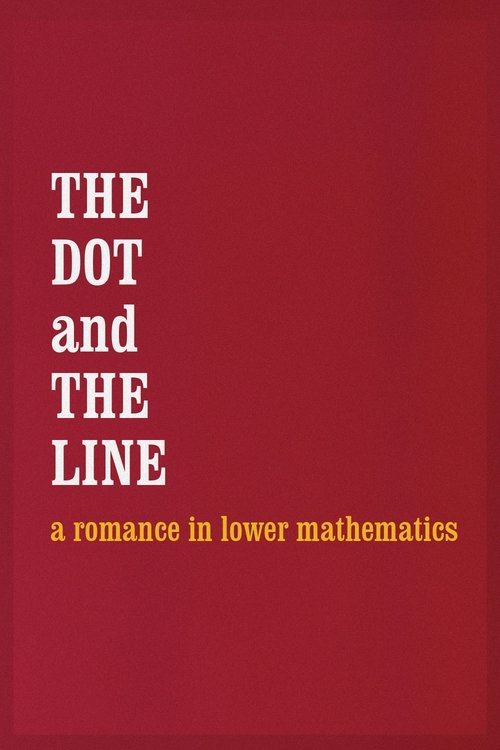
The Dot and the Line: A Romance in Lower Mathematics1965
An elegant animated essay about how Western linear thinking constrains imagination and alternative ways of understanding space and relationship.
But Highly abstract and mathematical; nothing like Schooling's documentary style or subject matter on the surface.
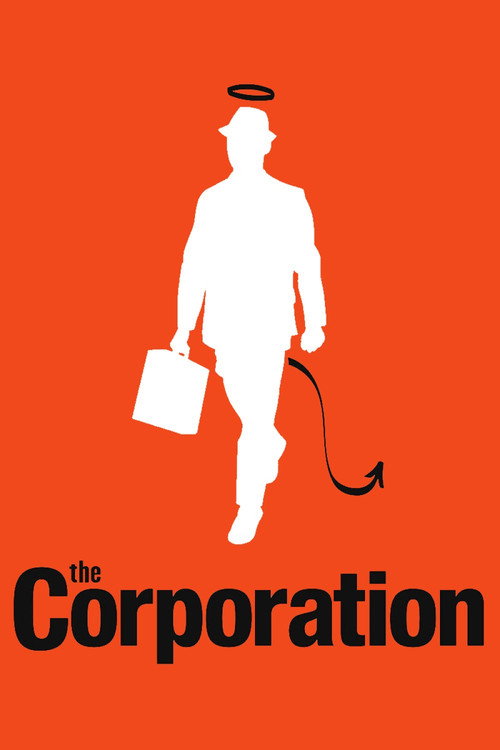
The Corporation2003
Sprawling critique of how institutional logic—much like schooling—systematizes harm while claiming rationality and progress. Comparable scope and ambition.
But Over two hours and somewhat dated in production style; occasionally scattershot in its arguments.
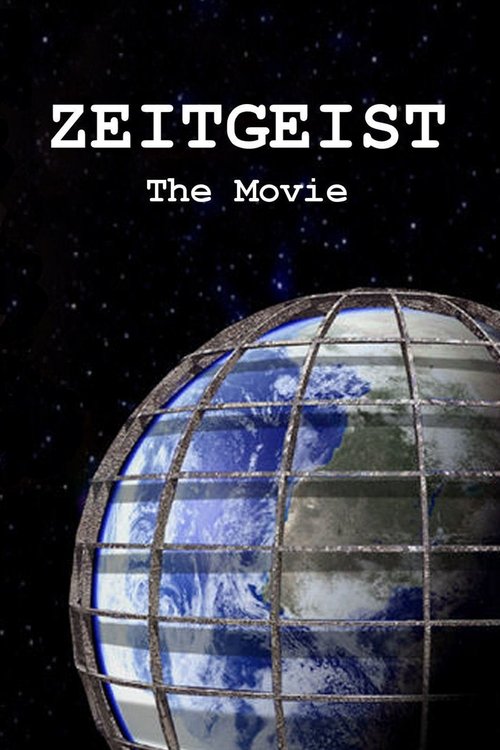
Zeitgeist: The Movie2007
Questions foundational Western narratives about progress, religion, and history. Similar impulse to challenge what we accept as inevitable truth.
But Conspiracy-leaning and polemical in ways some find reductive; lacks Schooling's grounded, evidence-based approach.
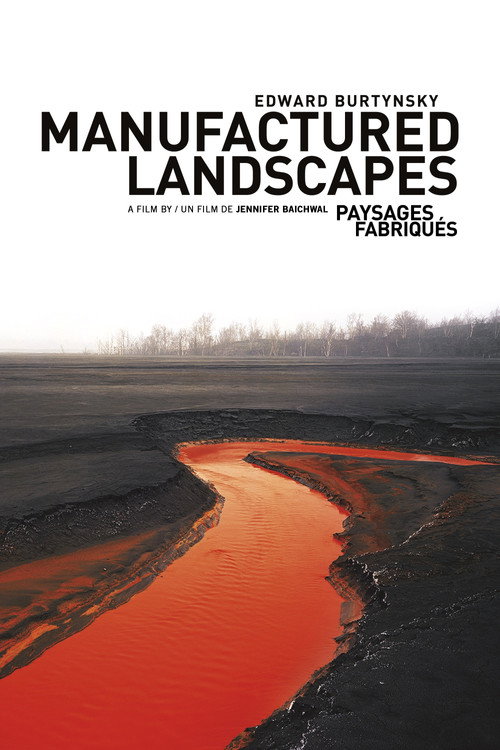
Manufactured Landscapes2006
Edward Burtynsky's visual meditation on industrial transformation of the natural world. Asks what development really costs, through imagery rather than argument.
But Almost entirely visual with minimal dialogue; meditative rather than investigative, which some find less intellectually satisfying.
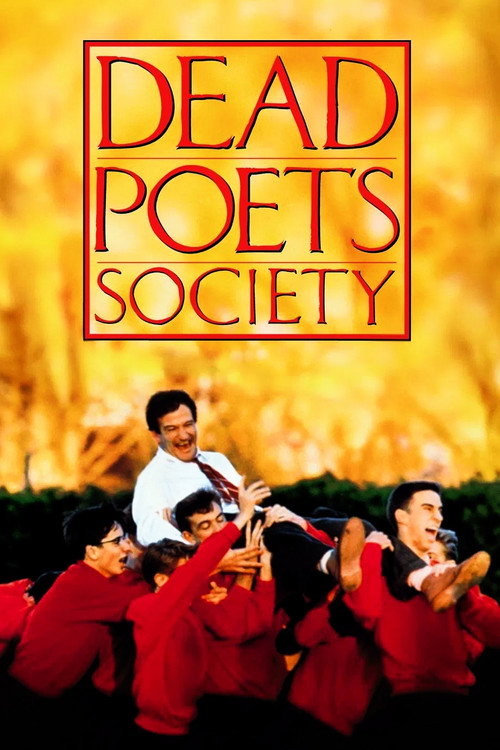
Dead Poets Society1989
The perfect counterpoint: Schooling asks 'what if traditional cultures don't need our schools?', and Dead Poets asks 'what if schools should free us rather than control us?' Both obsess over what education actually does to the soul.
A fictional argument for education that awakens rather than conforms. Watches like the opposite of Schooling—a romantic vision of teaching's potential—but asks identical questions about whose interests schooling serves and what gets lost in standardization.
But Emotionally manipulative and ultimately individualistic in its solutions; doesn't grapple with systemic critique the way the documentary does.
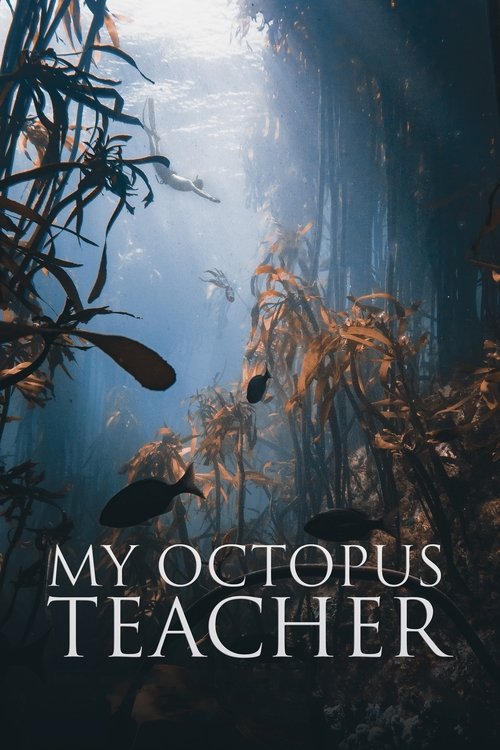
My Octopus Teacher2020
Both ask what we assume we're teaching versus what we actually learn when we approach the world with humility. One is a screed about education policy; the other is a love story about attention. But they're describing the same shift in consciousness.
A filmmaker learns from an octopus by patient observation, dissolving the boundary between teacher and student, human and non-human. Radically different in form and gentleness, but explores exactly what Schooling argues we've lost: ways of knowing that aren't extractive, that honor another being's logic on its own terms.
But Whimsical and intimate; some find it slight compared to Schooling's urgent political argument, and it lacks any real-world application or stakes.
People
Directing
- Carol BlackDirector